

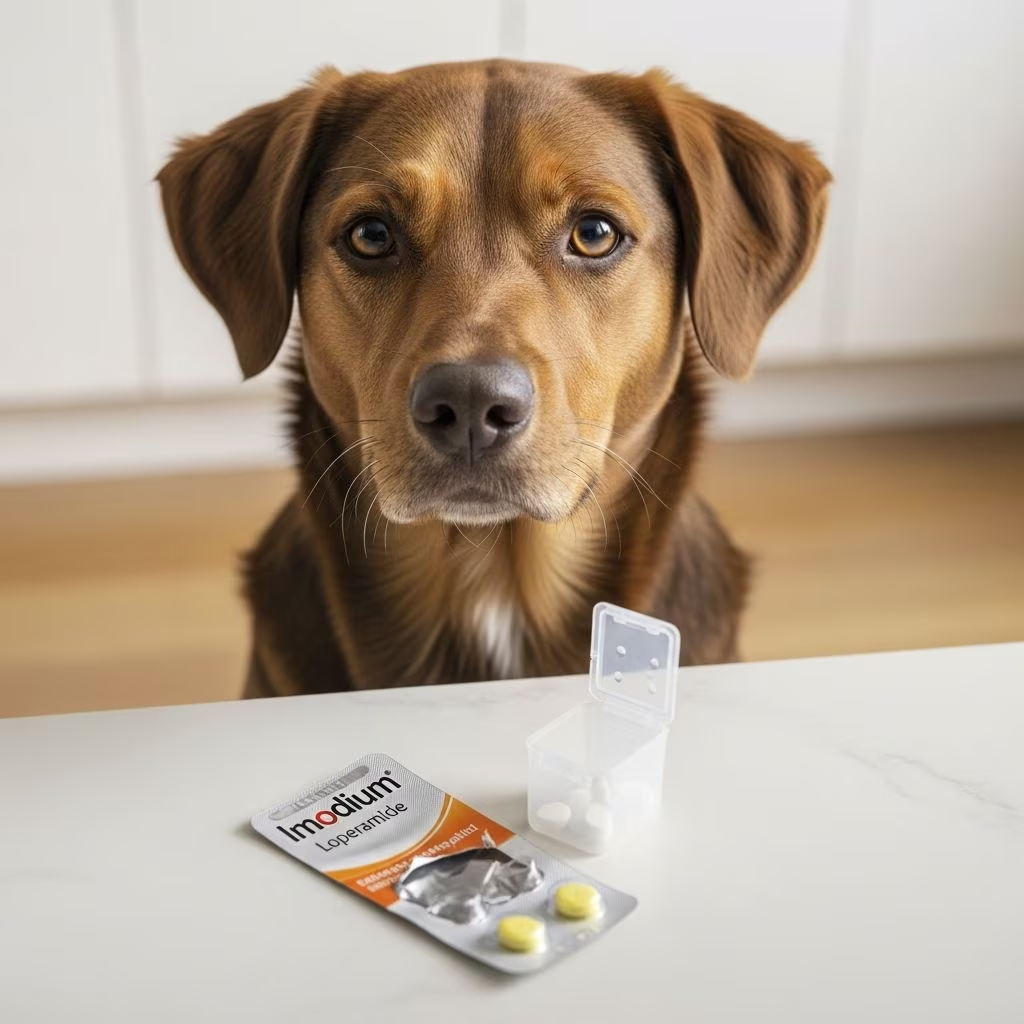
Can You Give Dogs Imodium?
Diarrhea is a common problem for dog owners, and it’s natural to want to help your pet feel better quickly. Many people wonder if they can give their dog Imodium, an over-the-counter medication commonly used to treat diarrhea in humans. The short answer is: yes, dogs can take Imodium, but only under specific circumstances and with direct veterinary supervision. Imodium, whose active ingredient is loperamide, can be used off-label in dogs to manage certain types of diarrhea, but it’s not appropriate for every dog or every situation.
What Is Imodium and How Does It Work?
Imodium is an over-the-counter antidiarrheal medication that has been used for decades to treat diarrhea in humans. The medication works by reducing intestinal muscle contractions and decreasing intestinal fluid secretion, which helps slow down the movement of stool through the digestive tract. In veterinary medicine, loperamide operates similarly in dogs, helping to control diarrhea symptoms by making stools firmer and reducing the frequency of bowel movements.
While Imodium is not FDA-approved for use in dogs, veterinarians may prescribe it off-label when appropriate. Understanding how this medication works and its potential risks is essential before considering it for your dog.
Is Imodium Safe for Dogs?
Imodium can be used safely in dogs under very specific circumstances and only under direct veterinary supervision. For most healthy dogs without underlying health conditions or genetic predispositions, Imodium is generally considered safe when given at appropriate dosages. However, the safety profile changes significantly depending on your dog’s breed, health status, and medical history.
The key to safe Imodium use in dogs is proper veterinary guidance. Your veterinarian will evaluate your dog’s individual health status, determine if the diarrhea has an infectious cause, and decide whether Imodium is the right treatment option. They will also monitor your dog for any adverse effects during treatment.
Breed Restrictions: The MDR1 Gene Mutation
One of the most critical safety considerations when giving Imodium to dogs involves a genetic mutation called MDR1 (multidrug resistance 1). Dogs with this genetic mutation have difficulty metabolizing certain medications, including loperamide, which can lead to dangerous accumulation of the drug in their system.
Certain dog breeds carry the MDR1 gene mutation at higher rates than others. Herding breeds are at the highest risk, including:
- Collies
- Australian Shepherds
- Shetland Sheepdogs (Shelties)
- Border Collies
- Old English Sheepdogs
- Mixed breeds with herding ancestry
If your dog is one of these breeds or has herding dog ancestry, it’s especially important to discuss Imodium use with your veterinarian before administering it. Dogs with the MDR1 mutation can experience extreme sedation, ataxia (loss of coordination), and excessive drooling even from a single dose of Imodium. In severe cases, these neurological effects can be life-threatening.
Your veterinarian can perform a genetic test to determine if your dog carries the MDR1 mutation, which can help guide treatment decisions for Imodium and other medications.
Common Uses for Imodium in Dogs
While Imodium is often thought of as a general diarrhea treatment, veterinarians use it for specific situations:
- Chemotherapy-related diarrhea: The most common veterinary use of Imodium is to manage diarrhea that occurs as a side effect of certain cancer treatment medications.
- Stress-induced diarrhea: Some dogs develop diarrhea in response to anxiety or stressful situations, and Imodium may help manage these symptoms.
- Non-infectious acute diarrhea: Dogs that develop sudden diarrhea without an identifiable infectious cause may be candidates for Imodium treatment.
- Food intolerances: Dogs with known food sensitivities causing diarrhea may benefit from Imodium.
- Irritable bowel syndrome: Dogs diagnosed with IBS-like conditions may receive Imodium as part of their treatment plan.
It’s important to note that your veterinarian will typically try veterinary-specific medications first before recommending Imodium. Additionally, your vet must ensure there’s no infectious cause (such as bacterial infection, parasites, or viral infection) before prescribing this medication, as using anti-diarrheal drugs on infectious diarrhea can make the condition worse.
Imodium Dosage for Dogs
The dosage of Imodium for dogs has not been officially established through clinical trials and is based on empirical observations by veterinarians. Your veterinarian will determine the appropriate dose based on your dog’s weight, age, and overall health status.
The standard dosage of Imodium for dogs is approximately 0.1 milligrams per kilogram of body weight, administered every 8 to 12 hours as needed. Imodium is available in two forms for dogs:
- Tablets: Imodium tablets contain 2 mg of loperamide and are typically recommended only for larger dogs.
- Liquid: Liquid Imodium is usually available in a concentration of 1 mg/5 mL (0.2 mg/mL) and is preferred for smaller dogs, as it allows for more precise dosing.
| Dog Weight | Dosage (mg) | Liquid Amount (0.2 mg/mL) | Frequency |
|---|---|---|---|
| 5 kg | 0.5 mg | 2.5 mL | Every 8-12 hours |
| 10 kg | 1 mg | 5 mL | Every 8-12 hours |
| 15 kg | 1.5 mg | 7.5 mL | Every 8-12 hours |
| 20 kg | 2 mg | 10 mL | Every 8-12 hours |
Never give your dog the standard human dosage of Imodium, as this can be toxic for dogs. Always follow your veterinarian’s specific dosing instructions. If you accidentally give your dog too much Imodium, contact your veterinarian immediately.
Common Side Effects of Imodium in Dogs
When given at appropriate doses, most dogs tolerate Imodium well. However, some dogs may experience mild side effects, including:
- Excessive drooling
- Constipation
- Bloating or abdominal discomfort
- Lethargy or sedation
- Low energy or decreased activity
These common side effects are typically mild and often resolve on their own. However, if you notice any of these symptoms in your dog, contact your veterinarian. Excessive use of Imodium will commonly cause constipation in most dogs, so the medication should be used only as recommended by your vet. The medication is short-acting and should be eliminated from your dog’s body within 24 hours of the last dose.
Serious Side Effects and Risks
While uncommon when used appropriately, Imodium can cause serious side effects in certain dogs:
- Impaired intestinal motility
- Inflammation of the intestines
- Pancreatitis (inflammation of the pancreas)
- Vomiting
- Severe drooling
- Weight loss
- Depression or behavioral changes
- Extreme sedation and ataxia (especially in dogs with MDR1 mutation)
Dogs with the MDR1 gene mutation are at the highest risk for serious neurological side effects. Even a single dose can cause extreme sedation, making the dog appear drunk or uncoordinated. If your dog develops any of these serious symptoms, stop giving Imodium immediately and contact your veterinarian.
When NOT to Give Your Dog Imodium
Imodium should not be given to dogs in certain situations. Your dog should avoid this medication if they have:
- The MDR1 genetic mutation (especially herding breeds)
- Liver disease or kidney disease
- Respiratory conditions or problems
- Intestinal bacterial infection
- Intestinal parasites
- Intestinal cancer, tumors, or blockage
- Recent ingestion of toxins or food poisoning
- Head injuries or severe neurological conditions
- Hormonal disorders such as Addison’s disease or hypothyroidism
- Pregnancy or nursing status
- Very young age (young puppies)
- Advanced age or debilitated condition
Additionally, Imodium should be used with caution in dogs with underlying health conditions like hypothyroidism, respiratory issues, or brain injuries, as these dogs are more susceptible to potential side effects.
Imodium Interactions with Other Medications
Imodium can interact negatively with several other medications. Before giving your dog Imodium, inform your veterinarian of all medications, supplements, and vitamins your dog is taking. Medications that may interact with Imodium include:
- Erythromycin (antibiotic)
- Moxidectin (parasitic treatment)
- Sulfamethoxazole/trimethoprim (antibiotic)
- Other antibiotics
- Azole antifungals
- Chemotherapy medications
- Heart medications
- Blood pressure medications
Your veterinarian will review your dog’s complete medication list and determine whether Imodium is safe to use alongside other treatments.
Imodium Allergies in Dogs
While rare, some dogs can be allergic to Imodium or its ingredients. Signs of an allergic reaction include:
- Swelling of the face, lips, or tongue
- Hives or skin rashes
- Itching
- Difficulty breathing
- Anaphylaxis (in severe cases)
If your dog displays any signs of allergic reaction after taking Imodium, stop the medication immediately and contact your veterinarian or emergency veterinary clinic.
Alternative Treatments for Dog Diarrhea
Before resorting to Imodium, your veterinarian will typically recommend other treatments first. Safer alternatives for managing dog diarrhea include:
- Veterinary-specific antidiarrheal medications: Prescription medications designed for dogs may be safer than human over-the-counter options.
- Probiotics: Beneficial bacteria supplements can help restore healthy gut flora.
- Dietary management: Temporary dietary changes or prescription digestive diets may help resolve diarrhea.
- Hydration support: Ensuring adequate fluid intake is crucial during diarrhea episodes.
- Addressing underlying causes: Treating parasites, infections, or food sensitivities may resolve diarrhea without medication.
Frequently Asked Questions
Q: Is Imodium FDA-approved for dogs?
A: No, Imodium is not FDA-approved for use in dogs. However, veterinarians may prescribe it off-label when they believe it’s appropriate and safe for an individual dog.
Q: Can I give my dog human-dose Imodium?
A: No, you should never give your dog the standard human dosage of Imodium. This can be toxic for dogs. Always follow your veterinarian’s specific dosing recommendations.
Q: How quickly does Imodium work in dogs?
A: Imodium is a short-acting medication that should be eliminated from your dog’s body within 24 hours. Effects may be noticed within a few hours of administration, but this varies by individual dog.
Q: Can puppies take Imodium?
A: Imodium is generally not recommended for young puppies. Your veterinarian may recommend safer alternatives for managing diarrhea in young dogs.
Q: What should I do if my dog has a bad reaction to Imodium?
A: If your dog shows signs of a serious reaction, stop giving the medication immediately and contact your veterinarian or emergency veterinary clinic. Have information about the dose and time of administration ready.
Q: How do I know if my dog has the MDR1 mutation?
A: Your veterinarian can perform a genetic test to determine if your dog carries the MDR1 mutation. If your dog is a herding breed or has herding ancestry, discuss testing with your vet before using Imodium.
Q: Can I give Imodium to my senior dog?
A: Senior dogs can be more susceptible to side effects from Imodium. Your veterinarian will carefully evaluate your older dog’s health status before recommending this medication.
Q: What’s the difference between Imodium tablets and liquid?
A: Liquid Imodium is preferred for smaller dogs because it allows for more precise dosing. Tablets contain 2 mg and are typically used only for larger dogs. Your veterinarian will recommend the appropriate form for your dog.
References
- Imodium for Dogs: A Cure to Your Dog’s Diarrhea? — TotalVet. 2024. https://total.vet/imodium-for-dogs/
- Imodium for Dogs: Understand Safe Use & When It’s an Emergency — Greater Smithfield Veterinary Services. 2024. https://gsvs.org/blog/imodium-for-dogs-emergency/
- Imodium® For Dogs: Can You Give Dogs Imodium? — PetMD. 2024. https://www.petmd.com/dog/general-health/imodium-dogs-it-good-idea
- Imodium for Dogs: Uses, Dosage, and Side Effects — GoodRx. 2024. https://www.goodrx.com/pet-health/dog/imodium
- Can I Give My Dog Imodium? A Vet Explains Potential Risks — The Pet Lab Co. 2024. https://thepetlabco.com/learn/dog/health-wellness/can-i-give-my-dog-imodium
- Loperamide (Imodium®) for Dogs and Cats — PetPlace.com. 2024. https://www.petplace.com/article/drug-library/drug-library/library/loperamide-imodium-for-dogs-and-cats



