

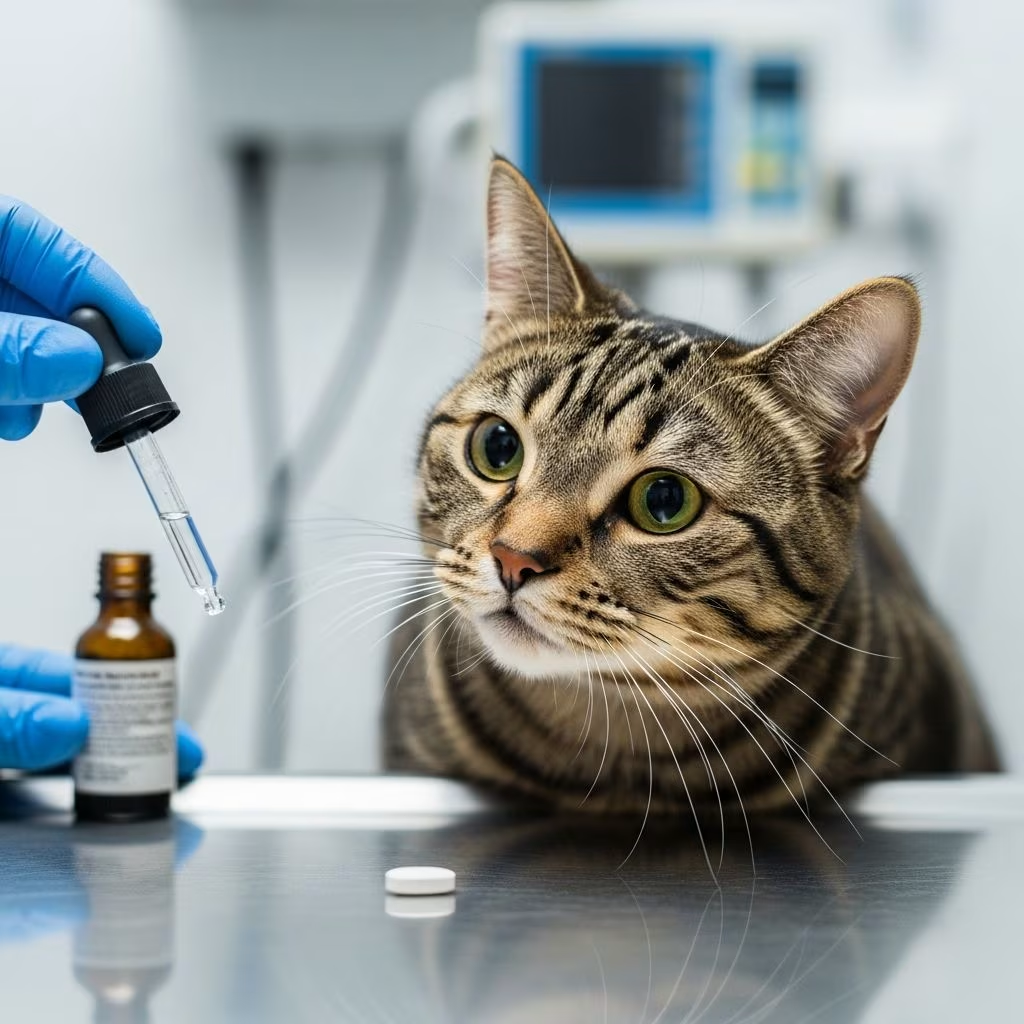
Benadryl, known generically as diphenhydramine, is a widely used antihistamine in human medicine for allergies, itching, and sleep aid. Many cat owners wonder if this over-the-counter medication can be safely administered to their feline companions. The short answer is yes, Benadryl can be given to cats under specific conditions and dosages, but only with veterinary approval. This article dives deep into the safety, appropriate uses, precise dosing instructions, potential side effects, and essential precautions to ensure your cat’s well-being.
Is Benadryl Safe for Cats?
Benadryl is generally considered safe for most healthy adult cats when used correctly at the recommended dosage. As an antihistamine, it blocks histamine receptors, reducing allergic reactions like itching, swelling, and hives. However, safety is not universal—certain cats should avoid it entirely. Cats with pre-existing conditions such as glaucoma, heart disease, high blood pressure, hyperthyroidism, or prostate enlargement may experience exacerbated symptoms. Pregnant or nursing cats, kittens under six months, and those on medications like sedatives or MAO inhibitors are also at higher risk.
Always consult your veterinarian before administering Benadryl. They can assess your cat’s health history, current medications, and specific needs to confirm safety. Plain diphenhydramine formulations without added ingredients like acetaminophen, pseudoephedrine, or decongestants are crucial—combination products like Tylenol PM or certain cold remedies can be toxic to cats. Veterinary sources emphasize that while Benadryl is not FDA-approved for cats, it is commonly prescribed off-label due to its efficacy and safety profile when dosed properly.
Benadryl Dosage for Cats
The standard recommended dosage for Benadryl in cats is 1 mg per pound of body weight, administered every 8-12 hours as needed, up to three times daily. This aligns with guidelines from veterinary experts, though some sources like the Merck Veterinary Manual suggest 2-4 mg per kilogram (approximately 1-2 mg per pound), with the conservative 1 mg/lb often preferred to minimize side effects. For a typical 10-pound cat, this equates to 10 mg per dose.
Benadryl is available as 25 mg tablets, children’s liquid (12.5 mg per 5 mL), or injectable forms (vet-administered). Tablets can be quartered or halved precisely using a pill splitter. Liquid is easier for accurate measurement, especially for smaller cats. Weigh your cat accurately first—overdosing risks toxicity, while underdosing reduces effectiveness.
Benadryl for Cats Dosage Chart
| Cat’s Weight (lbs) | Benadryl (mg) | Liquid (12.5 mg/5 mL) | Tablets (25 mg) |
|---|---|---|---|
| 6 | 6 mg | 2.5 mL | 1/4 tablet |
| 8 | 8 mg | 3 mL | 1/4 tablet |
| 10 | 10 mg | 4 mL | 1/4 tablet |
| 12 | 12 mg | 4.8 mL | 1/2 tablet |
| 15 | 15 mg | 6 mL | 1/2 tablet |
| 20 | 20 mg | 8 mL | 3/4 tablet |
| 25 | 25 mg | 10 mL | 1 tablet |
Note: These are general guidelines. Adjust based on vet advice and monitor closely. Never exceed 1 mg/lb per dose or 3 mg/lb daily.
Uses of Benadryl for Cats
- Allergies: Benadryl excels at managing environmental allergies causing itching, sneezing, or hives from pollen, dust, or insect bites. It reduces histamine release, providing relief within 30-60 minutes.
- Motion Sickness and Travel Anxiety: For car trips or vet visits, Benadryl’s mild sedative effect calms nausea and anxiety. Give 1-2 hours prior to travel.
- Insect Bites and Stings: It alleviates swelling and itching from bee stings or spider bites, preventing excessive scratching.
- Vaccination Reactions: Mild allergic responses post-vaccination, like facial swelling, can be mitigated.
- Sleep Aid (Mild Sedation): Useful for stressful situations, though not a primary sedative—acepromazine or trazodone may be vet-preferred alternatives.
Benadryl is not effective for severe allergies (anaphylaxis—seek emergency care), asthma, or chronic conditions without vet oversight. Duration is typically short-term; long-term use requires monitoring for tolerance.
How to Give Benadryl to Cats
Administering medication to cats requires patience. Hide tablets in pill pockets, tuna, or use a pill gun. For liquid, mix with a small amount of wet food or administer via syringe into the cheek pouch, followed by water to prevent esophageal irritation. Avoid forcing—stress can worsen symptoms. Effects onset in 30 minutes, peaking at 2-4 hours, lasting 8-12 hours.
Monitor post-dose: ensure your cat eats, drinks, and eliminates normally. Store Benadryl at room temperature, away from light and moisture.
Benadryl Side Effects in Cats
Most cats tolerate Benadryl well, but side effects occur in 10-20% of cases. Common ones include:
- Lethargy or drowsiness (paradoxical excitation in some cats—agitation, hyperactivity)
- Dry mouth, urinary retention
- Decreased appetite, vomiting, or diarrhea
- Rapid heartbeat or low blood pressure
Rare but serious: seizures, collapse (especially overdose). Senior cats or those with liver/kidney issues metabolize it slower, heightening risks. If side effects persist beyond 24 hours or worsen, contact your vet immediately.
Benadryl Overdose in Cats
Overdose is preventable by precise weighing and dosing. Symptoms include extreme sedation, seizures, coma, respiratory depression, or death. The lethal dose is around 20-50 mg/lb, far above recommended but possible with miscalculation (e.g., full 25 mg tablet to a 5-lb cat). Treatment involves decontamination, IV fluids, activated charcoal, and supportive care. Prognosis is good if caught early. Never give extra doses if missed—wait for the next scheduled one.
When Not to Give Benadryl to Cats
- Kittens under 6 months or seniors over 15 years without vet approval
- Pregnant/nursing queens
- Cats with glaucoma, heart disease, hypertension, hyperthyroidism, or enlarged prostate
- Those on anticholinergics, sedatives, or MAOIs
- Known hypersensitivity to diphenhydramine
Alternatives like hydroxyzine (0.5-2 mg/kg) or chlorpheniramine (2-4 mg/cat) may be prescribed for non-responders.
Frequently Asked Questions (FAQs)
Can I give my cat liquid Benadryl?
Yes, children’s liquid Benadryl (12.5 mg/5 mL, dye/alcohol-free) is safe and precise. For a 10-lb cat, give 4 mL per dose.
How much Benadryl for a 7-pound cat?
7 mg (about 2.8 mL liquid or 1/4 tablet).
Is 25 mg Benadryl safe for cats?
Only for 25-lb cats; smaller cats risk overdose.
How often can I give Benadryl to my cat?
Every 8-12 hours, max 3 times daily.
Will Benadryl make my cat sleepy?
Often yes, due to sedative properties, aiding travel or anxiety.
Conclusion: Prioritize Veterinary Guidance
While Benadryl offers effective relief for many feline issues, it is not a one-size-fits-all solution. Weigh the benefits against risks, adhere to dosages, and always loop in your veterinarian. Proactive health management, flea prevention, and hypoallergenic diets often reduce the need for medications. Your cat’s safety comes first—err on the side of caution.
References
- Benadryl for Cats: Dosage, Safety & Side Effects — Cats.com. 2023. https://cats.com/benadryl-for-cats
- Benadryl for Cats: Benefits, Safety, Dosage and More! — Total.Vet. 2023. https://total.vet/benadryl-for-cats/
- Can You Give Cats Benadryl? — Whisker.com. 2023. https://www.whisker.com/blog/can-you-give-a-cat-benadryl
- Cat Benadryl Dosage Calculator — OmniCalculator. 2023. https://www.omnicalculator.com/biology/cat-benadryl-dosage
- Can You Give Cats Benadryl®? — PetMD. 2023. https://www.petmd.com/cat/general-health/can-you-give-cats-benadryl
- Antihistamine Dosages for Integumentary Disease in Animals — Merck Veterinary Manual. 2023. https://www.merckvetmanual.com/multimedia/table/antihistamine-dosages-for-integumentary-disease-in-animals
- Diphenhydramine — VCA Animal Hospitals. 2023. https://vcahospitals.com/know-your-pet/diphenhydramine



