

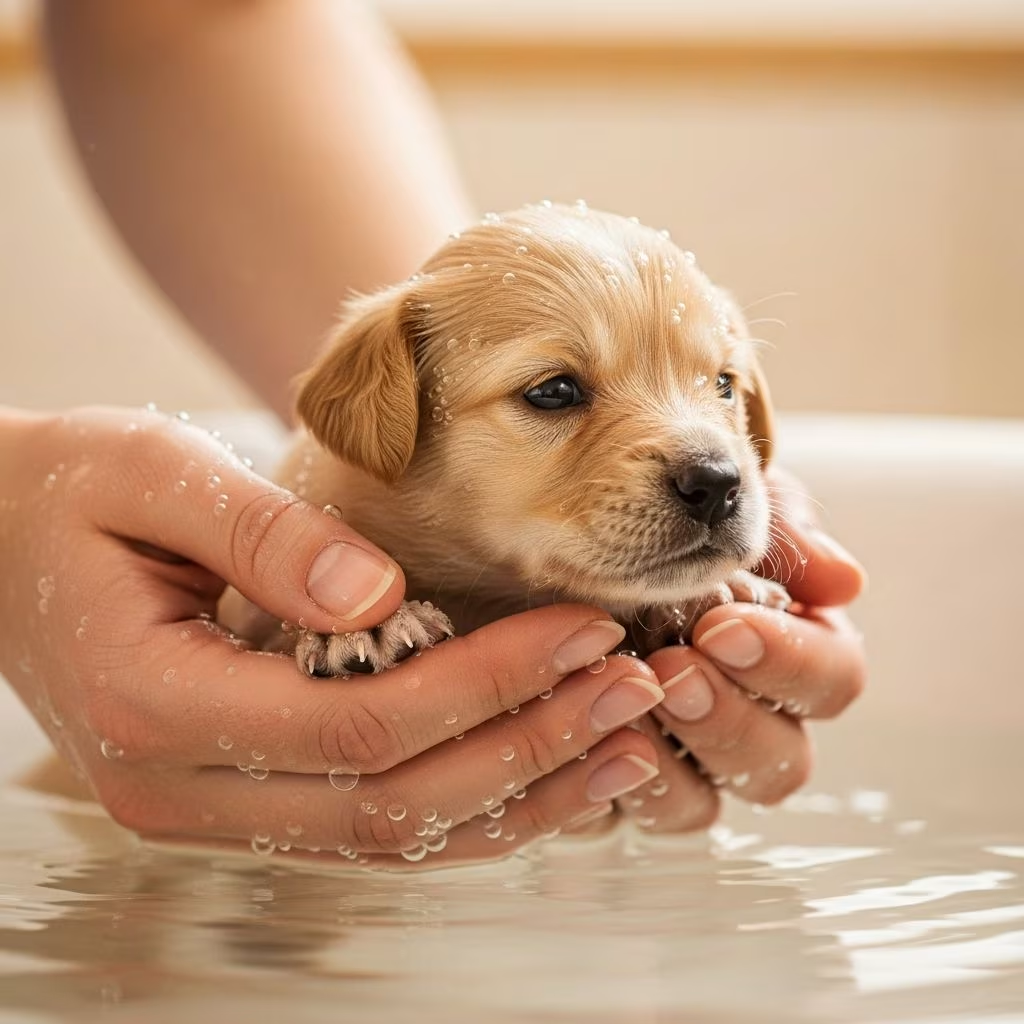
Newborn puppies, especially those just two weeks old, are incredibly vulnerable, and giving them a full bath poses significant risks like hypothermia due to their inability to regulate body temperature effectively. Instead, opt for gentle spot cleaning or sponge baths using warm, damp cloths to maintain hygiene without endangering their health.
When Can You Bathe a Newborn Puppy?
Newborn puppies typically do not require baths because their mother provides natural cleaning through licking, which also stimulates them to urinate and defecate. At this tender age, their primary needs are eating, sleeping, and staying warm in a controlled environment with their littermates and dam.
Puppies lack a fully developed thermoregulatory system until around four weeks of age, making them highly susceptible to hypothermia if wet. Exposure to cold can impair their ability to nurse, digest milk, and fight infections. Full immersion baths are not recommended until at least eight weeks old, when they can better tolerate water and drying processes.
In rare cases of severe soiling, such as rolling in litter waste, minimal cleaning is permissible but must prioritize warmth. Mother dogs handle most hygiene, so human intervention should be a last resort.
Sponge-Bathing Your Puppy
If spot cleaning isn’t sufficient and a sponge bath becomes necessary, prepare meticulously to minimize stress and cold exposure. Select a warm room, ideally draft-free, with an ambient temperature of 85-90°F (29-32°C) suitable for newborns.
Step-by-Step Guide to Sponge Bathing:
- Gather supplies: Soft washcloths, multiple warm dry towels (freshly laundered and warmed), and optionally a pet-safe warmer if advised by a vet. Avoid all soaps, shampoos, or baby products as they irritate delicate newborn skin.
- Dampen—not saturate—a washcloth with lukewarm water (test on your wrist; it should feel comfortably warm, around 100°F or 38°C).
- Gently wipe from head to tail, using light massaging motions to clean soiled areas. Protect eyes, ears, nose, and mouth from water to prevent irritation or aspiration.
- Immediately pat dry with a warm towel, changing towels as they become damp. Ensure the puppy is completely dry before returning to the dam and litter.
- Provide post-bath warmth: Use a heating pad under half the bedding (never direct contact) to allow the puppy to self-regulate by moving away if too hot.
This method mimics the mother’s grooming while keeping the puppy safe. Videos from experienced breeders demonstrate supporting the puppy’s head, protecting ears with fingers, and maintaining steady warm water flow to avoid temperature shocks.
Puppy Bath Health and Safety Considerations
Bathing newborn puppies requires balancing cleanliness with life-threatening risks. Hypothermia remains the primary concern, but other factors like stress, infection, and improper drying can harm fragile pups.
Protect the Eyes and Ears
At two weeks, puppies’ eyes are just opening, and ears are developing. Avoid getting water near these areas to prevent infections or discomfort. Use a cloth barrier or careful wiping motions.
Protect the Nose and Mouth
Newborns lack strong reflexes to clear water from airways. Aspiration can lead to pneumonia, a potentially fatal complication. Keep the face dry and monitor breathing closely.
Recognize the Signs of Distress
Monitor for failure-to-thrive indicators during and after cleaning:
- Lethargy or weakness
- Loss of interest in nursing
- Inability to latch or suckle effectively
- Constant crying or vocalization
- Pale or blue gums
If observed, stop immediately, warm the puppy, and consult a veterinarian.
Be Sure to Keep Them Warm
Wet fur accelerates heat loss. Use warmed environments, towels, and indirect heating. Puppies’ higher body temperature tolerance means wrist-tested water feels ideal to them.
Avoid Overdoing It with Heat Support
Excessive heat causes burns or dehydration. Heating pads must have bedding layers; never use hot air dryers, as they stress and overheat pups.
What About Fleas or Other Hygiene Issues?
Fleas on newborns demand veterinary intervention, not home baths. Flea shampoos and treatments are unsafe for puppies under specific ages or weights, often prohibiting use before eight weeks. Vets recommend safe options for the dam, litter, and environment to break the cycle.
Other red flags requiring professional care include:
- Persistent diarrhea
- Poor appetite or nursing refusal
- Skin issues like bumps, scabs, or infections
- Maternal neglect or abandonment
Orphans or hand-reared pups may need more frequent cleaning but always under vet guidance.
General Puppy Bathing Timeline
| Age | Recommended Cleaning Method | Key Precautions |
|---|---|---|
| 0-2 weeks | Mother’s licking or minimal spot clean with dry/warm damp cloth | Avoid water; prioritize warmth |
| 2-4 weeks | Spot or sponge bath if soiled | No submersion; dry immediately |
| 4-8 weeks | Light baths possible with vet approval | Lukewarm water, no products until 3-4 months |
| 8+ weeks | Full baths okay | Use puppy shampoo; thorough drying |
This timeline ensures puppies develop resilience before routine grooming.
Frequently Asked Questions (FAQs)
Can I use baby shampoo on a 2-week-old puppy?
No, even mild baby shampoos are too harsh for their sensitive skin. Stick to plain warm water.
How often should I clean a newborn puppy?
Only when necessary; let the mother handle daily hygiene to avoid stress and cold exposure.
What if my puppy gets poop on them?
Wipe gently with a warm damp cloth, avoiding the umbilical area if not fully healed. Return to mom quickly.
Is a hairdryer safe for drying puppies?
No, the heat and noise can cause distress and burns. Use towels only.
When can I start regular baths?
Wait until 8 weeks or as advised by your vet, starting with lukewarm water and no soap.
Maintaining hygiene for 2-week-old puppies focuses on minimal, safe interventions. Always prioritize warmth, gentleness, and veterinary advice to support healthy development. By following these guidelines, you help your newborn thrive without unnecessary risks.
References
- Can You Give a 2-Week-Old Puppy a Bath? — Kinship. 2023. https://www.kinship.com/dog-health/can-you-give-a-2-week-old-puppy-a-bath
- How To Bathe 2 Week Old Puppies — YouTube (Breeder demonstration). 2022-10-01. https://www.youtube.com/watch?v=yZDZN6s38tI
- How to Clean a 2 Week Old Puppy — WagWalking. 2023. https://wagwalking.com/grooming/clean-a-2-week-old-puppy
- How Early Can I Give My Puppy A Bath? — YouTube (Puppy care tips). 2023. https://www.youtube.com/watch?v=KaQUMwzRhSI
- Bathing Your Puppy: A Step-by-Step Guide — American Kennel Club (AKC). 2024-01-15. https://www.akc.org/expert-advice/health/bathing-your-puppy-step-by-step-guide/



