

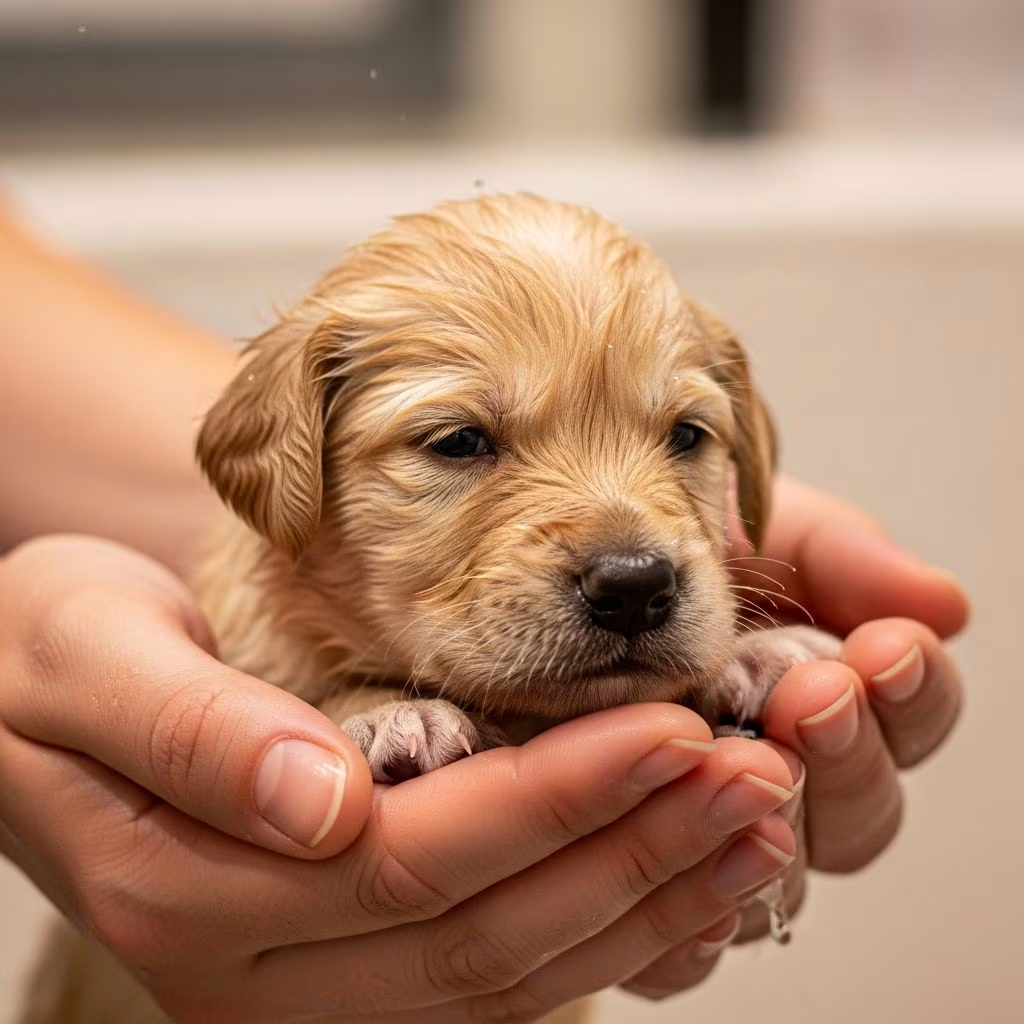
Newborn puppies, especially those just two weeks old, are incredibly vulnerable due to their inability to regulate body temperature, making full baths highly risky and generally not recommended. Instead, opt for gentle spot cleaning or sponge baths using warm, damp cloths to maintain hygiene without causing hypothermia or stress.
When Can You Bathe a Newborn Puppy?
Newborn puppies typically do not require baths because their mother provides natural cleaning through licking, which also stimulates elimination since they can’t potty independently at this stage. At two weeks old, puppies produce minimal mess, focusing primarily on eating, sleeping, and staying warm.
Puppies lack a fully developed thermoregulatory system until around **four weeks of age**, rendering them highly susceptible to hypothermia from cold exposure during wetting. Hypothermia impairs nursing, digestion, and increases infection risk, as they depend on their mother, littermates, and a warm environment (ideally 85-90°F or 29-32°C for newborns).
Full immersion baths should be delayed until at least **eight weeks old**, when puppies are weaned, more mobile, and better able to handle temperature changes. Even then, start with lukewarm water and no soap. Many puppies won’t need a full bath until several months old.
- Mother’s role: Licking keeps them clean and stimulates urination/defecation.
- Age milestones: Eyes/ears open around 2 weeks; thermoregulation improves by 4 weeks; full baths safe post-8 weeks.
- Exceptions: Only clean if severely soiled, using non-submersion methods.
Sponge-Bathing Your Puppy
If a two-week-old puppy is excessively soiled from rolling in litter waste or other messes, a sponge bath is the safest alternative to full bathing. Prepare a warm room (draft-free, 85°F+), soft washcloths, multiple warm towels (freshly dried for extra warmth), and no soap unless vet-directed—puppy skin is too sensitive for even baby shampoos.
- Prepare supplies: Run warm water (wrist-test comfortable, not hot), dampen cloth without saturating.
- Gently wipe: From head to tail, massaging softly to clean fur. Avoid eyes, ears, nose, mouth.
- Dry thoroughly: Pat dry with warm towels, changing as they dampen. Ensure completely dry before returning to mom.
- Post-bath warmth: Use a heating pad under half the bedding (with layers in between to prevent burns), allowing puppy to move away if too warm.
Video demonstrations show breeders using similar techniques: steady warm water flow, protecting ears with fingers, and quick drying to minimize stress. Some administer dewormers pre-bath for farm litters, but consult a vet first.
Puppy Bath Health and Safety Considerations
Bathing newborn puppies requires balancing cleanliness against risks like hypothermia, aspiration, and stress. Always prioritize minimal intervention and veterinary guidance for issues beyond light soiling.
Protect the Eyes and Ears
At two weeks, eyes are just opening (fully by 10-14 days), and ear canals are developing. Avoid water entry, which can cause infections. Use cloth gently around these areas without direct rinsing.
Protect the Nose and Mouth
Puppies lack sneeze/cough reflexes to clear airways. Water aspiration leads to pneumonia. Keep head elevated slightly and avoid pouring water near face.
Recognize the Signs of Distress
Bathing can overwhelm fragile puppies. Monitor for failure-to-thrive indicators, stopping immediately if seen:
- Lethargy or weakness
- No interest in nursing
- Inability to latch/suckle
- Constant crying/vocalization
- Pale or blue gums
- Cold to touch or shivering
If distress appears, warm the puppy and contact a vet promptly.
Be Sure to Keep Them Warm
Wet fur accelerates heat loss. Use room heat, warm towels, and indirect heating pads. Never use hairdryers (too hot/noisy) or direct pad contact.
Avoid Overdoing It with Heat Support
Excessive heat causes hyperthermia or burns. Half-covered heating pads let puppies self-regulate. Ideal whelping box: 85-90°F first week, dropping 5°F weekly.
Special Hygiene Issues: Fleas and More
Don’t attempt flea baths on two-week-olds—products are unsafe under certain weights/ages. Contact your vet for litter-safe treatments protecting mom and home. Other red flags needing professional care:
- Constant diarrhea
- Poor appetite/refusal to eat
- Skin infections (bumps, scabs, redness)
- Maternal neglect (no cleaning/stimulation)
For umbilical remnants (heals by 1-3 weeks), spot clean dry if soiled, avoiding baths until closed.
| Issue | Safe Home Action (2 Weeks Old) | When to Call Vet |
|---|---|---|
| Fleas | Avoid baths/shampoos | Immediately for safe treatment |
| Heavy Soiling | Spot/sponge bath only | If persists or with other symptoms |
| Umbilical Dirt | Dry cloth wipe | Infection signs (swelling, pus) |
| Diarrhea | Monitor | Constant or dehydration |
Frequently Asked Questions (FAQs)
Can I use baby shampoo on a 2-week-old puppy?
No, even mild human products irritate delicate newborn skin. Stick to warm water only unless vet approves puppy-specific formula.
How often should I clean a newborn puppy?
Rarely—let mom handle. Spot clean only if necessary, no more than once weekly max to avoid stress.
What temperature should water be for puppy sponge bath?
Lukewarm, comfortable on your wrist (about 100°F/38°C). Test frequently as it cools.
Is it okay to submerge a 2-week-old puppy?
Absolutely not—risks hypothermia and drowning. Spot clean above water line.
What if my puppy gets cold after cleaning?
Wrap in warm towels, use safe heat source, monitor temp. If gums pale/shivering, seek vet care.
Long-Term Puppy Grooming Transition
As puppies grow, introduce grooming gradually. By 3-4 months, use mild puppy shampoos with lukewarm baths every 4-6 weeks, brushing weekly to prevent mats. Always positive reinforcement to build tolerance.
Early handling fosters calm adults, but overbathing newborns disrupts natural oils and microbiome. Prioritize warmth, dryness, and mom reunification post-cleaning.
References
- Can You Give a 2-Week-Old Puppy a Bath? — Kinship. 2023. https://www.kinship.com/dog-health/can-you-give-a-2-week-old-puppy-a-bath
- How To Bathe 2 Week Old Puppies — YouTube (Breeder demonstration). 2022-10-01. https://www.youtube.com/watch?v=yZDZN6s38tI
- How to Clean a 2 Week Old Puppy — WagWalking. 2023. https://wagwalking.com/grooming/clean-a-2-week-old-puppy
- Bathing Your Puppy: A Step-by-Step Guide — American Kennel Club (AKC). 2024-05-15. https://www.akc.org/expert-advice/health/bathing-your-puppy-step-by-step-guide/



