

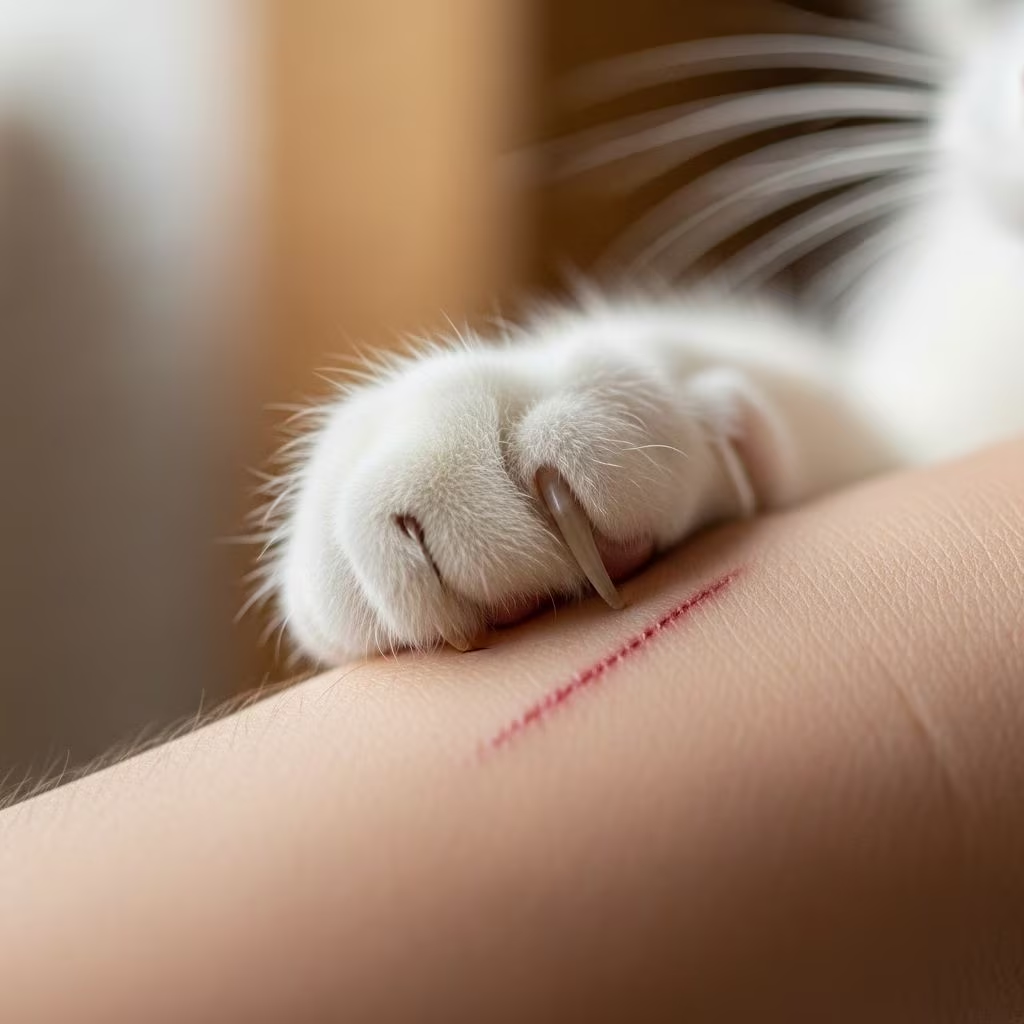
Cat scratch fever, also known as cat scratch disease (CSD), is a bacterial infection caused by Bartonella henselae that humans can contract from cats through scratches, bites, or licks on open wounds. While most cases resolve without treatment, it poses greater risks to children, immunocompromised individuals, and those with severe symptoms.
What Is Cat Scratch Fever?
Cat scratch fever is a zoonotic infection, meaning it transmits from animals to humans. The primary culprit is the bacterium Bartonella henselae, a fastidious, intracellular, gram-negative rod that primarily affects lymph nodes near the inoculation site. First described over 50 years ago, it was definitively linked to B. henselae through advanced techniques like electron microscopy and Warthin-Starry silver staining.
In humans, symptoms typically include regional lymphadenopathy (swollen lymph nodes), fever, and malaise following a cutaneous lesion from a cat scratch or bite. Kittens and stray cats are common carriers, with 30-40% harboring the bacteria asymptomatically. Cats acquire it from flea bites, carrying the bacteria in their saliva, claws, or fur.
Causes of Cat Scratch Fever
The infection spreads when an infected cat scratches, bites, or licks an open wound. Fleas play a central role: they bite cats, contract B. henselae, and shed it in their feces (flea dirt), which cats ingest while grooming and transfer via claws. Other transmission routes include:
- Cat scratches or bites introducing bacteria into the skin.
- Licks on open wounds.
- Rarely, flea exposure directly or cat blood transfusions in veterinary settings.
Cats of any age can carry it, but kittens, community cats, and those with weakened immunity (e.g., FeLV-positive) are most affected and symptomatic. Stray cats have higher infection rates due to flea exposure.
Symptoms of Cat Scratch Fever in Humans
Symptoms appear 3-10 days post-exposure and include:
- A red bump, sore, or blister at the scratch/bite site (lasts 1-3 weeks, sometimes months).
- Low-grade fever (<102°F).
- Headache, fatigue, poor appetite.
- Swollen, tender lymph nodes near the injury (e.g., armpit for arm scratches), lasting 1-4 months with skin discoloration.
Atypical symptoms in severe cases (especially immunocompromised): neuroretinitis, encephalopathy, hepatosplenic lesions, osteomyelitis, or spread to liver, spleen, heart valves. Children under 5 and immunocompromised adults face higher complication risks.
Symptoms in Cats
Most cats are asymptomatic carriers, but symptomatic cases show:
- Swollen lymph nodes.
- Lethargy.
- Reduced appetite.
Kittens and immunocompromised cats are prone to illness.
Diagnosis
Diagnosis combines history (cat exposure), symptoms, and tests:
- Physical exam for papule and lymphadenopathy.
- Blood tests: serology for B. henselae antibodies; elevated WBC if infected.
- PCR on lymph node aspirate or tissue.
- Bacterial culture (special labs).
- Lymph node aspirate cytology under microscope.
In cats: blood work, PCR, lymph node aspirate.
Treatment for Humans
Most cases self-resolve in weeks to months without antibiotics. Symptom relief includes:
- NSAIDs like ibuprofen or naproxen for fever/pain.
- Hot compresses on nodes.
- Node drainage if severely swollen.
Antibiotics (e.g., azithromycin) for immunocompromised, complications, or persistent symptoms. Avoid if uncomplicated.
Treatment for Cats
Asymptomatic cats need no treatment. Symptomatic or high-risk cats receive 4-6 weeks antibiotics (doxycycline, enrofloxacin). Pair with flea preventives (e.g., Bravecto, Revolution) to prevent reinfection.
Prevention
Key strategies:
- Flea control: Use vet-recommended preventives; keep cats indoors.
- Hygiene: Wash scratches/bites with soap/water immediately.
- Avoid stray/feral cats; trim kitten nails.
- Immunocompromised: extra caution, gloves if handling cats.
| Risk Group | Prevention Tips |
|---|---|
| General Public | Flea control, indoor cats, nail trims |
| Children <5 | Supervise play, immediate wound cleaning |
| Immunocompromised | Avoid scratches, consider no kittens |
Who Is at Risk?
Children/teens, kitten owners, immunocompromised (HIV, chemo), and those with heavy flea exposure.
Frequently Asked Questions (FAQs)
Q: Can you get cat scratch fever from any cat?
A: No, only from infected cats (30-40% of kittens/strays carry B. henselae). Pet cats with flea control are lower risk.
Q: Is cat scratch fever serious?
A: Usually mild and self-limiting, but complications possible in young children or immunocompromised.
Q: Do cats need treatment for cat scratch fever?
A: Only if symptomatic; focus on fleas.
Q: How long do symptoms last?
A: Papule 1-3 weeks, nodes 1-4 months.
Q: Can it spread person-to-person?
A: No, only cat-to-human.
References
- Cat-Scratch Fever: Causes, Symptoms, Diagnosis, & Treatment — WebMD. 2023. https://www.webmd.com/skin-problems-and-treatments/cat-scratch-fever
- Cat Scratch Fever in Cats: What Is It and How Is It Treated? — PetMD. 2024. https://www.petmd.com/cat/conditions/infectious-parasitic/cat-scratch-fever-cats-what-it-and-how-it-treated
- Cat Scratch Fever: Causes, Symptoms & Treatment — VCA Animal Hospitals. 2023. https://vcahospitals.com/pediatric/kitten/health-wellness/cat-scratch-fever
- Cat Scratch Fever: Causes, Symptoms & Treatment — Cleveland Clinic. 2024. https://my.clevelandclinic.org/health/diseases/23537-cat-scratch-fever
- Cat Scratch Disease — St. Louis Children’s Hospital. 2023. https://www.stlouischildrens.org/conditions-treatments/cat-scratch-disease
- Cat Scratch Disease — NCBI StatPearls. 2023-10-01. https://www.ncbi.nlm.nih.gov/books/NBK482139/



