

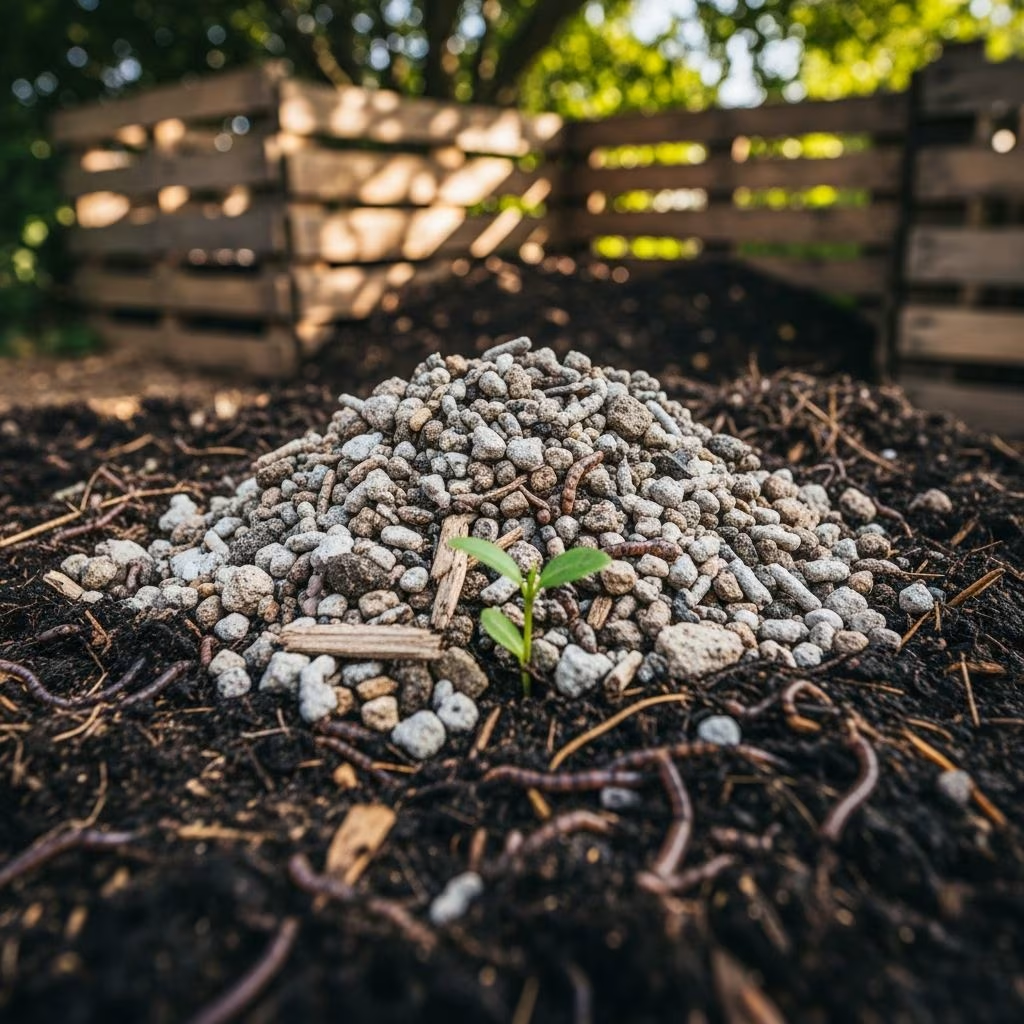
Composting cat litter is possible but requires caution due to potential pathogens in feline waste. Only use biodegradable litters in dedicated systems, avoiding use on edible plants, to ensure safety and environmental benefits.
Quick Answer: Can You Compost Cat Litter?
Yes, you can compost certain types of cat litter, but not all. Biodegradable options like wood pellets, corn, wheat, or paper-based litters work best in a separate pet waste compost bin. Remove solid feces if possible, and never apply the finished compost to food crops due to risks from bacteria and parasites like Toxoplasma gondii.
Why Consider Composting Cat Litter?
Composting cat litter reduces landfill waste, cuts plastic bag use, and creates nutrient-rich soil amendments for non-edible plants. Traditional clay litters contribute to landfill methane emissions, while biodegradable alternatives break down naturally, lowering your pet’s carbon pawprint.
- Diverts waste from landfills, where 80% of U.S. buried items could be composted or recycled.
- Produces free organic fertilizer for flowers, trees, or houseplants.
- Prevents contaminants like E. coli, ammonia, and nitrates from entering waterways.
Health and Safety Risks of Composting Cat Litter
Cat feces can harbor dangerous pathogens, making improper composting hazardous. Toxoplasmosis, a parasite from cats, poses risks to pregnant people, immunocompromised individuals, and via contaminated soil to edible crops.
- Toxoplasmosis: Transmissible through feces; requires high-heat composting (over 145°F) for safety.
- Bacteria like E. coli and Salmonella: Survive in low-oxygen environments; aerobic composting mitigates this.
- Recommendation: Compost for at least 18 months; test readiness by smell and texture.
Health authorities advise against composting carnivore waste for edible gardens. Use finished compost only on ornamentals.
Which Types of Cat Litter Can Be Composted?
Not all litters are compostable. Choose plant- or wood-based for biodegradability; avoid clay, silica, or crystal types that harm soil structure and release toxins.
| Litter Type | Compostable? | Pros | Cons |
|---|---|---|---|
| Clay/Sand/Crystalline | No | Good clumping | Non-biodegradable, soil-damaging |
| Wood Pellets/Pine | Yes | Absorbent, low dust, sustainable | May need dedicated bin |
| Corn/Wheat | Yes (litter only) | Clumps well, odor control | Remove feces first |
| Paper/Recycled | Yes | Lightweight, eco-friendly | Less absorbent for multi-cat homes |
| Tofu/Grass/Coconut | Yes | Biodegradable, lightweight | Availability varies |
Opt for litters with eco-labels like OK Compost or EN 13432 for verified decomposability.
How to Compost Cat Litter: Step-by-Step Guide
Use a dedicated bin for pet waste to avoid cross-contamination. Aerobic decomposition requires oxygen, heat, and time.
- Select a bin: Pre-made pet waste composters or DIY with wire mesh for drainage.
- Prepare litter: Scoop solids into trash or biodegradable bags; add clean clumps to bin.
- Layer materials: Alternate litter with carbon-rich “browns” like straw, leaves, or sawdust (3:1 ratio).
- Aerate regularly: Turn every 2-4 weeks with a shovel or pitchfork; add earthworms to speed breakdown.
- Monitor conditions: Aim for 145°F+; moist but not soggy. Compost 12-18+ months.
- Finish and use: Black, earthy-smelling product ready for trees, flowers, or mulch—not veggies.
For ökocat or similar litters, compost litter sans feces in regular heaps with turning.
Best Practices for Safe Cat Litter Composting
- Wear gloves; wash hands after handling.
- Keep bin away from play areas, gardens, and water sources.
- Multi-cat households: Scale bin size; aerate more frequently.
- Climate matters: Hotter areas decompose faster; cover in rain.
- Earthworms or activators accelerate process but verify pet-safe.
Alternatives to Composting Cat Litter
If composting isn’t feasible, try these eco-options:
- Biodegradable bags: Cornstarch or plant-based for trash.
- Municipal pet waste programs: Check local facilities.
- Litter boxes with separators: Urine to drain, solids to compost separately.
- Reduce waste: Larger boxes, less frequent changes with natural litters.
Avoid flushing: Clogs sewers and pollutes waters.
Common Mistakes to Avoid When Composting Cat Litter
- Using on edibles: Risk of pathogen transfer.
- Skipping solids removal: Slows process, heightens risks.
- Inadequate turning: Leads to anaerobic methane production.
- Wrong litter: Clay ruins compost.
- Rushing maturity: Wait 18 months minimum.
Benefits of Composted Cat Litter for Your Garden
Mature compost adds loaminess, nutrients, and minerals. Superior to garden soil in cleanliness post-process.
- Mulch for trees/shrubs.
- Boost perennials with nitrates.
- Starter for other piles.
- Houseplants or neighbor gifts.
Frequently Asked Questions (FAQs)
Can I compost clay cat litter?
No, clay litters are non-biodegradable and can toxify soil.
Is it safe to use composted cat litter on vegetables?
No, due to pathogen risks like toxoplasmosis; limit to ornamentals.
How long does cat litter compost take?
At least 18 months for safety; longer in cooler climates.
Can I add cat urine to compost?
Yes, with absorbent litter; high nitrogen aids breakdown.
What if my cat has worms or illness?
Do not compost; dispose in trash to avoid spreading parasites.
Are there commercial pet waste composters?
Yes, designed for hot, fast breakdown over 145°F.
Switching to sustainable practices benefits pets and planet. Always prioritize safety with dedicated systems and verified litters.
References
- How to Compost Your Cat’s Litter — Crazy About Compost. Accessed 2026. https://crazyaboutcompost.com/how-to-compost-your-cats-litter-article/
- Reduce Your Waste – How to Compost ökocat Natural Litter — Healthy Pet. Accessed 2026. https://www.healthy-pet.com/blogs/blog/reduce-your-waste-how-to-compost-okocat-litter
- Eco-Friendly Cat Waste Management — Petmate Academy. Accessed 2026. https://www.petmate.com/blogs/petmate-academy/eco-friendly-cat-waste-management
- Cat Litter and the Environment: Choosing Wisely and Disposing Responsibly — Eco Servants Project. Accessed 2026. https://ecoservantsproject.org/cat-litter-and-the-environment-choosing-wisely-and-disposing-responsibly/
- Why Cat Poop Matters: From Litter Box to Landscape — Companion Animals NZ. Accessed 2026. https://www.companionanimals.nz/articles/why-cat-poop-matters-from-litter-box-to-landscape



