

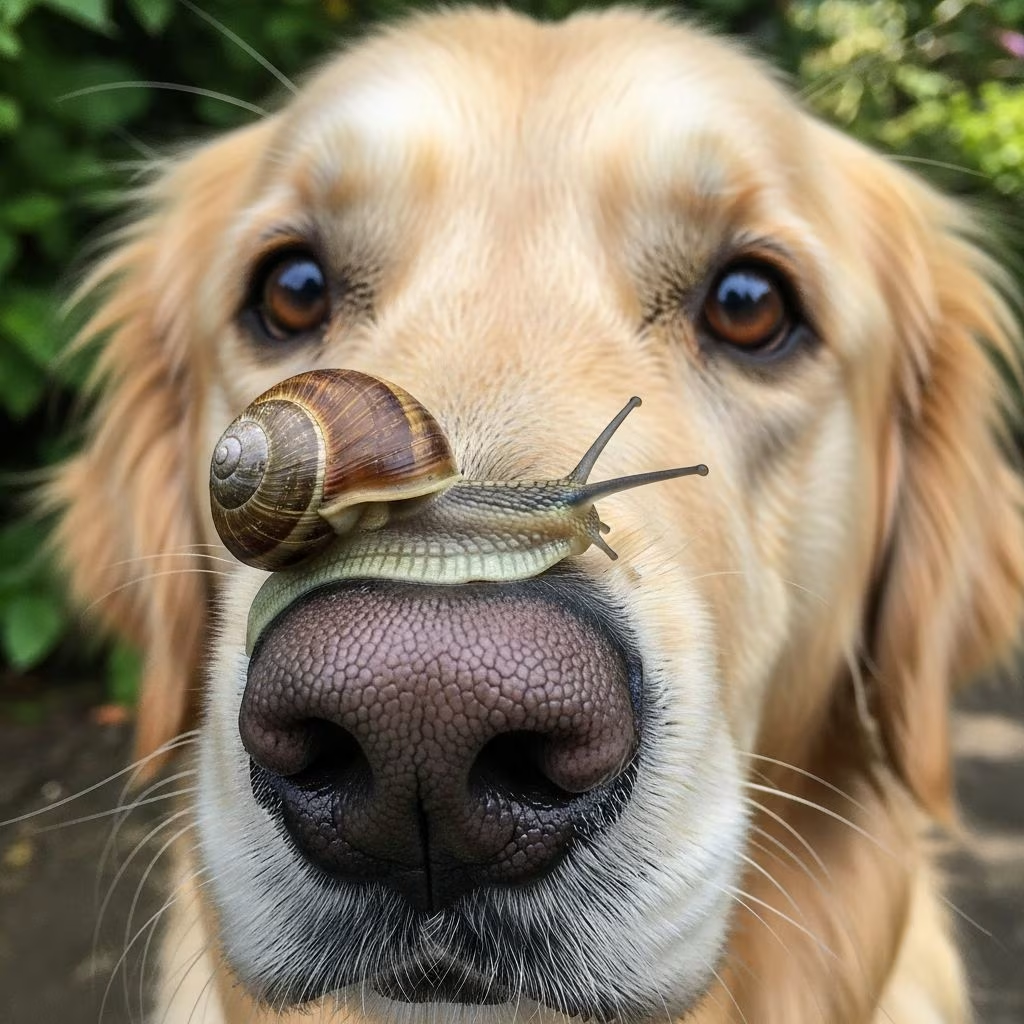
Snails and slugs may seem harmless in gardens, but they present significant health threats to dogs primarily through parasitic infections rather than direct toxicity. While the creatures themselves are not poisonous, they often serve as carriers for dangerous lungworms, and associated garden pesticides amplify the risks. Understanding these dangers empowers pet owners to protect their dogs effectively.
Understanding the Primary Risks from Garden Mollusks
Garden snails and slugs thrive in moist environments, making them common in yards during rainy seasons. Dogs, driven by curiosity or boredom, may sniff, lick, or consume these slow-moving critters. The main concern stems from lungworm parasites, specifically Angiostrongylus vasorum, which reside in the mollusks’ tissues.
These parasites do not make the snail toxic in a chemical sense, but ingestion allows larvae to penetrate the dog’s intestinal wall, migrating to the lungs and heart. This lifecycle can lead to blockages in blood vessels, impairing breathing and clotting functions. Even minimal exposure, like licking slime trails, carries a risk, though lower than full ingestion.
- Larvae travel from intestines to pulmonary arteries.
- Adult worms mature, causing inflammation and clots.
- Infection spreads indirectly via prey like frogs or rodents that consumed infected snails.
Distinguishing Snail Risks from Slug Dangers
Slugs, lacking shells, pose identical parasitic threats and often appear alongside snails after rain. Both can harbor lungworm eggs or larvae, with infection rates varying by region. In areas with high moisture, such as the UK or Pacific Northwest, prevalence increases, heightening exposure odds for outdoor dogs.
| Feature | Snail | Slug |
|---|---|---|
| Appearance | Coiled shell | No shell, elongated body |
| Parasite Risk | High (lungworm carrier) | High (same parasites) |
| Ingestion Likelihood | Often whole | Partial or slime |
| Habitat | Vegetation, pots | Ground, mulch |
This comparison highlights why vigilance applies to both; prevention strategies overlap completely.
Symptoms of Lungworm Infection in Canines
Lungworm symptoms emerge gradually, often 4-6 weeks post-exposure, complicating early detection. Initial signs mimic common ailments, delaying diagnosis. Watch for persistent coughing, exercise intolerance, and lethargy as early indicators.
Advanced stages reveal bleeding tendencies: blood in urine, stool, or vomit; pale gums; and weight loss. Severe cases involve seizures, collapse, or respiratory distress, signaling vascular blockages. Puppies and young dogs face amplified risks due to immature immunity.
- Mild: Coughing, reduced stamina.
- Moderate: Nosebleeds, bruising, potbelly.
- Severe: Seizures, breathing failure—emergency required.
The Deadly Threat of Snail Bait Poisons
Beyond parasites, snail baits containing metaldehyde or iron phosphate represent acute poisoning hazards. These pellets, scattered for pest control, attract dogs with sweet flavors or colors. Metaldehyde targets the nervous system, inducing symptoms within 1-2 hours.
Ingestion triggers hyperactivity, tremors, drooling, and hyperthermia. Untreated, it progresses to seizures, coma, or death within 12 hours. Even trace amounts prove lethal for small breeds. Iron phosphate variants cause gastrointestinal ulcers and organ failure, though slower-acting.
Store baits securely and opt for pet-safe alternatives like beer traps or copper barriers to mitigate this risk.
Immediate Actions if Your Dog Encounters a Snail
Discovery of snail ingestion demands prompt response. Rinse the mouth gently with water if possible, avoiding force. Contact your veterinarian immediately for lungworm assessment, even sans symptoms—preventives like milbemycin or moxidectin may suffice.
For suspected bait poisoning, induce vomiting only under vet guidance (using hydrogen peroxide for recent cases). Rush to an emergency clinic; treatments include decontamination, IV fluids, anti-seizure meds, and cooling protocols.
- Assess exposure: Whole snail? Bait nearby?
- Call vet or poison hotline (e.g., ASPCA at 888-426-4435).
- Monitor vitals: Temperature, breathing, alertness.
- Provide sample if bait involved.
Proven Prevention Tactics for Outdoor Dogs
Proactive measures reduce encounters significantly. Maintain yards by clearing debris, using gravel borders, and elevating pots. Train with commands like “leave it,” rewarding compliance with high-value treats. Daily lungworm preventives, administered monthly, offer robust protection.
Inspect toys, bowls, and trails post-rain. Discourage pica (non-food eating) through enrichment: puzzle feeders, scent games. Fence off gardens during peak snail activity (dusk/dawn).
- Monthly dewormers covering Angiostrongylus.
- Garden audits: Remove hiding spots.
- Supervision during walks in wet areas.
Regional Variations and Prevalence Data
Lungworm incidence rises in temperate, wet climates. European studies report 5-10% infection rates in untreated dogs, with fatalities in 20% of severe cases sans intervention. U.S. hotspots include coastal regions; consult local vets for tailored advice.
Bait poisonings peak in spring/fall gardening seasons, comprising 10% of pet tox calls per ASPCA data. Awareness campaigns in Australia and New Zealand emphasize dual threats.
Diagnostic and Treatment Approaches
Vets confirm lungworm via fecal Baermann tests, detecting larvae, or bloodwork for antibodies. Treatments combine anthelmintics (fenbendazole), supportive care (oxygen, bronchodilators), and clotting agents. Recovery spans weeks; follow-ups ensure clearance.
Bait cases require blood tests for metaldehyde levels, lipid therapy for toxin binding, and diazepam for tremors. Prognosis excels with <2-hour intervention—90% survival.
FAQs on Snail-Related Dog Health Risks
Q: Can one snail cause lungworm?
A: Yes, even a single infected snail transmits sufficient larvae for infection.
Q: Are all snails carriers?
A: No, but many are; risk correlates with local prevalence.
Q: What if my dog licks snail slime?
A: Lower risk, but monitor and discuss preventives with vet.
Q: Safe garden pest controls?
A: Diatomaceous earth, nematodes—vet-approved non-toxics.
Q: Breeds most at risk?
A: Hunters, scavengers like Labs, Terriers; all curious pups.
Long-Term Health Monitoring
Post-exposure, schedule quarterly fecal exams. Integrate lungworm into routine wellness. Nutrition bolsters immunity: omega-3s, antioxidants. Behavioral training curbs exploratory eating, fostering lifelong habits.
Pet insurance often covers parasite treatments; review policies. Community education via local shelters amplifies awareness.
References
- Are Snails Poisonous to Dogs? Vet-Approved Health & Safety Facts — Dogster. 2023-10-15. https://www.dogster.com/dog-health-care/are-snails-poisonous-to-dogs
- Why are slugs and snails a danger to dogs? — Pooch and Mutt. 2024-05-20. https://www.poochandmutt.co.uk/blogs/lifestyle/why-are-slugs-and-snails-a-danger-to-dogs
- Snail Bait Poisoning in Dogs: Emergency Guide & Critical Steps — GSVS. 2024-08-12. https://gsvs.org/blog/snail-bait-poisoning-dogs-emergency/
- Snail Danger: Keep your Kids and Dogs Safe — Turramurra Vet. 2023-11-05. https://www.turramurravet.com.au/vet-articles/snail-danger-kids-dogs-safe/
- Garden Snails and Slugs Pose Life-Threatening Risk — Emergency Vet. 2024-03-18. https://www.emergencyvet.com.au/for-vets-and-nurses/resource-centre/pet-parent-education-hub/garden-snails-and-slugs-pose-life-threatening-risk-to-dogs-and-humans.html



