

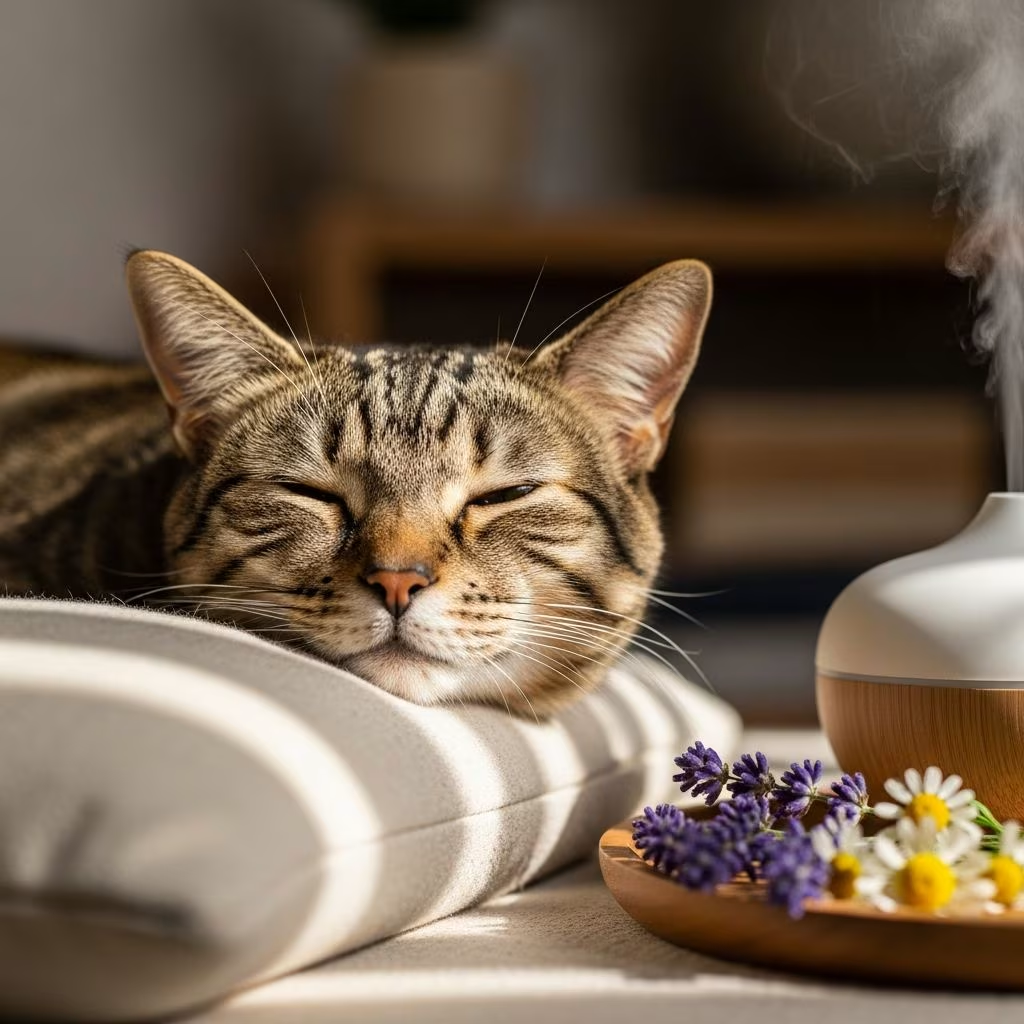
Cats experience stress from changes in routine, new environments, or loud noises, manifesting as hiding, aggression, or excessive vocalization. Certain scents can activate their olfactory system—equipped with up to 80 million receptors—to promote relaxation by mimicking comforting signals. Research highlights owner scents, synthetic pheromones, and plant-based attractants as promising tools for calming felines without pharmaceuticals.
The Power of a Cat’s Nose in Stress Management
Cats rely heavily on smell for communication and emotional regulation. Their vomeronasal organ detects pheromones, influencing behavior via the limbic system linked to emotions. Studies show olfactory enrichment reduces stress markers, with cats preferring familiar human scents over food or catnip in attachment tests. This preference underscores how interspecies bonds provide security, especially for indoor cats dependent on owners.
Environmental stressors like vet visits or moves disrupt scent profiles, heightening anxiety. Introducing targeted aromas restores familiarity, potentially lowering cortisol levels and encouraging restful behaviors. However, responses vary by individual sensitivity and genetics, with some cats habituating to scents over time.
Familiar Human Scents: A Natural Comfort Source
Cats often seek solace in their owner’s odor, viewing humans as primary attachment figures. Oregon State University research found cats interact more calmly with owner-scented items than unfamiliar smells. Products like Kitty Comfort Spray extract human molecular scents via patented technology, blending them with essential oils for targeted anxiety relief before events like thunderstorms or separations.
To DIY this effect, place unwashed clothing in a cat’s space. Benefits include reduced vocalizing and increased affiliation behaviors. Limitations: Effects may wane in novel settings like clinics, requiring combined strategies.
Synthetic Pheromones: Mimicking Feline Signals
Feline facial pheromone (F3) analogs, found in products like Feliway, replicate cheek-rubbing scents marking safe territories. Multiple studies confirm reductions in urine marking, scratching, and aggression. A long-lasting gel diffuser showed sustained calming in multi-cat homes, decreasing inter-cat conflicts.
Table comparing pheromone applications:
| Product Type | Key Benefits | Supported Behaviors Reduced | Evidence Strength |
|---|---|---|---|
| Diffuser | Continuous release | Scratching, hissing | Strong (multiple RCTs) |
| Spray | Spot treatment | Marking, anxiety | Moderate |
| Collar | Portable | Travel stress | Emerging |
Critics note inconsistent replication in some trials, urging rigorous controls. Pairing with catnip enhances efficacy by boosting scent deposition.
Plant Extracts and Natural Attractants
Catnip (Nepeta cataria) affects 70-80% of cats via nepetalactone, initially exciting then calming. Shelter studies showed catnip-scented cloths increased sleep and reduced activity, aiding stress adaptation. Silver vine offers similar effects for non-responders.
- Valerian root: Induces euphoria-like relaxation without hyperactivity.
- Pet Remedy: Blend of valerian, chamomile, and sage; Friedman tests confirmed fewer stress interactions vs. controls.
- Lavender: Limited feline benefits, unlike in humans; minimal impact in enrichment trials.
Pet Remedy’s spray elicited calming in observational studies, with cats spending less time in alert postures. Use sparingly to avoid overstimulation.
Aromatherapy Options: Safe Essential Oils for Cats
Therapeutic oils like roman chamomile and geranium appear in vet-formulated sprays, showing promise when diluted. Human-favorite lavender underperforms in cats, possibly due to species-specific olfactory processing.
Safety guidelines:
- Dilute heavily; cats lack glucuronidase for metabolizing phenols.
- Avoid tea tree, eucalyptus—toxic via skin absorption.
- Test small areas; monitor for drooling or hiding.
Evidence favors blended formulas over single oils for balanced responses.
Practical Applications for Everyday Stress Relief
Veterinary Visits: Spray carrier with F3 analog or owner scent 15 minutes prior; reduces handling resistance.
Travel and Boarding: Infuse bedding with calming spray; catnip toys distract during transit.
Home Introductions: Multi-cat tensions ease with shared pheromone diffusers, promoting affiliation rubbing.
Senior Cats: Cognitive decline amplifies anxiety; consistent scents maintain routine familiarity.
Combine with environmental tweaks: vertical spaces, play sessions amplify olfactory benefits.
Understanding Individual Variations in Scent Response
Not all cats react identically; genetics dictate catnip sensitivity, while age influences pheromone efficacy—kittens respond best to maternal analogs. Neutered males show stronger marking reductions.
Habituation risks: Rotate scents biweekly. Track via behavior logs: baseline stress scores vs. post-application.
Potential Risks and When to Seek Professional Help
Overuse may desensitize; adverse reactions like vomiting signal allergies. Consult vets for persistent issues—scents complement, not replace, behavioral therapy or meds.
Table of red flags:
| Symptom | Possible Cause | Action |
|---|---|---|
| Excessive panting | Toxicity | Vet immediately |
| No response | Habituation | Switch products |
| Increased aggression | Wrong scent | Discontinue |
Combining Scents with Other Calming Techniques
Holistic approaches yield best results: pheromone diffusers + puzzle feeders reduce clinic stress 40% more than scents alone. Music therapy or wraps pair well with owner-scent bedding.
FAQs
Do cat pheromone diffusers really work?
Yes, evidence supports reduced stress behaviors in controlled studies, though results vary.
Is catnip safe for daily use?
Moderate use is safe; sessions under 15 minutes prevent tolerance.
Can I make my own calming spray?
Use owner-worn fabric; avoid undiluted oils due to toxicity risks.
How long do effects last?
Pheromones: 24-48 hours; plant scents: 1-2 hours, reapply as needed.
What if my cat ignores scents?
Try alternatives like silver vine or consult for underlying health issues.
References
- Kitty Scent Spray uses owners’ scent to relieve cat anxiety — dvm360. 2023. https://www.dvm360.com/view/kitty-scent-spray-uses-owners-scent-to-relieve-cat-anxiety
- Calming effect of Pet Remedy in domestic cats (felis catus) — PetVet Biomed (PDF). 2020. https://www.petvetbiomed.com/html5/web/10200/38790ImageFile3.pdf
- Dealing With Stress in Cats: What Is New About the Olfactory Strategy? — PMC (NCBI). 2022-07-28. https://pmc.ncbi.nlm.nih.gov/articles/PMC9334771/
- Tools for managing feline problem behaviors: Pheromone therapy — PMC (NCBI). 2024. https://pmc.ncbi.nlm.nih.gov/articles/PMC11343345/
- Cats and human emotions: A stronger bond than we thought? — Noldus. 2023. https://noldus.com/blog/cats-react-to-human-emotional-scents
- A long-lasting gel-based diffuser of feline pheromone can help… — Frontiers in Veterinary Science. 2024. https://www.frontiersin.org/journals/veterinary-science/articles/10.3389/fvets.2024.1445108/full
- Do Cat Pheromone Diffusers Actually Work? — Molekule. 2023. https://molekule.com/blogs/all/do-cat-pheromone-diffusers-actually-work



