

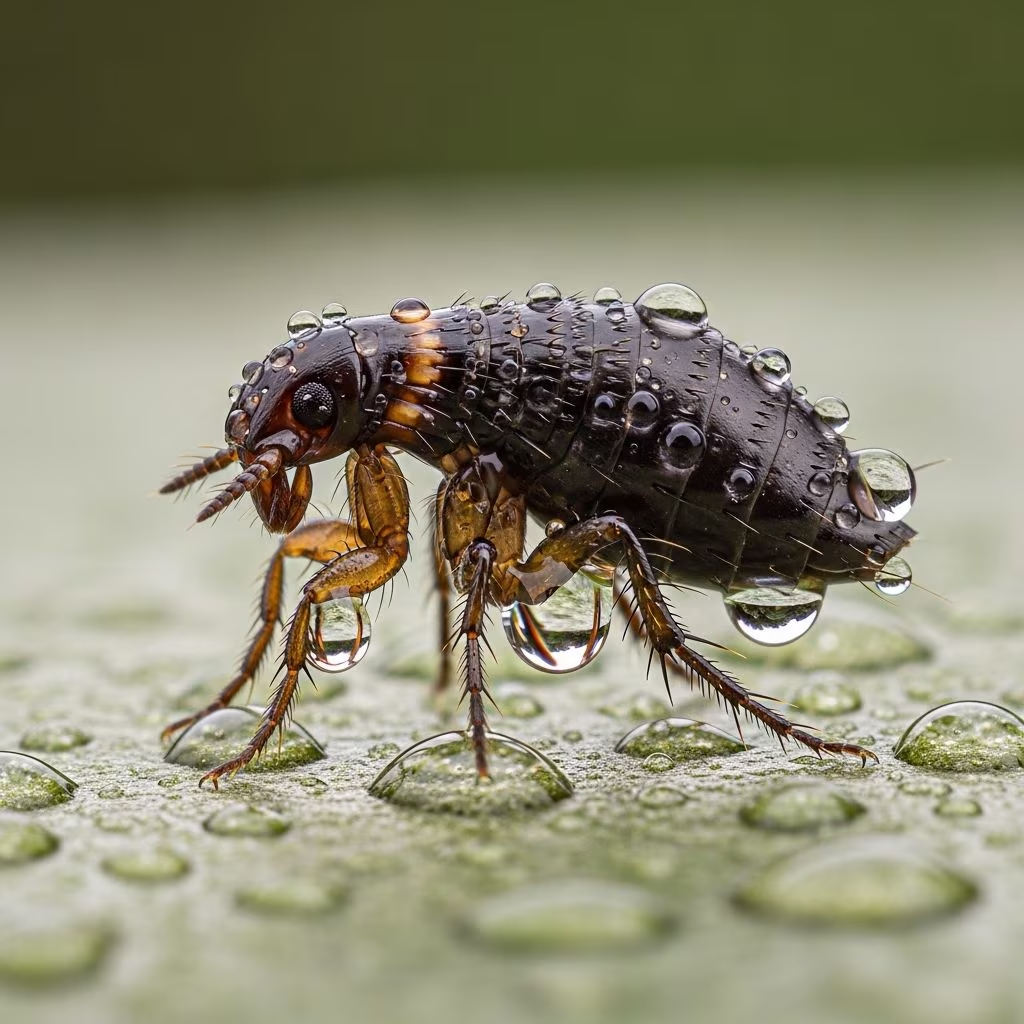
Rainfall does not reliably kill fleas and often enhances their proliferation by increasing environmental humidity, though heavy downpours can destroy some eggs and larvae under specific conditions.
The Dual Nature of Rain on Flea Populations
Precipitation creates a paradoxical environment for fleas. While excessive water can physically disrupt immature fleas, the resulting moisture typically aligns with their optimal survival conditions. Fleas, particularly the cat flea (Ctenocephalides felis), flourish in warm, humid settings where relative humidity stays between 70-90%. Light to moderate rain elevates soil and air moisture, aiding larval development and adult activity. However, torrential rains exceeding soil saturation points—around 20-22% moisture—may lead to drowning or displacement of vulnerable stages.
Pet owners in rainy regions frequently observe flea surges post-rainfall, as sheltered microhabitats like shaded soil or leaf litter protect fleas from direct deluge while benefiting from heightened humidity. This underscores why relying solely on weather for control proves ineffective; proactive measures remain essential.
Understanding the Flea Lifecycle and Rain Sensitivity
Fleas undergo complete metamorphosis: egg, larva, pupa, and adult. Each phase reacts differently to water exposure, with juveniles far more susceptible than resilient adults.
Egg Stage Vulnerabilities
Flea eggs, tiny and adhesive, often dislodge from hosts into soil or carpets. Heavy rain can wash them away or submerge them, preventing hatching. Yet, eggs laid in protected areas—under decks, in dense vegetation, or indoors—evade this fate. Hatching requires 75-90% humidity, which rain readily supplies without total destruction.
Larval Development Amid Moisture
Larvae feed on adult flea feces (flea dirt) and absorb atmospheric water vapor. Optimal growth occurs at 72-92% relative humidity (RH), where they thrive and pupate faster. Rain dissolves flea dirt, potentially starving larvae, and mechanical force from downpours crushes or relocates them. Saturated soils (over 22% moisture) form surface water films that drown many, while fungal overgrowth at 95-100% RH proves lethal. Sandy soils, common in flea hotspots, retain moisture evenly, buffering against extremes and promoting survival.
- Low RH (<50-60%): Larvae desiccate rapidly.
- Ideal RH (72-92%): Accelerated growth to larger adults.
- Extreme RH (>95%): Fungal mortality.
Pupal Resilience and Adult Hardiness
The pupal stage encases in a silk cocoon, impervious to water and chemicals, emerging when sensing hosts via vibration or CO2. Adults withstand submersion for hours, seeking elevated dry spots or hosts during floods. Their mobility ensures rain rarely impacts established populations significantly.
Regional and Seasonal Variations in Flea Outbreaks
Studies reveal inconsistent rainfall-flea correlations, highlighting local factors like soil type, temperature, and host density. In Spain, dog and human fleas declined with higher rain, but cat fleas showed no link. Mexican surveys found no seasonal rainfall-flea prevalence tie, while Iranian data linked wetter areas to higher infestations.
Humid summers often precede booms, as warmth (above 70°F) pairs with moisture for rapid cycles—females lay 40-50 eggs daily. Dry heat suppresses numbers, but post-rain rebounds are common in temperate zones. Wildlife activity in rainy seasons amplifies spread via taller grass and outdoor pet time.
| Region/Study | Rainfall Effect on Fleas | Key Factor |
|---|---|---|
| Spain (C. canis) | Negative correlation | Heavy rain washes immatures |
| Iran | Positive correlation | Humidity boosts breeding |
| Mexico | No correlation | Other variables dominate |
| Sandy Soils (Global) | Positive | Moisture retention |
Health Risks Amplified by Rainy Conditions
Flea infestations escalate in wet weather, posing risks beyond itching. Cat and dog allergies manifest as miliary dermatitis—crusty lesions at tails (dogs) or necks (cats). Heavy burdens cause flea allergy dermatitis (FAD), anemia in kittens/puppies, and transmit tapeworms via ingestion. Rare but severe: murine typhus or plague in endemic areas.
Indoor-outdoor cats in rainy climates face heightened exposure, as eggs track inside on paws. Warm, humid homes mimic outdoor ideals, perpetuating cycles year-round.
Effective Flea Management in Wet Climates
Since rain aids fleas, integrated pest management (IPM) is crucial. Target all life stages environmentally and pharmacologically.
Environmental Controls
- Mow lawns short; remove leaf litter and debris to expose soil to sun/rain.
- Vacuum daily (dispose bags outside) to remove 95% of eggs/larvae.
- Wash pet bedding weekly in hot water (>140°F).
- Reduce humidity indoors with dehumidifiers/AC below 50% RH.
Topical and Oral Preventatives
Veterinarian-approved products like fipronil, imidacloprid, or isoxazolines (e.g., fluralaner) kill adults and disrupt juveniles. Monthly applications maintain protection through rain, as most are water-resistant. Avoid natural remedies lacking efficacy data; pyrethrins offer short-term knockdown but miss eggs.
Yard Treatments
Insect growth regulators (IGRs) like methoprene inhibit maturation. Apply to shaded yards post-rain, targeting hotspots. Nematodes (beneficial worms) devour larvae in moist soils.
FAQs on Rain and Flea Control
Does light rain kill fleas?
No, light rain increases humidity, benefiting fleas while rarely harming sheltered stages.
Can I skip flea meds during dry spells?
No—pupae survive dryness, emerging post-rain to infest. Year-round prevention is advised in mild climates.
How long do fleas survive flooding?
Adults endure submersion days; immatures perish faster in saturation.
Are indoor fleas affected by outdoor rain?
Indirectly—pets transport eggs/larvae inside, where home humidity sustains them.
What’s the best flea prevention for rainy areas?
Combine monthly topicals/orals, rigorous cleaning, and yard maintenance for 100% lifecycle coverage.
Rain’s role in flea dynamics demands vigilant, multifaceted prevention over passive reliance on weather. By addressing vulnerabilities at every stage, pet owners safeguard health amid any forecast.
References
- Does Rain Kill Fleas? Vet Reviewed Effectiveness & Safety Explained — Catster. 2023. https://www.catster.com/cat-health-care/does-rain-kill-fleas/
- Does rain kill fleas? — FleaScience. 2023. https://fleascience.com/flea-encyclopedia/flea-infestations/does-rain-kill-fleas/
- Does Rain Kill Fleas? Vet-Approved Safety & Effectiveness Tips — Hepper. 2023. https://articles.hepper.com/does-rain-kill-fleas/
- Fleas thrive in the rain — Wise & Wonderful Vet. 2023. https://www.wiseandwonderful.vet/blog/fleas-thrive-in-the-rain
- How Does The Weather Affect Fleas And Ticks? — 4PawsVH. 2023. https://4pawsvh.com/how-does-the-weather-affect-fleas-and-ticks/
- Fleas — University of Maine Cooperative Extension (.edu). 2020. https://extension.umaine.edu/ipm/ipddl/publications/5020e/



