

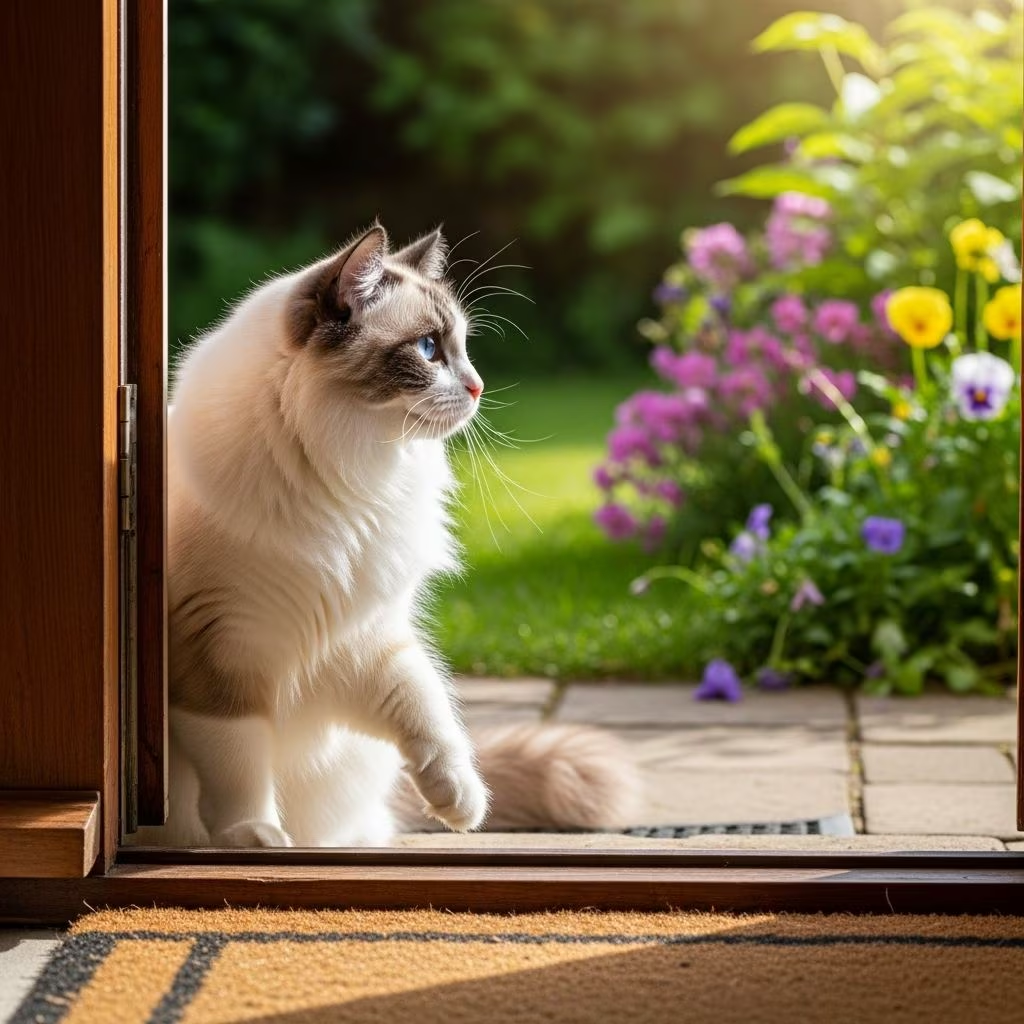
Ragdoll cats, known for their striking blue eyes, semi-long fur, and affectionate “dog-like” personalities, are generally best kept as indoor pets due to their trusting nature and vulnerability to outdoor hazards. While they may show curiosity about the world beyond the window, allowing unsupervised outdoor access poses significant risks that outweigh potential benefits for this breed.
Quick Answer: Should Ragdoll Cats Go Outside?
In short, no, Ragdoll cats should not go outside unsupervised. Their laid-back demeanor, lack of street smarts, and physical traits make them easy targets for dangers like traffic, predators, parasites, and toxins. Indoor living promotes a longer, healthier life, with alternatives like catios or harness walks providing safe outdoor stimulation.
Understanding the Ragdoll Breed
Ragdolls originated in the 1960s in California, bred for their docile temperament and tendency to go limp when held—hence the name “Ragdoll.” These large cats (typically 10-20 pounds) feature plush coats, colorpoint patterns, and vibrant blue eyes. According to breed standards from organizations like The International Cat Association (TICA), Ragdolls are among the most people-oriented felines, thriving on human interaction and family life.
Their personality is puppy-like: friendly with strangers, tolerant of children, and non-aggressive toward other pets. However, this gentleness translates to poor survival instincts outdoors. Ragdolls lack the wariness of feral or street cats, making them ill-equipped for independent exploration.
- Gentle and trusting: They approach dangers without caution.
- Large size but slow: Less agile for escaping threats.
- Thick coat: Prone to matting, parasites, and overheating.
Why Ragdoll Cats Should Stay Indoors: Key Risks
Multiple breed-specific factors make outdoor roaming hazardous for Ragdolls. Here’s a breakdown of the primary dangers, supported by expert insights from breeders and veterinary guidelines.
Ragdolls Aren’t Street-Smart
Ragdolls have minimal survival instincts, easily becoming disoriented in unfamiliar areas. Without prior exposure, they panic near traffic or open spaces, wandering into roads oblivious to vehicles. Their trusting nature prevents them from avoiding strangers or territorial animals.
- Prone to getting lost due to poor navigation.
- No fear of cars, dogs, or aggressive cats.
- Breeders note they “forget where home is” quickly.
Sensitive Stomachs and Dietary Risks
Despite their robust appearance, Ragdolls suffer from delicate digestive systems. Outdoor scavenging leads to upsets from ingesting inappropriate foods.
- Mice, birds, insects, or garbage cause vomiting/diarrhea.
- Grass, plants, or slugs trigger gastrointestinal distress.
- Controlled indoor diets prevent these issues.
Veterinarians recommend sticking to high-quality commercial foods to avoid flare-ups common in this breed.
Parasites and Infestations
Indoor Ragdolls enjoy parasite-free environments, but outdoors exposes them to fleas, ticks, lice, mites, and worms. Their long fur harbors pests easily, leading to secondary issues.
| Parasite | Risks for Ragdolls | Treatment Needs |
|---|---|---|
| Fleas/Ticks | Allergy dermatitis, fever, anemia | Topicals, environmental decontamination |
| Lice/Mites (Mange) | Skin irritation, hairballs, over-grooming | Medicated baths, vet-prescribed dips |
| Heartworm | Heart/lung damage | Preventives essential; higher risk outdoors |
The Companion Animal Parasite Council emphasizes outdoor access heightens these threats significantly.
Vulnerable to Predators and Fights
Though large, Ragdolls are “wimps” in confrontations—their floppy relaxation response hinders defense. Dogs, foxes, coyotes, or feral cats pose mortal dangers, with Ragdolls often coming off second-best.
Health Conditions Exacerbated by Outdoors
Ragdolls are prone to hypertrophic cardiomyopathy (HCM), a heart condition worsened by stress. Thick coats increase heat exhaustion risk, while light points and eyes suffer sun damage. Respiratory infections and toxins (e.g., antifreeze, rodenticides) add further perils.
Safe Alternatives to Free Roaming
Deny outdoor access doesn’t mean denying stimulation. Enrich your Ragdoll’s indoor world and provide supervised outdoor options.
Build an Enriching Indoor Environment
- Window perches: For “bird TV” watching—elevated spots with views.
- Play sessions: Toys, lasers, lures for boisterous fun (note: expect some chaos!).
- Vertical space: Cat trees, shelves for climbing.
- Puzzle feeders: Mental stimulation mimicking hunting.
- Pheromone diffusers: Reduce anxiety from cabin fever.
Catio: The Ultimate Safe Outdoor Space
A catio (cat patio) is an enclosed enclosure allowing fresh air, sunshine, and wildlife viewing without escape risks. Options range from DIY window boxes to multi-level structures.
- Secure mesh prevents predators/escapes.
- Plants, shelves, tunnels for exploration.
- Ideal for Ragdolls’ curious yet safe enjoyment.
Harness Training for Walks
Many Ragdolls adapt to leashes/harnesses for supervised outings. Start slow indoors.
- Use escape-proof gear.
- Avoid hot sidewalks (use booties for hikes).
- Steer clear of traffic, toxins, wildlife.
- Short sessions build confidence.
Supervised Garden Time
If your yard is secure (high fences, no gaps), allow leashed or watched garden play. Retrieve escapees with food/treats promptly—panicked Rags hide poorly.
Pros and Cons of Outdoor Access for Ragdolls
| Pros | Cons |
|---|---|
| Natural exercise, hunting instinct | High injury/death risk from cars/predators |
| Fresh air, vitamin D | Parasites, diseases, toxins |
| Mental stimulation | Stress exacerbating HCM/heart issues |
| Supervised options available | Coat matting, digestive upsets |
Cons overwhelmingly dominate for this breed.
Frequently Asked Questions (FAQs)
Can Ragdoll kittens go outside?
No, keep kittens strictly indoors until spayed/neutered (around 4-6 months) and fully vetted. Early exposure risks even higher.
What if my Ragdoll begs at the door?
Redirect with play, perches, or treats. Use deterrents like double doors; curiosity fades with enrichment.
Are Ragdolls happier outdoors?
Not necessarily—their affectionate nature prioritizes human company over territory. Indoor Rags live 12-17 years vs. shorter outdoor lifespans.
How do I transition an adopted outdoor Ragdoll to indoors?
Gradual: More play, catio intro, vet check for parasites. Patience yields a content pet.
Do all breeders agree on indoor-only?
Most do for safety, though some allow supervised access in rural, low-risk areas. Prioritize your cat’s environment.
Final Thoughts for Ragdoll Owners
Protecting your Ragdoll means embracing their indoor-loving essence. With creative enrichment, they flourish without ever needing the streets. Consult your vet for personalized advice, and invest in safety gear for any outdoor forays. Your gentle giant will thank you with endless cuddles.
References
- Can Ragdoll Cats Go Outside? — Untamed. 2023. https://untamed.com/blogs/cat-breeds/can-ragdoll-cats-go-outside
- Why Aren’t Ragdolls Allowed Outside? — Posh Raggies. 2023. https://poshraggies.com/blog/why-arent-ragdolls-allowed-outside/
- Can Ragdoll Cats Go Outside? — Riverside Rags. 2023. https://riversiderags.com/can-ragdoll-cats-go-outside/
- Should Ragdoll Cats Go Outside? A Complete Safety Guide — Wise Acres Ragdolls / Companion Animal Parasite Council. 2023. https://wiseacresragdolls.com/should-ragdoll-cats-go-outside/
- Why You Should Never Let a Ragdoll Go Outside — Gold Royal Dream. 2023. https://goldroyaldream.com/f/why-you-should-never-let-a-ragdoll-go-outside



