Can Rabbits Swim? Safety Guide for Pet Owners
Learn whether rabbits can swim and discover essential safety tips for your pet bunny.
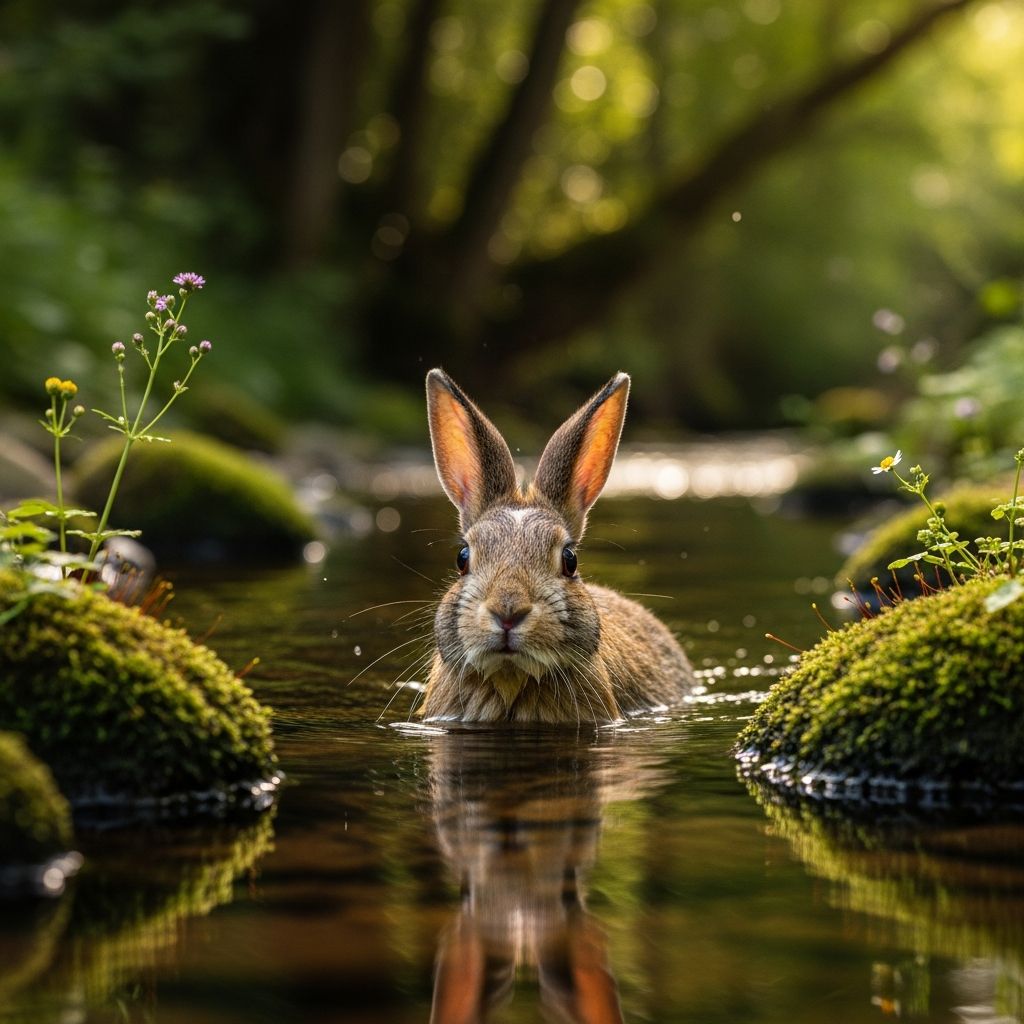
Can Rabbits Swim? A Comprehensive Guide for Pet Owners
Many pet rabbit owners wonder whether their fluffy companions can swim. The short answer is yes – rabbits do have the physical ability to swim. However, this technical capability doesn’t mean that swimming is safe, beneficial, or recommended for domestic rabbits. Understanding the distinction between what rabbits can do and what they should do is crucial for responsible pet ownership. In this guide, we’ll explore rabbit swimming abilities, examine the significant risks involved, and provide you with practical alternatives to keep your bunny healthy and entertained.
Do Rabbits Have the Ability to Swim?
Yes, rabbits possess the biological ability to swim. Like most mammals, rabbits can stay afloat and propel themselves through water using instinctive paddling movements. Their strong hind legs, which make them excellent hoppers on land, also serve as powerful swimmers’ tools. Additionally, rabbits have some natural buoyancy due to their lightweight bodies, which helps them remain afloat for extended periods.
In their natural environments, particularly for wild rabbit species like swamp rabbits and marsh rabbits, swimming serves as a critical survival mechanism. These rabbits can navigate through wetland habitats and use water as an escape route when threatened by predators. The ability to swim has been essential to the survival of certain wild rabbit species for thousands of years, representing an important evolutionary adaptation.
The Critical Difference: Wild Rabbits vs. Domestic Rabbits
While wild rabbits have adapted to aquatic environments, domestic rabbits are fundamentally different creatures. The key distinction lies not just in physical adaptation, but in temperament, stress responses, and physiological differences that make water inherently dangerous for pet bunnies.
Wild Rabbit Species and Water
Certain wild rabbit species have evolved specifically to thrive in wetland environments. Marsh rabbits, found primarily in the southeastern United States, are exceptional swimmers that frequently navigate through water to evade predators and travel through their habitat. Similarly, swamp rabbits have adapted to life in wet, marshy environments and can swim effectively when necessary. However, it’s important to note that even these water-adapted species swim primarily for survival, not for recreation or enjoyment.
Domestic Rabbit Physiology and Behavior
Domestic rabbits lack the evolutionary adaptations of their wild cousins. All domestic rabbits share similar fur structure and body composition that makes them poorly suited for aquatic environments. Their dense undercoat absorbs water like a sponge, creating significant challenges for movement and temperature regulation. Unlike certain wild species, domestic rabbits have no instinctive drive or need to enter water voluntarily, and they actively avoid it when possible.
Why Swimming Is Dangerous for Pet Rabbits
Swimming poses multiple serious health and safety risks for domestic rabbits. Understanding these dangers is essential for protecting your beloved pet from potentially life-threatening situations.
Hypothermia and Temperature Drop
One of the most significant dangers of swimming for domestic rabbits is the risk of hypothermia. Rabbit fur is incredibly dense and dries very slowly. When a rabbit becomes wet, their body temperature can drop rapidly, especially in cool or drafty environments. Even a brief dip in a tub or small pond can cause dangerous chills or lead to respiratory illness. Rabbits have delicate respiratory systems, and exposure to cold water can trigger serious complications that require veterinary intervention.
Water-Logged Fur and Physical Exhaustion
A rabbit’s undercoat becomes saturated with water much like a sponge absorbing liquid. This water-logged fur weighs the rabbit down considerably, making it extremely difficult and exhausting to move, let alone swim. The rabbit experiences a sensation similar to wearing heavy, soaking wet clothes – an uncomfortable and stressful situation that quickly leads to panic and exhaustion.
Drowning Risk and Panic Response
When rabbits panic in water – which they typically do – they may bite, scratch, and claw at anything nearby as they desperately attempt to reach safety. In this state of extreme fear and confusion, rabbits can easily become overwhelmed by water and drown. Even if a rabbit doesn’t drown, the experience can cause severe trauma with lasting psychological effects. The panic response itself can be life-threatening, as extreme stress can lead to shock or even heart attack in these sensitive animals.
Water in Ears and Respiratory Tract
Water entering a rabbit’s ears during swimming can cause serious infections and complications. Additionally, water in the lungs creates risk of pneumonia and other respiratory infections. These conditions require immediate veterinary care and can develop into chronic health issues.
Chemical Exposure
If your rabbit were to enter a swimming pool, they would be exposed to chlorine and other chemical disinfectants. These chemicals can irritate a rabbit’s sensitive eyes and cause significant discomfort. More concerning, repeated or prolonged exposure to chlorine can lead to sinus problems and asthma in rabbits, creating chronic health conditions that affect quality of life.
The Psychological Impact of Forced Swimming
Beyond the physical dangers, the psychological stress of water exposure can be severe. The intense cold combined with the sensation of being vulnerable and exposed can overwhelm a rabbit’s system. Many rabbit behaviorists and veterinarians argue that forcing a rabbit into water constitutes animal cruelty due to the extreme distress and potential for fatal shock. Videos of swimming rabbits that circulate online often misrepresent what the rabbit is experiencing – what appears to be calm floating is actually the rabbit’s survival response, not contentment or enjoyment.
Swimming Safety by Rabbit Type
| Rabbit Type | Swimming Tendency | Risk Level | Safe for Pets? |
|---|---|---|---|
| Swamp Rabbit (Wild) | High – Survival adaptation | Low (in natural habitat) | No – Do not attempt |
| Marsh Rabbit (Wild) | High – Survival adaptation | Low (in natural habitat) | No – Do not attempt |
| Domestic Rabbit | Low – No instinct to swim | Very High | No – Strictly avoid |
| Pet Indoor Rabbit | None – Avoids water | Critical | No – Never force into water |
The Reality Behind Swimming Rabbit Videos
You may have encountered viral videos showing rabbits apparently swimming peacefully or even appearing to enjoy water. It’s important to understand what’s actually happening in these situations. A rabbit that appears calm while swimming is not experiencing enjoyment – it’s demonstrating survival behavior. The rabbit recognizes that it can float and paddle, and it’s focused entirely on reaching safety. Rabbits don’t have expressive facial features that clearly communicate distress to human observers, so a serene-looking rabbit may actually be terrified.
Some anecdotal evidence suggests that certain rabbits might voluntarily approach water to cool off on extremely hot days or to ease arthritic pain. If a rabbit chooses to wade in shallow water voluntarily, some experts suggest allowing this self-directed behavior rather than forcing the rabbit away. However, this is quite different from actively introducing your rabbit to swimming activities or creating situations where swimming might occur.
Safer Alternatives for Cooling and Enrichment
If your primary concern is keeping your rabbit cool during warm weather, or if you want to provide enrichment activities, there are many safer alternatives to swimming:
Cooling Methods
During hot weather, provide your rabbit with cool tile or stone surfaces to rest on, adequate shade, and plenty of fresh water for drinking. You can also offer frozen water bottles wrapped in towels for your rabbit to rest against. Ensure proper ventilation in your rabbit’s living space and consider using air conditioning during extreme heat.
Water-Based Enrichment (Safe Options)
Instead of swimming, offer shallow water for your rabbit to splash in with their paws if they show interest. Provide water-based toys, such as water fountains designed for rabbits, which they can interact with at their own pace. Some rabbits enjoy digging in wet sand or soil in a controlled environment, which provides sensory enrichment without the dangers of swimming.
Exercise and Mental Stimulation
Rabbits need regular exercise and mental enrichment. Provide a spacious, secure outdoor run or a large indoor play area where your rabbit can hop, run, and explore. Offer toys, tunnels, and platforms to climb. Hide treats around their environment to encourage foraging behavior, which is both mentally stimulating and physically active.
What to Do If Your Rabbit Gets Wet
If your rabbit accidentally gets wet, it’s important to act quickly but calmly. Gently wrap your rabbit in soft, dry towels to prevent heat loss. Use a gentle patting motion rather than rubbing, as vigorous rubbing can stress your already-frightened pet. If your rabbit has been in water for more than a few seconds or appears distressed, contact your veterinarian immediately. Watch for signs of hypothermia, including shivering, lethargy, or unusual behavior.
FAQ: Common Questions About Rabbits and Swimming
Q: Can certain breeds of rabbits swim better than others?
A: All domestic rabbit breeds share similar fur structure and body composition that makes them poorly suited for water. Even rabbits raised in warmer climates don’t adapt well to aquatic environments. Breed makes no significant difference in water safety for pet rabbits.
Q: Do rabbits enjoy swimming?
A: No. Most domestic rabbits actively avoid water and find swimming extremely stressful. While some rabbits might voluntarily wade in shallow water in specific circumstances, this is different from swimming. Rabbits have no instinctive drive to swim for enjoyment – they swim only for survival when threatened.
Q: What if my rabbit seems curious about water?
A: Curiosity about water is not the same as enjoyment of it. If your rabbit shows interest in a shallow water dish or a small splash, you can allow supervised, voluntary interaction with minimal water. However, never force your rabbit into deeper water or assume that curiosity indicates a desire to swim.
Q: Can swimming help with rabbit health or fitness?
A: While swimming can theoretically provide exercise, the stress and risks far outweigh any potential benefits for domestic rabbits. There are much safer ways to provide exercise and maintain your rabbit’s fitness through hopping, running, and playing in secure environments.
Q: Do rabbits have webbed feet that help them swim?
A: Yes, rabbits do have webbed feet, but these are primarily adapted for running and hopping on land, not for swimming. The webbing provides some assistance in water but doesn’t make swimming safe or appropriate for domestic rabbits.
Q: What should I do if my rabbit accidentally falls into water?
A: Retrieve your rabbit immediately and gently dry them with soft towels. Wrap them in dry materials to prevent heat loss and contact your veterinarian right away to ensure your rabbit doesn’t develop hypothermia or respiratory complications from the incident.
Conclusion: Keep Your Rabbit Safe and Dry
While it’s true that rabbits can technically swim, this ability should never be used as justification for introducing your pet to water. The risks – from hypothermia and respiratory illness to drowning and severe psychological trauma – are simply too great. Domestic rabbits lack the evolutionary adaptations of their wild cousins and have no instinctive need or desire to swim. Your responsibility as a pet owner is to protect your rabbit from situations that cause fear and danger, even if they might seem amusing or harmless to humans.
Focus instead on providing your rabbit with safe exercise opportunities, proper temperature control, mental enrichment, and a secure living environment. By understanding the real dangers of swimming and the stress it causes, you can make informed decisions that prioritize your rabbit’s physical and psychological wellbeing. Your bunny will be happier, healthier, and safer when kept away from water.
References
- Can Rabbits Swim? Facts and Safety Advice — Everbreed. 2024. https://everbreed.com/blog/can-rabbits-swim/
- Can Rabbits Swim? — Animal Fact Guide. https://animalfactguide.com/can-rabbits-swim/
- Can Rabbits Swim? – Omlet Blog UK — Omlet. 2020-08-10. https://blog.omlet.co.uk/2020/08/10/can-rabbits-swim/
- Can Rabbits Swim? A Safe Bunny Swim Guide — Animal Hearted. https://www.animalhearted.com/blogs/rabbits/can-rabbits-swim
Similar Articles








Read full bio of Sneha Tete