Can Rabbits Eat Watermelon? A Complete Pet Owner’s Guide
Learn whether watermelon is safe for rabbits, how much to feed, and nutritional benefits and risks.
Can Rabbits Eat Watermelon?
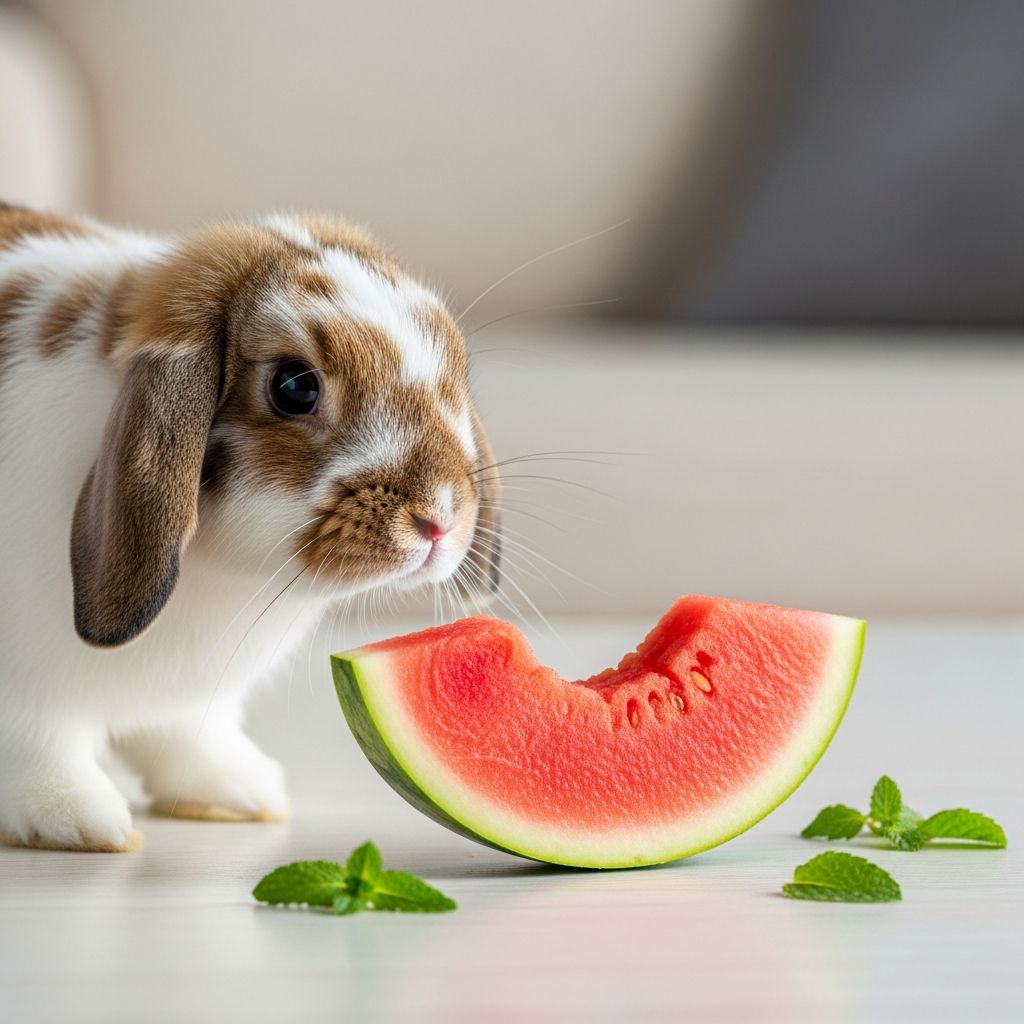
Watermelon is a refreshing summer treat that many pet owners wonder about sharing with their rabbits. The good news is that yes, adult rabbits can safely eat watermelon in small quantities. Most rabbits find the sweet and refreshing taste appealing, making it an occasional treat option. However, there are important guidelines to follow to ensure your pet’s safety and health.
Understanding whether your rabbit can eat watermelon requires knowledge of portion sizes, nutritional content, and potential health risks. This comprehensive guide will help you make informed decisions about including watermelon in your rabbit’s diet.
Is Watermelon Safe for Rabbits?
Watermelon is generally safe for adult rabbits when given appropriately. The key to safety lies in moderation and proper preparation. Baby rabbits should never be given fruit of any kind, including watermelon, as their digestive systems are too sensitive for such foods. Adult rabbits can enjoy watermelon as an occasional treat, but it should never become a staple in their diet.
The safety of watermelon depends on several factors, including the age of your rabbit, the ripeness of the fruit, and how it’s prepared. Ripe watermelon is safer for rabbits than unripened or wilted varieties. Always ensure that any watermelon you offer is fresh and free from pesticides or harmful chemicals.
How Often and How Much Watermelon Can Rabbits Eat?
Portion control is essential when feeding watermelon to rabbits. Watermelon should be fed as a treat only once or twice per week, with each serving consisting of no more than one tablespoon. This limited quantity helps prevent digestive issues while still allowing your rabbit to enjoy the treat.
The principle of “less is more” applies perfectly to watermelon consumption. Overfeeding watermelon can lead to serious digestive problems in rabbits. Start with very small pieces and observe your rabbit’s response before offering larger amounts. If your rabbit shows any signs of digestive distress, such as loose stools or reduced appetite for hay, discontinue watermelon immediately.
What Parts of Watermelon Can Rabbits Eat?
Not all parts of the watermelon are suitable for rabbits, and understanding which parts are safe is crucial for pet health.
Watermelon Flesh
The red, juicy flesh of the watermelon is safe for rabbits to eat in small quantities. However, it’s important to cut the watermelon into small, bite-sized pieces to prevent choking hazards. Always remove any seeds before offering flesh to your rabbit.
Watermelon Rind
The rind is actually the healthiest part of the watermelon for your rabbit. It’s higher in fiber and lower in sugar compared to the flesh, making it a better nutritional choice. Rabbits can safely eat the watermelon rind, but you should cut it into small pieces as it can be quite tough for rabbits to chew through.
Watermelon Seeds
Watermelon seeds are absolutely not safe for rabbits. Seeds can obstruct your rabbit’s intestines, and rabbits cannot chew them properly or regurgitate them. Always remove all seeds before offering any watermelon to your rabbit. If possible, purchase seedless watermelon varieties to make preparation easier and safer.
Health Benefits of Watermelon for Rabbits
While watermelon should only be an occasional treat, it does offer some nutritional benefits for rabbits when given in appropriate amounts.
Hydration Support
Watermelon is high in water content and can help keep your rabbit hydrated on warmer days. This is particularly beneficial during hot weather when rabbits may be more prone to dehydration. The high water content makes watermelon an excellent cooling treat for summer months.
Vitamins and Minerals
Watermelon contains vitamins A and C, as well as magnesium and choline. Choline is particularly notable as it helps improve your rabbit’s sleep quality and muscle movement. These nutrients contribute to overall health when watermelon is consumed in moderation as part of a balanced diet.
Nutritional Value of the Rind
The rind portion of the watermelon offers superior nutritional value compared to the flesh. It provides higher fiber content and lower sugar levels, making it the healthiest component of the fruit to offer your rabbit.
Risks and Concerns of Feeding Watermelon to Rabbits
While watermelon can be safe in small amounts, there are several significant risks to be aware of before offering it to your rabbit.
High Sugar Content
Watermelon is very high in sugar, which is the primary concern for rabbit health. Rabbits cannot break down these sugars naturally as efficiently as other animals. While small doses are fine, too much sugar will cause digestive upset and diarrhea. Excessive sugar consumption can lead to serious gastrointestinal problems.
Digestive Issues
Overfeeding watermelon can result in painful bloating, gas, and diarrhea in rabbits. These digestive problems can be serious and may require veterinary attention if severe. The high water content combined with sugar can disrupt the delicate balance of your rabbit’s digestive system.
Development of Sweet Preferences
Rabbits can develop a sweet tooth if fed sugary fruits regularly. If you feed your rabbit sweet fruits daily, it may start to refuse necessary foods such as hay or pellets. This is particularly problematic since hay should form the foundation of your rabbit’s diet for optimal digestive health.
Seed Obstruction
Seeds present a serious choking and obstruction hazard. If accidentally consumed, seeds can obstruct your rabbit’s intestines, which could be fatal. This is why removing all seeds is absolutely non-negotiable when preparing watermelon for your pet.
Fur and Hygiene Issues
Watermelon juice can be quite sticky and may stick to your rabbit’s fur if it gets watermelon juice on its coat during eating. This can mat the fur and create hygiene problems. You may need to give your rabbit a bath or at least spot clean its fur after eating watermelon. Providing bit-sized pieces and checking your rabbit’s fur after eating can help minimize this issue.
Safe Feeding Practices for Watermelon
To safely offer watermelon to your rabbit, follow these important guidelines:
- Only feed ripe, fresh watermelon to your adult rabbits
- Limit watermelon treats to once or twice per week
- Provide no more than one tablespoon per serving
- Always remove all seeds before offering watermelon
- Cut watermelon into small, bite-sized pieces
- Consider offering the rind as a healthier alternative to the flesh
- Check your rabbit’s fur after eating for sticky residue
- Monitor your rabbit for signs of digestive distress
- Never feed watermelon to baby rabbits
- Never replace hay with watermelon treats
Alternative Summer Treats for Rabbits
If you’re looking for refreshing summer treats besides watermelon, consider these alternatives that may be safer or more nutritious for your rabbit:
- Fresh herbs like parsley, cilantro, and dill
- Small pieces of apple (without seeds)
- Berries in moderation (strawberries, raspberries, blueberries)
- Leafy greens like romaine lettuce and spinach
- Cucumber in small quantities
- Fresh grass and natural forage
The Importance of a Balanced Rabbit Diet
While treats like watermelon can be enjoyable, it’s crucial to understand that they should never replace the foundation of your rabbit’s diet. A healthy rabbit diet should consist primarily of hay, with small portions of fresh vegetables and a limited amount of high-quality pellets. Fresh water should always be available.
Hay should make up approximately 80-90% of your rabbit’s daily food intake. It provides essential fiber for proper digestive function and helps maintain dental health through natural chewing action. Treats, including watermelon, should comprise no more than 5-10% of your rabbit’s caloric intake.
When to Avoid Feeding Watermelon
There are certain situations when you should absolutely not offer watermelon to your rabbit:
- If your rabbit is a baby or young bunny
- If your rabbit has a history of digestive problems or sensitive stomach
- If your rabbit is overweight or obese
- If your rabbit has been diagnosed with diabetes or blood sugar issues
- If the watermelon is not fresh, ripe, or shows signs of mold or decay
- If you cannot remove all seeds from the watermelon
Frequently Asked Questions About Rabbits and Watermelon
Q: Can baby rabbits eat watermelon?
A: No, baby rabbits should never be fed watermelon or any fruit. Their digestive systems are too sensitive for such foods. Baby rabbits should only consume hay, pellets designed for young rabbits, and water until they reach adulthood.
Q: How do I know if my rabbit has eaten too much watermelon?
A: Signs of overconsumption include loose stools, diarrhea, reduced appetite for hay, lethargy, and abdominal discomfort. If you notice any of these symptoms, contact your veterinarian promptly.
Q: Is seedless watermelon safer for rabbits?
A: Yes, seedless watermelon is significantly safer as it eliminates the risk of seed obstruction. If available, choose seedless varieties for your rabbit’s safety.
Q: Can rabbits eat watermelon rind cooked?
A: No, watermelon should only be offered raw. Cooking can change the nutritional content and may introduce unwanted compounds. Always provide fresh, raw watermelon.
Q: What should I do if my rabbit eats watermelon seeds?
A: Monitor your rabbit closely for signs of distress such as reduced appetite, lethargy, or digestive issues. Contact your veterinarian if you notice any concerning symptoms, as seed obstruction can be serious.
Q: How often can I give my rabbit watermelon?
A: Watermelon should be offered no more than once or twice per week, with each serving being no larger than one tablespoon. Consistency in treat frequency helps prevent digestive upset.
Q: Are there any rabbits that shouldn’t eat watermelon?
A: Yes, rabbits with digestive sensitivities, obesity, diabetes, or those prone to diarrhea should avoid watermelon. Always consult your veterinarian if your rabbit has specific health conditions before introducing new foods.
Conclusion
Watermelon can be a safe and enjoyable occasional treat for adult rabbits when given in appropriate quantities and prepared correctly. The key to success is moderation, proper preparation, and close monitoring of your rabbit’s health. Remember that watermelon should never replace the foundation of your rabbit’s diet, which must primarily consist of high-quality hay, fresh vegetables, and limited pellets.
Always prioritize your rabbit’s health by removing all seeds, limiting portion sizes, and watching for any signs of digestive distress. If you’re ever uncertain about whether a food is appropriate for your rabbit, consult your veterinarian for personalized advice. With proper care and knowledge, you can safely share the occasional watermelon treat with your beloved pet.
References
- What Can Rabbits Eat: Beyond Leafy Greens — Somerzby. 2024. https://www.somerzby.com.au/blog/what-can-rabbits-eat/
Similar Articles








Read full bio of Sneha Tete