Can Rabbits Eat Tomatoes? Safe Feeding Guide
Learn how to safely feed tomatoes to your rabbit with proper portions and preparation tips.
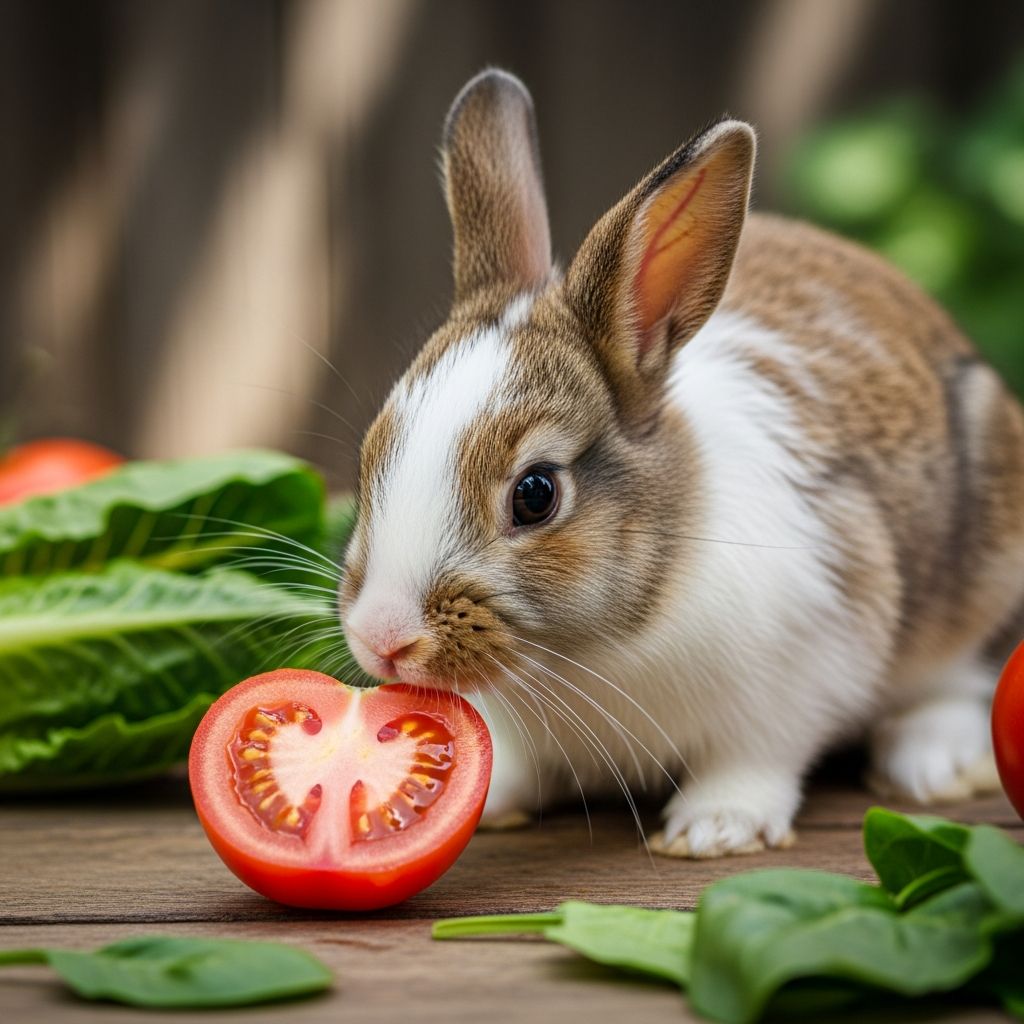
Can Rabbits Eat Tomatoes? A Complete Feeding Guide
If you’re wondering whether your pet rabbit can enjoy tomatoes as a treat, the answer is yes—but with important guidelines to follow. While tomatoes can be a nutritious and tasty addition to your rabbit’s diet, understanding how to safely prepare and serve them is essential for maintaining your bunny’s health and well-being. This comprehensive guide covers everything you need to know about feeding tomatoes to rabbits, including nutritional benefits, potential risks, and proper serving techniques.
Can Rabbits Eat Tomatoes?
Rabbits can safely consume tomatoes in moderation, making them an acceptable occasional treat for your furry companion. However, it’s crucial to recognize that tomatoes should never become a staple of your rabbit’s diet. The key to safely feeding tomatoes to rabbits lies in understanding which parts are safe, how much to serve, and how frequently to offer them.
The tomato fruit itself—specifically the ripe, red flesh—is safe for rabbits when prepared correctly. However, other parts of the tomato plant contain harmful compounds that can pose serious health risks to your pet. By following proper preparation and serving guidelines, you can offer your rabbit this juicy treat without compromising their health.
Nutritional Benefits of Tomatoes for Rabbits
Tomatoes offer several nutritional advantages for rabbits when given as an occasional treat. Understanding these benefits helps explain why many rabbit owners choose to include tomatoes in their pets’ varied diet.
Vitamins and Minerals
Tomatoes are rich in essential vitamins that support your rabbit’s overall health and bodily functions. Vitamin A promotes clear eyesight and supports various physiological processes, while Vitamin C contributes to tissue development, repair, and growth. Additionally, Vitamin K and Vitamin B6 found in tomatoes play important roles in maintaining your rabbit’s immune system and metabolic function. The potassium content in tomatoes further enhances their nutritional value by supporting heart health and proper cellular function in your bunny.
Antioxidants and Lycopene
One of the most beneficial compounds in tomatoes is lycopene, a powerful antioxidant that protects cells from oxidative damage. These antioxidants work to safeguard your rabbit’s heart from damage and enhance overall cardiovascular health. This makes tomatoes particularly valuable as an occasional treat that contributes to long-term wellness.
Dietary Fiber
An average-sized tomato contains approximately 1.5 grams of fiber, which is crucial for maintaining your rabbit’s digestive health. This fiber promotes regular bowel movements and prevents gastrointestinal issues. However, it’s important to note that rabbits should primarily obtain their fiber from hay, which is significantly higher in fiber content than tomatoes.
Hydration and Low Calorie Content
Tomatoes have a high water content, which contributes to your rabbit’s hydration needs. Additionally, they are relatively low in calories, making them an appropriate treat choice that won’t contribute significantly to weight gain when served in proper portions.
Parts of the Tomato That Are Safe vs. Unsafe
Understanding which parts of the tomato plant are safe and which are toxic is absolutely critical for your rabbit’s safety. Many rabbit owners make the mistake of assuming the entire tomato plant is safe, which can lead to serious health consequences.
Safe Parts
Only the ripe, red tomato flesh is safe for rabbits to consume. Green, unripe sections of the tomato fruit should be completely avoided. The tomato must be raw and thoroughly washed to remove any pesticide residue. Cut the tomato into small, bite-sized pieces and remove all seeds before serving to your rabbit.
Toxic Parts to Avoid
The following parts of the tomato plant contain harmful alkaloid compounds and should never be fed to rabbits:
–
Tomato Leaves
: The green foliage contains tomatine and solanine, which are toxic alkaloids that can cause severe gastrointestinal distress and other serious health problems.-Tomato Stems
: The stems also contain solanine and tomatine, making them dangerous for rabbit consumption.-Tomato Vines
: These contain the same toxic compounds as leaves and stems.-Tomato Flowers
: All flowering parts of the tomato plant are toxic and should be avoided.-Green Tomatoes
: Unripe tomatoes contain higher concentrations of solanine and should never be offered to rabbits.-Tomato Seeds
: While small amounts of seeds aren’t immediately toxic, it’s best practice to remove them to prevent any potential choking hazard or digestive upset.Health Risks and Precautions
While tomatoes can be a healthy treat, there are several potential risks associated with improper feeding. Being aware of these risks helps you make informed decisions about your rabbit’s diet.
Sugar Content and Digestive Issues
Tomatoes contain natural sugars that, in excessive amounts, can disrupt your rabbit’s gut flora balance. This disruption can lead to the overgrowth of harmful bacteria, resulting in painful bloating, diarrhea, and other digestive complications. Rabbits have sensitive digestive systems adapted to process high-fiber, low-sugar foods like hay.
Acidity Concerns
The acidity of tomatoes can cause gastrointestinal discomfort in some rabbits, particularly those with sensitive stomachs. This is another reason why tomatoes should only be offered occasionally and in small quantities.
Weight Gain and Obesity
Regular consumption of tomatoes can contribute to excess weight gain in rabbits, potentially leading to obesity and related health complications. Since treats should comprise only a small portion of your rabbit’s daily food intake, limiting tomato servings helps maintain a healthy body weight.
Toxic Alkaloid Poisoning
The most serious risk comes from the green parts of the tomato plant. Solanine and tomatine are alkaloid compounds that can cause severe poisoning in rabbits. Symptoms of toxicity include lethargy, tremors, seizures, and in severe cases, death. If you suspect your rabbit has consumed any toxic tomato parts, contact an emergency veterinarian immediately.
How to Prepare and Serve Tomatoes Safely
Proper preparation is essential for safe tomato feeding. Follow these steps to ensure your rabbit enjoys this treat without health risks:
Selection and Washing
Choose ripe, firm tomatoes that are free from soft spots or signs of decay. Thoroughly wash the tomato under running water to remove any pesticide residue. This step is particularly important if the tomatoes are not organically grown.
Removing Toxic Parts
Before serving, carefully remove any stems, leaves, or green sections from the tomato fruit. Inspect the tomato for any unripe areas and cut them away. Ensure all seeds are removed or minimized in the preparation.
Cutting and Portioning
Cut the tomato into small pieces, approximately half an inch in size. For cherry tomatoes, offer one whole tomato or cut it into halves. These small portions help prevent choking and make the treat easier for your rabbit to consume.
Temperature
Serve tomatoes at room temperature. Never feed your rabbit cooked, canned, or processed tomatoes, as these may contain added sugars, salt, or other ingredients that are harmful to your pet.
Portion Control and Feeding Frequency
Moderation is the most important principle when feeding tomatoes to rabbits. The recommended serving guidelines are as follows:
| Tomato Type | Serving Size | Frequency |
|---|---|---|
| Standard Tomato | 1 small slice or few small pieces | Once or twice per week |
| Cherry Tomato | 1 whole cherry tomato | Once per week |
| Yellow Tomato | 1 small slice | Once or twice per week |
Never exceed these portions, as doing so can lead to digestive upset and other health complications. Remember that treats, including tomatoes, should comprise no more than 10% of your rabbit’s daily caloric intake. The remaining 90% should come from hay, pellets, and fresh leafy greens.
Monitoring Your Rabbit’s Health
After introducing tomatoes to your rabbit’s diet, observe your pet carefully for any adverse reactions. Keep an eye on the following indicators:
– Changes in stool consistency or frequency- Behavioral changes such as lethargy or reduced activity- Loss of appetite- Signs of discomfort or bloating- Tremors or unusual neurological symptomsIf you notice any of these symptoms, discontinue feeding tomatoes immediately and consult your veterinarian. Some rabbits may have individual sensitivities to tomatoes even when fed in appropriate portions.
Building a Balanced Rabbit Diet
Tomatoes should only supplement your rabbit’s primary diet, never replace it. A well-balanced rabbit diet consists of:
–
Unlimited Timothy Hay
: The foundation of your rabbit’s diet, providing essential fiber and promoting dental health-Measured Pellets
: Quality rabbit pellets in appropriate daily quantities based on your rabbit’s size and age-Fresh Leafy Greens
: A variety of dark, leafy vegetables like kale, parsley, romaine lettuce, and dandelion greens-Occasional Treats
: Including tomatoes, other safe fruits, and vegetables in limited quantitiesIntroducing New Foods to Your Rabbit
When introducing tomatoes or any new food to your rabbit’s diet, follow the gradual introduction method. Over a period of 7 to 14 days, slowly increase the amount of the new food while monitoring your rabbit’s digestive response. This gradual approach allows your rabbit’s digestive system to adapt and helps you identify any sensitivities before they become problematic.
Frequently Asked Questions
Q: Can rabbits eat cherry tomatoes?
A: Yes, cherry tomatoes are safe for rabbits to eat with the same precautions as regular tomatoes. They should be ripe, washed, and served without stems or seeds. Due to their smaller size, one whole cherry tomato or cut pieces make an appropriate single serving, offered no more than once per week.
Q: What should I do if my rabbit eats tomato leaves?
A: If your rabbit consumes a small amount of tomato leaves, monitor closely for symptoms of solanine poisoning including lethargy, tremors, or digestive distress. If you notice any concerning symptoms or if your rabbit consumed a large quantity of leaves, contact your veterinarian or an emergency animal hospital immediately.
Q: Can baby rabbits eat tomatoes?
A: No, baby rabbits (under 7-8 months old) should not be fed tomatoes or other fruits. Their digestive systems are still developing and are more susceptible to upset. Stick to unlimited hay, age-appropriate pellets, and gradually introduce leafy greens once they’re older.
Q: Are canned or cooked tomatoes safe for rabbits?
A: No, canned and cooked tomatoes are not recommended for rabbits. These products often contain added salt, sugar, or preservatives that can be harmful to your pet. Always offer only fresh, raw, ripe tomatoes.
Q: Can rabbits eat tomato sauce or tomato paste?
A: No, tomato-based sauces and pastes should never be fed to rabbits. These products contain concentrated sugars, added salt, and other ingredients that are unsuitable for rabbits’ digestive systems.
Q: How do I know if my rabbit is having a negative reaction to tomatoes?
A: Signs of adverse reactions include soft or loose stools, reduced appetite, behavioral changes, abdominal bloating, or unusual neurological symptoms. If you observe any of these signs, stop offering tomatoes and consult your veterinarian.
Q: Can all rabbit breeds eat tomatoes?
A: Yes, most rabbit breeds can safely eat tomatoes when following proper guidelines. However, individual rabbits may have different sensitivities, so monitor your specific pet’s response to tomatoes regardless of breed.
Q: What other fruits and vegetables can I feed my rabbit besides tomatoes?
A: Rabbits can enjoy a variety of vegetables including bell peppers, cucumbers, zucchini, and dark leafy greens. For occasional fruit treats, consider apples (without seeds), berries, pears, and melons. Always introduce new foods gradually and in appropriate portions.
References
- Can Rabbits Eat Tomato? Essential Tips for a Healthy Bunny Diet — Hay Day. 2024. https://hay-day.co.uk/blogs/advice/can-rabbits-eat-tomato
- Can Rabbits Eat Tomatoes? Benefits And Risks For Pet Rabbits — Whiskers Paws Love. 2024. https://whiskerspawslove.org/article/can-rabbits-eat-tomatoes-benefits-and-risks-for-pet-rabbits
- Can Rabbits Eat Tomatoes? — Small Pet Select. 2024. https://smallpetselect.com/can-rabbits-eat-tomatoes
- What Can Rabbits Eat? — Animal Trust Vets. 2024. https://www.animaltrust.org.uk/pet-advice/what-can-rabbits-eat
- Discover ‘What Can Rabbits Eat’: Beyond Leafy Greens! — Somerzby. 2024. https://www.somerzby.com.au/blog/what-can-rabbits-eat
Similar Articles








Read full bio of Sneha Tete