Can Rabbits Eat Tomatoes? A Complete Guide
Learn whether tomatoes are safe for rabbits, nutritional benefits, and proper feeding guidelines.
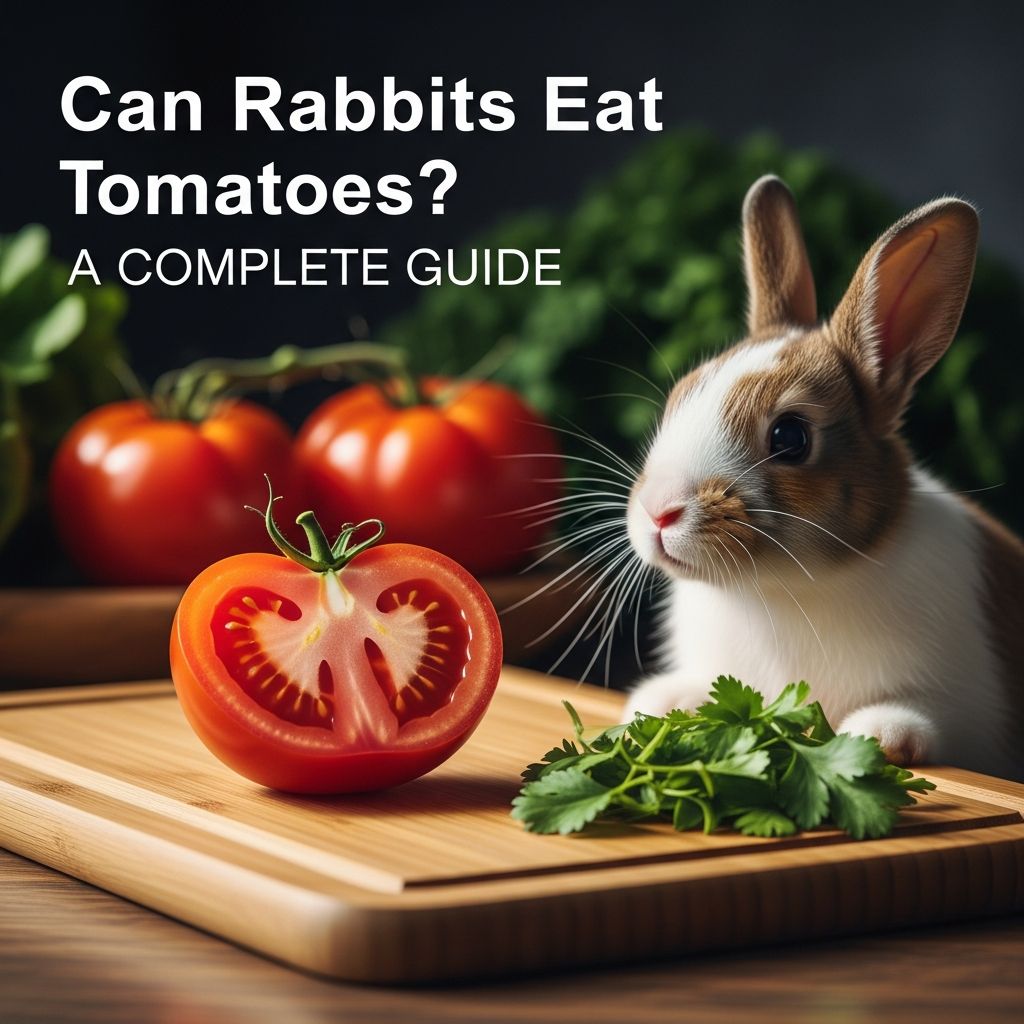
Can Rabbits Eat Tomatoes?
Yes, rabbits can eat tomatoes, but like many fruits and vegetables, they should be offered only in moderation as part of a balanced diet. Tomatoes can be a nutritious and enjoyable treat for your bunny when prepared and served correctly. However, it’s essential to understand which parts are safe, how much to feed, and how often to include them in your rabbit’s diet. This comprehensive guide will help you safely incorporate tomatoes into your rabbit’s feeding routine while maximizing their health benefits and minimizing potential risks.
Nutritional Benefits of Tomatoes for Rabbits
Tomatoes offer several nutritional advantages that can contribute positively to your rabbit’s overall health when given as an occasional treat. Understanding these benefits helps explain why tomatoes can be a worthwhile addition to a rabbit’s diet when served appropriately.
Vitamins and Minerals
Tomatoes are rich in essential vitamins that support various aspects of your rabbit’s health. Vitamin A promotes clear eyesight and supports multiple bodily functions necessary for your bunny’s well-being. Vitamin C plays a crucial role in tissue development, repair, and growth, while Vitamin K contributes to blood clotting and bone health. Additionally, tomatoes contain potassium, an important mineral that supports heart function and overall cellular health in rabbits.
Antioxidants and Heart Health
One of the most beneficial compounds found in tomatoes is lycopene, a powerful antioxidant that gives tomatoes their distinctive red color. Lycopene and other antioxidants work together to protect your rabbit’s cells from oxidative damage, safeguard their heart health, and support their immune system. These compounds help reduce inflammation and may contribute to long-term wellness.
Fiber Content
An average tomato contains approximately 1.5 grams of fiber, which plays an important role in maintaining digestive health. Most of this fiber is insoluble, which helps promote regular bowel movements and prevents gastrointestinal issues. While rabbits need substantial amounts of fiber from hay, the fiber in tomatoes can supplement their overall intake and support digestive function.
Hydration and Low Calorie Content
Tomatoes are approximately 95% water, making them an excellent source of hydration for your rabbit. Their high water content combined with low calorie density makes them a guilt-free treat option. A single tomato slice contains minimal calories, allowing you to offer your bunny a satisfying treat without contributing significantly to weight gain.
Toxic Parts of Tomatoes: What to Avoid
While the ripe fruit portion of tomatoes is safe for rabbits, other parts of the tomato plant contain toxic compounds that can cause serious health issues. Understanding and eliminating these dangerous parts before feeding tomatoes to your rabbit is absolutely critical.
Solanine and Tomatine
The stems, leaves, vines, flowers, and unripe green portions of tomato plants contain alkaloid compounds called solanine and tomatine. These toxic substances are particularly concentrated in green tomatoes and can cause significant harm to rabbits. When ingested, these compounds can irritate the digestive system, cause bloating, diarrhea, and in severe cases, may lead to tremors, seizures, or other serious neurological symptoms.
Preparing Tomatoes Safely
Before serving tomatoes to your rabbit, follow these preparation steps carefully. First, identify and remove all dark or green unripe sections of the tomato. These immature portions contain higher levels of solanine and should never be offered. Next, remove all stems and leaves by bending them back until they snap cleanly from the main stem. Inspect the tomato thoroughly to ensure no green parts remain. Finally, remove all seeds from the fruit before cutting it into appropriate serving sizes.
Washing and Pesticide Removal
After removing all toxic parts, thoroughly wash the tomato under running water to remove any pesticide residues or contaminants. This washing step is essential, as pesticides used in conventional tomato farming can be harmful to your rabbit’s delicate system. Consider purchasing organic tomatoes when possible, as they typically have fewer synthetic pesticide applications. Pat the tomato dry with a clean cloth before serving.
Proper Serving Sizes and Frequency
Determining the right portion size and feeding frequency is crucial for your rabbit’s health and digestion. Overfeeding tomatoes can lead to digestive upset, weight gain, and other health complications.
Recommended Portions
Rabbits should receive only small pieces or a few thin slices of tomato at a time. For cherry tomatoes, which are naturally smaller, offer one whole tomato or a quarter of a larger variety tomato as a single serving. Cut tomatoes into small pieces approximately half an inch in size to make them easier for your rabbit to eat and to prevent choking hazards.
Feeding Frequency
Tomatoes should be offered no more than once or twice per week. This limited frequency ensures that tomatoes remain an occasional treat rather than becoming a dietary staple. Spacing out tomato treats allows your rabbit’s digestive system to properly process this food without becoming overwhelmed. Between tomato offerings, consider rotating other safe vegetables and fruits to provide dietary variety.
Incorporating Tomatoes Into a Balanced Diet
While tomatoes can be a nutritious treat, they should never form the foundation of your rabbit’s diet. A proper rabbit diet consists primarily of quality hay, which should comprise at least 80% of their daily food intake.
Diet Composition
The ideal rabbit diet includes unlimited timothy hay or meadow hay, high-quality rabbit pellets in measured amounts (approximately one-quarter cup per five pounds of body weight daily), fresh leafy greens, and occasional treats like tomatoes. This structure ensures your rabbit receives adequate fiber, essential nutrients, and appropriate calorie intake.
Introducing New Foods
When introducing tomatoes or any new food to your rabbit’s diet, do so gradually over a period of 7 to 14 days. Start with a very small piece and observe your rabbit for any signs of digestive upset, such as changes in stool consistency, reduced appetite, or behavioral changes. If your rabbit tolerates the small amount well, you can gradually increase to the recommended serving size. This slow introduction allows their digestive system to adapt and helps identify potential sensitivities.
Risks and Precautions
While tomatoes can be a healthy treat, several risks need to be understood and managed appropriately.
Sugar Content and Digestive Issues
Tomatoes contain natural sugars that, when consumed in excess, can disrupt the delicate balance of bacteria in your rabbit’s gut. This imbalance can lead to painful bloating, gas, and diarrhea. The acidity of tomatoes may also cause gastrointestinal discomfort in some rabbits, particularly those with sensitive digestive systems. Feeding tomatoes too frequently can exacerbate these issues.
Weight Management
While individual tomato servings are low in calories, regular excessive feeding can contribute to weight gain and obesity. Overweight rabbits face increased risks of health problems including digestive issues, heart disease, and mobility problems. Maintaining portion control and frequency limits helps prevent these complications.
Monitoring Your Rabbit
After introducing tomatoes or any new food, carefully observe your rabbit for adverse reactions. Monitor changes in stool consistency, appetite levels, activity levels, and behavior. If you notice anything unusual or concerning, discontinue feeding tomatoes immediately and consult with your veterinarian. Different rabbits have different sensitivities, so what works well for one bunny may not suit another.
Cherry Tomatoes as an Alternative
Cherry tomatoes are a popular variety for rabbit treats due to their smaller size and sweeter flavor. They should be prepared using the same guidelines as larger tomatoes—ensure they are ripe, remove any stems or green parts, wash thoroughly, and offer in moderation. Many rabbits find the sweet, juicy flavor of cherry tomatoes particularly appealing, making them an excellent option for training treats or bonding activities. However, the same serving size and frequency recommendations apply.
Complementary Vegetables for Your Rabbit
To provide dietary variety and ensure your rabbit receives a broad spectrum of nutrients, consider rotating tomatoes with other safe vegetables. Dark leafy greens such as kale, parsley, and romaine lettuce provide excellent nutrition. Avoid iceberg lettuce, which contains lactucarium that can be harmful in large quantities. Bell peppers, cucumbers, and carrots can also be offered occasionally. When introducing any new vegetable, follow the same gradual introduction protocol.
Other Fruits for Your Rabbit
If your rabbit enjoys tomatoes, they may also appreciate other fruits offered in moderation. Bananas can be given occasionally but should be limited due to their high sugar content—a small slice given once or twice weekly is appropriate. Apples (without seeds), pears, strawberries, and blueberries can also be offered as occasional treats. Always remove any seeds or pits, wash thoroughly, and introduce new fruits gradually.
Frequently Asked Questions
Q: Can rabbits eat lettuce and tomato together?
A: Yes, rabbits can eat both lettuce and tomatoes together as long as you avoid iceberg lettuce and follow proper preparation guidelines for tomatoes. Dark leafy greens are the best lettuce option, providing superior nutrition. Combining safe vegetables provides dietary variety, though each should still be offered in appropriate portions.
Q: Can baby rabbits eat tomatoes?
A: No, baby rabbits should not be fed tomatoes or other fruits. Young rabbits require specialized nutrition focused on timothy hay, pellets formulated for their age, and their mother’s milk if they are nursing. Introduce solid foods, including vegetables, only after they are weaned and several months old, following guidance from your veterinarian.
Q: What should I do if my rabbit eats green tomato stems?
A: If your rabbit accidentally consumes tomato stems or green parts, monitor them closely for signs of poisoning such as lethargy, diarrhea, loss of appetite, or unusual behavior. Contact your veterinarian immediately if you notice any concerning symptoms. In many cases, small accidental exposures may not cause serious problems, but professional veterinary guidance is essential.
Q: Are canned or cooked tomatoes safe for rabbits?
A: No, rabbits should only eat raw, fresh tomatoes. Canned tomatoes often contain added sodium and preservatives harmful to rabbits. Cooked tomatoes may have altered nutritional profiles and texture that is inappropriate for rabbits. Always offer fresh, raw tomatoes that have been properly prepared and cleaned.
Q: Can tomatoes replace hay in my rabbit’s diet?
A: Absolutely not. Hay must remain the foundation of your rabbit’s diet, comprising approximately 80% of their daily food intake. Tomatoes and other vegetables are supplements to hay, not replacements. Rabbits require the high fiber content and chewing action that hay provides for proper digestive health and dental wear.
Q: How do I know if my rabbit has eaten too much tomato?
A: Signs of excessive tomato consumption include soft or loose stool, reduced appetite, lethargy, or visible discomfort. If you observe these symptoms, reduce or eliminate tomatoes from the diet and consult your veterinarian. Increasing hay intake and providing fresh water can help normalize digestion.
References
- Can Rabbits Eat Tomato? Essential Tips for a Healthy Bunny Diet — Hay Day UK. 2025. https://hay-day.co.uk/blogs/advice/can-rabbits-eat-tomato
- Can Rabbits Eat Tomatoes? Benefits And Risks For Pet Rabbits — Whiskers Paws Love. 2025. https://whiskerspawslove.org/article/can-rabbits-eat-tomatoes-benefits-and-risks-for-pet-rabbits/
- What Can Rabbits Eat? — Somerzby Australia. 2025. https://www.somerzby.com.au/blog/what-can-rabbits-eat/
- Can Rabbits Eat Tomatoes? — Small Pet Select. 2025. https://smallpetselect.com/can-rabbits-eat-tomatoes/
- What Can Rabbits Eat? — Animal Trust Vets. 2025. https://www.animaltrust.org.uk/pet-advice/what-can-rabbits-eat
Similar Articles








Read full bio of medha deb