Can Rabbits Eat Grapes? Safety Guide for Pet Owners
Learn if grapes are safe for rabbits, how to prepare them, and feeding guidelines.
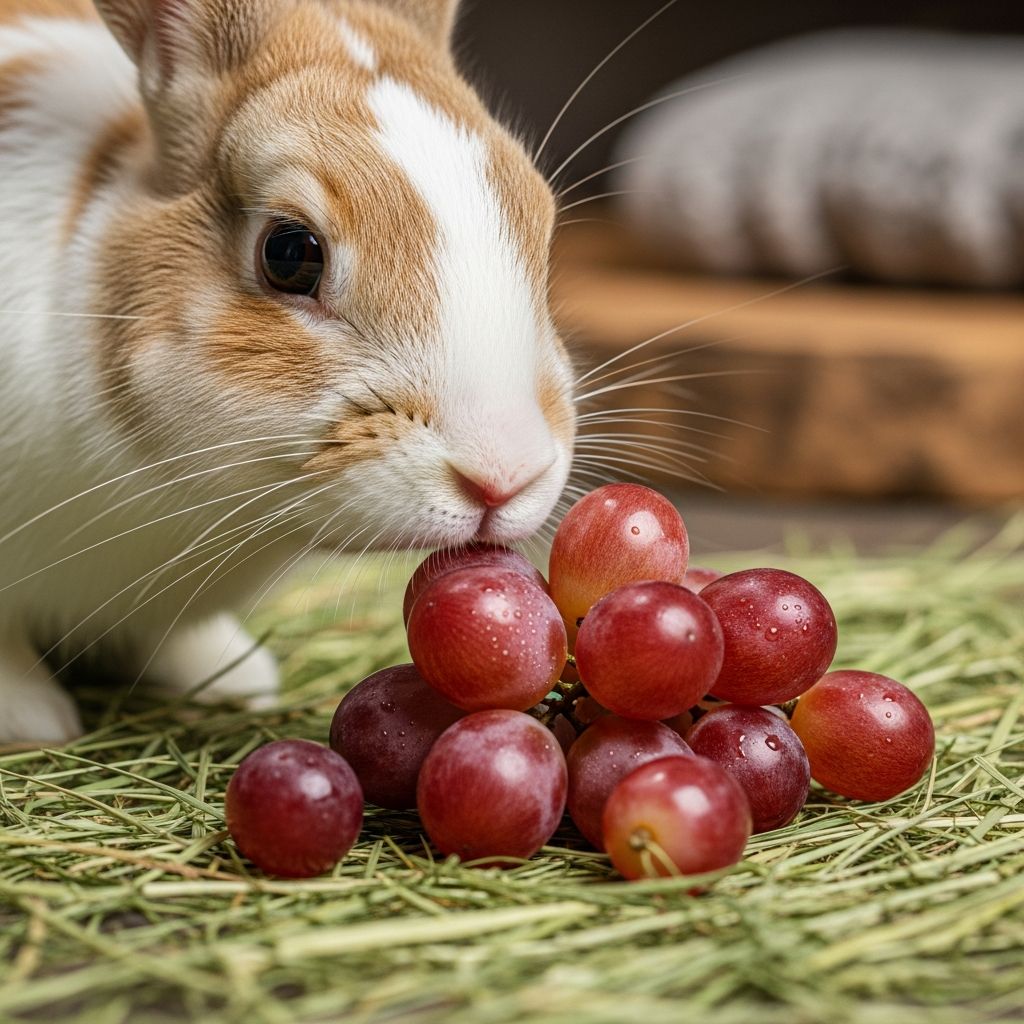
Can Rabbits Eat Grapes?
Many rabbit owners wonder whether they can share their favorite fruits with their furry companions. Grapes are a popular human snack, and naturally, pet owners ask if these juicy fruits are safe for bunnies. The short answer is yes, rabbits can eat grapes, but there are important guidelines and considerations that every responsible rabbit owner should understand before offering this treat to their hopping friend.
Unlike dogs and cats, for whom grapes can pose serious health risks, rabbits have different digestive systems and can safely consume grapes in moderation. However, this doesn’t mean grapes should become a regular part of your rabbit’s diet. Understanding the proper portions, preparation methods, and potential risks is essential for maintaining your rabbit’s health and wellbeing.
Nutritional Benefits of Grapes for Rabbits
Grapes offer several nutritional advantages that make them an acceptable occasional treat for rabbits. These small fruits are packed with beneficial compounds that can supplement a well-balanced rabbit diet:
Vitamins: Grapes are particularly high in vitamins C and K, with the skin containing especially high concentrations of these essential nutrients. These vitamins support immune function and bone health in rabbits.
Antioxidants: Beyond vitamins, grapes contain abundant antioxidants that help reduce inflammation in your rabbit’s body. These compounds can contribute to overall wellness when consumed as part of a balanced diet.
Hydration: Grapes contain a significant amount of water, making them a hydrating snack option for rabbits. This high water content can help ensure your rabbit stays adequately hydrated, particularly during warmer months.
Minerals and Fiber: Grapes also provide potassium, manganese, and dietary fiber that support digestive health and essential body functions.
Potential Risks of Feeding Grapes to Rabbits
While grapes offer nutritional benefits, they also come with considerations that make them suitable only as occasional treats rather than regular food items. Understanding these risks helps you make informed decisions about your rabbit’s diet.
Sugar Content: Perhaps the most significant concern with grapes is their sugar content. Grapes contain natural sugars that, in excess, can be dangerous to rabbits. Overconsumption may lead to obesity, dental issues, and gastrointestinal problems such as soft stools or diarrhea. Some specialty grape varieties, like Cotton Candy grapes, contain even higher sugar levels than standard grapes, so careful selection is necessary.
Excess Water Consumption: While hydration is generally beneficial, too much water from grapes can soften your rabbit’s stool and cause digestive upset. This risk diminishes significantly when grapes are fed only in moderation.
Pesticide Residue: Non-organic grapes are frequently treated with pesticides and other chemicals that can be toxic to your pet. This makes choosing organic produce and thorough washing essential protective measures.
Digestive Sensitivity: Rabbits have notoriously sensitive digestive systems, making them vulnerable to adverse reactions from high-sugar, high-water foods. Any dietary change should be introduced gradually and monitored carefully.
Understanding Your Rabbit’s Primary Diet
Before introducing any treats, including grapes, it’s crucial to understand what should form the foundation of your rabbit’s diet. According to rabbit nutrition experts, a rabbit’s primary diet should consist of grass hay and pellets, available to your rabbit all day and every day.
When you do introduce fresh produce, leafy greens should make up approximately 75% of your rabbit’s vegetable intake, with other produce like tomatoes, cucumbers, celery, and grapes comprising the remaining 25%. This distribution ensures that treats like grapes don’t displace more nutritious vegetables from your rabbit’s diet.
How Many Grapes Can Rabbits Eat?
Portion control is critical when feeding grapes to rabbits. The recommended serving size is quite modest: rabbits should eat no more than one or two pieces of grape per week. These pieces should be cut into approximately half-inch pieces or smaller if your rabbit is a dwarf breed.
This might seem like an extremely small amount, but even this tiny portion provides a nice occasional sweet treat for your bunny. Since rabbits love sweets, it’s important to resist the temptation to offer more, even if your rabbit seems enthusiastic about the treat. Following the “less is better” principle helps prevent digestive upset and other health complications.
Which Parts of Grapes Are Safe for Rabbits?
Different parts of the grape offer varying nutritional profiles and safety considerations.
Grape Flesh: The flesh of the grape is the main edible portion for both humans and rabbits. This is the tasty and nutritional part that rabbits can safely enjoy without any preparation beyond washing.
Grape Skin: Yes, rabbits can eat grape skin, and in fact, this part is especially dense in vitamins and antioxidants compared to the rest of the fruit. There’s no need to peel grapes before offering them to your rabbit.
Grape Seeds: While rabbits can physically swallow and digest grape seeds without issue, seeds do pose a potential choking hazard. If you have any concerns, it’s best to stick with seedless grape varieties when sharing with your bunny.
Safe Ways to Prepare Grapes for Rabbits
Proper preparation is essential to ensure that grapes are safe for your rabbit to consume. Follow these guidelines when preparing grapes for your hopping companion:
Wash Thoroughly: Always cut grapes into small pieces before feeding them to your bunny, and ensure they’ve been thoroughly washed to remove dirt and pesticides. Use cold water and consider safe cleaning methods like natural fruit cleaning formulas, vinegar, baking soda, or salt.
Choose Organic When Possible: Select organic grapes if available, as they typically have fewer chemicals and help you avoid genetically modified varieties.
Prefer Seedless Varieties: Choose seedless grapes to eliminate any choking hazard risk.
Cut into Small Pieces: Slice the grapes in half or into smaller pieces to make them easier to eat and less of a choking risk. About half-inch pieces are appropriate, with smaller sizes for dwarf rabbit breeds.
Verify Cleanliness: Whatever cleaner you use, make sure all of it is thoroughly washed off before serving the grapes to your rabbit.
Select Quality Fruit: Pick a few of the nicest-looking grapes from the bunch, avoiding any that show signs of decay or damage.
Symptoms of Rabbits Eating Too Many Grapes
Since rabbits have notoriously sensitive digestive systems, overeating grapes can cause various health issues. Be alert for these warning signs that your rabbit may have consumed too many grapes:
Gastrointestinal Distress: The most common symptoms of eating too many grapes include gas, bloating, and diarrhea. These digestive issues result from the high water and sugar content in grapes.
Changes in Stool: Soft stools or diarrhea may indicate that your rabbit has consumed more grapes than their digestive system can handle.
Lethargy and Behavioral Changes: Monitor for signs of lethargy, irritation, or inflammation that might indicate gastrointestinal upset.
Long-Term Health Issues: Regular overconsumption of sugary snacks can lead to obesity and diabetes in rabbits.
If your rabbit shows any signs of digestive distress after eating anything, contact your veterinarian promptly. Always introduce new foods gradually and monitor your rabbit’s response carefully.
What About Raisins and Other Grape Products?
While fresh grapes can be given to rabbits in moderation, dried grape products like raisins are not recommended. Raisins are dried grapes, but they aren’t the best snack for your bunny. Here’s why:
Raisins aren’t as easy to digest as pieces of raw grape, and many commercial raisins contain extra added sugar that isn’t good for your pet. Furthermore, raisins lack the hydrating benefit that makes fresh grapes somewhat acceptable as an occasional treat. For these reasons, it’s best to stick exclusively to fresh, raw grape pieces and avoid dried grape products altogether.
Treating Grapes as Special Rewards
When you do offer grapes to your rabbit, present them as special rewards rather than regular food items. You might offer grapes as treats for good behavior or possibly after your rabbit performs tricks. This approach helps reinforce positive behaviors while ensuring that grape consumption remains limited and controlled.
Introduction Guidelines for New Foods
Any time you introduce a new food to your rabbit, including grapes, take care to monitor their response closely. Rabbits’ digestive systems require time to adjust to dietary changes. Watch for any adverse effects ranging from gastrointestinal upset such as soft stools, bloating, or diarrhea, to lethargy, irritation, or signs of inflammation. Contact your veterinarian if you notice any concerning symptoms.
Frequently Asked Questions About Rabbits and Grapes
Q: Can rabbits eat grape skin?
Yes, rabbits can eat grape skin. In fact, the skin of grapes is especially dense in vitamins and antioxidants compared to the rest of the fleshy fruit. There is no need to peel grapes before serving them to your rabbit, as long as they’ve been thoroughly washed to remove any pesticide residue.
Q: How often can I give my rabbit grapes?
Grapes should be offered only occasionally—no more than one to three grapes per week, and ideally up to three times per month. Each serving should consist of just one or two small pieces cut into half-inch sizes. This infrequent serving schedule helps prevent digestive upset and excessive sugar consumption.
Q: Are there any grape varieties I should avoid?
Yes, avoid specialty varieties like Cotton Candy grapes, which contain significantly more sugar than standard grape varieties. Stick to regular red or green seedless grapes, and always choose organic options when possible to minimize pesticide exposure.
Q: What should I do if my rabbit eats too many grapes?
Monitor your rabbit closely for signs of digestive upset such as soft stools, bloating, diarrhea, lethargy, or irritation. Contact your veterinarian if you notice any concerning symptoms. Ensure your rabbit has access to plenty of fresh hay and water, and don’t offer any additional treats.
Q: Can I give my rabbit grape juice or processed grape products?
No, stick exclusively to fresh, raw grapes. Processed grape products like juice, jams, or raisins contain concentrated sugars and lack the nutritional benefits of fresh grapes. Additionally, many processed products contain additives that may be harmful to your rabbit.
Q: Are grapevines and grape leaves safe for rabbits?
Yes, grapevine leaves and the vine stems are safe for rabbits and can be offered as occasional treats. If you have a grapevine, you can safely feed any prunings to your rabbit, though these should still be considered supplementary to their primary hay-based diet.
Conclusion
Rabbits can safely eat grapes when offered properly and in moderation. These nutritious fruits provide vitamins, antioxidants, and hydration that can complement a balanced rabbit diet. However, their high sugar content and potential for digestive upset mean they should be treated as occasional treats rather than regular food items. By following the guidelines outlined in this article—including proper preparation, appropriate portion sizes, and careful monitoring—you can safely incorporate grapes into your rabbit’s diet as a special reward. Always prioritize hay and leafy greens as the foundation of your rabbit’s nutrition, and consult your veterinarian if you have any concerns about your rabbit’s diet or health.
References
- Yes, Rabbits Can Eat Grapes! But Follow These 8 Tips — A-Z Animals. 2025. https://a-z-animals.com/blog/yes-rabbits-can-eat-grapes-but-follow-these-tips/
- Can Rabbits Eat Grapes? — Chewy, Inc. 2025. https://www.chewy.com/education/small-pet/rabbit/can-rabbits-eat-grapes
- Rabbit.Org Foundation — Palo Alto, California. 2025. https://www.rabbit.org/
- Grape Stems safe? — Rabbits United. 2025. https://forums.rabbitrehome.org.uk/
Similar Articles








Read full bio of Sneha Tete