Can Rabbits Eat Cucumbers? Safe Serving Guide And Tips
Learn if cucumbers are safe for rabbits, their health benefits, and proper feeding guidelines.
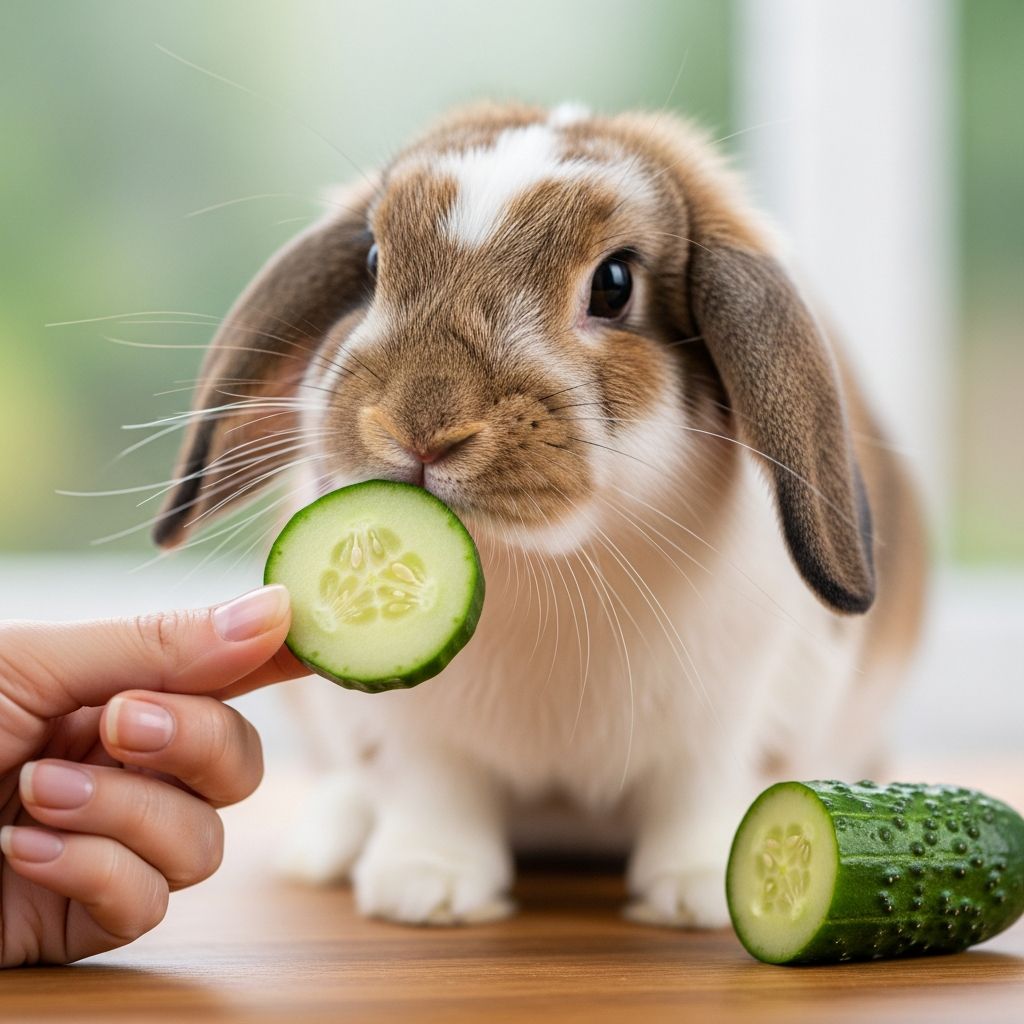
Can Rabbits Eat Cucumbers?
If you’re looking for a refreshing treat to offer your pet rabbit, cucumbers might seem like a perfect choice. The good news is that yes, rabbits can safely eat cucumbers. However, like many treats, cucumbers should only be given to your rabbit in moderation as part of a balanced diet. According to veterinary experts, cucumbers shouldn’t be a primary part of your rabbit’s daily diet, but rather an occasional snack or treat you provide every once in a while.
Cucumbers are a safe and refreshing treat that rabbits generally enjoy due to their juicy water content and crunchy texture. Most rabbits will love the fresh taste, making them an excellent option when you want to provide variety in your pet’s diet. However, it’s crucial to understand both the benefits and potential risks before making cucumbers a regular part of your rabbit’s feeding routine.
Health Benefits of Cucumbers for Rabbits
While cucumbers may not be nutritional powerhouses, they do offer several benefits when fed appropriately to your rabbit. Understanding these advantages can help you make informed decisions about incorporating them into your pet’s diet.
Vitamins and Minerals
Although the nutritional value of cucumbers isn’t exceptionally high, they do contain small amounts of beneficial vitamins. Cucumbers provide vitamin K and vitamin C, which can contribute to your rabbit’s overall health. While these amounts are modest compared to other vegetables, they still provide some nutritional value as part of a varied diet.
Hydration Support
One of the primary benefits of cucumbers for rabbits is their exceptional water content. Consisting of approximately 95-96% water, cucumbers make excellent hydrating treats for your rabbit. This high water content can be particularly beneficial during hot weather or if your rabbit doesn’t drink enough water naturally. The hydrating properties of cucumbers can help encourage fluid intake and support your rabbit’s overall health.
Dietary Fiber
While cucumbers don’t contain as much fiber as some other vegetables, they do provide some dietary fiber, which is beneficial to your rabbit’s digestive system. The skin of the cucumber is particularly fibrous and contains the most nutritional density compared to the flesh. Fiber is essential for maintaining your rabbit’s digestive health and preventing gastrointestinal issues.
Low Calorie Content
Compared to other fresh produce, especially fruits, cucumbers are a low-calorie snack for your pet rabbit. This makes them an excellent choice for rabbits that need to maintain a healthy weight. Since rabbits are prone to obesity, which can lead to serious health complications, low-calorie treats like cucumbers help prevent weight gain while still providing variety and enrichment through snacking.
Potential Risks of Feeding Cucumbers to Rabbits
While cucumbers are generally safe for rabbits, there are some important considerations to keep in mind when offering them to your pet. Understanding these potential risks will help you feed cucumbers responsibly.
Choking Hazard
The biggest concern when feeding cucumbers to rabbits is the potential choking hazard. Cucumbers must be chopped into very small pieces before offering them to your rabbit. The round shape and firm texture of whole cucumbers or large slices can pose a serious risk, particularly for smaller rabbits. Always prepare cucumbers properly by slicing them thinly to ensure your rabbit’s safety.
Gastrointestinal Upset
Because cucumbers have a high water content, it’s important not to feed your rabbit too much of them at once. Excessive cucumber consumption can cause gastrointestinal upset in rabbits, including soft stools or diarrhea. Rabbits require a diet high in fiber from hay and pellets to maintain healthy digestion. When they consume too much water-rich food like cucumber, it can disrupt their digestive balance and lead to digestive problems.
Nutritional Deficiency Risk
If your rabbit eats too many cucumbers at the expense of other nutritious foods, they may experience nutritional deficiencies. Since cucumbers are low in vitamins and minerals compared to their water content, relying too heavily on them can mean your rabbit misses out on essential nutrients. Additionally, the high water content can fill your rabbit’s stomach, leaving less room for more nutrient-dense foods that their body needs.
Weight Loss
Overfeeding cucumbers can contribute to unhealthy weight loss in rabbits. Since only about 4% of a cucumber provides actual nutrition while 96% is water, consuming large quantities can make your rabbit feel full without providing adequate calories or nutrients. This can lead to your rabbit eating less of their regular diet, which could result in weight loss and nutritional deficiency over time.
How Much Cucumber Can Your Rabbit Eat?
Determining the right portion size is crucial for safely feeding cucumbers to your rabbit. The general guideline is to offer only a few small pieces of cucumber at a time. Here are some specific recommendations:
- Offer cucumber slices no more than 2-3 times per week
- Limit each serving to just a few small pieces (approximately 1-2 inches in length)
- Always chop cucumber into thin, manageable slices rather than offering chunks
- Monitor your rabbit’s response and digestive health after feeding
- If your rabbit shows signs of soft stool or diarrhea, reduce or eliminate cucumber from their diet
How to Prepare Cucumbers for Your Rabbit
Proper preparation is essential to ensure your rabbit can safely enjoy cucumbers. Follow these steps when preparing cucumber treats for your pet:
Washing
Before feeding cucumber to your rabbit, wash it thoroughly in cold water to remove pesticides and any harmful residues. If possible, choose organically grown cucumbers, which are less likely to have been treated with pesticides. This step is crucial for protecting your rabbit’s health and preventing potential toxic exposure.
Slicing
Cut the cucumber into thin, small slices or small pieces that are easy for your rabbit to eat without choking. Avoid offering round cucumber coins, as these can present a choking hazard. The pieces should be thin enough that your rabbit can easily chew and swallow them without difficulty.
Skin Considerations
You do not need to peel cucumbers before giving them to your rabbit. In fact, it’s better to leave the skin on, as the skin is the most nutritionally dense and fibrous part of the vegetable. The skin contains more vitamins and minerals than the watery flesh, so keeping it intact maximizes the nutritional benefit your rabbit receives.
Cucumber Parts: What’s Safe for Rabbits?
| Cucumber Part | Safe for Rabbits? | Nutritional Value | Notes |
|---|---|---|---|
| Flesh | Yes | Low | Mostly water, minimal nutrients |
| Skin | Yes | High | Most nutrient-dense part; highest in fiber |
| Seeds | Yes | Moderate | Safe and can be consumed without removal |
| Leaves | Yes | Moderate | Edible and enjoyed by most rabbits |
Cucumber and Your Rabbit’s Balanced Diet
While cucumbers can be a nice occasional treat, they should never replace the foundation of your rabbit’s diet. A balanced diet for rabbits includes specific components that cucumbers alone cannot provide:
Hay: The Foundation
High-quality hay should make up the majority of your rabbit’s diet. Hay provides the essential fiber that keeps your rabbit’s digestive system healthy and functioning properly. It also helps wear down your rabbit’s continuously growing teeth, preventing dental problems.
Leafy Greens
Daily leafy greens should be a staple in your rabbit’s diet. These provide essential vitamins, minerals, and additional fiber. Examples include romaine lettuce, kale, spinach (in moderation), and other rabbit-safe greens. These provide much more nutritional value than cucumbers.
Pellets
Quality rabbit pellets provide balanced nutrition and concentrated nutrients that fresh vegetables and treats cannot offer alone. Pellets are formulated to meet your rabbit’s specific dietary requirements.
Treats and Supplements
Fruits and vegetables like cucumbers should only be given as supplemental treats a few times per week. They should never become a primary food source or replace the essential hay, greens, and pellets your rabbit needs daily.
Frequently Asked Questions About Rabbits and Cucumbers
Q: Can rabbits eat cucumber skin?
A: Yes, rabbits can definitely eat cucumber skin. In fact, the skin is the most nutritionally dense and fibrous part of the vegetable. You do not need to peel a cucumber before giving it to your pet rabbit. The skin contains most of the valuable nutrients and fiber, so leaving it on actually enhances the nutritional benefit your rabbit receives from the treat.
Q: Can rabbits eat cucumber plants and leaves?
A: Yes, rabbits can eat cucumber plants and leaves. Most rabbits enjoy the leaves and find them palatable. However, ensure that the plants haven’t been treated with pesticides or other chemicals. If you’re growing cucumbers at home, the plant leaves and vines can be a safe addition to your rabbit’s diet when grown without chemical treatments.
Q: Do rabbits like cucumbers?
A: Most rabbits enjoy cucumbers thanks to their juicy water content and crunchy texture. However, individual preferences vary, and some rabbits may prefer other vegetables. If your rabbit enjoys cucumbers, remember to feed them in moderation as part of a varied diet. Always introduce new foods gradually and monitor your rabbit’s response.
Q: Can cucumbers cause diarrhea in rabbits?
A: Yes, excessive cucumber consumption can cause diarrhea in rabbits. The high water content can overwhelm your rabbit’s digestive system if too much is consumed at once. If your rabbit develops loose stools or diarrhea after eating cucumbers, reduce the amount you’re offering or discontinue them temporarily. Always introduce any new food gradually to monitor your rabbit’s digestive response.
Q: How often can I give my rabbit cucumber?
A: You can offer cucumber to your rabbit 2-3 times per week in small portions. This frequency ensures your rabbit can enjoy the treat while avoiding the potential risks of overfeeding. Monitor your rabbit’s overall diet to ensure cucumbers don’t replace more nutritious foods.
Q: What should I do if my rabbit won’t eat cucumbers?
A: Not all rabbits enjoy cucumbers, and that’s perfectly normal. Rabbits have individual preferences just like people do. If your rabbit isn’t interested in cucumbers, there are plenty of other rabbit-safe vegetables you can offer instead. Focus on vegetables that provide better nutritional value, such as leafy greens.
Q: Can baby rabbits eat cucumbers?
A: Baby rabbits have more sensitive digestive systems and should focus on their mother’s milk, high-quality hay, and age-appropriate pellets. It’s best to wait until your rabbit is fully grown before introducing treats like cucumbers. Always consult with your veterinarian about appropriate foods for your rabbit’s specific age and health status.
When to Avoid Feeding Cucumbers
While cucumbers are generally safe, there are situations when you should avoid offering them to your rabbit:
- If your rabbit has a sensitive digestive system or history of diarrhea
- If your rabbit has lost interest in eating hay or other nutritious foods
- If your rabbit shows signs of gastrointestinal upset after consuming cucumbers
- If your rabbit is young or very small and at higher choking risk
- If the cucumber has visible signs of mold, rot, or damage
Conclusion
Cucumbers can be a safe and refreshing treat for your rabbit when offered appropriately. The key is moderation and proper preparation. Remember that cucumbers should only be a small part of your rabbit’s diet, supplementing the essential hay, leafy greens, and pellets that form the foundation of proper rabbit nutrition. Always introduce new foods gradually, watch for any signs of digestive upset, and consult with your veterinarian if you have concerns about your rabbit’s diet. By following these guidelines, you can safely offer your rabbit the occasional cucumber treat while maintaining their overall health and well-being.
References
- Can Rabbits Eat Cucumbers? — Chewy. 2024. https://www.chewy.com/education/small-pet/rabbit/can-rabbits-eat-cucumbers
- What Can Rabbits Eat: Beyond Leafy Greens! — Somerzby. 2024. https://www.somerzby.com.au/blog/what-can-rabbits-eat/
- Yes, Rabbits Can Eat Cucumbers! But Follow These Tips — AZ Animals. 2024. https://a-z-animals.com/blog/yes-rabbits-can-eat-cucumbers-but-follow-these-tips/
- Can Rabbits Eat Cucumbers? (And How Much) — Daily Bunny. 2024. https://www.dailybunny.com/can-rabbits-eat-cucumbers/
- What Are the Best Vegetables and Leafy Greens for Rabbits? — Oxbow Animal Health. 2024. https://oxbowanimalhealth.com/blog/what-are-the-best-vegetables-and-leafy-greens-for-rabbits/
- Can a Rabbit Eat Cucumber? — Rabbit Hole Hay. 2024. https://www.rabbitholehay.com/blogs/eating-guide/cucumber
- Your Guide To Rabbit Nutrition — Medivet Group. 2024. https://www.medivetgroup.com/pet-care/pet-advice/rabbit-nutrition-guide/
Similar Articles








Read full bio of medha deb