Can Rabbits Eat Celery? Safety, Benefits & Feeding Guide
Learn whether celery is safe for rabbits, nutritional benefits, proper serving sizes, and feeding best practices.
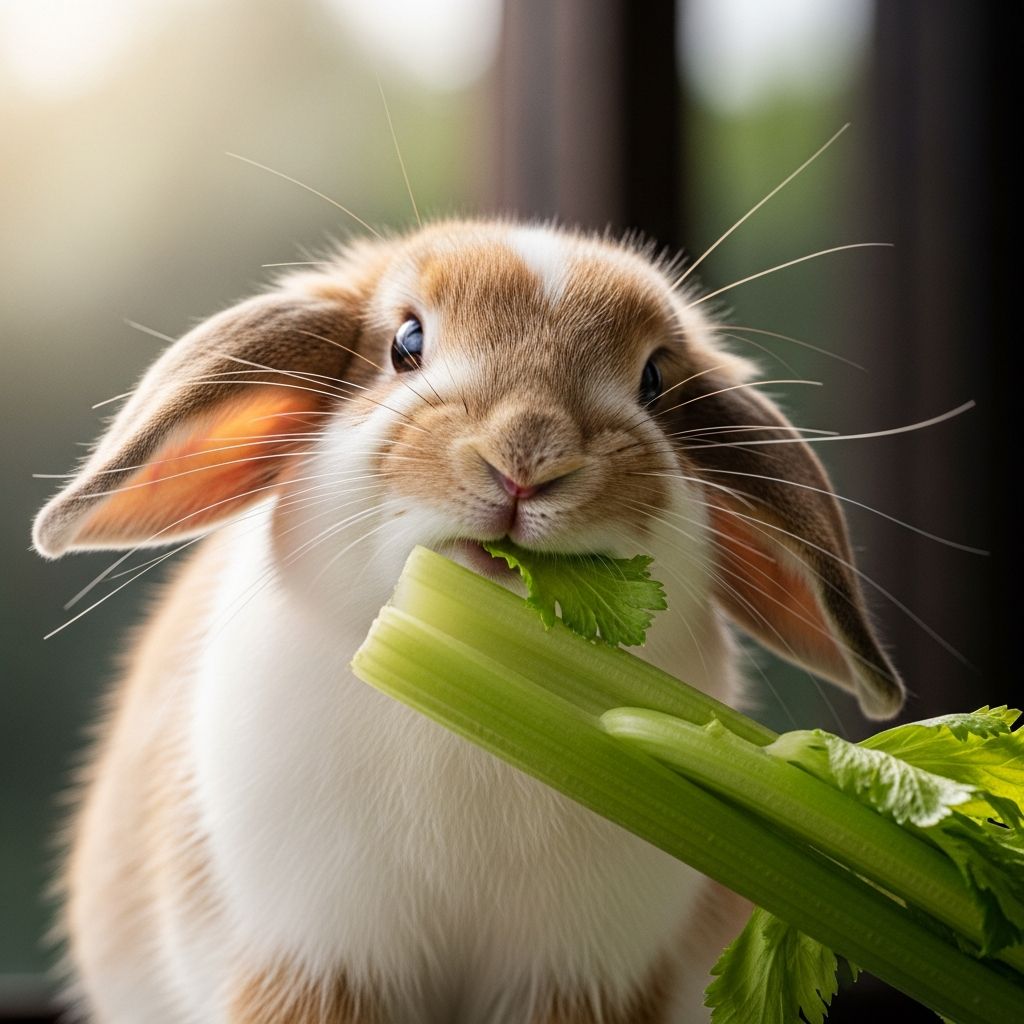
Can Rabbits Eat Celery?
Yes, rabbits can safely eat celery when it is prepared and served correctly. Celery can be a wonderful addition to your rabbit’s vegetable rotation, offering both nutritional benefits and mental enrichment. However, like all treats and vegetables outside of hay, celery should be given in moderation as part of a balanced diet. Understanding how to properly introduce and serve celery will ensure your bunny enjoys this crunchy snack safely.
Nutritional Benefits of Celery for Rabbits
Celery offers several important nutritional advantages for your pet rabbit. This low-calorie vegetable is an excellent choice for rabbits that need to maintain a healthy weight or are prone to obesity. Celery contains essential vitamins and minerals that support your rabbit’s overall health and wellness.
Key Nutrients Found in Celery
Celery provides your rabbit with several vital nutrients:
– Vitamin A: Supports vision and immune function- Vitamin C: Boosts immune system and provides antioxidant protection- Potassium: Essential for heart health and muscle function- Fiber: Critical for digestive health and regular bowel movements- Water content: Celery is 95% water, making it excellent for hydration
Hydration and Digestive Health
One of the most beneficial aspects of celery is its exceptional water content. Eating celery can help keep your rabbit hydrated, which is especially beneficial if your bunny doesn’t drink enough water from their bowl. The indigestible fiber in celery promotes healthy and regular digestion, maintaining proper gut bacteria balance and preventing digestive upset.
Dental Health Benefits
The crunchy texture of raw celery plays an important role in your rabbit’s dental health. Chewing on celery helps naturally wear down your rabbit’s ever-growing teeth, which is essential for preventing overgrowth and related dental problems. This mechanical action also provides enrichment and satisfies your rabbit’s natural need to chew.
Celery Parts: Stalks vs. Leaves
Both the stalks and leaves of celery are safe for rabbits to eat, and each offers unique benefits for your pet.
Celery Stalks
Celery stalks are the crunchy part that most people think of when they picture celery. Rabbits typically enjoy the satisfying crunch of celery stalks. Before offering stalks to your rabbit, ensure all parts are washed thoroughly to remove any pesticides or fertilizers that may have been applied during the farming process. Cut celery stalks into small, manageable pieces to prevent choking hazards.
Celery Leaves
Celery leaves may actually be more nutritious than the stalks themselves and should not be discarded. These tender leaves often contain more nutrients than the stalks and may even be your rabbit’s preferred part. Many rabbits prefer the softer texture and enhanced flavor of the leaves. Ensure celery leaves are thoroughly washed to remove any pesticides, insects, or dirt before serving them to your bunny.
How Much Celery Can Rabbits Eat?
Portion control is crucial when feeding celery to your rabbit. While celery offers nutritional benefits, it should never become the main component of your rabbit’s diet.
Daily Vegetable Guidelines
Adult rabbits should receive approximately 1 cup of vegetables per 4 pounds of body weight daily. Celery should be included in the vegetable rotation at approximately ⅛–¼ of the total amount of vegetables offered. This means if your rabbit receives 1 cup of mixed vegetables daily, only about 2 to 4 tablespoons should be celery.
Specific Celery Portions
As a practical guideline, don’t give your rabbit more than half a stalk of celery per day. Celery leaves can be added to your rabbit’s other leafy greens allocation, but rabbits shouldn’t receive more than 2 cups of leafy greens daily. Remember that celery should make up no more than 10% of your rabbit’s daily diet and should be supplemented with hay, fresh vegetables, and high-quality pellet food.
Vegetable Variety
Variety is key when offering vegetables to your pet rabbit. A good goal is to have three to five different vegetables on rotation to provide adequate nutrition and enrichment. This prevents boredom and ensures your rabbit receives a diverse range of nutrients from different sources.
Preparing Celery for Your Rabbit
Proper preparation ensures your rabbit can safely enjoy celery without health risks.
Washing and Cleaning
Always wash celery thoroughly under running water before offering it to your rabbit. This removes pesticides, fertilizers, and any dirt or insects that may be present on the vegetable. Pay special attention to the exterior leaves and stalks where residues are most likely to accumulate.
Raw vs. Cooked Celery
Only ever give your bunny raw celery; never serve cooked celery to your rabbit. Rabbits cannot digest cooked vegetables properly, which can lead to digestive upset and other health complications. The raw form also preserves all the nutritional benefits and provides the crunchy texture your rabbit enjoys.
Cutting and Sizing
Cut celery pieces into small, manageable sizes that do not present a choking hazard. Smaller pieces are easier for your rabbit to chew and digest properly.
Introducing Celery to Your Rabbit’s Diet
When adding celery to your rabbit’s diet for the first time, introduce it gradually and carefully.
Slow Introduction Process
Start with very small amounts of celery when you introduce it to your rabbit for the first time. This allows your rabbit’s digestive system to adjust to the new vegetable. Some rabbits may have sensitivities to certain vegetables that others tolerate well.
Monitoring for Reactions
After introducing celery, watch your rabbit carefully for any signs of digestive upset over the next few days. If your rabbit experiences any adverse reactions, discontinue feeding celery and consult with your veterinarian.
Potential Risks and Precautions
While celery is generally safe for rabbits, there are some important considerations to keep in mind.
Digestive Concerns
Too much celery can cause digestive upset and diarrhea in rabbits. Rabbits have sensitive digestive tracts, and some individual bunnies simply aren’t suited for certain vegetables. If your rabbit experiences digestive issues after eating celery, stop feeding it immediately and allow their digestive system to return to normal.
Choking Hazards
The stringy parts of celery can potentially get stuck in your rabbit’s teeth, similar to how they get stuck in human teeth. Additionally, these long strands could become caught in your rabbit’s throat, creating an uncomfortable situation or even presenting a choking risk. However, rabbits have very sharp teeth and can chew celery strings effectively to prevent blockages. Still, proper preparation with appropriately sized pieces minimizes any potential concerns.
Pesticide Residues
Always ensure celery is thoroughly washed before serving to your rabbit. Pesticides and fertilizers used in commercial farming can remain on the exterior of vegetables and potentially harm your pet.
Celery as an Enrichment Tool
Beyond basic nutrition, celery can serve as an enrichment activity for your rabbit.
Foraging Activities
Celery is excellent for creating foraging opportunities for your bunny. Chop celery into small pieces and hide the pieces around your rabbit’s enclosure to encourage natural foraging behavior. This mental stimulation keeps your rabbit engaged and entertained while providing physical activity.
Treat Training
You can use celery as a training treat or reward during interaction sessions with your rabbit. The low-calorie nature of celery makes it an ideal treat choice for maintaining your rabbit’s healthy weight while still providing positive reinforcement.
Building a Balanced Rabbit Diet
Celery should be understood as one small component of a comprehensive rabbit diet, not as a dietary staple.
The Foundation: Hay
The most important part of your rabbit’s diet should be fresh hay and grass. Hay contains most of the fiber and nutrients that rabbits need to maintain optimal health. The focus of your rabbit’s diet should remain on the hay pile, with fun foods like celery serving as a much smaller piece of the puzzle.
Complete Diet Composition
A balanced rabbit diet should include:
– Hay and grass: 80-90% of daily intake (timothy hay, orchard grass, or similar varieties)- Fresh vegetables: Approximately 10-15% of daily intake, including celery in rotation- Pellets: High-quality rabbit pellets in appropriate amounts- Water: Fresh, clean water available at all times
Maintaining Digestive Balance
When maintaining a balanced diet, the goal isn’t to give equal amounts of everything but rather to keep your rabbit’s digestive system and gut bacteria balanced. Without proper balance, bad bacteria can take over, leading to digestive problems and health issues.
Celery vs. Other Popular Rabbit Vegetables
Understanding how celery compares to other vegetables can help you make informed dietary choices for your rabbit.
| Vegetable | Calorie Level | Water Content | Key Benefits | Feeding Frequency |
|---|---|---|---|---|
| Celery | Very Low | 95% | Hydration, fiber, dental health | Daily (in moderation) |
| Carrots | High in sugar | Moderate | Vitamin A, crunchiness | 2-3 times per week (treat) |
| Kale | Low | Moderate | Vitamin A, K, calcium | Sparingly (high calcium) |
| Broccoli | Low | Moderate | Fiber, vitamin C | Occasionally (moderation) |
| Lettuce | Very Low | Very High | Hydration, few calories | Daily rotation |
Celery stands out as an excellent low-calorie, high-water-content option that can be included daily as part of a vegetable rotation, unlike carrots which are high in sugar and should be treated more like fruit.
Frequently Asked Questions About Rabbits and Celery
Q: Is celery better for rabbits than carrots?
A: While both are safe, celery is a better everyday vegetable choice because it’s very low in sugar and high in water content, while carrots are high in sugar and should be limited to occasional treats similar to fruit.
Q: Can baby rabbits eat celery?
A: Baby rabbits have developing digestive systems and should primarily eat hay and mother’s milk if still nursing. Always consult your veterinarian before introducing any vegetables to baby rabbits.
Q: How often can rabbits eat celery?
A: Celery can be offered daily as part of your rabbit’s vegetable rotation, but portions should be small (approximately ⅛–¼ of total vegetables) to maintain a balanced diet.
Q: Can rabbits eat celery seeds?
A: While celery seeds are technically safe in very small amounts, they should be avoided as they’re not necessary for your rabbit’s diet and could pose choking hazards.
Q: What should I do if my rabbit has diarrhea after eating celery?
A: Stop feeding celery immediately and monitor your rabbit’s condition. If diarrhea persists for more than a day or your rabbit shows other signs of illness, contact your veterinarian.
Q: Can rabbits eat celery root?
A: Celery root (celeriac) is different from regular celery and is a root vegetable. While rabbits can eat small amounts, it should be given occasionally rather than daily, similar to other root vegetables.
Q: Is frozen celery safe for rabbits?
A: Fresh celery is preferred, as frozen celery may become mushy when thawed. Stick to raw, fresh celery for the best texture and nutritional benefits.
References
- What Can Rabbits Eat: Beyond Leafy Greens — Somerzby. 2025. https://www.somerzby.com.au/blog/what-can-rabbits-eat/
- Can Rabbits Eat Celery? — PetMD. 2025. https://www.petmd.com/rabbit/can-rabbits-eat-celery
- Crunchy Conundrum: Can Rabbits Eat Celery? — Small Pet Select. 2025. https://smallpetselect.com/crunchy-conundrum-can-rabbits-eat-celery/
- Rabbit Welfare: Diet — Royal Society for the Prevention of Cruelty to Animals (RSPCA). 2025. https://www.rspca.org.uk/adviceandwelfare/pets/rabbits/diet
- Can Rabbits Eat Celery — Mora Angora. 2025. https://www.moraangora.com/post/can-rabbits-eat-celery
Similar Articles








Read full bio of Sneha Tete