Can Rabbits Eat Cabbage? Safe Feeding Guide And Tips
Learn if cabbage is safe for rabbits, nutritional benefits, and feeding guidelines.
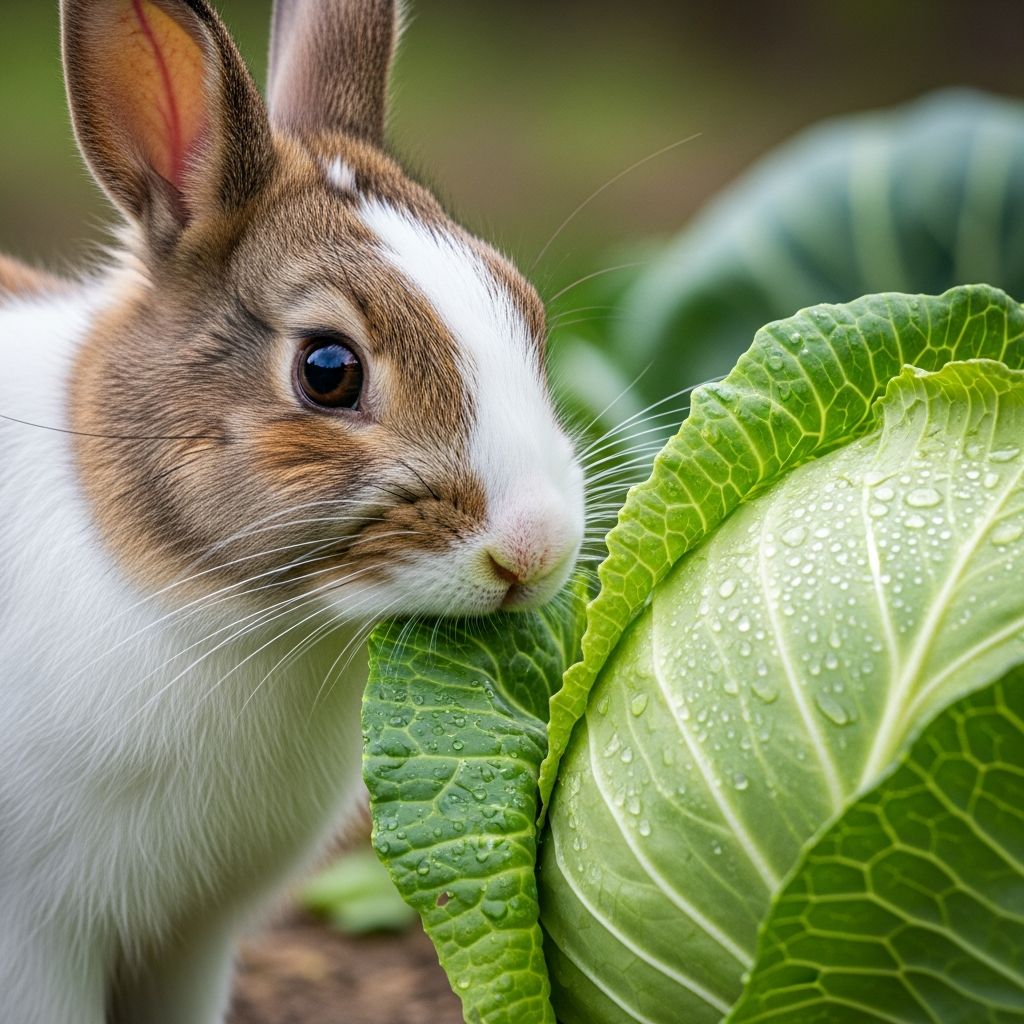
Can Rabbits Eat Cabbage? A Comprehensive Feeding Guide
Rabbits are known for their love of fresh vegetables, and cabbage is often a question that rabbit owners ask themselves. The straightforward answer is yes, rabbits can eat cabbage, but like most things in a rabbit’s diet, moderation and proper preparation are essential. Cabbage can be a nutritious addition to your rabbit’s daily meals when fed appropriately, providing valuable nutrients and enrichment. However, understanding the potential risks and feeding guidelines will help ensure your bunny remains healthy and happy.
Nutritional Benefits of Cabbage for Rabbits
Cabbage is surprisingly nutrient-dense and offers several important vitamins and minerals that contribute to your rabbit’s overall health and wellbeing. When included as part of a balanced diet, this vegetable can provide multiple nutritional advantages.
Vitamins and Minerals
Cabbage contains an impressive array of essential vitamins that support various bodily functions in rabbits. The vegetable is particularly high in vitamin K, which plays a crucial role in blood clotting and bone health. Additionally, cabbage provides significant amounts of vitamin C, supporting immune system function, and vitamin A, which is vital for eye health and vision. The mineral content of cabbage is equally beneficial, including calcium, magnesium, phosphorus, potassium, and zinc, all of which contribute to bone strength, metabolic function, and overall wellness.
Dietary Fiber for Digestive Health
One of the most important benefits of cabbage for rabbits is its high fiber content. Dietary fiber is absolutely essential for maintaining healthy rabbit digestion and preventing serious gastrointestinal issues like GI stasis, a potentially life-threatening condition where the digestive system slows or stops moving. The fiber in cabbage helps keep the digestive tract moving properly and supports optimal gut health.
Hydration Support
Cabbage has a high water content, which can contribute to your rabbit’s overall hydration levels. This is particularly valuable since many rabbits don’t drink as much water as they should. Proper hydration is essential for preventing kidney issues and maintaining healthy bodily functions.
Variety and Enrichment
Offering a variety of vegetables, including cabbage, ensures that your rabbit receives a wide spectrum of nutrients and helps keep mealtimes interesting and engaging. A diverse diet encourages healthy eating habits and provides mental enrichment, which is important for your rabbit’s psychological wellbeing.
Types of Cabbage Safe for Rabbits
Not all cabbages are created equal, and rabbit owners should be aware that different varieties are available. The good news is that multiple cabbage types are safe for rabbits to consume.
Green Cabbage
Green cabbage is the most commonly available type and is completely safe for rabbits to eat. This variety is often the easiest to find at grocery stores and farmers markets, making it a convenient choice for rabbit owners.
Red Cabbage
Red cabbage is also safe for rabbits, though it’s worth noting that red cabbage is generally lower in calcium compared to green cabbage. This can make red cabbage a better choice if your rabbit is prone to calcium-related urinary issues or bladder stone formation.
Savoy and Napa Cabbage
Both savoy and napa cabbages are safe alternatives and can add variety to your rabbit’s vegetable rotation. These varieties offer similar nutritional profiles to green cabbage and can help prevent dietary monotony.
Potential Risks and Concerns
While cabbage offers numerous nutritional benefits, there are important considerations that every rabbit owner should understand before feeding this vegetable to their pets.
Gas and Bloating
The primary concern with cabbage is its tendency to cause excessive gas production in rabbits. Unlike humans, rabbits have extremely sensitive digestive systems, and gas trapped in their stomach or intestines can cause serious complications. Any gas that accumulates can literally tie their digestive system in knots, causing intense pain, bloating, and loss of appetite. In severe cases, excessive gas accumulation can even be life-threatening.
Calcium Considerations
Cabbage contains calcium, which is essential for rabbits but can be problematic when consumed in excessive amounts. High calcium intake may lead to urinary problems and the formation of bladder stones, particularly in rabbits that are prone to these issues. Balancing cabbage with low-calcium vegetables helps mitigate this risk.
Diarrhea and Digestive Upset
Overfeeding cabbage can result in digestive issues including diarrhea and other gastrointestinal disturbances. This emphasizes the importance of portion control and gradual introduction when adding cabbage to your rabbit’s diet.
Feeding Guidelines and Portion Control
Understanding how much cabbage to feed your rabbit and how often is crucial for maximizing benefits while minimizing risks.
Portion Sizes
Rabbits should receive only small portions of cabbage as part of their overall vegetable intake. A general guideline is to give a rabbit one packed cup of greens per two pounds of body weight, and cabbage should only comprise a portion of this total. For example, a five-pound rabbit should receive approximately two to three cups of mixed vegetables and greens daily, with cabbage making up only a small percentage of that total.
Frequency of Feeding
While rabbits can technically have cabbage daily if you are cautious, it should only comprise part of their total leafy green intake, combined with other vegetables that present fewer digestive concerns. Rotating cabbage with other rabbit-safe vegetables like bell peppers, broccoli, carrots, cucumber, kale, and pak choi provides better nutritional balance and reduces digestive risk.
Introduction Method
When introducing cabbage to a rabbit’s diet for the first time, it’s recommended to do so gradually over a seven to fourteen-day period. This slow introduction allows your rabbit’s digestive system to adjust and helps you monitor for any adverse reactions. Start with very small amounts and gradually increase the portion size over the introduction period.
Other Vegetables to Include in Your Rabbit’s Diet
To create a balanced and nutritious diet for your rabbit, incorporate a variety of safe vegetables alongside cabbage. Safe options include bell peppers, broccoli, carrots, cucumber, kale, pak choi, and spinach (though spinach should be fed sparingly due to its oxalate content).
The Importance of a Well-Rounded Diet
While cabbage can be a healthy addition to your rabbit’s diet, it should never comprise the entire vegetable intake or replace other essential dietary components. A well-rounded rabbit diet consists of:
- Unlimited high-quality hay (the foundation of every rabbit’s diet)
- A variety of fresh vegetables and leafy greens (approximately one packed cup per two pounds of body weight)
- Limited pellets (according to your veterinarian’s recommendations)
- Fresh water available at all times
This combination ensures your rabbit receives all necessary nutrients while maintaining optimal digestive health.
Monitoring Your Rabbit for Adverse Reactions
After introducing cabbage or any new food to your rabbit’s diet, monitor your pet closely for any signs of digestive distress. Watch for symptoms including decreased appetite, lethargy, soft stools, diarrhea, or behavioral changes indicating pain or discomfort. If you notice any of these signs, discontinue cabbage and consult with your veterinarian.
Special Considerations for Rabbits with Digestive Sensitivity
Some rabbits have naturally sensitive digestive systems or may have a history of gastrointestinal issues. These rabbits may be more prone to gas and bloating from cabbage and similar vegetables like broccoli and Brussels sprouts. If your rabbit falls into this category, consult with your veterinarian before introducing cabbage or consider using alternative vegetables with lower gas-producing potential.
Frequently Asked Questions
Q: Can baby rabbits eat cabbage?
A: Baby rabbits have even more sensitive digestive systems than adult rabbits. It’s generally recommended to wait until your rabbit is at least three to four months old and established on a good diet of hay and pellets before introducing fresh vegetables like cabbage.
Q: Is it okay to feed rabbits raw cabbage?
A: Yes, rabbits should eat cabbage raw, never cooked. Cooked vegetables can damage the beneficial bacteria in your rabbit’s digestive system and may cause serious health issues.
Q: How much cabbage is too much?
A: Cabbage should make up only a small portion of your rabbit’s overall vegetable intake. As a rotating vegetable option combined with other greens, small amounts several times per week is appropriate.
Q: Can I give my rabbit cabbage leaves or just the head?
A: Both cabbage leaves and pieces from the head are safe. Many rabbits enjoy the outer leaves, which provide a satisfying crunch and enrichment.
Q: What should I do if my rabbit develops gas after eating cabbage?
A: If your rabbit shows signs of gas or bloating, discontinue cabbage immediately and contact your veterinarian. In the meantime, offer plenty of hay and monitor closely for any worsening symptoms.
Q: Is red or green cabbage better for rabbits?
A: Both are safe, but red cabbage is lower in calcium, making it a potentially better choice for rabbits prone to urinary or bladder stone issues.
Conclusion
Cabbage can be a valuable and nutritious addition to your rabbit’s diet when fed appropriately. Packed with essential vitamins, minerals, dietary fiber, and hydration support, this vegetable offers legitimate health benefits for your furry companion. However, responsible feeding practices are absolutely essential. Always introduce cabbage gradually, feed in small portions as part of a varied vegetable rotation, and monitor your rabbit carefully for any signs of digestive distress. By following these guidelines and maintaining a well-rounded diet centered on quality hay, your rabbit can safely enjoy cabbage while thriving in optimal health.
References
- Can Rabbits Eat Cabbage? — GuineaDad. 2024. https://www.guineadad.com/blogs/bunnydad-blogs/can-rabbits-eat-cabbage
- Can Rabbits Eat Cabbage? Is it Safe? — New Life On A Homestead. 2024. https://www.newlifeonahomestead.com/can-rabbits-eat-cabbage/
- Can Rabbits Eat Cabbage? Do’s & Don’ts for a Healthy Bunny Diet — Hay Day. 2024. https://hay-day.co.uk/blogs/advice/can-rabbits-eat-cabbage
- What Can Rabbits Eat… Part Two — Everypaw. 2024. https://www.everypaw.com/all-things-pet/can-rabbits-eat-part-two
- What Are the Best Vegetables and Leafy Greens for Rabbits? — Oxbow Animal Health. 2024. https://oxbowanimalhealth.com/blog/what-are-the-best-vegetables-and-leafy-greens-for-rabbits/
Similar Articles








Read full bio of Sneha Tete