Can Rabbits Eat Broccoli? A Complete Guide
Learn whether rabbits can safely eat broccoli and how to serve it properly.
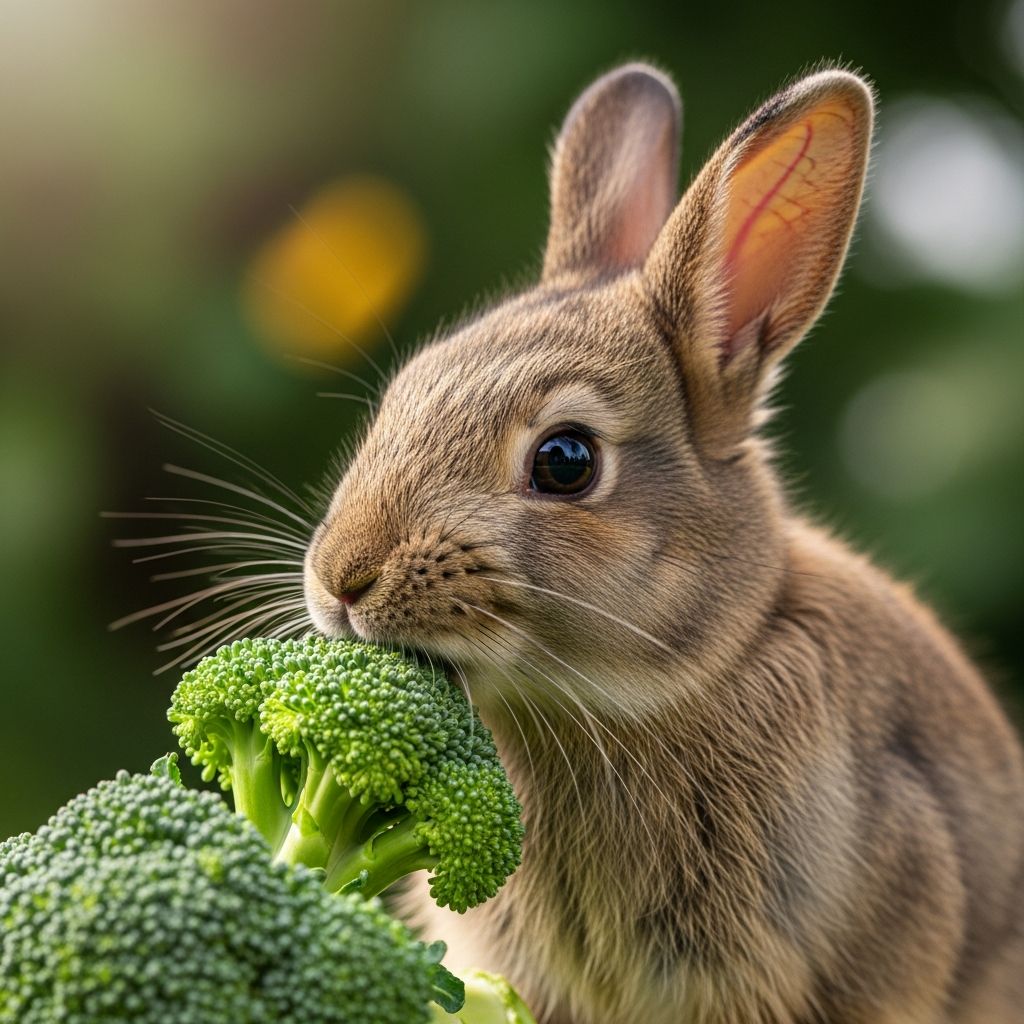
Can Rabbits Eat Broccoli?
Broccoli is a common vegetable found in most kitchens, and many rabbit owners wonder if their furry companions can safely enjoy this nutritious green. The good news is that yes, rabbits can eat broccoli! However, like many vegetables, broccoli should be offered in moderation and with careful attention to portion sizes. This crunchy veggie offers several rabbit-friendly benefits, but overfeeding it can lead to digestive upset and discomfort. Before introducing any new food into your rabbit’s diet, always consult with your veterinarian to ensure it’s appropriate for your specific pet.
Can Rabbits Have Broccoli?
Rabbits can absolutely have broccoli, but they shouldn’t be given a whole stalk at once. The good news is that rabbits can enjoy different parts of the broccoli plant, including the florets, stems, and leaves. However, not all parts are equally suitable for your bunny’s digestive system. The leaves tend to be the easiest on their sensitive stomachs and are generally the safest option for regular consumption.
It’s crucial to stick to raw broccoli only. While cooked vegetables might seem softer and easier to digest, they actually lose many of the valuable nutrients that make broccoli worth offering in the first place. Raw broccoli maintains its nutritional profile and is the best choice for your rabbit’s health and wellbeing.
Is Broccoli Good for Rabbits?
When given in appropriate amounts, broccoli can provide several nutritional benefits to your rabbit’s diet. Understanding these benefits can help you appreciate why broccoli makes a good occasional treat:
- Rich in Vitamin C: This essential nutrient supports immune function and helps your rabbit’s body fight off illness and infection.
- Contains Fiber: Fiber plays an important role in supporting healthy digestion and maintaining proper gut function in rabbits.
- Includes Antioxidants: These compounds help protect cells from damage caused by free radicals and oxidative stress.
- Low in Calories: Broccoli is a low-calorie treat option, making it suitable for weight management.
- Balanced Calcium-Phosphorus Ratio: Broccoli contains a moderate calcium content with a phosphorus-calcium ratio close to 1, making it suitable for rabbits, especially those requiring a low-calcium diet.
Is Broccoli Bad for Rabbits?
While broccoli offers nutritional benefits, it can present challenges if your rabbit consumes too much. The key issue is that broccoli contains tough fibers that can produce digestive gases in rabbits, leading to uncomfortable bloating and other digestive issues. Understanding the potential problems helps you feed broccoli safely:
- Gas and Bloating: Especially from the stalks and florets, which contain more of the tough, indigestible fibers.
- Diarrhea or Soft Stools: Excessive broccoli consumption can cause loose digestive output.
- Reduced Appetite: Your rabbit may show signs of discomfort and refuse to eat normally.
- Digestive Distress: Your bunny may display visible signs of stomach pain or discomfort.
The best approach is to start with a small piece and carefully observe how your rabbit reacts. If they handle it well, you can offer it occasionally, but always stick primarily to the leafy parts, which tend to be much easier on their digestive system compared to the tougher stalks and florets.
How Much Broccoli Can My Rabbit Eat?
Portion control is essential when feeding broccoli to your rabbit. An appropriate serving of broccoli for an average adult rabbit is approximately 1 tablespoon, offered two to three times per week. Some sources recommend limiting portions to one floret or about 20 grams per meal at most.
Broccoli should always be considered a treat, not a staple food in your rabbit’s diet. It should make up no more than 2% of your rabbit’s daily caloric intake. Your rabbit’s diet should be primarily composed of:
- High-quality hay (the foundation of a rabbit’s diet)
- Pellets (in appropriate quantities)
- Fresh water
- Various other vegetables rotated throughout the week
Always check with your veterinarian regarding the correct amount for your particular bunny, as individual rabbits have different dietary needs and sensitivities.
How To Safely Feed Broccoli to Your Rabbit
Preparing and serving broccoli correctly ensures your rabbit enjoys this vegetable safely and gets the maximum nutritional benefit:
Preparation Steps
- Give It a Good Rinse: Pesticides and rabbits don’t mix well together. Wash broccoli thoroughly under running water to remove any chemical residues and keep your rabbit’s digestion on track.
- Go for Organic If You Can: Organic broccoli is a safer bet for your bunny’s delicate digestive system, as it contains fewer pesticide residues.
- Skip the Thick Stems: Thicker, tougher stems are harder for rabbits to chew and are more likely to cause digestive trouble. Focus on tender stems and leaves.
- Cut Into Appropriate Sizes: Slice broccoli into small, manageable pieces that your rabbit can easily eat.
- Store Properly: Keep any excess broccoli in the refrigerator to maintain freshness.
- Introduce Gradually: If your rabbit has never had broccoli before, start with very small amounts to allow their digestive system to adjust gradually.
My Rabbit Ate Too Much Broccoli—What Do I Do?
Accidents happen, and sometimes your bunny might get into the veggie drawer and consume more broccoli than recommended. If this occurs, it’s important to monitor your rabbit closely for signs of digestive distress. Watch for these warning signs:
- Visible bloating or a swollen belly
- Lethargy or unusual lack of energy
- Reduced appetite or refusing to eat
- Tiny or no poops (indicating a digestive slowdown)
- Unusual gurgling or stomach sounds
- Signs of pain or discomfort
If you notice any of these symptoms, it’s time to call your veterinarian. Until then, offer unlimited hay and remove any other treats from their diet to simplify their digestive workload. Your vet may suggest a treatment plan to help get their digestion moving again and rule out more serious issues like gastrointestinal (GI) stasis, which can be a medical emergency in rabbits.
What Vegetables Can Rabbits Eat?
Broccoli is just one of many vegetables that can be safely incorporated into your rabbit’s diet. Variety is important for nutritional balance and to keep your rabbit interested in their meals. Here are other rabbit-safe vegetables you can offer:
- Bell peppers (remove the seeds)
- Bok choy
- Cabbage
- Carrots (in moderation due to sugar content)
- Celery
- Cilantro, parsley, basil, and mint
- Cucumber
- Kale, mustard greens, and dandelion greens (feed sparingly due to high calcium content or potential for gas)
- Romaine lettuce
- Spinach (in moderation)
Rotate these vegetables throughout the week to provide a diverse range of nutrients and prevent your rabbit from becoming bored with their diet. Different vegetables offer different nutritional profiles, so variety ensures your rabbit receives comprehensive nutrition.
FAQs About Broccoli for Rabbits
Q: Can baby rabbits eat broccoli?
A: No, baby rabbits should not eat broccoli. Their digestive systems are still developing and are much more sensitive to gas-producing vegetables. Baby rabbits should focus on hay, mother’s milk (if young), and age-appropriate pellets until they’re older and their digestive systems have matured sufficiently.
Q: Can rabbits eat raw broccoli?
A: Yes, rabbits should only eat raw broccoli. Cooked vegetables lose nutrients and may upset your rabbit’s stomach. Raw broccoli maintains its nutritional value and is the safest preparation method for your bunny.
Q: Can rabbits eat broccoli stalks?
A: Yes, rabbits can eat broccoli stalks, but they’re more likely to cause gas and digestive discomfort than other parts. If you do offer stalks, provide only small pieces and watch carefully for signs of bloating, such as a swollen belly, reduced appetite, or decreased poop production.
Q: Can rabbits eat broccoli leaves?
A: Yes, broccoli leaves are generally safer and better tolerated than stalks or florets. The leaves contain less of the tough fiber that causes gas, making them the best part of the broccoli plant to offer your rabbit.
Q: How often should I feed my rabbit broccoli?
A: Broccoli should be offered no more than two to three times per week in small amounts (approximately 1 tablespoon per serving). This frequency ensures your rabbit enjoys the nutritional benefits without overexposure to the gas-producing compounds in broccoli.
Q: What should I do if my rabbit doesn’t like broccoli?
A: That’s perfectly fine! All rabbits have distinctive tastes and preferences. While some rabbits love eating broccoli, others may not find it appealing and won’t eat it. There are plenty of other vegetables available to provide variety in their diet.
Q: Are there any rabbits that shouldn’t eat broccoli?
A: Yes. Rabbits with sensitive digestive systems, existing digestive conditions, or allergies and intolerances should avoid broccoli altogether. Additionally, rabbits requiring a low-calcium diet should have broccoli only with veterinary approval, despite its moderate calcium content.
References
- Can Rabbits Eat Broccoli? — Chewy Education. 2025. https://www.chewy.com/education/small-pet/rabbit/can-rabbits-eat-broccoli
- Can rabbits eat broccoli? We asked a vet to confirm — PetsRadar. https://www.petsradar.com/advice/can-rabbits-eat-broccoli
- Feeding your rabbits — PDSA. https://www.pdsa.org.uk/pet-help-and-advice/looking-after-your-pet/rabbits/feeding-your-rabbits
- What Do Rabbits Eat? Which Vegetables and Fruit Are Good for Them — Animal Hotels. https://animalhotels.com/gb/blog/rodents-and-small-mammals/what-do-rabbits-eat-which-vegetables-and-fruit-are-good-for-them
- Broccoli for Rabbits — Rabbits World. https://rabbits.world/en/magazine/broccoli-for-rabbits/
Similar Articles








Read full bio of medha deb