

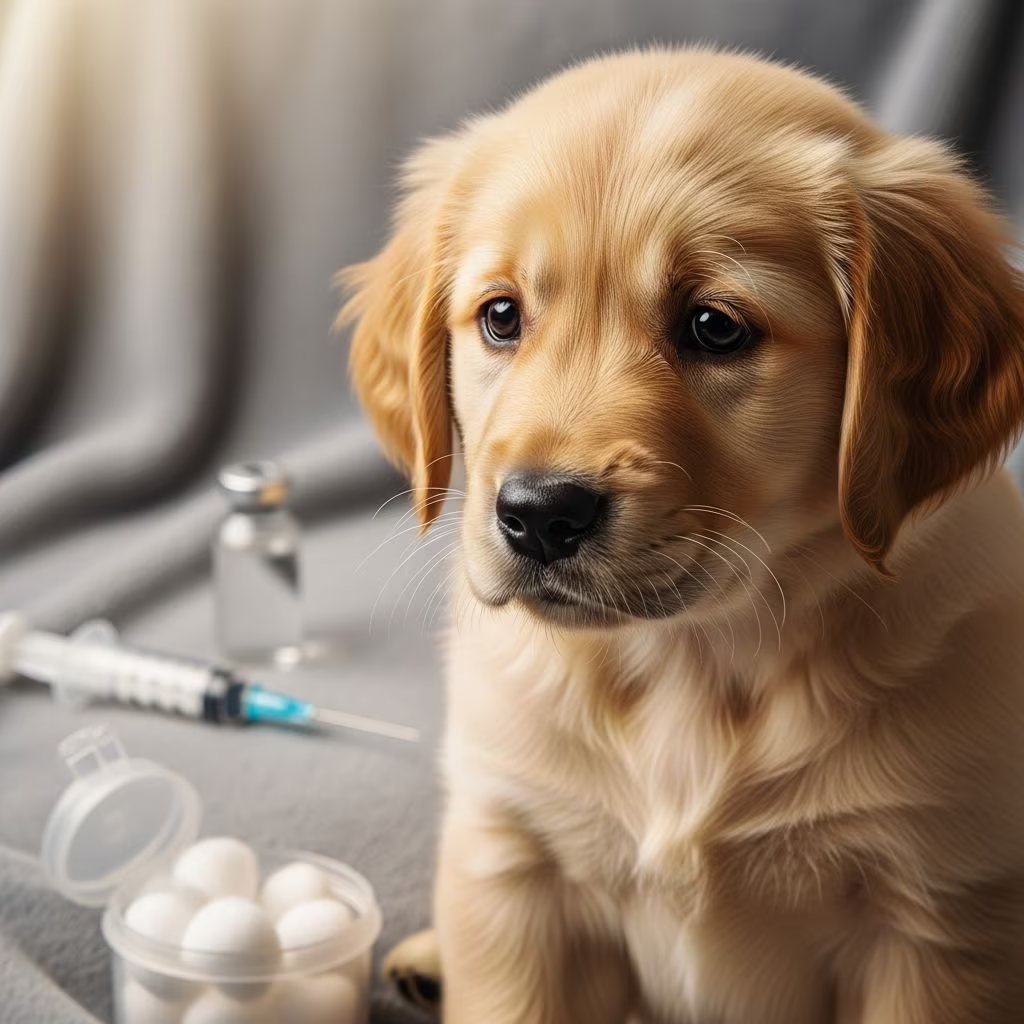
Diabetes mellitus in puppies is exceptionally rare, primarily affecting middle-aged and senior dogs, but young pups can occasionally develop it due to genetic factors, pancreatic issues, or congenital defects. This condition disrupts blood sugar regulation, requiring prompt veterinary intervention for lifelong management.
Understanding Diabetes in Young Dogs
Canine diabetes occurs when the pancreas fails to produce sufficient insulin or when the body resists its effects, leading to elevated glucose levels in the blood. In puppies, this is uncommon because their pancreatic function is typically robust during early development. Most cases in dogs mirror Type 1 diabetes in humans, where beta cells in the pancreas are destroyed, necessitating external insulin supply. Factors like chronic pancreatitis, obesity (though less common in pups), or immune-mediated damage can contribute, but in juveniles, genetic predispositions or infections may play a role.
Unlike adult dogs, where obesity is a major risk (affecting 60% of U.S. dogs), puppies rarely face this issue unless overfed. Breeds like Poodles, Dachshunds, and certain Terriers show higher susceptibility overall, potentially extending to young ones with hereditary traits.
Early Warning Signs in Puppies
Recognizing symptoms early is crucial for puppies, as their small size amplifies risks from imbalances. Common indicators include:
- Excessive thirst (polydipsia): Pups drink far more water than usual, often soaking bedding.
- Frequent urination (polyuria): Accidents increase, with larger urine volumes.
- Unexplained weight loss: Despite normal or increased eating, puppies slim down rapidly.
- Lethargy and weakness: Reduced playfulness and energy levels drop noticeably.
- Changes in appetite: Either ravenous hunger or sudden loss of interest in food.
- Sweet-smelling breath: A fruity odor signals ketoacidosis, a dangerous complication.
These signs mimic other puppy ailments like urinary infections, so professional diagnosis is essential. Owners often notice polydipsia and polyuria first, as high glucose spills into urine, drawing water out and causing dehydration.
How Veterinarians Diagnose Puppy Diabetes
Diagnosis starts with a thorough history and physical exam, followed by blood tests measuring glucose levels. Persistent hyperglycemia above 200 mg/dL confirms suspicion. Urinalysis checks for glucose in urine (glucosuria), a hallmark sign. Additional tests like fructosamine levels provide a longer-term glucose average, ruling out stress-induced spikes (stress hyperglycemia, common in young pups).
For puppies, vets may hospitalize for initial stabilization if ketoacidosis is present—symptoms include vomiting, rapid breathing, and collapse. Imaging like ultrasound assesses pancreatic health, while ruling out concurrent issues like infections.
| Test | Purpose | Normal Range (Dogs) |
|---|---|---|
| Blood Glucose | Detects hyperglycemia | 70-150 mg/dL |
| Urinalysis | Checks for glucosuria | Negative for glucose |
| Fructosamine | Assesses 2-3 week glucose average | 200-360 µmol/L |
| Complete Blood Count (CBC) | Identifies infections or anemia | Varies by lab |
Primary Treatment: Insulin Therapy Essentials
Insulin injections form the cornerstone of treatment, typically twice daily for puppies with Type 1 diabetes. Vets select types like Vetsulin, Humulin N, or Levemir based on the pup’s response. Owners learn subcutaneous administration—simple under the skin, often in loose areas like the scruff. Start low doses to avoid hypoglycemia.
Feed before injecting to prevent lows; if a puppy skips food, halve or skip the dose. Hospitalization may initiate therapy with rapid-acting insulin for sick pups. Regular monitoring via home glucometers or vet curves (serial glucose checks) fine-tunes dosing.
Nutrition Strategies for Diabetic Puppies
Diet profoundly impacts glucose control. Opt for high-protein, high-fiber, low-fat foods with complex carbs to slow sugar absorption. Consistency in meals—same time, amount daily—pairs with insulin timing. Avoid simple sugars; prescription diets from vets stabilize levels better than over-the-counter options.
- Protein: 30-50% from quality sources like chicken or fish.
- Fiber: Soluble types (e.g., from beet pulp) moderate glucose spikes.
- Fat: Keep under 15% to prevent pancreatitis.
- Portion control: Prevents obesity, even in growing pups.
Increase water intake with fiber-rich diets to avoid constipation. Treats must be low-carb, like green veggies.
Exercise and Lifestyle Adjustments
Moderate, consistent activity burns glucose predictably. Daily walks or play sessions—same duration, intensity—prevent swings. Puppies need tailored routines to match growth without exhaustion. Indoor living minimizes stress from weather or variables disrupting control.
Spaying females early may reduce risks from hormone excesses mimicking diabetes.
Potential Complications and Monitoring
Untreated, diabetes leads to ketoacidosis, cataracts, infections, or organ failure. Hypoglycemia from overdose causes seizures—treat with corn syrup followed by food. Monthly vet visits initially, then quarterly, track fructosamine and eye health.
Home monitoring: Track weight, water intake (under 1 oz/lb/day normal), urine glucose strips. Apps log data for vets.
Prognosis for Puppies with Diabetes
With diligent care, diabetic puppies thrive into adulthood, often living normal lifespans. Unlike Type 2 in obese adults, puppy cases are insulin-dependent but manageable. Early intervention prevents comorbidities like neuropathy.
Prevention Tips for Puppy Owners
Maintain ideal weight via portioned feeding, regular exercise. Avoid over-supplementation; screen high-risk breeds genetically if possible. Prompt pancreatitis treatment preserves pancreatic function.
Frequently Asked Questions (FAQs)
Is diabetes curable in puppies?
No, it’s lifelong, but excellent control mimics a cure. Insulin and diet manage it effectively.
How often do insulin shots occur?
Usually twice daily, timed with meals.
Can diet alone manage puppy diabetes?
Rarely; insulin is essential for Type 1 cases dominant in dogs.
What if my puppy refuses food before insulin?
Reduce or skip dose; contact vet.
Are there oral medications for dogs?
Not standard; insulin is primary. Some Type 2 cases trial them.
Long-Term Success Stories and Outlook
Many owners report vibrant, active diabetic pups post-diagnosis. Commitment yields rewards—regular checkups, precise routines ensure quality life. Consult Cornell or AVMA resources for updates.
References
- How to Treat Diabetes in Dogs — LakeCross Veterinary Hospital. 2020-06-12. https://www.lakecross.com/site/blog-huntersville-vet/2020/06/12/how-treat-diabetes-dogs
- Diabetes Mellitus: Insulin Treatment in Dogs — VCA Animal Hospitals. N/A. https://vcahospitals.com/know-your-pet/diabetes-mellitus-insulin-treatment-in-dogs
- Diabetes in Dogs: Symptoms, Causes, Diagnosis, & Treatment — American Kennel Club. N/A. https://www.akc.org/expert-advice/health/diabetes-in-dogs/
- Recognizing the Signs of Diabetes in Dogs and Cats — Homey Gnome Vet. N/A. https://homeygnomevet.com/recognizing-the-signs-of-diabetes-in-dogs-and-cats/
- Diagnosing and Treating Diabetes in Pets — ASPCA. N/A. https://www.aspca.org/news/diagnosing-and-treating-diabetes-pets
- Managing Diabetes in Dogs & Cats: A Guide for Pet Owners — Cobb Veterinary. N/A. https://cobb.vet/managing-diabetes-in-dogs-cats-a-guide-for-pet-owners/
- Managing Canine Diabetes — Cornell University College of Veterinary Medicine. N/A. https://www.vet.cornell.edu/departments-centers-and-institutes/riney-canine-health-center/canine-health-information/managing-canine-diabetes
- Diabetes in Pets — American Veterinary Medical Association. N/A. https://www.avma.org/resources-tools/pet-owners/petcare/diabetes-pets



