

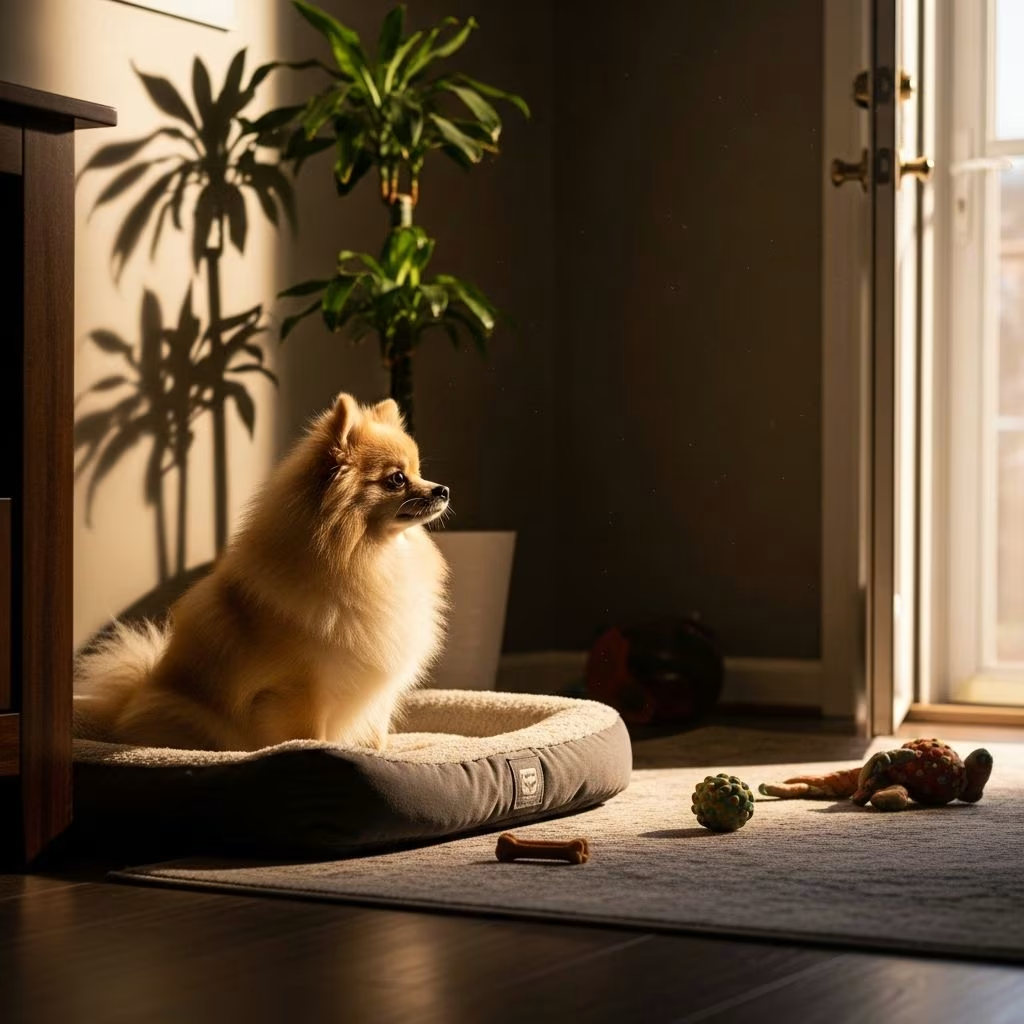
Pomeranians, with their vibrant personalities and compact size, thrive on companionship but can adapt to alone time when properly prepared. Healthy adults tolerate 6-8 hours independently, while puppies need constant supervision limited to under 1 hour.
Understanding Pomeranian Temperament and Independence
These fluffy companions are intelligent and quick learners, ranking high in adaptability among toy breeds. However, their strong bonds with owners make prolonged isolation challenging, potentially leading to stress behaviors like whining or destructive chewing. Building confidence through gradual exposure ensures they view alone time positively.
Key factors influencing tolerance include age, training level, and health. Well-socialized Poms handle solitude better, enjoying toys and rest rather than pacing anxiously. Owners must prioritize mental stimulation to match their alert, playful nature.
Age-Based Guidelines for Alone Time
Duration varies significantly by life stage. Puppies demand frequent check-ins due to tiny bladders and developmental needs, while mature dogs gain self-reliance.
| Age Group | Max Safe Alone Time | Key Considerations |
|---|---|---|
| Puppy (under 6 months) | 1 hour | Potty training essential; risk of accidents and distress. |
| Adolescent (6-12 months) | 2-4 hours | Building independence; monitor for chewing or barking. |
| Adult (1+ years) | 6-8 hours | Potty trained, low anxiety; provide amenities. |
Beyond 8 hours risks unmet needs like fresh water or exercise, even in trained dogs. Exceptions require professional oversight.
Signs of Separation Anxiety in Pomeranians
Anxiety manifests as excessive barking, house soiling, or escape attempts when owners depart. Triggers include sudden routine changes or past traumas. Early detection prevents escalation—watch for pacing, drooling, or self-harm like excessive licking.
- Vocal distress: Howling that persists post-departure.
- Physical clues: Destroyed furniture or soiled areas away from potty spots.
- Behavioral shifts: Clinginess upon return or refusal to eat alone.
Unlike boredom, true anxiety involves panic; consult vets to rule out medical issues like urinary problems mimicking accidents.
Step-by-Step Training for Alone Time
Desensitization builds tolerance through progressive absences. Start small to associate departures with calm.
- Daily short separations: Leave for 1-5 minutes, return without fanfare. Gradually extend to 30 minutes over weeks.
- Cue neutralization: Perform exit routines (keys, shoes) without leaving to reduce triggers.
- Positive reinforcement: Reward calm behavior with treats upon return, ignoring excited greetings.
- Practice variability: Randomize durations to prevent anticipation.
Consistency yields results in 2-4 weeks for most Poms. Combine with crate or playpen training for safety during buildup.
Optimal Home Setup for Solo Time
A dedicated space minimizes risks and boredom. Avoid crates for adults—they feel confining; opt for spacious playpens.
- Comfortable bedding in a quiet, familiar room.
- Fresh water dispenser and portioned meals to prevent gulping.
- Interactive toys: puzzle feeders, chew bones, or rotating plushies.
- Potty access: pee pads or doggy door to outdoor area.
- Environmental comforts: dim lights, soft radio, or white noise machines.
Secure hazards like cords or toxic plants. Temperature control is vital—Poms overheat easily in warm rooms.
Pre-Departure and Daily Routines
Tire them out before leaving: 20-30 minute walks expend energy, promoting naps. Post-exercise potty breaks ensure no immediate needs.
For workdays:
- Morning: Exercise, feed, short play.
- Absence: Monitored setup with camera (e.g., pet cams for check-ins).
- Return: Brief greeting, then walk to reset routine.
Midday breaks via walkers halve effective alone time, slashing anxiety risks.
Solutions for Extended Absences
Over 8 hours? Arrange alternatives:
| Option | Pros | Cons | Best For |
|---|---|---|---|
| Doggie Daycare | Socialization, exercise | Cost, exposure risks | Social Poms |
| Pet Sitter/Walker | Home comfort, custom schedule | Trust-building needed | Anxiety-prone dogs |
| Family/Friend Visits | Low cost, familiarity | Scheduling coordination | Short overages |
| Boarding | 24/7 supervision | Stress of new environment | Overnights |
Tech aids like automated feeders or cameras with treat dispensers bridge gaps.
Health and Nutrition Ties to Independence
Balanced diets support bladder control and energy stability. High-quality kibble with fiber aids digestion, reducing accident odds. Regular vet checkups catch issues like UTIs early, which mimic anxiety.
Exercise routines—daily 30-45 minutes—bolster resilience. Mental games like hide-and-seek sharpen focus, aiding solo play.
Common Myths About Pomeranians Alone
- Myth: They’re fine for 12+ hours. No—physiological needs demand intervention.
- Myth: Crating solves everything. Increases stress for most; use only short-term.
- Myth: Toys eliminate anxiety. They distract but don’t address root emotional needs.
Long-Term Benefits of Proper Training
Independent Poms are happier, less velcro-like, and adaptable to travel. Owners gain peace of mind, fostering stronger bonds through trust rather than constant presence.
Frequently Asked Questions
How long can a 3-month-old Pomeranian puppy stay alone?
No more than 30-60 minutes. They need frequent potty breaks and socialization.
What if my adult Pom destroys things when alone?
Enforce playpen confinement and intensify desensitization training. Rule out medical causes.
Can music help with anxiety?
Yes, classical or soft sounds soothe; test preferences via short trials.
Is daycare better than a sitter for Poms?
Depends—energetic Poms love groups, shy ones prefer one-on-one.
What toys best occupy a Pomeranian?
Kong toys with peanut butter, snuffle mats, or rotating squeakers for variety.
References
- Can Pomeranians Be Left Alone? Here’s What You Should Know — Pomeranian.org. 2023-09-09. https://pomeranian.org/blog/2023/09/09/can-pomeranians-be-left-alone/
- Can Pomeranian Stay Alone At Home? — YouTube (Dog Trainer Experience). Accessed 2026. https://www.youtube.com/watch?v=a5RT1zCKZ5Y
- Pomeranian Separation Anxiety — PetPom.com. Accessed 2026. https://www.petpom.com/pomeranian-separation-anxiety



