

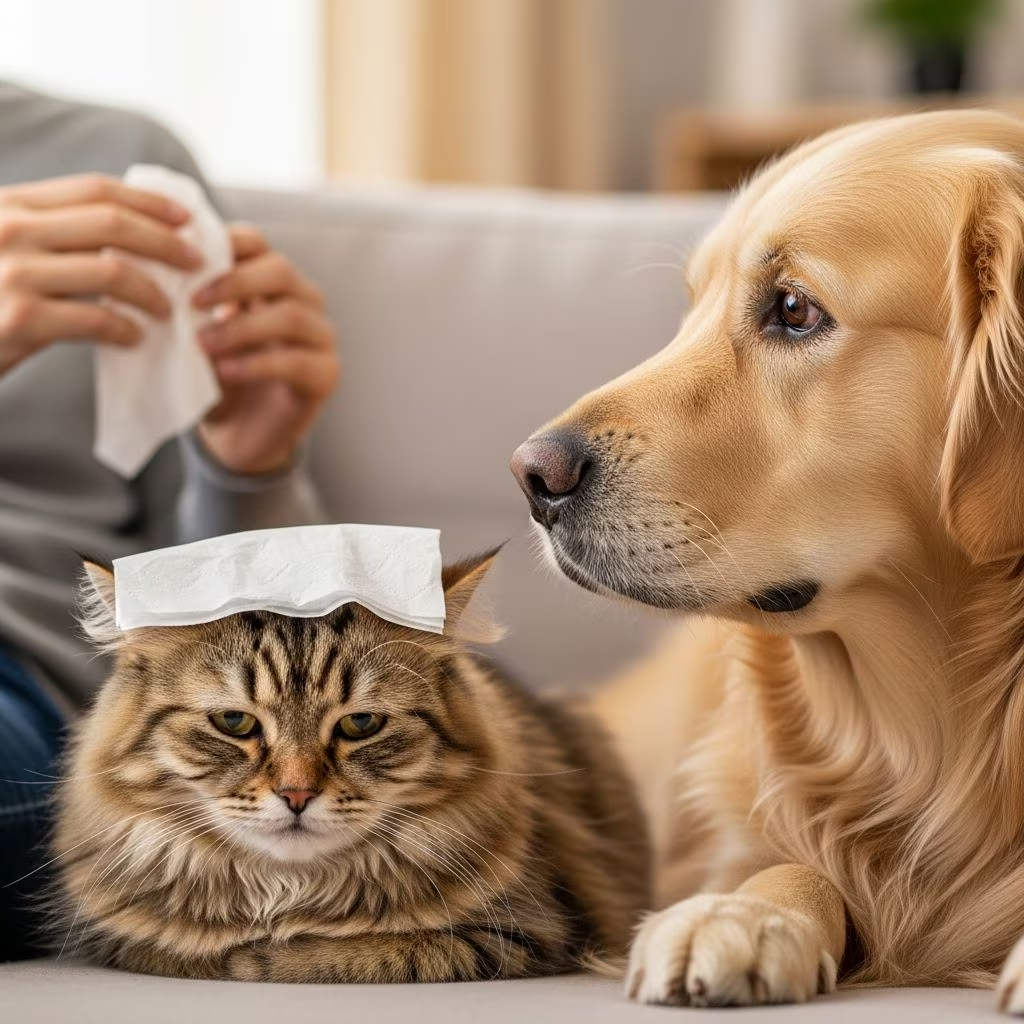
Pets such as cats and dogs cannot catch the common cold from humans because human cold viruses like rhinoviruses do not infect them, and vice versa, feline and canine respiratory pathogens do not transmit to people. These species-specific infections mean you can cuddle your pet while sniffling without worry of cross-transmission, though pets remain vulnerable to their own upper respiratory infections (URIs), often called “pet colds.” Understanding these differences is crucial for pet owners during flu season to ensure proper care and prevention.
What Is a Pet Cold?
A “pet cold” refers to upper respiratory infections in cats and dogs, mimicking human cold symptoms but caused by distinct viruses and bacteria. In cats, common culprits include feline herpesvirus (FHV-1) and feline calicivirus (FCV), while dogs may suffer from canine influenza or bordetella. These infections affect the nose, throat, and sinuses, leading to discomfort but rarely life-threatening in healthy adults. Kittens, seniors, and immunocompromised pets face higher risks, potentially developing pneumonia if untreated.
Symptoms of Colds in Cats
Cats with colds show clear signs similar to humans, making early detection key for timely intervention. Common symptoms include:
- Sneezing: Frequent and forceful, often with nasal discharge that starts clear but turns thick and colored.
- Runny nose and eyes: Watery or mucous discharge, leading to crusty eyes or blocked nostrils.
- Lethargy: Reduced energy, excessive sleeping, and reluctance to play.
- Coughing or gagging: Mild respiratory distress, especially if secondary bacterial infection sets in.
- Fever and loss of appetite: Mild temperature rise and disinterest in food, worsening dehydration risk.
- Mouth ulcers: Particularly with calicivirus, causing drooling and pain.
These symptoms typically last 7-10 days in mild cases but warrant vet attention if persisting beyond a week or accompanied by breathing difficulties.
Symptoms of Colds in Dogs
Dogs exhibit parallel symptoms, though canine colds often stem from kennel cough (bordetella) or influenza strains. Watch for:
- Honking cough: Dry, persistent cough worsening with excitement.
- Nasal discharge: Clear to purulent, sometimes one-sided indicating dental issues.
- Fatigue and fever: Listlessness, warm ears/nose, and reduced activity.
- Sneezing and eye discharge: Irritated eyes with tearing.
- Loss of appetite: Refusal of food, leading to weight loss if prolonged.
Dogs in shelters or boarding facilities are prone due to close contact, with symptoms resolving in 1-3 weeks but requiring isolation to prevent spread.
Can Cats Catch Colds from Humans?
No, cats cannot catch human colds; rhinoviruses and other human pathogens do not replicate in feline cells. Feline URIs spread cat-to-cat via droplets, shared bowls, or grooming, not from human sneezes. Outdoor cats or those in multi-cat homes face higher exposure, but your flu won’t infect them. Conversely, human colds don’t originate from pets, debunking myths of zoonotic transmission here.
Can Dogs Catch Colds from Humans?
Similarly, dogs are safe from human colds; their respiratory viruses like canine parainfluenza differ fundamentally. Transmission occurs dog-to-dog in high-density settings like parks or daycare, emphasizing vaccination over human isolation. Rare exceptions involve secondary bacterial infections from poor hygiene, but direct viral crossover is impossible.
How Do Pets Catch Colds?
Pet colds spread through direct contact with infected saliva, nasal secretions, or contaminated surfaces. Risk factors include:
- Multi-pet environments: Shelters, boarding, or households with unvaccinated cats/dogs.
- Outdoor exposure: Stray interactions or wildlife for outdoor pets.
- Weakened immunity: Stress, malnutrition, or underlying conditions like FIV in cats.
- Seasonal factors: Crowded indoor winters boost transmission.
Incubation is 2-10 days, with carriers shedding virus lifelong, making hygiene vital.
Treatment for Pet Colds
Most pet colds are viral and self-limiting, focusing on supportive care. Key treatments:
- Humidification: Steam from showers loosens mucus; nebulizers for severe cases.
- Hydration and nutrition: Wet food, broths, or appetite stimulants.
- Eye/nose cleaning: Saline wipes prevent secondary infections.
- Antibiotics: Only for bacterial complications, prescribed by vets.
- Never human meds: Acetaminophen or decongestants are toxic to pets.
Vet visits are essential for oxygen therapy, antivirals (e.g., famciclovir for FHV), or diagnostics like swabs. Recovery takes 1-3 weeks; monitor for pneumonia signs like open-mouth breathing.
Preventing Colds in Pets
Prevention trumps treatment through proactive measures. Strategies include:
- Vaccinations: Core shots for FHV/FCV in cats, bordetella/influenza in dogs.
- Indoor living: Limits exposure; provide enrichment.
- Hygiene: Disinfect surfaces, wash hands between pets.
- Quarantine new pets: 2-week isolation for adoptees.
- Boost immunity: Balanced diet, stress reduction, regular checkups.
Annual wellness exams catch vulnerabilities early, reducing URI incidence by up to 80% in vaccinated populations.
When to See a Vet for Your Pet’s Cold
Seek immediate care if symptoms include labored breathing, blue gums, refusal to eat >24 hours, or neurological signs. Prolonged discharge (>10 days), high fever (>104°F cats, 103°F dogs), or dehydration (tacky gums) signal complications like pneumonia. Kittens/puppies need prompt evaluation due to rapid decline risk. Diagnostics may involve bloodwork, radiographs, or PCR testing for specifics.
| Symptom | Mild (Home Care) | Severe (Vet Now) |
|---|---|---|
| Sneezing/Discharge | Clear, intermittent | Thick, bloody, constant |
| Appetite | Slightly reduced | Complete refusal |
| Breathing | Normal | Wheezing, rapid |
| Duration | <7 days | >10 days |
Frequently Asked Questions (FAQs)
Can humans catch colds from pets?
No, pet URIs are not zoonotic; human and pet viruses are species-specific.
Is there over-the-counter medicine for pet colds?
No, avoid human OTC meds; consult a vet for safe options.
How long do pet colds last?
Typically 7-14 days with supportive care; longer signals complications.
Are outdoor pets more prone to colds?
Yes, due to increased cat/dog contact.
Can stress cause pet colds?
Stress weakens immunity, increasing susceptibility.
References
- Can Cats Catch Colds from Humans? — PrettyLitter. 2023. https://www.prettylitter.com/blog/can-cats-catch-colds-from-humans
- What should I do if my cat has a cold? — Barton Heights Veterinary Hospital. 2024-02-29. https://www.bartonheights.com/site/blog/2024/02/29/cat-cold
- Cat Colds: Symptoms, Causes, and Treatment — PetMD. 2023. https://www.petmd.com/cat/conditions/respiratory/cat-colds
- What to do if your cat has a cold — Four Paws USA. 2023. https://www.fourpawsusa.org/our-stories/publications-guides/cat-cold-what-to-do
- Cats & Colds: Can My Cat Get A Cold & What Should I Do? — Snellville Animal Hospital. 2023-03-15. https://www.snellvilleanimalhospital.org/site/blog/2023/03/15/cat-colds-catch
- Cold in Cats & Dogs – What to do? — South Sacramento Pet Hospital. 2022-02-15. https://www.southsacramentopethospital.com/site/blog/2022/02/15/can-cats-get-a-cold



