

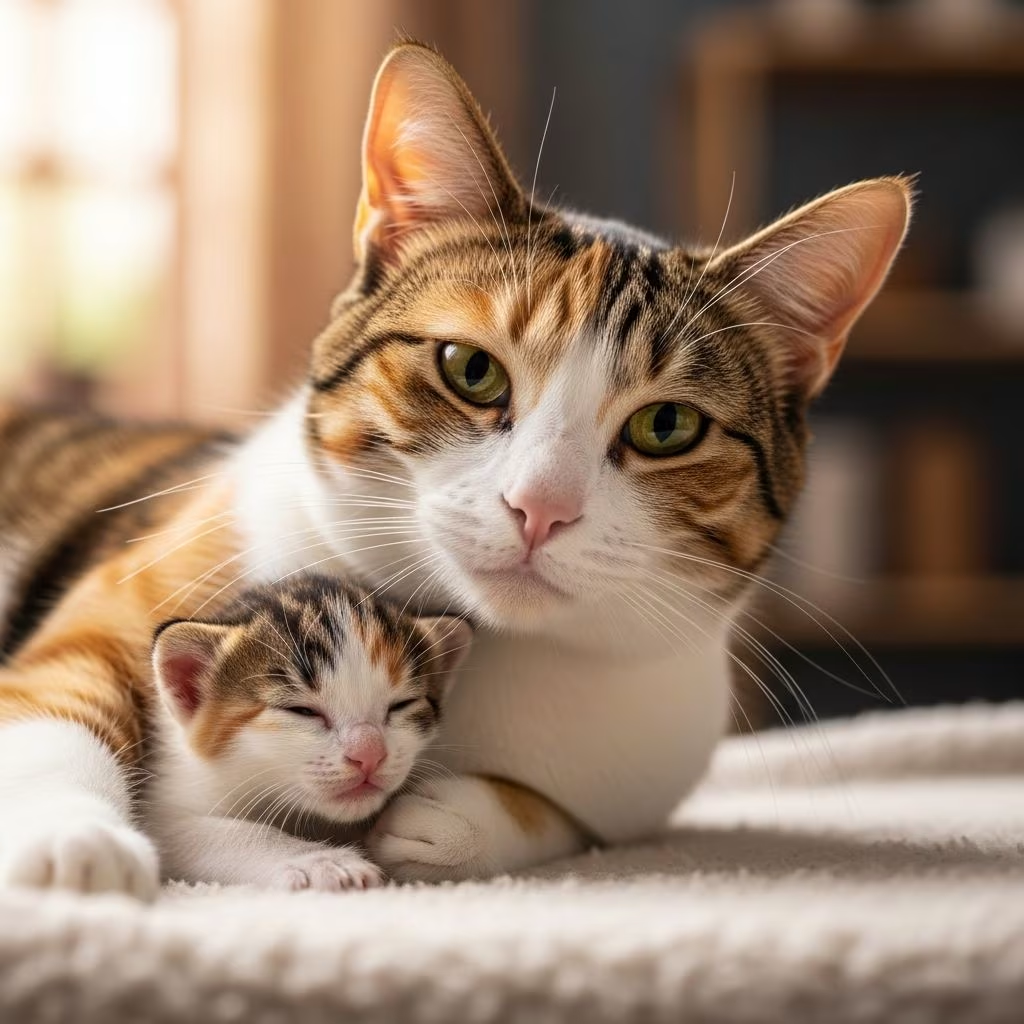
Mother cats can continue lactating and nursing their kittens after spaying, as milk production is not immediately halted by the procedure. However, veterinarians strongly recommend delaying spay surgery until kittens are weaned or at least eating solid food, typically around 5-8 weeks old, to minimize health risks to the mother and ensure proper kitten nutrition.
Spaying is essential for preventing unwanted pregnancies, uterine infections, and mammary cancers in female cats, making it a cornerstone of responsible pet ownership and trap-neuter-return (TNR) programs for strays. This article explores the science of feline lactation post-spay, surgical considerations, optimal timing, and frequently asked questions to guide cat owners and rescuers.
Can Cats Nurse After Spaying?
Lactation in cats begins shortly before birth, driven by hormones like prolactin and sustained by kitten suckling stimulation. Removing the ovaries and uterus during spaying primarily affects reproductive hormones (estrogen and progesterone), but prolactin levels remain sufficient for ongoing milk production. Studies and veterinary practice confirm that spayed queens return to nursing within 12-24 hours post-recovery, with no abrupt milk cessation.
Real-world applications in TNR programs demonstrate this resilience: feral mother cats are routinely spayed while lactating and successfully reunite with litters, supported by post-op fluids to aid recovery. Alley Cat Allies, a leading feral cat advocacy group, notes that warmed subcutaneous fluids help maintain milk flow during the brief separation.
Why It Isn’t Such a Good Idea
Despite feasibility, spaying a lactating queen poses challenges that can compromise her and her kittens’ well-being:
- Reduced Milk Production: Surgery stress and hormonal shifts may decrease milk yield, risking undernourished kittens if they aren’t supplementing with solids.
- Pain and Rejection: Kittens’ kneading on the abdomen irritates the surgical site, causing the mother to reject nursing due to discomfort.
- Increased Bleeding Risk: Lactation enlarges mammary glands with heightened blood supply, complicating abdominal incisions and elevating hemorrhage chances.
- Post-Op Separation: Mothers must recover alone for 12-24 hours, potentially stressing young kittens fully dependent on milk.
These factors make elective spaying during peak lactation inadvisable for owned cats. Veterinary bodies like the American Veterinary Medical Association (AVMA) emphasize weighing benefits against risks, prioritizing kitten weaning.
How Are Nursing Mothers Spayed?
When spaying is unavoidable—such as in TNR for feral cats or to prevent rapid re-breeding—specialized techniques minimize disruption.
Cats can cycle into heat 5-8 weeks postpartum, overlapping weaning, heightening pregnancy risks if delayed. Procedures include:
- Flank (Side) Spay: Incision on the flank avoids midline abdominal interference from swollen mammary glands. Kittens’ paws knead without aggravating the site, facilitating quicker nursing resumption.
- Traditional Midline Spay: Possible but riskier due to vascular mammary tissue; recovery mirrors flank method at 12-24 hours.
Post-surgery, provide a calm recovery space. Veterinarians may administer pain relief, antibiotics, and fluids. Kitten Alliance recommends monitoring for 24 hours, ensuring stress-free reunions. Consult a vet promptly, as queens can conceive while nursing.
For remote advice, services like PangoVet offer online consultations.
The Weaning Process and Ideal Spay Timing
Weaning transitions kittens from milk to solids over 3-4 weeks, starting at 4 weeks with gradual reduction. By 8 weeks, most are fully weaned, marking the safest spay window.
| Kitten Age | Milestones | Spay Recommendation |
|---|---|---|
| 0-4 weeks | Fully milk-dependent | Avoid spay; high risk |
| 5 weeks | Starting solids; earliest feasible | Possible if necessary (e.g., TNR) |
| 6-8 weeks | Mostly solids; weaning complete | Ideal for mother spay |
| Post-8 weeks | Independent eaters | Optimal; mammary glands regress |
Spay at 5 weeks minimum if kittens nibble solids, but 8 weeks is best. This timeline aligns with ASPCA guidelines for shelter intakes, balancing population control and welfare.
Can Spayed Cats Produce Milk?
Long-term spayed cats (ovariohysterectomized) rarely lactate without anomalies, as ovary removal eliminates ovulation and false pregnancy triggers. Pseudopregnancy—lactation sans pregnancy from heat cycle ovulation—cannot occur post-spay.
Hormonal imbalances or pituitary issues might rarely induce milk, but these warrant veterinary investigation for tumors or disorders. Unlike dogs, feline pseudopregnancy is uncommon and spay-preventable.
Benefits of Spaying Your Cat
Spaying yields profound health and behavioral gains:
- Cancer Prevention: Reduces mammary tumors by 90% if pre-first heat; 85-90% of feline breast cancers are malignant.
- Infection Avoidance: Eliminates pyometra (uterine infection) risk, fatal in unspayed queens.
- Longevity Boost: Spayed females live longer, per population studies.
- Behavioral Perks: Curbs heat yowling, roaming, and spraying.
Ideal for non-breeders: spay at 3-6 months pre-heat.
Frequently Asked Questions (FAQs)
Q: Can a cat be spayed while lactating?
A: Yes, but wait until kittens are 5+ weeks and eating solids. Milk persists post-spay.
Q: Does spaying stop milk production immediately?
A: No, lactation continues via prolactin and suckling; myths debunked by rescues.
Q: What’s a flank spay?
A: Side incision for nursing moms, reducing pain from kneading.
Q: When is the best time to spay a mother cat?
A: After kittens wean at 8 weeks; prevents re-pregnancy.
Q: Can spayed cats get false pregnancy?
A: No, as ovaries are removed, blocking ovulation.
Conclusion
Spayed cats can breastfeed, offering flexibility for TNR, but optimal welfare dictates weaning first. Prioritize veterinary guidance for your queen’s health and her litter’s success. Early spaying safeguards against cancers and infections, promoting longer, happier lives.
References
- Can My Cat Breastfeed After Being Spayed? Vet-Verified Facts & FAQ — Catster. 2023. https://www.catster.com/cat-health-care/can-my-cat-breastfeed-after-being-spayed/
- TNR Scenarios | How to Help a Nursing Mother Cat — Alley Cat Allies. 2024-01-15. https://www.alleycat.org/community-cat-care/tnr-scenarios-nursing-mother-cat/
- Can Cats Breastfeed After Being Spayed? Vet-Approved Advice — Hepper. 2024. https://articles.hepper.com/can-cats-breastfeed-after-being-spayed/
- Can my cat be spayed if she is still nursing? — PetPlace. 2023-05-10. https://www.petplace.com/article/cats/vet-qa-parent/vet-qa/can-my-cat-be-spayed-if-she-is-still-nursing
- Spaying a Nursing Cat: Timing, Myths, and Best Practices — Kitten Alliance. 2024-06-20. https://www.kittenalliance.org/post/spaying-a-nursing-cat-timing-myths-and-best-practices



