

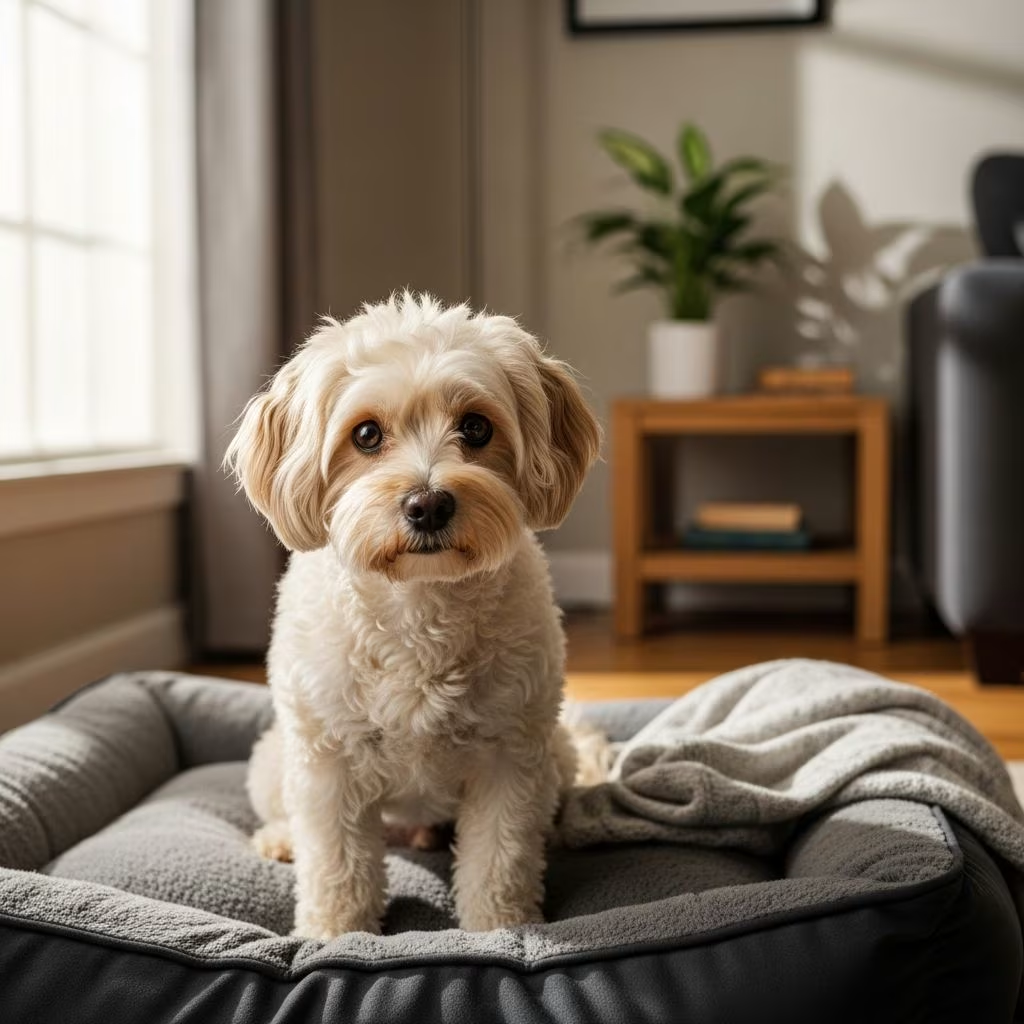
Maltipoos, the charming blend of Maltese and Poodle parentage, thrive on human interaction and often shadow their owners throughout the day. While their loving nature makes them ideal lap dogs, it raises a key question for busy pet parents: how well do they tolerate solitude? With targeted training and patience, many Maltipoos can manage short periods alone, typically up to 4-6 hours as adults, but puppies and those prone to anxiety require gradual preparation to avoid distress.
Understanding the Maltipoo Temperament
Maltipoos inherit a strong desire for closeness from both breeds, earning them the nickname “velcro dogs.” This attachment fosters joy in family settings but can lead to challenges when owners depart. Their small size—usually 5-20 pounds—and playful energy mean they expect frequent engagement, making sudden alone time particularly tough. Early socialization and consistent routines help mitigate this, allowing them to view brief absences as normal rather than abandonment.
Genetic predispositions play a role too. The Maltese brings sensitivity and loyalty, while the Poodle adds intelligence and adaptability. However, without guidance, this combo can amplify clinginess, especially in rescues or pups from less structured environments. Recognizing these traits early empowers owners to build resilience proactively.
Spotting Separation Anxiety in Maltipoos
Separation anxiety manifests through clear behavioral cues, often escalating if ignored. Watch for these common indicators:
- Excessive vocalizations: Barking, whining, or howling that persists after departure.
- Destructive actions: Chewing furniture, scratching doors, or digging at carpets.
- Pacing and restlessness: Unable to settle, with panting or trembling.
- House soiling: Accidents indoors despite solid potty training.
- Physical signs: Drooling, shaking, or loss of appetite during absences.
These behaviors stem from panic rather than spite, distinguishing them from boredom-related mischief. Video monitoring via pet cams reveals patterns, such as distress starting seconds after leaving, confirming anxiety over mere naughtiness. Untreated, it risks self-harm, damaged relationships, and neighbor complaints from noise.
Age-Appropriate Alone Time Guidelines
Maltipoos’ tolerance for solitude evolves with maturity. Here’s a breakdown:
| Age Group | Max Alone Time | Key Considerations |
|---|---|---|
| Puppy (8-12 weeks) | 1-2 hours | Frequent potty breaks; high risk of anxiety onset. |
| Young (3-6 months) | 2-4 hours | Introduce training; monitor for stress signals. |
| Adult (1+ years) | 4-6 hours | Established routines support longer stretches. |
| Senior (8+ years) | 2-4 hours | Health issues may shorten tolerance. |
Puppies under 3 months lack bladder control for extended periods, while adults benefit from exercise beforehand to promote napping. Always prioritize safety, ensuring access to water and a secure space.
Building Independence: Core Training Strategies
Effective training transforms anxious Maltipoos into confident solo dwellers. Focus on positive reinforcement to associate alone time with positivity.
Desensitization Techniques
Start small to rewrite their emotional response to departures. Practice these steps daily:
- Step away briefly (seconds) while at home, rewarding calm with treats.
- Progress to closing doors, then leaving rooms, building duration gradually.
- Simulate exits: pick up keys, open doors, but return quickly without fanfare.
- Extend to actual short outings, varying times to prevent patterns.
Repetition builds trust; one owner reported success after practicing door ins-and-outs multiple times daily, reducing whining dramatically. Consistency over weeks yields results, with many seeing naps during absences.
Crate Training Mastery
A properly introduced crate becomes a sanctuary, not punishment. Feed meals inside, add cozy bedding, and use it for short rests when present. Gradually close the door during play, extending to alone time. Avoid forcing; let curiosity draw them in. For Maltipoos resistant to crating during absences, puppy-proofed free roam may work better initially.
Exercise and Mental Stimulation
Tired dogs stay calm. Pre-departure walks or fetch sessions burn energy, followed by puzzle toys like Kongs stuffed with peanut butter or bully sticks. Rotate toys to maintain novelty, combating boredom that mimics anxiety. Physical play reduces feistiness, easing into relaxation.
Environmental Adjustments for Comfort
Create a safe haven tailored to your Maltipoo:
- Puppy-proof zones: Remove hazards like cords, shoes; use baby gates for secure areas.
- Comfort items: Unwashed clothing carries your scent, soothing nerves.
- Background noise: Soft radio or white noise mimics presence.
- Interactive cams: Check-ins via apps reassure without over-reinforcing distress.
These tweaks, combined with training, foster security without constant supervision.
Advanced Solutions for Stubborn Cases
If basics fall short, escalate thoughtfully. Consult vets to rule out medical causes like thyroid issues mimicking anxiety. Certified trainers employ counter-conditioning, pairing departures with high-value rewards. For severe cases, discuss calming aids, prioritizing natural options alongside behavioral work. Professional videos demonstrate progressive exposure, from door practice to full separations, yielding calm responses.
Daily Routine for Lasting Success
Integrate habits for long-term wins:
- Morning exercise and potty routine.
- Midday training sessions amid alone practice.
- Evening wind-down with family bonding.
- Consistent cues like “I’ll be back” to signal returns.
Track progress in a journal, adjusting as needed. Many Maltipoos reach 6-hour naps solo after months, freeing owners without guilt.
Common Pitfalls to Avoid
Steer clear of:
- Over-soothing pre-exit: Petting or talking heightens anticipation of abandonment.
- Punishing distress: Reinforces fear; ignore and redirect positively.
- Rushing timelines: Pushing too fast regresses gains.
- Inconsistency: Multiple household members must align methods.
Patience prevents setbacks, ensuring steady improvement.
FAQs
Can Maltipoos ever be left alone overnight?
Not recommended; they need companionship or monitored setups like doggy daycare for 8+ hours.
How long until training shows results?
2-8 weeks with daily practice, varying by individual temperament.
Is crate training essential?
No, but beneficial; alternatives like gated rooms suit some.
What if my Maltipoo destroys everything alone?
Start with desensitization and enrichment; seek pro help if persistent.
Do older Maltipoos outgrow anxiety?
Training works at any age, though seniors may need gentler approaches.
References
- Maltipoo Separation Anxiety: Breaking the Cycle of Distress — Brave Paws. Accessed 2026. https://mybravepaws.com/blogs/dog/maltipoo-separation-anxiety
- Maltipoo: Separation Anxiety — Alyssa Rose (YouTube). 2013-04-08. https://www.youtube.com/watch?v=_UDt85zIHX4
- How We Eased Our Maltipoo’s Separation Anxiety So He… — YouTube. Accessed 2026. https://www.youtube.com/watch?v=LCTQg5fPgSU
- Tips to Help Macy Get Over Separation Anxiety — YouTube. Accessed 2026. https://www.youtube.com/watch?v=T31Erks1N9s
- How To Train Your Dog To Be Home Alone — My Doodle Puppy. Accessed 2026. https://www.mydoodlepuppy.com/blog/how-to-train-your-dog-to-be-home-alone



