

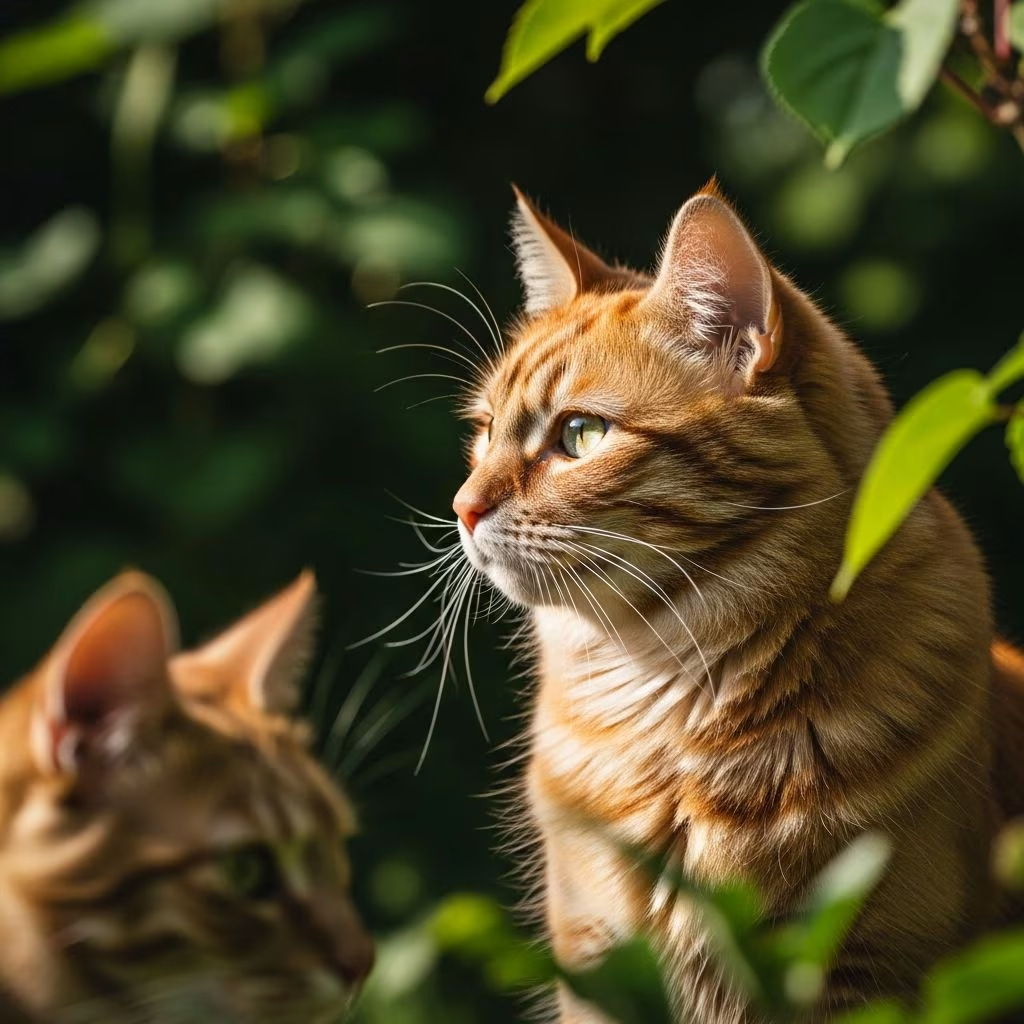
Male cats, or toms, possess a persistent drive to mate that activates primarily when detecting a female in estrus, but their attempts may persist even without it. While successful copulation typically requires female receptivity during heat, unneutered males often display mounting behaviors toward non-estrous females or objects due to hormonal urges.
The Biological Drive Behind Tomcat Mating Urges
Unneutered male cats reach sexual maturity around 6-12 months, triggering testosterone surges that fuel reproductive instincts. Unlike females with defined heat cycles, males remain perpetually primed for mating opportunities. This readiness stems from sensitivity to pheromones via the vomeronasal organ, allowing toms to detect female estrus from urine, cheek glands, or distant scents—even if the female is absent.
Seasonal patterns influence activity: females cycle from February to October in longer daylight, peaking kitten births in spring, while males intensify efforts from September to March. Indoor toms may pace or vocalize upon sensing neighborhood cues, mimicking outdoor roaming.
Key Behavioral Indicators of Male Cats Seeking Mates
Tomcat actions signal mating readiness, often escalating near estrous females but appearing spontaneously:
- Vocalizations: Intense yowling or howling, especially nocturnally, serves as a mating call to lure females. This differs from normal meows, resembling distress cries.
- Territorial Marking: Urine spraying on vertical surfaces deposits pheromones, attracting mates and deterring rivals. Frequency rises during active seasons.
- Roaming and Restlessness: Males travel far to locate sources, risking injury, traffic, or fights. Confined cats scratch doors or pace excessively.
- Aggression: Fights with other toms over females involve biting, growling, and pouncing. Heightened pushiness toward owners or pets occurs.
- Mounting Attempts: Instinctual thrusting on females, objects, blankets, or even humans, regardless of receptivity. This simulates copulation but rarely results in pregnancy without female ovulation.
These behaviors peak when a female is in estrus (proestrus to estrus phases lasting 3-14 days), but persistent testosterone drives sporadic displays.
Female Heat Cycles: What Triggers Male Responses
Female cats are induced ovulators, releasing eggs only post-mating, with cycles repeating every 2-3 weeks if unmated. Stages include:
| Stage | Duration | Key Traits |
|---|---|---|
| Proestrus | 1-2 days | Affectionate rubbing, vocalizing; not yet receptive. |
| Estrus | 3-14 days | Flirtatious rolling, tail-raising, lordosis posture for mating. |
| Interestrus | 1-3 weeks | Behaviors subside; cycle restarts if no mating. |
| Diestrus/Metestrus | 30-40 days (post-mating) | Pseudopregnancy or actual gestation (60-64 days). |
| Anestrus | 2-3 months | Hormonal inactivity, typically winter. |
Males assemble around estrus females, engaging in courtship rituals lasting hours before repeated matings. Post-copulation, females roll ecstatically; males groom and withdraw. Multiple partners are common.
Without heat, females rebuff advances via swatting or fleeing, rendering male efforts futile for reproduction.
Will Toms Successfully Mate with Non-Estrous Queens?
Rarely. Female lordosis—essential for penetration—occurs only in estrus. Non-receptive queens resist, preventing ovulation and conception. Males may mount persistently, causing stress or injury to both.
Exceptions include hormonal imbalances or pseudopregnancies mimicking heat, but these are uncommon. In multi-cat homes, toms target any female, leading to conflicts.
Health and Household Risks of Intact Male Behaviors
Uncontrolled urges pose dangers:
- Injuries: Roaming leads to car accidents, abscesses from fights, or FIV/FeLV transmission.
- Household Disruptions: Spraying creates odors; yowling disturbs sleep; aggression endangers pets/children.
- Overpopulation: Unplanned litters strain shelters; one female can produce dozens of kittens yearly.
- Health Issues: Testosterone links to prostate problems, testicular cancer in older toms.
Indoor-only cats face obesity from frustration-induced inactivity, exacerbating issues.
Management Strategies for Unneutered Males
While waiting for neutering:
- Enrich Environment: Provide toys, scratching posts, vertical spaces to redirect energy.
- Scent Control: Clean urine marks with enzymatic cleaners; use pheromone diffusers to calm.
- Supervised Access: Leash walks or secure enclosures prevent escapes.
- Distractions: Interactive play mimics hunting, tiring them out.
Consult vets for behavioral aids if severe.
The Transformative Benefits of Neutering Male Cats
Castration removes testes, slashing testosterone by over 90%, curbing urges within days to weeks. Benefits include:
| Pre-Neuter | Post-Neuter |
|---|---|
| Frequent spraying/roaming | Eliminates or reduces 90%+ cases |
| Nocturnal yowling | Silences mating calls |
| Aggression/fights | Decreases territoriality |
| Health risks | Lowers cancer, roaming injuries |
Performed post-maturity (4-6 months ideal), recovery is swift. Neutered toms live longer, healthier lives. Pair with female spaying for complete control.
Comparing Intact vs. Neutered Lifestyles
Neutering shifts focus from reproduction to companionship:
- Intact: High energy on mating quests, stress-prone.
- Neutered: Calmer, affectionate, less destructive.
Early intervention prevents entrenched habits.
FAQs on Male Cat Mating and Heat Responses
Do male cats experience heat cycles?
No, only females have estrus; males react continuously to pheromones.
At what age do toms become sexually active?
Typically 6-12 months, varying by breed/nutrition.
Can a neutered male still try to mate?
Rarely; hormones drop, but learned behaviors may linger briefly.
How to stop spraying in unneutered cats?
Neutering is most effective; clean thoroughly and enrich environment meanwhile.
Is mating painful for non-heat females?
Yes, resistance causes scratches/bites; avoid cohabitation.
Long-Term Care for Reproductive Health
Monitor for urinary issues in spraying toms; annual vet checks catch cancers early. Balanced diet, exercise complement neutering for vitality. Educate on overpopulation: spay/neuter averts millions of euthanasias yearly.
For breeders, ethical practices ensure health-tested lines, but most owners benefit from sterilization.
References
- Do Male Cats Go into Heat? – Wag! — WagWalking. 2023-2024. https://wagwalking.com/wellness/do-male-cats-go-into-heat
- Male & Female Cats in Heat – What You Need to Know — Edgewood Vets. 2023. https://www.edgewoodvets.co.uk/article/male-female-cats-in-heat-what-you-need-to-know/
- Cats in Heat: How Long It Lasts and What To Do — PetMD. 2024-01-29. https://www.petmd.com/cat/general-health/cat-in-heat
- Normal Reproductive Behavior of Cats — PetPlace. 2023. https://www.petplace.com/article/cats/pet-behavior-training/normal-reproductive-behavior-of-cats
- Cat on the Move: Are There Signs That a Male Cat Is in Heat? — Zeze Life. 2024. https://www.zezelife.com/cat-on-the-move-are-there-signs-that-a-male-cat-is-in-heat/



