

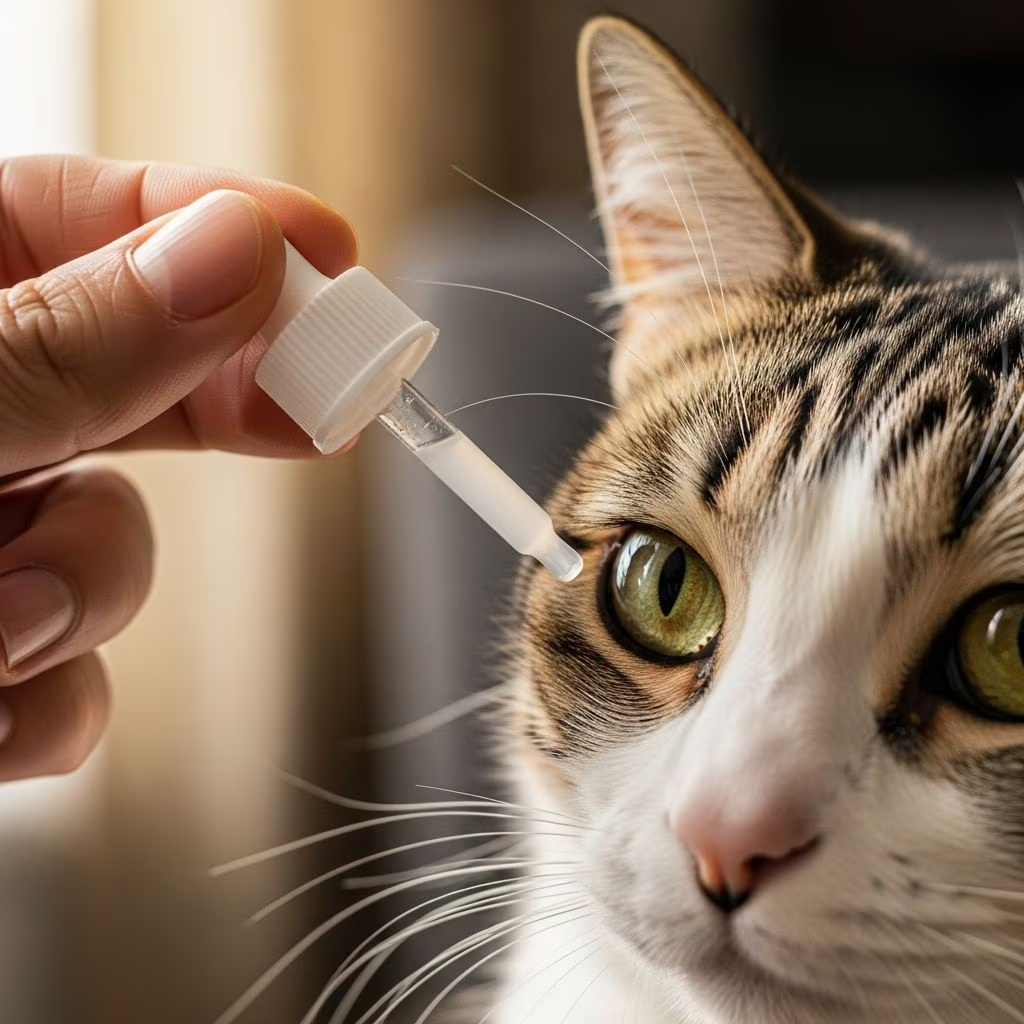
Cats often develop eye issues that mimic human problems, tempting owners to reach for over-the-counter human eye drops. However, most human eye drops are unsafe for cats due to toxic ingredients, differing eye physiology, and the risk of masking serious conditions. Veterinary guidance is essential before any treatment, as self-medicating can lead to toxicity, allergic reactions, or permanent damage like blindness.
Why You Should Not Use Human Eye Drops on Cats
Human eye drops contain ingredients formulated for human physiology, which differs significantly from cats’. Cats have smaller eyes with less surface area, causing more medication to overflow and be ingested during grooming, increasing toxicity risks. Common human drops include decongestants like tetrahydrozoline (imidazolines class), which are highly toxic to cats, potentially causing severe systemic effects even from minimal exposure.
Antibiotic ointments like Neosporin (bacitracin, neomycin, polymyxin B) have caused anaphylaxis in cats four hours post-application, a life-threatening allergic reaction. Saline or lubricating drops might seem harmless, but without vet approval, they could contain preservatives or additives harmful to felines. Eye conditions in cats progress rapidly; delaying proper diagnosis worsens outcomes.
- Toxicity from decongestants: Imidazolines like tetrahydrozoline lead to accidental poisoning via skin contact or ingestion.
- Allergic reactions: Triple antibiotic ointments trigger anaphylaxis.
- Physiological mismatch: Cat eyes retain about half a drop versus one-seventh in humans, amplifying drug absorption.
- Ingestion risk: Cats groom faces, ingesting overflowed drops.
Using human drops without prescription delays treatment for underlying issues like infections, ulcers, or glaucoma, potentially leading to corneal damage or vision loss.
Safe Alternatives: Eye Drops and Treatments for Cats
Opt for products specifically designed for pets. Vetericyn Plus Antimicrobial Ophthalmic Pet Gel or similar eye washes flush debris, clean discharge, and soothe minor irritations without treating infections. These are not substitutes for prescription meds but aid routine care.
Veterinarians may prescribe cat-safe options, including off-label human drops like plain saline, certain antibiotics, or hyaluronate sodium ophthalmic for lubrication and healing. Hyaluronate sodium is used off-label in cats for corneal protection, but only under vet supervision.
| Product Type | Safe for Cats? | Uses | Vet Approval Needed? |
|---|---|---|---|
| Human Decongestant Drops (e.g., tetrahydrozoline) | No | Redness relief in humans | Never |
| Neosporin Ointment | No | Human infections | Never |
| Plain Saline Solution | Possibly | Flushing irritants | Yes |
| Pet Eye Wash (e.g., Vetericyn) | Yes | Cleaning, minor soothe | Recommended |
| Vet-Prescribed Antibiotics | Yes | Infections, ulcers | Required |
Storage is critical: Keep all eye products in child-proof containers away from pets to prevent accidental ingestion. Cats may knock bottles off counters, leading to exposure.
How to Apply Eye Drops or Ointments to Cats Safely
Administering eye meds requires technique to minimize stress and ensure efficacy. Use one drop only—excess overflows. Have a helper hold the cat gently, wrapped in a towel if needed (burrito wrap).
- Prepare: Wash hands, shake bottle, remove cap. Tilt cat’s head back slightly.
- Expose eye: Gently pull down lower lid to form a pocket.
- Apply: Squeeze one drop into pocket; for ointments, apply a 1/4-inch ribbon.
- Release: Let cat blink naturally; blot excess with clean gauze. Avoid touching tip to eye to prevent contamination.
Cats’ sensitivity to taste means they may react strongly—dilute if vet-approved. Apply drops prescribed for your cat only; sharing with human meds risks bacterial contamination.
Common Cat Eye Problems and Symptoms
Recognize signs early: Cats hide discomfort, but subtle cues signal trouble.
- Discharge: Watery, mucous, pus-like (yellow/green indicates infection).
- Redness/Swelling: Conjunctivitis, allergies, or trauma.
- Squinting/Excess Blinking: Pain from ulcers or foreign bodies.
- Cloudiness: Corneal issues or glaucoma.
- Third Eyelid Prolapse: Systemic illness or dehydration.
Causes include infections (viral like herpesvirus, bacterial), allergies, injuries, or breeds prone to issues (Persians, Siamese). Untreated, these lead to ulcers, scarring, or blindness.
When to See a Vet for Your Cat’s Eye Issues
Seek immediate care for any symptoms lasting over 24 hours, trauma, vision changes, or behavioral shifts. Vets perform exams (Schirmer tear test, fluorescein stain for ulcers), cultures, or tonometry for pressure. Treatments range from antibiotics to surgery.
Delays exacerbate problems; eye issues indicate systemic disease (FIV, FeLV). FDA warns of contaminated drops causing adverse events.
Frequently Asked Questions (FAQs)
Can I use human allergy eye drops on my cat?
No. They may contain decongestants, antihistamines, or steroids toxic or ineffective for cats. Causes differ (infections vs. allergies); vet diagnosis first.
Is saline solution safe for cat eyes?
Plain saline may flush minor irritants but confirm with vet—no additives. Not for infections.
What if my cat gets something in its eye?
Flush with vet-approved saline; see vet promptly. Avoid human products.
Can Neosporin be used on cat eyes?
No—risks anaphylaxis. Use vet-prescribed alternatives.
How do I know if my cat’s eye problem is serious?
Squinting, colored discharge, cloudiness, or persistence >24 hours warrant urgent vet visit.
Preventing Eye Problems in Cats
Maintain hygiene: Clean environments reduce infections. Trim fur around eyes in long-haired breeds. Annual vet checks catch issues early. Boost immunity with balanced diet, vaccinations against herpesvirus.
Avoid irritants like smoke, dust. Monitor multi-cat households for contagion.
Conclusion
Never use human eye drops on cats without vet approval—risks outweigh benefits. Pet-specific washes help minor issues; prescriptions treat root causes. Prompt vet care prevents blindness. Prioritize professional advice for your cat’s eye health.
References
- Can I Use Human Eye Drops on Cats? Vet-Verified Facts — Catster. 2023. https://www.catster.com/cat-health-care/can-i-use-human-eye-drops-on-cats/
- Can I Give Human Eye Medications to My Cat? Part 1 — Pet Health Harbour. 2023. https://pethealthharbour.com/eyes/can-i-give-human-eye-medications-to-my-cat-part-1/
- Cat Eye Drops: What Owners Should Know — Purina. 2024. https://www.purina.com/articles/cat/health/symptoms/eye-drops-for-cats
- Can Eye Drops Help a Cat’s Allergies? — Vetster. 2024. https://vetster.com/en/wellness/can-eye-drops-help-a-cat-s-allergies
- Hyaluronate Sodium Ophthalmic — VCA Animal Hospitals. 2024. https://vcahospitals.com/know-your-pet/hyaluronate-sodium-ophthalmic
- Pet Eye Infections FAQs — Dessau Vet Clinic. 2023. https://www.dessauvetclinic.com/veterinary-services/pet-eye-infections/pet-eye-infections-faqs.html
- FDA Reminds Veterinarians and Pet Owners about Eye Drop Recalls — U.S. Food and Drug Administration (FDA). 2023-10-03. https://www.fda.gov/animal-veterinary/cvm-updates/fda-reminds-veterinarians-and-pet-owners-about-eye-drop-recalls



