

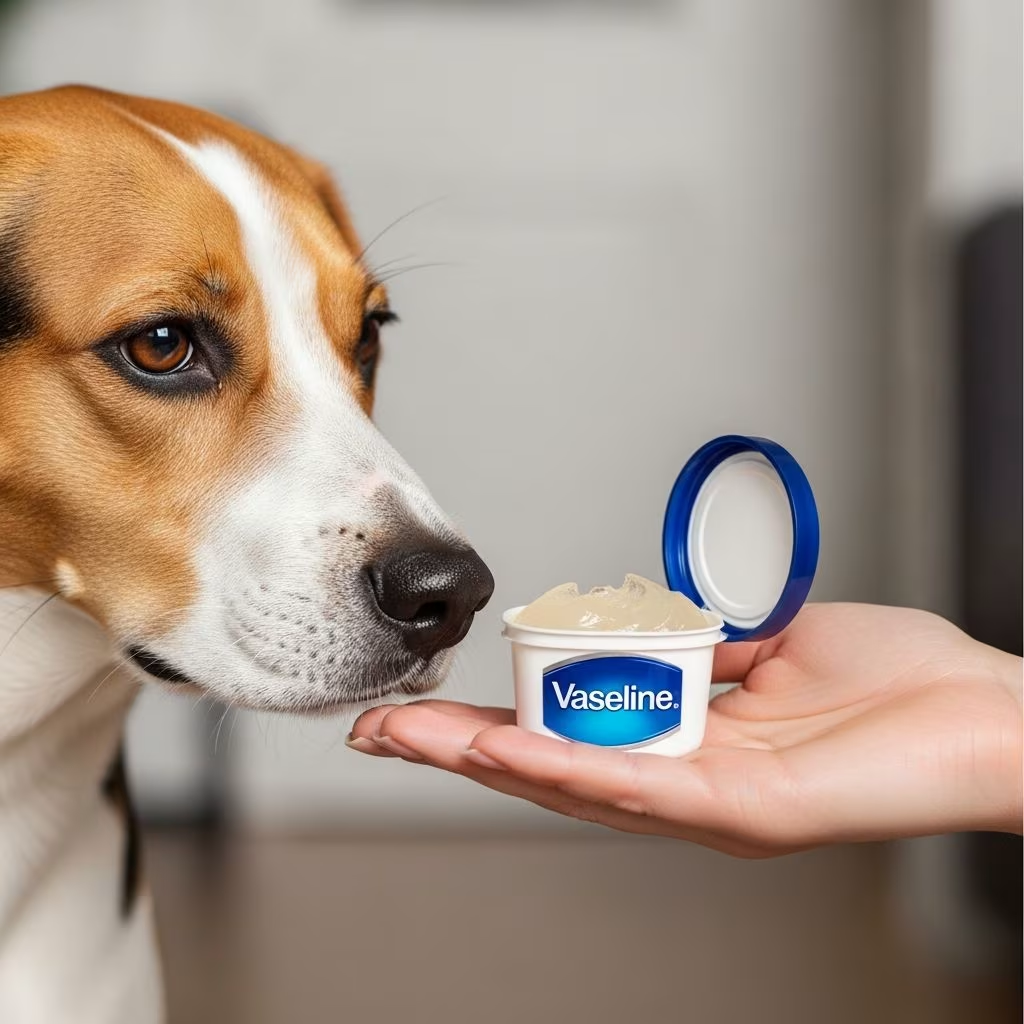
Vaseline, or petroleum jelly, is a common household item used for human skin care, but many pet owners wonder if it’s safe for their dogs. While it’s not toxic in small amounts, it’s generally not recommended due to risks like ingestion leading to gastrointestinal upset and its inability to truly moisturize canine skin. This article covers everything you need to know, from safety concerns to better alternatives.
Is Vaseline Safe for Dogs?
Vaseline is made from 100% pure petroleum jelly in its standard form and is considered non-toxic to dogs when used topically in small quantities. However, dogs frequently lick applied areas, which can cause stomach upset, vomiting, or diarrhea due to its laxative effect. Sources agree that while a small lick won’t harm your dog, larger ingestions pose risks, especially for pups with sensitive stomachs.
Petroleum jelly creates a barrier on the skin rather than adding moisture, which means it can trap dirt, bacteria, and toxins, potentially worsening skin conditions. For humans, it works because we don’t lick it off, but dogs’ grooming habits make it ineffective and risky.
- Non-toxic but not ideal: Safe in tiny topical doses, but ingestion leads to GI issues.
- Skin barrier issues: Traps moisture-losing elements and debris.
- Medicated versions risky: Avoid any Vaseline with added ingredients, as they may be toxic if ingested.
Potential Risks of Using Vaseline on Dogs
Beyond digestive upset, Vaseline can lead to several complications. If your dog ingests a large amount, it may cause vomiting, diarrhea, or even blockages interfering with nutrient absorption. On the skin, it can dry out the area over time by sealing in existing moisture loss and trapping bacteria, leading to infections.
Rare but serious risks include lipoid pneumonia from prolonged inhalation or exposure, particularly if applied near the nose where licking or sniffing is common. Dogs with pre-existing conditions may face exacerbated issues from the laxative effects.
| Risk | Description | Severity |
|---|---|---|
| Gastrointestinal Upset | Vomiting, diarrhea from licking | Common, mild to moderate |
| Skin Infections | Traps bacteria and dirt | Moderate |
| Laxative Effect | Loose stools in large amounts | Moderate to high |
| Lipoid Pneumonia | Rare lung issue from prolonged use | High |
When Can You Use Vaseline on Your Dog?
In limited scenarios, a thin layer of plain Vaseline can be used sparingly. It’s occasionally applied to protect paw pads in harsh weather or soothe minor dry noses, but only as a short-term fix while seeking better options.
- Dry paw pads: Thin layer before walks on hot/cold surfaces.
- Cracked nose: Temporary moisture barrier in winter.
- Minor abrasions: After cleaning, to prevent cracking (not open wounds).
Never use on open wounds, infected areas, or chronic issues—these require veterinary attention.
How to Apply Vaseline Safely (If You Must)
If no alternatives are available, follow these steps to minimize risks:
- Clean the area: Gently wash with mild soap and water, pat dry.
- Apply thinly: Use a pea-sized amount rubbed in sparingly—avoid globs that track everywhere.
- Distract your dog: Give a treat or toy to prevent immediate licking.
- Monitor closely: Watch for vomiting, diarrhea, redness, or swelling. Contact vet if symptoms appear.
- Use plain version: Ensure it’s 100% petroleum jelly, no additives.
Reapply only as needed, and transition to dog-safe products quickly.
What Happens If My Dog Eats Vaseline?
Small amounts typically cause no issues or mild upset. Larger ingestions (e.g., from a licked paw or eaten jar) can lead to vomiting, diarrhea, or lethargy due to the oily laxative nature. Monitor for 24-48 hours; if symptoms persist or worsen, call your vet or pet poison hotline.
In severe cases with massive ingestion, it may cause aspiration pneumonia if vomited, but this is rare. Puppies, small breeds, or dogs with health issues are at higher risk.
Better Alternatives to Vaseline for Dogs
Veterinarians recommend dog-specific products that are lick-safe, moisturizing, and formulated without petroleum. These balms add natural oils and butters for true hydration.
- Paw balms: Ingredients like shea butter, beeswax, coconut oil protect and heal pads.
- Nose balms: Soothe dry snouts without toxicity risks.
- Medicated shampoos/oils: For underlying skin issues like allergies or dryness.
- Natural options: Coconut oil or olive oil in tiny amounts (still monitor licking).
Consult your vet for prescription creams if issues persist, as they address root causes like allergies or infections.
Preventing Dry Skin, Paws, and Noses in Dogs
Proactive care beats remedies:
- Regular paw checks and moisturizing with safe balms.
- Booties for extreme weather.
- Humidifiers indoors during dry seasons.
- Balanced diet with omega-3s for skin health.
- Hydration and low-allergen foods.
Breeds like Bulldogs or Huskies are prone to dryness—tailor care accordingly.
Frequently Asked Questions (FAQs)
Is Vaseline toxic to dogs?
No, it’s not toxic, but ingestion can cause vomiting and diarrhea. Use sparingly.
Can I put Vaseline on my dog’s paws?
Yes, thinly for protection, but prefer dog paw balms to avoid mess and risks.
What if my dog licks Vaseline off?
Small amounts are usually fine; watch for GI upset. Large amounts warrant vet call.
Is Vaseline good for a dog’s dry nose?
Temporary use okay, but dog-specific nose balms are safer and more effective.
Are there flavored Vaselines safe for dogs?
No—avoid any with additives or flavors, as they increase ingestion appeal and toxicity.
What’s the best alternative to Vaseline for dog skin?
Pet balms with natural ingredients like mango butter or hemp oil.
This guide ensures your dog’s skin stays healthy without unnecessary risks. Always prioritize vet advice for persistent issues.
References
- Is Vaseline safe for dogs? – BetterPet — BetterPet. 2023. https://www.betterpet.com/learn/vaseline-safe-for-dogs
- Can You Put Vaseline on Dogs? Answers & Alternatives — Lola Hemp. 2023. https://lolahemp.com/blogs/dog-health/can-i-put-vaseline-on-my-dog
- Can I Put Vaseline on My Dog? — Heart of Chelsea Veterinary Group. 2023. https://heartofchelsea.com/blog/can-i-put-vaseline-on-my-dog/
- Can I Put Vaseline on My Dog? Safe Uses & Better Options — Marley Bones. 2023. https://marleybones.com/blogs/news/health-can-i-put-vaseline-on-my-dog
- Is Vaseline Safe for a Dog’s Nose? Snout Soother vs. Vaseline — Furchild Pets. 2023. https://furchildpets.com/blog/is-vaseline-safe-for-dog-nose-snout-soother-vs-vaseline



