

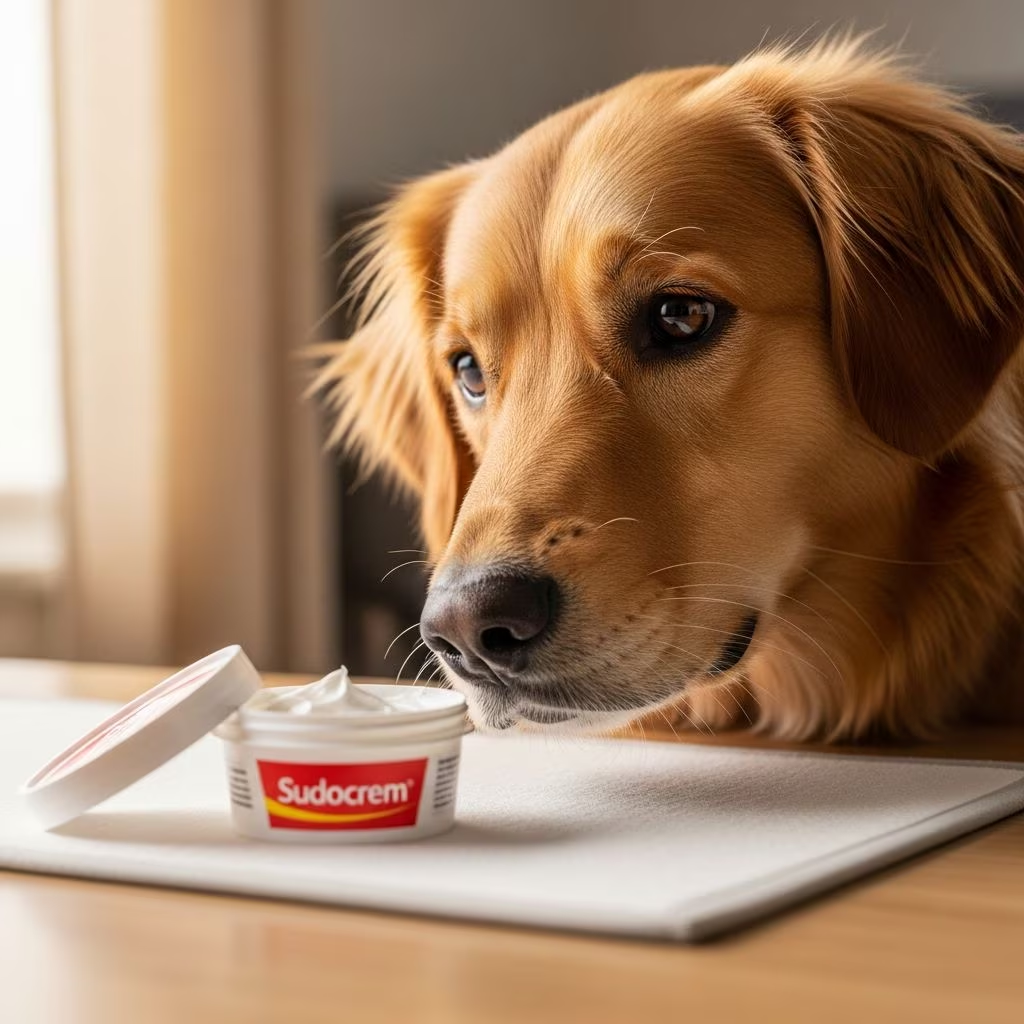
Sudocrem, a popular human antiseptic cream containing **zinc oxide**, benzyl alcohol, and lanolin, is sometimes used by dog owners for minor skin problems. While it can provide temporary relief for issues like cuts, rashes, and hot spots when applied sparingly, it’s not formulated for pets and carries risks such as ingestion toxicity. Veterinary guidance is essential before use, as dogs’ skin pH and licking habits differ from humans.
This comprehensive guide explores Sudocrem’s safety, benefits, application, risks, and alternatives, helping you make informed decisions for your dog’s skin health.
Is Sudocrem Safe for Dogs?
Sudocrem is **generally safe in small amounts** for dogs with minor skin irritations, but only for short-term use under supervision. Its antibacterial properties from benzyl alcohol and protective barrier from zinc oxide help prevent infections and soothe discomfort. However, dogs often lick treated areas, risking **zinc oxide ingestion**, which can cause toxicity depending on the dog’s size and amount consumed.
Key safety factors:
- Sparingly applied: Use a thin layer to minimize absorption and licking risks.
- Prevent licking: Employ an Elizabethan collar (cone) to block access.
- Not for open wounds: Avoid deep cuts or punctures; seek vet care immediately.
- Sensitive dogs: Test on a small area first, as allergies to lanolin or benzyl compounds can occur.
According to veterinary resources, zinc oxide poisoning symptoms include vomiting, diarrhea, weakness, and in severe cases, hemolytic anemia, making prevention critical. Always consult a vet if unsure.
What Is Sudocrem and What Does It Contain?
Sudocrem is a thick, white ointment primarily designed for **human diaper rash, eczema, and minor wounds**. Its key ingredients include:
| Ingredient | Function | Dog Relevance |
|---|---|---|
| Zinc Oxide (15.25%) | Skin protectant, anti-inflammatory | Forms barrier but toxic if ingested in quantity |
| Benzyl Alcohol (0.39%) | Antiseptic, preservative | Antibacterial but potential irritant |
| Lanolin | Moisturizer | Soothing but allergy risk in wool-sensitive dogs |
| Benzyl Benzoate, Benzoic Acid | Preservatives | May cause contact dermatitis |
These components create a waterproof barrier that promotes healing in humans, but dogs’ thinner skin and grooming behavior amplify risks.
What Skin Conditions Can Sudocrem Treat in Dogs?
Sudocrem may help with superficial issues but isn’t a cure-all. Suitable uses include:
- Minor cuts and abrasions: Protects from bacteria, speeds tissue repair.
- Hot spots (acute moist dermatitis): Soothes itching, reduces inflammation temporarily.
- Dermatitis or eczema: Calms redness and dryness.
- Skin irritations/rashes: Relieves itching from allergies or insect bites.
- Minor burns: Cools and prevents infection.
Unsuitable for: Deep wounds, fungal infections (e.g., ringworm), severe allergies, or chronic conditions like atopic dermatitis, which require prescription treatments. If symptoms persist beyond 48 hours, worsen, or include pus/discharge, see a vet.
How to Apply Sudocrem to Your Dog Safely
Follow these steps for safe application:
- Clean the area: Gently wash with mild, pet-safe antiseptic (e.g., chlorhexidine diluted) and pat dry.
- Apply thinly: Use a clean finger or cotton swab for a pea-sized amount; rub gently.
- Prevent licking: Fit a cone collar or use a pet shirt; distract with toys.
- Monitor closely: Check for reactions every few hours; reapply 1-2 times daily max.
- Wash hands: Thoroughly after to avoid spreading residue.
Application frequency: Once or twice daily for 2-3 days max. Discontinue if no improvement.
Potential Side Effects and Risks of Sudocrem on Dogs
While benefits exist, risks are notable:
- Skin irritation: Redness, itching at site from sensitivity.
- Contact dermatitis: Inflammation from allergens.
- Zinc toxicity (ingestion): Vomiting, diarrhea, lethargy; severe in small dogs.
- Gastrointestinal upset: From licking even small amounts.
- Rare respiratory issues: Inhalation during application.
If adverse signs appear, stop use, rinse area, and contact a vet urgently. Toxicity severity ties to ingested amount and dog size.
Alternatives to Sudocrem for Dog Skin Issues
Opt for vet-formulated products for safety:
- Pet-specific ointments: Vetericyn, Bag Balm (sparingly), or silver sulfadiazine creams.
- Natural options: Coconut oil (antimicrobial, moisturizing; apply diluted).
- Medicated shampoos: With oatmeal, chlorhexidine for hot spots.
- Prescription topicals: Hydrocortisone or antibiotics for infections.
Avoid human products like Savlon, as ingredients like cetrimide are toxic if ingested.
When to See a Vet Instead of Using Sudocrem
Skip home remedies and seek professional help if:
- Condition covers large areas or doesn’t improve in 24-48 hours.
- Swelling, pus, foul odor, or fever present.
- Dog shows pain, lethargy, or excessive scratching.
- Recurring issues suggest allergies or parasites.
Vets can diagnose underlying causes like mange, yeast infections, or hypothyroidism via skin scrapes or cytology.
Frequently Asked Questions (FAQs)
Is Sudocrem safe for puppies or small dogs?
Use extreme caution; smaller animals face higher toxicity risk from less product. Consult vet first.
Can Sudocrem treat dog hotspots?
Yes, for mild cases to soothe and protect, but clip fur, clean, and monitor; severe hotspots need vet meds.
What if my dog licks Sudocrem?
Small amounts may cause mild upset; large ingestion risks zinc poisoning—induce vomiting only if vet advises, then seek care.
Is Sudocrem better than Vaseline for dogs?
Sudocrem offers antibacterial benefits Vaseline lacks, but both risk ingestion; prefer pet balms.
Can I use Sudocrem on my dog’s paws?
Yes, for cracked pads or irritations, but ensure no licking and reapply after walks.
Conclusion: Prioritize Your Dog’s Safety
Sudocrem can be a quick aid for minor dog skin woes but isn’t risk-free. Use sparingly, prevent licking, and pivot to vet-recommended options for best outcomes. Proactive grooming, flea control, and diet support prevent many issues.
References
- Can I put Sudocrem on my dog? – Dragonfly Products — Dragonfly Products. 2023. https://dragonflyproducts.co.uk/blogs/dog-health/sudocrem-dog-safety
- Can You Safely Use Sudocrem on Dogs? Exploring the Pros & Cons — Pike’s Pouches. 2023. https://www.pikespouches.co.uk/blogs/pikes-pouches-blog/can-you-safely-use-sudocrem-on-dogs-exploring-the-pros-and-cons
- Can I Put Sudocrem on My Dog? | 2025 Update — We Walk Woofs. 2025-01-01. https://www.wewalkwoofs.co.uk/post/can-i-put-sudocrem-on-my-dog
- 13 human topical creams on dogs, safe or unsafe — Pet Chef. 2023. https://petchef.my/using-human-topical-creams-dogs/
- Antiseptic Cream for Dogs: Can You Use Sudocream or Savlon? — The Do.gs. 2023. https://thedo.gs/health/antiseptic-cream-for-dogs-can-you-use-sudocream-or-savlon
- Can You Use Sudocrem On Your Dog? Find Out Now! – YouTube — YouTube. 2023. https://www.youtube.com/watch?v=l-0bzhhN0Wo
- Zinc Oxide Topical Poisoning in Dogs — WagWalking. 2024-05-15. https://wagwalking.com/condition/zinc-oxide-topical-poisoning



