

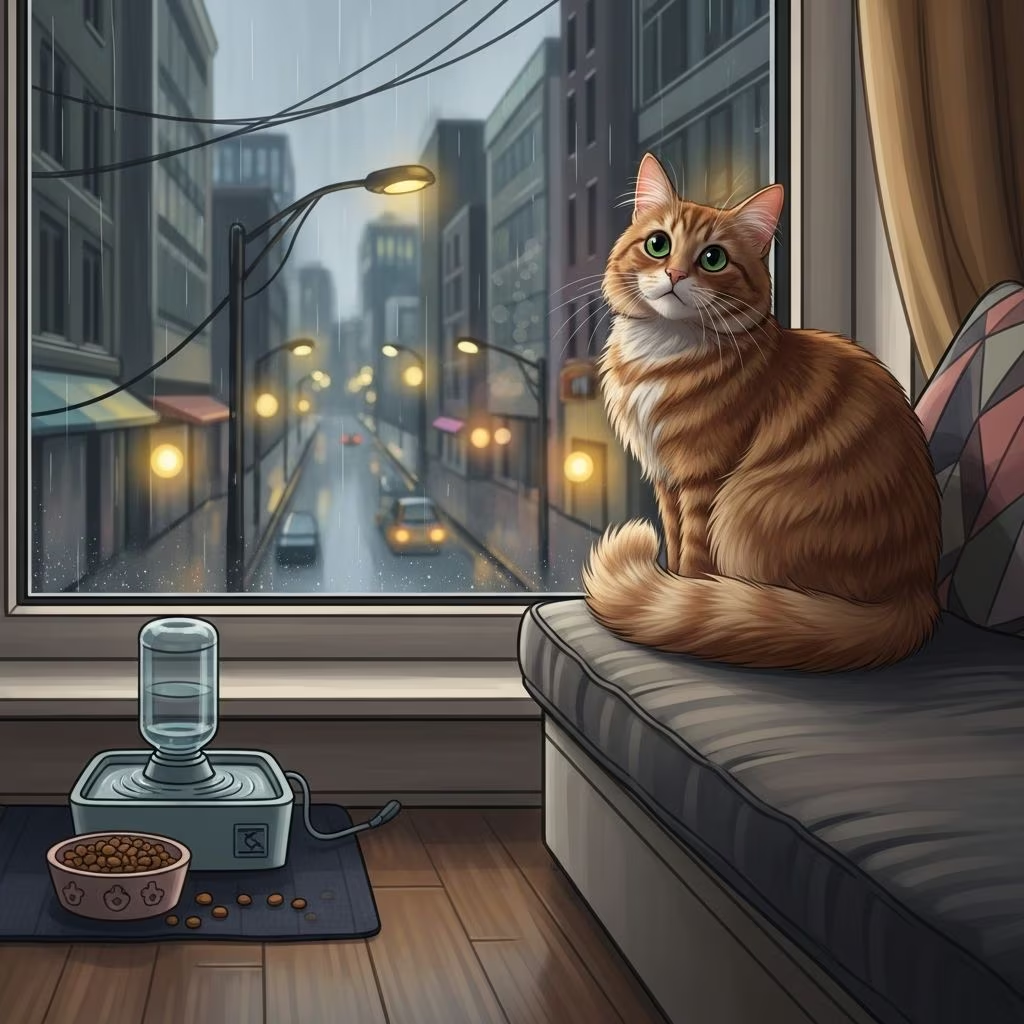
Many cat owners wonder if it’s safe to leave their feline companions home alone during a short weekend getaway. The good news is that for most healthy adult cats, a weekend absence of 1-3 days is manageable with proper planning. Healthy adult cats can typically handle 8-12 hours alone daily, extending to a weekend if basics like food, water, and litter are covered. However, factors like age, health, personality, and home setup play crucial roles in determining safety.
This comprehensive guide covers everything from preparation steps to when a cat sitter is necessary, drawing on veterinary advice and practical tips to ensure your cat thrives while you’re away.
How Long Can You Safely Leave a Cat Alone?
The duration a cat can be left alone varies by individual needs. Adult cats generally tolerate 24-48 hours without issue, but kittens, seniors, or those with medical conditions require more frequent attention. A weekend trip (Friday to Sunday) falls within the safe range for independent adults if preparations are thorough.
- 1 Day: Full bowls suffice; no sitter needed for healthy adults.
- 2-3 Days (Weekend): Automation helps, but optional check-ins recommended.
- 4+ Days: Daily visits essential to prevent issues like soiled litter or dehydration.
For context, kittens under 6 months shouldn’t exceed 4-6 hours alone, while seniors may need medication checks. Always assess your cat’s specific temperament—anxious cats may develop stress-related behaviors like excessive meowing or destructiveness.
Preparation Checklist: Essential Steps Before Leaving
Thorough preparation minimizes risks and keeps your cat comfortable. Start days in advance to acclimate your pet to changes.
Clean and Secure the Environment
Begin with a deep clean: scoop litter boxes, wash bedding, and remove hazards. Cats are fastidious; a dirty space leads to avoidance of litter or stress.
- Secure windows, doors, and balconies to prevent escapes.
- Hide or unplug electrical cords—cats chew when bored.
- Move toxic plants (e.g., lilies, poinsettias) to inaccessible areas.
- Store chemicals, medications, and small objects out of reach.
Food and Water Setup
Provide ample fresh resources. For a weekend, use automatic feeders and fountains to ensure steady access.
| Duration | Feeding Recommendation | Water Recommendation |
|---|---|---|
| 1-3 Days | Automatic feeder with 1/2-2/3 cup dry food daily or equivalent wet; portioned timed releases | Water fountain or multiple bowls (7-9 oz/day minimum); auto-refill preferred |
| 4-6 Days | Daily sitter top-ups | Fresh at every visit |
Avoid free-feeding large amounts, as it risks obesity or spoilage. Wet food needs portioning to stay fresh.
Litter Box Management
Cats need clean litter; provide one box per cat plus one extra. For weekends without visits, use 2-3 fresh boxes or a self-cleaning model like Litter-Robot, emptied before departure.
- Scoop daily if possible; otherwise, extra boxes prevent overflow.
- Train cats to new boxes beforehand.
- Self-cleaning boxes control odors and maintain hygiene automatically.
Multiple cats require proportional boxes to avoid conflicts.
Do You Need a Cat Sitter for a Weekend?
For a standard weekend, a sitter isn’t always mandatory but is wise for peace of mind, especially with multiple cats, health issues, or anxiety-prone pets. A quick check-in (food refresh, litter scoop, playtime) suffices.
- No Sitter Needed If: Cat is healthy, independent; automation in place; under 48 hours.
- Sitter Recommended If: Medical needs, kittens/seniors, history of anxiety, or 3+ days.
Pet sitters or trusted friends should visit daily, providing interaction. Apps like PetSnowy track litter and feeding remotely. Professional sitters handle emergencies better than friends.
Entertainment and Stress Reduction
Cats get bored easily, leading to mischief. Combat isolation with stimulation.
- Leave toys, puzzle feeders, and scratching posts.
- Use motion-activated or remote toys via pet cameras for interaction.
- Play TV/radio at low volume for background noise.
- Open blinds for sunlight access—cats love warmth.
Calming Aids
Reduce separation anxiety with Feliway pheromone diffusers or Pro Plan Calming Care probiotics, started weeks ahead. Place unwashed clothes with your scent in bedding for comfort.
Monitoring Your Cat Remotely
Pet cameras are invaluable for weekends alone. Watch via app, dispense treats, or speak to your cat.
- Check for eating, litter use, and normal behavior.
- Alert a neighbor for issues like power outages affecting automations.
Smart litter boxes monitor health metrics, signaling problems early.
Safety Considerations for Special Cats
Kittens and Seniors
Kittens (under 6 months) max 4-6 hours alone; seniors need frequent checks for meds and mobility. Never leave them for a full weekend solo.
Cats with Health Issues
Diabetic, arthritic, or post-surgery cats require daily oversight. Shorten alone time and mandate sitters.
Multiple Cats
More cats mean more boxes, food stations, and potential bullying. Ensure harmony with extra resources.
Alternatives to Leaving Cats Home Alone
If home setup isn’t ideal, consider:
- Boarding: Cage-free facilities with play areas.
- House Sitting: Full-time care in your home.
For weekends, home with automation often works best for territorial cats.
Frequently Asked Questions (FAQs)
Can I leave my cat alone for 3 days?
Yes, with automatic feeders, water fountains, multiple litter boxes, and optional check-ins. Monitor via camera.
What if my cat has anxiety?
Use calming aids, familiar scents, and a sitter visit. Avoid long absences.
Is a self-cleaning litter box enough for a weekend?
Often yes, if emptied and refilled; pair with extras for reliability.
How much food for a weekend?
Timed feeder: 1/2-2/3 cup dry/day or equivalent wet, avoiding overfeeding.
Can I leave wet food out?
No, it spoils; use automatic portions or dry food.
Final Thoughts on Weekend Cat Care
With meticulous prep, most cats handle weekends fine. Prioritize their comfort to return to a happy pet. When in doubt, opt for a sitter—your cat’s well-being is worth it.
References
- Vacation Cat Care: How Long Can You Leave a Cat Alone? — Whisker. 2023. https://www.whisker.com/blog/vacation-cat-care
- Leaving Cats Alone While On Vacation: 15 Tips To Follow — Comforted Kitty. 2023. https://comfortedkitty.com/leaving-cat-alone-vacation/
- How Long Can You Leave a Cat Alone? — PetMD. 2024-05-15. https://www.petmd.com/cat/general-health/how-long-can-you-leave-a-cat-alone
- Cat Travel Planning – How Long Can They Stay Alone? — PetSnowy. 2024. https://petsnowy.com/blogs/press-updates/cat-travel-planning-time-guide
- Leaving Your Cat Home Alone – Guilt Free Tips — Woodland Vet Hospital. 2023. https://woodlandvethospital.com/leaving-your-cat-home-alone-guilt-free-tips/
- Should You Leave Your Cat Alone for a Long Weekend? — Tranimal Hospital. 2023. https://www.tranimalhospital.com/articles/a_33296.html/561808-should-you-leave-your-cat-alone-for-a-long-weekend



