

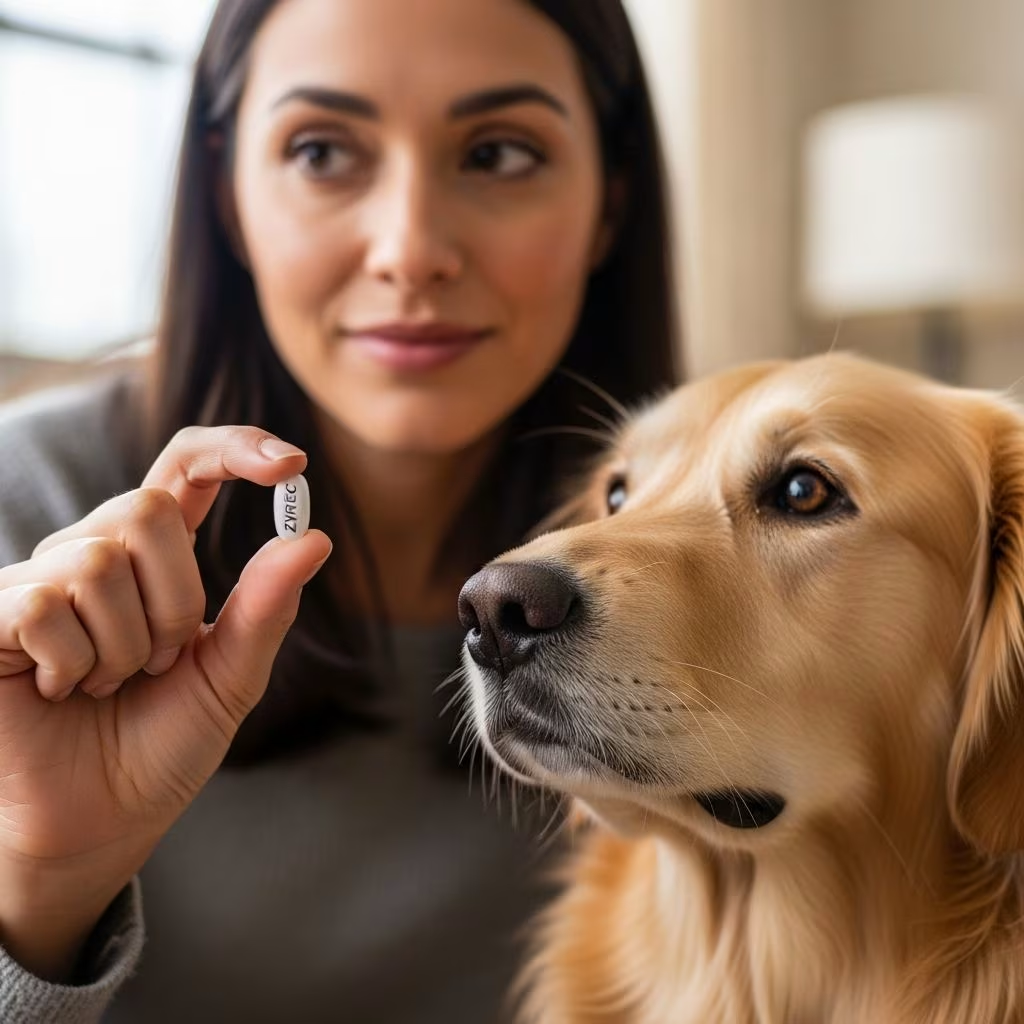
Zyrtec, known generically as cetirizine, is a second-generation antihistamine commonly used in humans to relieve allergy symptoms like itching, sneezing, and hives. Many dog owners wonder if this over-the-counter medication can safely help their pets with similar issues. The answer is yes, Zyrtec can be given to dogs for allergy relief, but only under veterinary guidance due to its off-label use in canines. This article covers safety, dosages, effectiveness, side effects, and key precautions to ensure your dog’s well-being.
What Is Zyrtec and How Does It Work for Dogs?
Zyrtec contains cetirizine hydrochloride, which blocks histamine H1 receptors in the body. Histamine is a chemical released during allergic reactions, causing symptoms such as itching, inflammation, and watery eyes. In dogs, allergies often manifest as atopic dermatitis (skin allergies), environmental sensitivities to pollen or dust, or reactions to insect bites. Unlike first-generation antihistamines like Benadryl (diphenhydramine), Zyrtec is less sedating because it minimally crosses the blood-brain barrier, making it preferable for daytime use.
Veterinarians prescribe Zyrtec off-label for dogs because it’s not FDA-approved specifically for canine use, but extensive clinical experience supports its efficacy. It typically starts working within 1-2 hours, with peak effects around 2-4 hours, providing relief for 12-24 hours depending on the dose and dog’s condition. Studies and vet manuals, such as the Merck Veterinary Manual, endorse dosages around 0.45-0.5 mg per pound of body weight.
For best results, Zyrtec is most effective when started early in allergy season or at the first sign of symptoms. It’s often combined with other therapies like medicated shampoos, omega-3 supplements, or hypoallergenic diets for comprehensive management.
Is Zyrtec Safe for Dogs?
Yes, Zyrtec is generally safe for most healthy dogs when dosed correctly and administered as directed by a veterinarian. It’s available over-the-counter as 5 mg or 10 mg tablets, chewables, or liquid syrup, making it accessible and affordable. However, safety hinges on several factors:
- Consult a vet first: Always discuss your dog’s full health history, current medications, and supplements. Zyrtec can interact with opioids, sedatives, muscle relaxants, other antihistamines, or CNS depressants.
- Avoid in certain dogs: Do not use in dogs with seizures, glaucoma, known hypersensitivity to cetirizine or hydroxyzine, or those prone to anaphylaxis.
- Pregnant or nursing dogs: Limited research exists; use only if benefits outweigh risks, per vet discretion.
- Senior dogs: Proceed with caution due to potential liver or kidney function decline, which affects drug metabolism.
Standard Zyrtec is safe, but never give Zyrtec-D. The ‘D’ indicates pseudoephedrine, a decongestant toxic to dogs, potentially causing seizures, hyperactivity, or death even in small doses. Always check labels carefully.
Zyrtec Dosage for Dogs
The standard dosage is 0.5 mg per pound (1 mg/kg) of body weight, given once daily, though some vets recommend up to twice daily for severe cases. Use a pill cutter for precision with 10 mg tablets. Liquid forms aid accurate dosing for small dogs or picky eaters. Administer with or without food; pairing with a meal reduces rare stomach upset.
Here’s a vet-recommended dosage chart based on weight:
| Dog Weight | Dosage | Frequency |
|---|---|---|
| Under 10 lbs | 2.5 mg (¼ of 10 mg tablet or ½ of 5 mg) | Once daily |
| 11-25 lbs | 5 mg (½ of 10 mg tablet) | Once daily |
| 26-50 lbs | 10 mg (1 x 10 mg tablet) | Once daily |
| 51-75 lbs | 15 mg (1½ x 10 mg tablets) | Once daily |
| Over 75 lbs | 20 mg (2 x 10 mg tablets) | Once or twice daily (vet-approved) |
Note: Dosages vary slightly by source (e.g., 0.25-0.5 mg/lb); always follow your vet’s personalized recommendation. Do not exceed 20 mg daily without guidance. Treatment duration is short-term for acute allergies or long-term for chronic conditions.
How Long Does Zyrtec Take to Work in Dogs?
Most dogs show improvement within 1-2 hours after the first dose, with full effects peaking at 2-4 hours. Symptom relief—reduced itching, paw licking, or eye rubbing—lasts 12-24 hours. If no response after 2-3 days, Zyrtec may not be effective for your dog’s specific allergy; consult your vet for alternatives like Apoquel or Cytopoint. Factors influencing speed include dose accuracy, allergy severity, and concurrent treatments.
Side Effects of Zyrtec in Dogs
Zyrtec is well-tolerated, with fewer side effects than older antihistamines. Common ones include:
- Mild drowsiness (less than Benadryl)
- Lethargy or sedation (more in small dogs at high doses)
- Vomiting or hypersalivation (rare)
- Decreased appetite
- GI upset (minimized with food)
Serious reactions are rare but watch for allergic responses like facial swelling or difficulty breathing—seek emergency care immediately. Monitor closely for the first few doses and log any changes for your vet.
What If My Dog Misses a Dose?
For once-daily dosing, give the missed dose as soon as remembered, then resume the schedule. For twice-daily, maintain intervals; do not double up. Consistency maximizes efficacy, as allergy control builds over time.
Alternatives to Zyrtec for Dog Allergies
If Zyrtec isn’t suitable, consider:
- Benadryl (diphenhydramine): 1 mg/lb, 2-3 times daily; more sedating.
- Claritin (loratadine): 0.2-0.25 mg/lb once daily.
- Prescription options: Apoquel, Atopica, or Cytopoint injections for severe cases.
- Non-drug therapies: Allergy testing, immunotherapy shots, flea preventives, or environmental changes.
Your vet can tailor based on allergy type (food, environmental, flea).
Frequently Asked Questions (FAQs)
Can I give my dog Zyrtec every day?
Yes, for chronic allergies, long-term use is safe under vet supervision.
Does Zyrtec make dogs sleepy?
Mild drowsiness occurs in some, but it’s less common and severe than with Benadryl.
Can puppies take Zyrtec?
Use cautiously in pups; consult vet for age-appropriate dosing.
Is Zyrtec-D safe for dogs?
No, pseudoephedrine is toxic—stick to plain Zyrtec.
How do I know if Zyrtec is working?
Look for reduced itching/scratching within 1-2 hours; full relief in days.
Proactive allergy management improves your dog’s quality of life. Always prioritize veterinary advice over self-treatment to avoid risks.
References
- What You Need to Know: Zyrtec for Dogs — Whole Dog Journal. 2023. https://www.whole-dog-journal.com/health/what-you-need-to-know-zyrtec-for-dogs/
- How long does it take for Zyrtec to work in dogs? — SingleCare. 2024. https://www.singlecare.com/blog/how-long-does-it-take-for-zyrtec-to-work-in-dogs/
- Zyrtec for Dogs — WagWalking. 2024. https://wagwalking.com/treatment/zyrtec-for-dogs-1
- Cetirizine (Zyrtec) for Dogs and Cats: Uses & Dosage Guide — PetPlace. 2023. https://www.petplace.com/article/drug-library/drug-library/library/cetirizine-zyrtec-for-dogs-and-cats
- Cetirizine — VCA Animal Hospitals. 2024. https://vcahospitals.com/know-your-pet/cetirizine



