

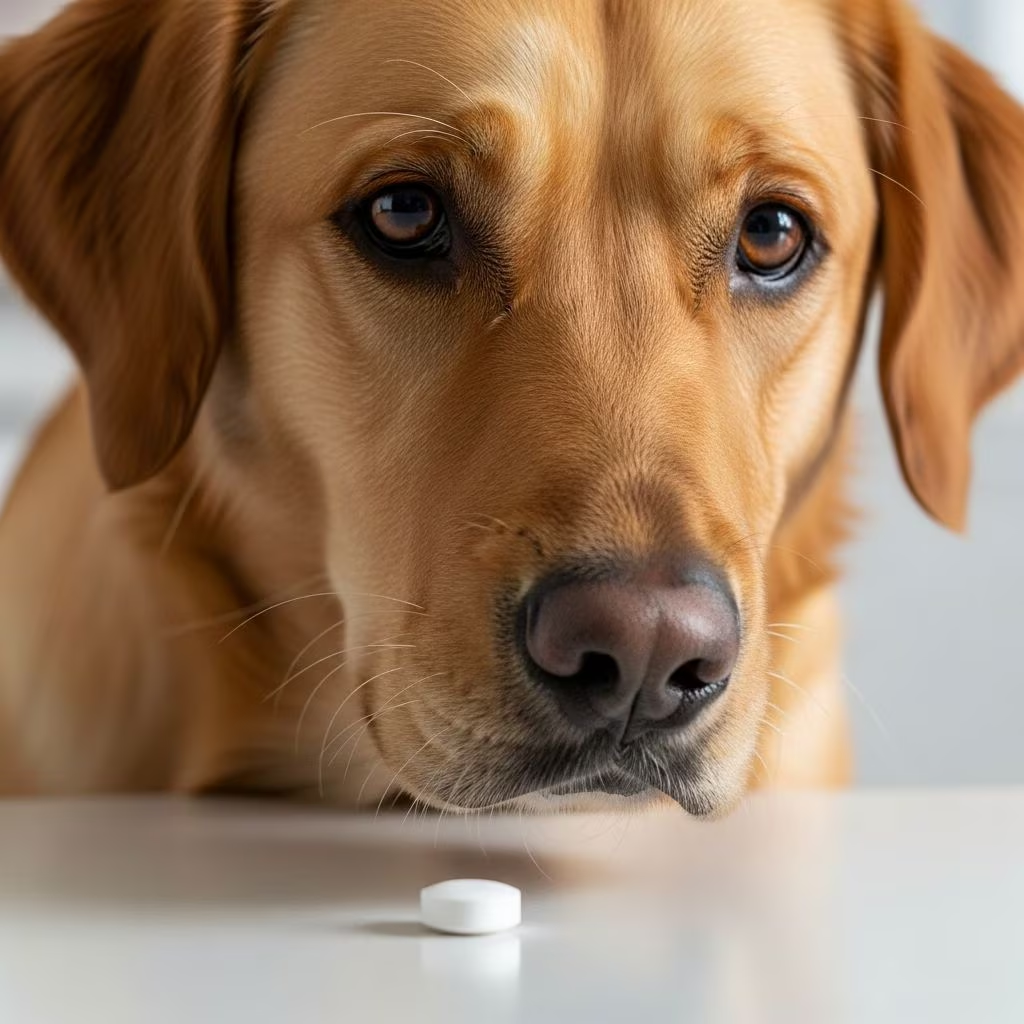
Piriton, known generically as chlorpheniramine maleate, is a common over-the-counter antihistamine used in humans to treat allergies. Many dog owners wonder if it’s safe and effective for their pets, especially for managing seasonal allergies, insect stings, or itching. While Piriton can be prescribed for dogs under veterinary supervision, it is not recommended to administer it without professional guidance due to potential risks, dosage variations, and interactions. This article explores the uses, safe dosing, side effects, and key considerations for giving Piriton to dogs, drawing from veterinary-recommended practices.
What is Piriton and How Does it Work in Dogs?
Piriton contains **chlorpheniramine maleate**, a first-generation antihistamine that blocks histamine receptors in the body. Histamine is a chemical released during allergic reactions, causing symptoms like itching, swelling, sneezing, and watery eyes. In dogs, it helps alleviate similar allergy symptoms from pollen, insect bites, or environmental triggers.
Unlike in humans, dogs metabolize medications differently, so human formulations like Piriton require precise dosing. It’s commonly used for atopic dermatitis (environmental allergies), bee or wasp stings, and mild allergic reactions. However, it’s not a cure-all and works best as short-term relief.
Is Piriton Safe for Dogs?
Yes, Piriton is generally safe for dogs when given at the correct dosage and under vet supervision. Veterinary sources confirm chlorpheniramine is a standard antihistamine for canine allergies, with a good safety profile in most healthy dogs.
Key safety factors include:
- Veterinary approval: Always consult a vet first, especially if your dog has pre-existing conditions like glaucoma, high blood pressure, heart disease, or is on other medications (e.g., sedatives, antidepressants).
- No self-medication: Human Piriton tablets (4mg chlorpheniramine) must be dosed precisely; liquid forms may contain additives unsafe for dogs.
- Breed considerations: Breeds like Collies or those with MDR1 gene mutation may be more sensitive to certain drugs, though chlorpheniramine is usually tolerated.
Studies and vet manuals indicate low toxicity at recommended doses, but overdose can lead to serious issues like seizures or coma.
Piriton Dosage for Dogs by Weight
The correct **Piriton dosage for dogs** is weight-based, typically 0.2mg to 0.5mg of chlorpheniramine per kg of body weight, given every 8-12 hours (up to 2-3 times daily). Never exceed 0.5mg/kg per dose or 8mg total daily for large dogs.
Here’s a general dosage chart based on veterinary guidelines (Piriton tablets are 4mg each; always confirm with vet):
| Dog Weight | Dosage per Dose | Frequency | Max Daily |
|---|---|---|---|
| Under 5kg (<11lbs) | 1/4 tablet (1mg) | Every 8-12 hours | 3mg |
| 5-10kg (11-22lbs) | 1/2 tablet (2mg) | Every 8-12 hours | 6mg |
| 10-20kg (22-44lbs) | 1 tablet (4mg) | Every 8-12 hours | 8-12mg |
| 20-30kg (44-66lbs) | 1-1.5 tablets (4-6mg) | Every 8-12 hours | 12-18mg |
| Over 30kg (>66lbs) | 1.5-2 tablets (6-8mg) | Every 8-12 hours | 24mg (vet monitored) |
Note: These are approximate guidelines from sources like MSD Vet Manual and PetPlace. Liquid Piriton (2mg/5ml) equivalents: 5ml for small dogs, 10-20ml for large.
For example, a 10kg dog needs about 2mg (0.2mg/kg), or half a tablet. Start low and monitor response.
Common Uses of Piriton in Dogs
- Allergies and Hay Fever: Effective for seasonal pollen allergies causing itchy skin, paws, ears, or eyes. Administer before peak seasons like spring/summer.
- Insect Stings/Bites: Reduces swelling from bee/wasp stings. Give promptly after sting, but monitor for anaphylaxis (seek emergency vet care).
- Itchy Skin (Atopy): Relieves mild dermatitis; combine with medicated shampoos for better results.
- Mild Sedation: At lower doses (0.22mg/kg), it can calm anxious dogs without strong sedatives.
Piriton is not ideal for food allergies, infections, or severe reactions—vet diagnostics are essential first.
Side Effects of Piriton in Dogs
Most dogs tolerate Piriton well, but side effects occur in 10-20% of cases, mainly due to its sedative properties.
Common side effects:
- Drowsiness/lethargy: Most frequent, especially first doses; resolves with time.
- Dry mouth: Encourage water intake.
- Gastrointestinal upset: Vomiting, diarrhea, or loss of appetite; give with food.
- Rare: Increased heart rate, excitability (paradoxical in some dogs), urinary retention.
Overdose signs: Tremors, seizures, rapid breathing—rush to vet. Puppies, seniors, and those with liver/kidney issues are at higher risk.
Can I Give My Dog Piriton Every Day?
Daily use is possible for chronic allergies under vet guidance, but not indefinitely without monitoring. Short-term (1-2 weeks) is safest; long-term requires bloodwork to check liver function.
Alternatives for ongoing allergies:
- Apoquel or Cytopoint injections (faster, less drowsy).
- Hydroxyzine or Benadryl (diphenhydramine) as alternatives.
- Allergy testing and immunotherapy.
Vets may prescribe Piriton seasonally, e.g., 2-3 months during pollen peaks.
How to Administer Piriton to Your Dog
- Consult vet: Get exact dose and duration.
- Tablet form: Hide in pill pockets, peanut butter, or use a pill gun. Crush if needed (mix in food).
- Liquid: Use syringe; shake well.
- Timing: With/without food; consistent schedule.
- Monitor: Watch 1-2 hours post-dose for effects. Provide water.
Storage: Cool, dry place away from kids/pets.
When to See a Vet Instead of Giving Piriton
Skip Piriton and seek immediate vet care if:
- Severe swelling, difficulty breathing, collapse (anaphylaxis).
- Symptoms persist >48 hours or worsen.
- Bleeding, infection signs, or chronic issues.
- Dog on MAOIs, anticholinergics, or pregnant/lactating.
Frequently Asked Questions (FAQs)
Is Piriton the same as Benadryl for dogs?
No, Piriton (chlorpheniramine) is similar but longer-acting than Benadryl (diphenhydramine). Both are antihistamines; choice depends on symptoms.
How quickly does Piriton work in dogs?
Effects start in 30-60 minutes, peak at 2-4 hours, last 8-12 hours.
Can puppies have Piriton?
Not under 6 months or without vet approval; use weight-adjusted micro-doses.
Is Piriton overdose reversible?
Yes, with prompt vet care (activated charcoal, IV fluids).
What if my dog vomits after Piriton?
Stop dosing, offer water, contact vet if persists.
Conclusion
Piriton can be a valuable tool for managing your dog’s allergies when used correctly, but veterinary oversight is non-negotiable. By following weight-based dosages, monitoring side effects, and exploring long-term alternatives, you can keep your dog comfortable and itch-free. Prioritize professional advice to ensure safety and efficacy.
References
- Can I Give My Dog Piriton | January 2026 — We Walk Woofs. 2026-01. https://www.wewalkwoofs.co.uk/post/piriton-for-dogs
- What To Do If Your Dog Is Stung — Vetiq. Accessed 2026. https://vetiq.co.uk/pet-care/dog-care/how-to-deal-with-bee-stings-in-dogs/
- Piriton for dogs: Everything you need to know — Country Living. 2020-09-18. https://www.countryliving.com/uk/wildlife/pets/a32888692/piriton-for-dogs/
- Piriton for Dogs: A Breakthrough Solution — FitBark. Accessed 2026. https://www.fitbark.com/blog/piriton-for-dogs-a-breakthrough-solution-for-canine-health/
- Is Piriton Safe for Dogs — Waggel. Accessed 2026. https://www.waggel.co.uk/blog/post/is-piriton-safe-for-dogs
- Chlorpheniramine Maleate for Dogs and Cats — PetPlace. Accessed 2026. https://www.petplace.com/article/drug-library/drug-library/library/chlorpheniramine-maleate-chlor-trimeton-for-dogs-and-cats
- Antihistamine Dosages for Integumentary Disease — MSD Veterinary Manual. Accessed 2026. https://www.msdvetmanual.com/multimedia/table/antihistamine-dosages-for-integumentary-disease-in-animals



