Can Humans Make Dogs Sick?
Discover the surprising truth about reverse zoonoses: how human illnesses can transfer to dogs and simple steps to protect your pet.
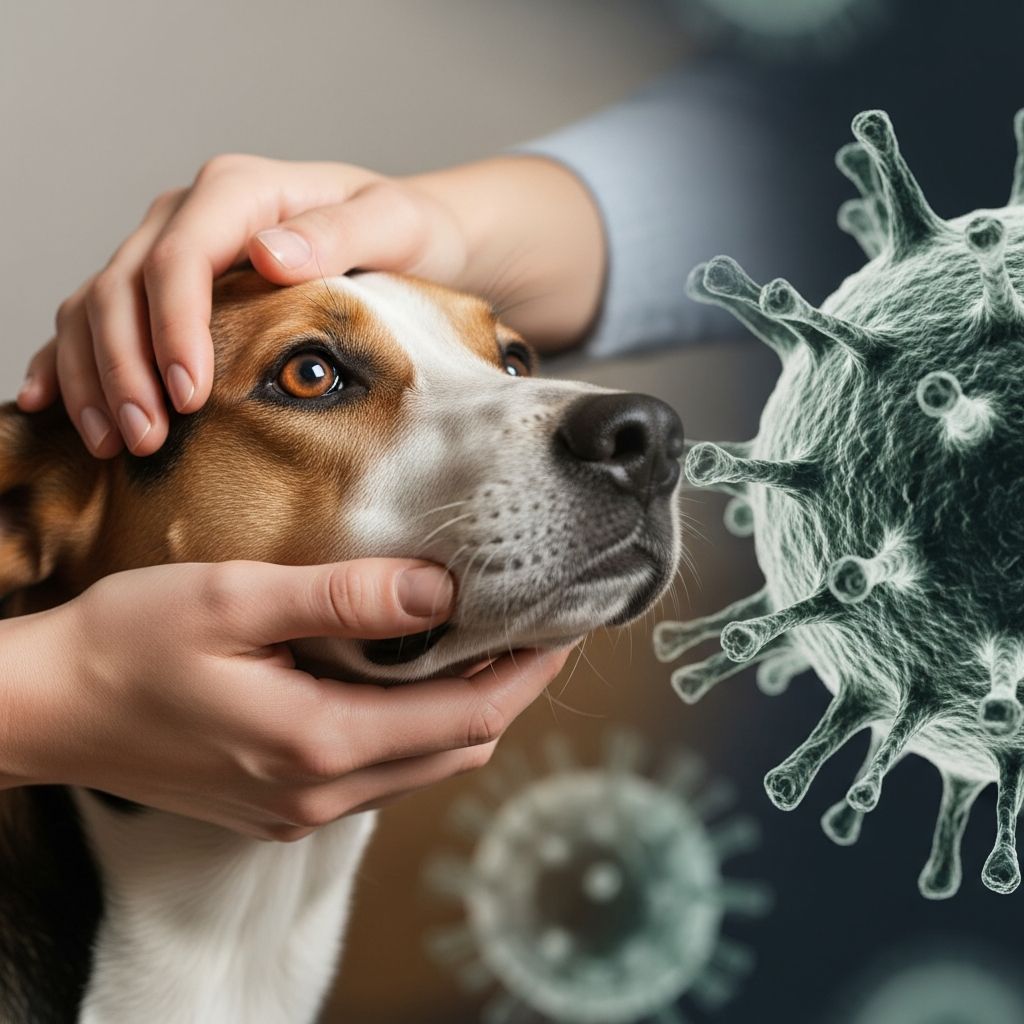
Dogs share close bonds with humans, often sleeping in beds, receiving kisses, and eating from family spaces, raising questions about disease transmission from people to pets. Research shows that certain human pathogens can infect dogs, a phenomenon known as reverse zoonosis, though dogs typically experience milder symptoms than humans.
The Science of Reverse Zoonosis
Reverse zoonosis refers to diseases passing from humans to animals, increasingly documented as pets integrate into households. Studies indicate dogs can contract human flu viruses, SARS-CoV-2, mumps, and bacterial infections like MRSA, often without severe illness. A University of Florida report highlights growing evidence of this bidirectional transmission, noting pets’ susceptibility due to intimate contact.
Unlike traditional zoonoses where animals infect humans, reverse cases are less common but notable in immunocompromised dogs or during outbreaks. The CDC emphasizes hygiene to mitigate risks in shared environments.
Key Pathogens Transmissible from Humans to Dogs
Several bacteria and viruses bridge the species gap. Here’s a breakdown of primary concerns:
- Methicillin-resistant Staphylococcus aureus (MRSA): Humans carry MRSA asymptomatically on skin; it transfers via touch, causing skin, respiratory, or urinary infections in dogs.
- Salmonella: Fecal-oral transmission occurs if humans with salmonellosis handle dogs post-bathroom without handwashing, leading to fever, diarrhea, and vomiting in pets.
- Influenza Viruses: Human flu strains, including SARS-CoV-2, have infected dogs experimentally and naturally, though illness is rare.
- Other Bacteria: Campylobacter and certain respiratory viruses can spread through close contact or shared items.
| Pathogen | Human Symptoms | Dog Symptoms | Transmission Method |
|---|---|---|---|
| MRSA | Skin infections | Skin, respiratory, urinary infections | Skin contact |
| Salmonella | Fever, diarrhea | Diarrhea, vomiting | Fecal-oral |
| Influenza | Flu-like | Mild respiratory | Respiratory droplets |
| Campylobacter | Diarrhea, cramps | Gastroenteritis | Contact with feces |
Risks for Specific Dog Populations
Not all dogs face equal threats. Puppies, seniors, and those with weakened immunity from illness, chemotherapy, or transplants are most vulnerable. Immunosuppressed pets mirror high-risk humans: those with HIV, cancer patients, or pregnant individuals whose altered immunity affects fetal development.
Breeds with respiratory issues or brachycephalic faces may suffer more from viral transmissions. Ohio State research notes puppies spread and contract bacteria like Campylobacter more readily.
Symptoms to Monitor in Dogs
Dogs infected from humans may show subtle signs initially. Watch for:
- Gastrointestinal upset: vomiting, bloody diarrhea, loss of appetite.
- Skin changes: redness, pustules, itching from MRSA.
- Respiratory distress: coughing, nasal discharge, lethargy from flu-like viruses.
- Systemic issues: fever, weakness, urinary problems.
Early vet consultation prevents escalation, as untreated infections can lead to organ damage.
Preventive Measures for Household Safety
Simple habits reduce transmission risks significantly:
- Hygiene First: Wash hands thoroughly after bathroom use, before handling food or pets.
- Limit Contact During Illness: Isolate sick humans from dogs to avoid droplet or contact spread.
- Safe Feeding: Avoid raw meats, eggs, or treats that harbor bacteria.
- Veterinary Care: Keep vaccinations current; use tick and parasite preventives.
- Clean Shared Items: Disinfect toys, bedding, brushes to prevent fomite transmission.
Spaying/neutering reduces roaming exposure, indirectly aiding prevention.
Bidirectional Disease Flow: Zoonoses from Dogs to Humans
While focusing on human-to-dog risks, remember traditional zoonoses. Dogs transmit Salmonella, Campylobacter, ringworm, rabies, toxocariasis, and tick-borne illnesses like Lyme. Feces carry parasites such as hookworms, roundworms, Giardia.
High-risk humans (children under 5, elderly over 65, immunocompromised, pregnant) must handle pet waste carefully. Dog bites affect 1 in 5 people needing medical care, spreading germs.
Expert Insights from Veterinary Research
ASM Journals detail Salmonella prevalence in dogs (1-36% colonization), with pets acting as minor human reservoirs but vice versa possible via contaminated food. VCA Hospitals affirm pet dogs pose minimal zoonotic risk to healthy humans but note reverse transmission of MRSA, ringworm, fleas.
Washington State University warns of rare plague transmission, stressing urine/body fluid contact avoidance. KidsHealth clarifies common pet illnesses like parvovirus don’t cross to humans.
FAQs on Human-to-Dog Disease Transmission
Can my dog catch COVID-19 from me?
Yes, dogs can contract SARS-CoV-2 from infected humans, but severe disease is uncommon.
Is MRSA common in household dogs?
Possible via skin contact with carriers; monitor for infections.
How do I know if my dog got sick from me?
Timing of symptoms post-human illness, plus vet tests for specific pathogens.
Are vaccinated dogs fully protected?
No, most reverse zoonoses lack vaccines; hygiene is key.
Should I avoid touching my sick dog?
If you’re ill, limit contact; if dog is ill, seek vet care promptly.
Long-Term Health Strategies for Pet Owners
Integrate routine check-ups, balanced diets, and environmental cleanliness. Emerging research on reverse zoonoses underscores one-health approaches, linking human, animal, and environmental health. Consult vets for tailored advice, especially in multi-pet homes or with vulnerable members.
By understanding these dynamics, owners foster safer homes. Prompt action on symptoms and adherence to basics like handwashing safeguard both species.
References
- Can Dogs Get Sick from Humans? What the Research Says — Healthline. 2023-10-15. https://www.healthline.com/health/can-dogs-get-sick-from-humans
- Diseases dogs can pass to humans — Ohio State University Wexner Medical Center. 2024-01-20. https://health.osu.edu/health/virus-and-infection/diseases-dogs-can-pass-to-humans
- Diseases Transmitted by Man’s Best Friend: The Dog — American Society for Microbiology Journals. 2015-03-01. https://journals.asm.org/doi/10.1128/microbiolspec.iol5-0002-2015
- Zoonotic Diseases in Dogs — VCA Animal Hospitals. 2024-05-10. https://vcahospitals.com/know-your-pet/zoonotic-diseases-in-dogs
- Disease risks for dogs in social settings — American Veterinary Medical Association. 2023-11-05. https://www.avma.org/resources-tools/pet-owners/petcare/disease-risks-dogs-social-settings
- Yes, humans can get their pets sick: reverse zoonoses more common than once thought — University of Florida Emerging Pathogens Institute. 2024-01-11. https://epi.ufl.edu/2024/01/11/yes-humans-can-get-their-pets-sick-reverse-zoonoses-more-common-than-once-thought/
Similar Articles








Read full bio of Sneha Tete