

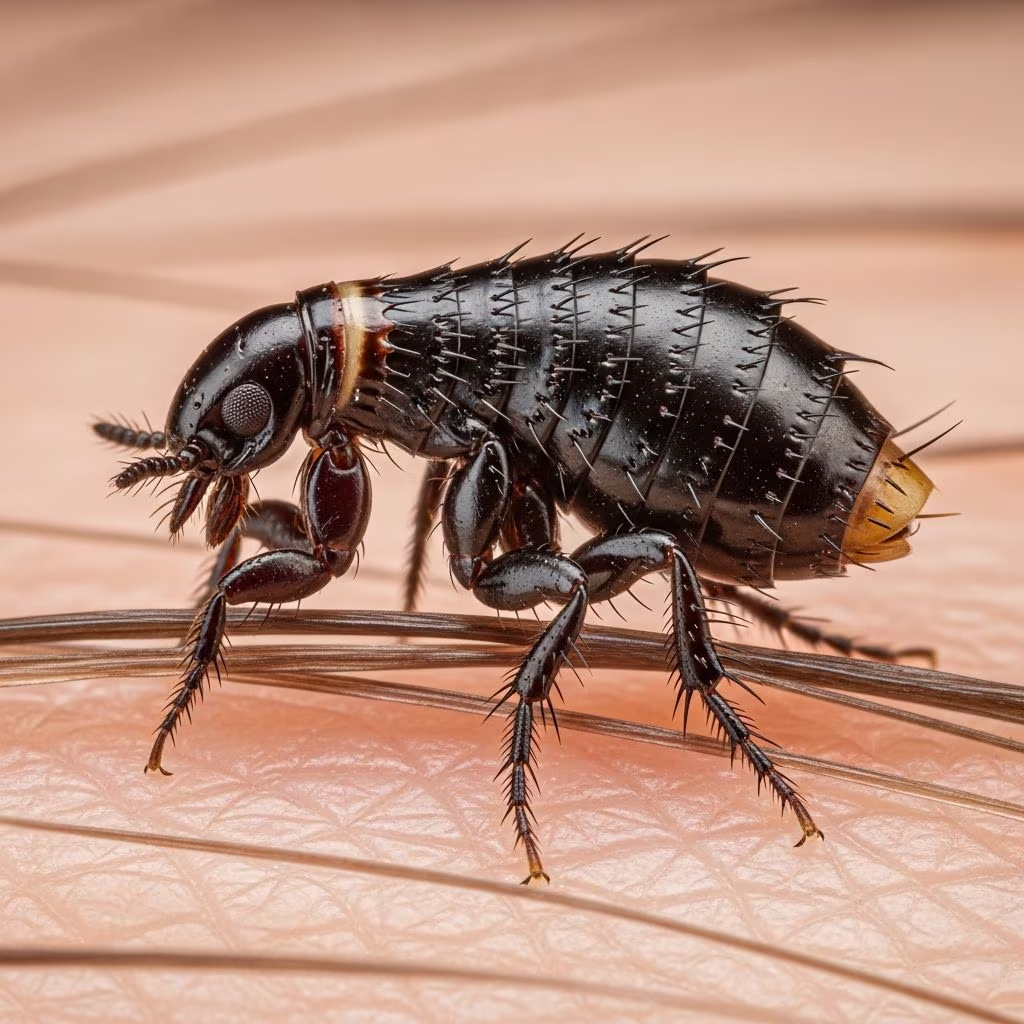
Can Humans Get Fleas From Dogs?
If your dog is not on a year-round flea and tick preventive, they can easily get fleas. This raises an important question for pet owners: can humans get fleas from dogs? Unfortunately, the answer is yes—humans can get fleas from dogs and other pets. If you’ve ever walked across the carpet in your home and noticed a dark speck on your white socks that suddenly appears then vanishes, there’s a good chance that speck could have been a flea. However, understanding the relationship between dog fleas and humans is crucial for effective prevention and treatment.
Can People Get Fleas From Dogs?
It’s true that people can get fleas from dogs, but this relationship is more complex than it might seem. While we can be bitten by fleas, humans cannot actually host fleas in the way that dogs can. The dog flea cannot survive on humans for two specific reasons:
- Dog fleas need dog blood to eat, and human blood does not provide adequate nutrition for their survival
- Humans aren’t hairy enough to provide ample hiding coverage or the warm environment that dog fleas seek in a home
Most fleas figure this out quickly and will return to your pup or seek a safer spot in your home, such as carpeting, furniture, or bedding. This biological incompatibility makes pest control and treating your home a key part of flea prevention, even though fleas cannot establish permanent populations on human skin.
Understanding Flea Bites on Humans
While fleas cannot live on humans, they can certainly bite us. When a flea does bite a human, it creates an itchy, uncomfortable experience. These bites typically appear as small red welts on the skin and can cause significant itching. The fact that fleas will bite humans but not stay on them means that flea prevention must focus on both treating your dog and protecting your home environment from flea infestations.
What To Do if Your Dog Has Fleas
If you suspect your dog has fleas, it’s essential to take immediate action. Fleas can lead to serious health complications in dogs, including hot spots, anemia in cases of heavy flea infestations (especially in young or debilitated dogs), and the transmission of diseases like tapeworms. If you do spot fleas on yourself, it’s likely your dog is the source of the flea problem. In this situation, it’s best to initiate treatment for your dog as well as get a fecal exam to rule out internal parasites and get rid of fleas right away.
How To Treat Fleas on Dogs
Treating fleas on your dog requires a multi-step approach to ensure complete eradication:
- Comb with a flea comb: Begin by combing your dog’s hair thoroughly with a flea comb to remove adult fleas and flea debris
- Bathe your dog: Give your dog a bath with dish soap or a flea shampoo (as long as your dog is old enough for one). Flea shampoos like Advantage Flea & Tick Treatment Shampoo for Dogs & Puppies are specifically formulated to kill fleas and their eggs
- Continue with prevention: After conquering the initial flea infestation, establish a year-round flea and tick prevention routine
Flea and Tick Prevention Options
Once you’ve treated your dog for fleas, preventing future infestations is critical. There are several effective prevention methods available:
- Flea collars: Medicated collars that your dog wears to repel and/or kill fleas. Products like Seresto offer eight months of protection, are non-greasy and odorless, and are available without a prescription for dogs at least 7 months old
- Oral flea and tick treatments: These medications are taken orally and typically come in a yummy chewable form. Some options, like Credelio Quattro, protect against internal parasites as well
- Topical flea and tick treatments: Also called spot-on treatments, these products like K9 Advantix II are applied directly to your dog’s skin and provide reliable protection
Important note: It is not recommended to use flea shampoo and topical flea treatments at the same time or very close together, as using both together may increase the risk of adverse effects and reduce the efficacy of the preventive medicine. Your veterinarian can recommend the best flea and tick prevention for your pet.
Treating Your Home for Fleas
Treating your dog is only part of the solution. Fleas can hide throughout your home, making environmental treatment essential for complete eradication.
Vacuuming and Cleaning
- Vacuum thoroughly: Use a regular vacuum on all carpeted areas and use a handheld vacuum, like the Black+Decker Dustbuster AdvancedClean+, to get in the hard-to-reach areas of your home
- Discard vacuum contents: Be sure to discard the vacuum cleaner bag or empty the canister after use to prevent fleas from escaping
- Wash all bedding: Wash all human bedding, throw rugs, and pet beds using laundry detergent and hot water to ensure you completely eradicate the fleas before treating your home with any flea products
Applying Indoor Flea Treatments
After cleaning, apply indoor flea sprays to your home. Products like Advantage Household Spot & Crevice Spray should be applied to carpets, pet bedding, and furniture. These sprays are designed to kill fleas and their larvae in your home environment, preventing re-infestation.
How To Prevent Fleas on Your Dog
Prevention is always better than treatment when it comes to fleas. Dog fleas and cat fleas are often one in the same, so it’s important that all pets in your home are on a flea preventive. Consider this part of your pet’s wellness plan.
Year-Round Flea Prevention
To prevent fleas on your dog, ensure they’re on a year-round flea and tick medication. This consistent approach prevents infestations before they start. Your veterinarian can recommend the best preventive for your pup based on your dog’s age, weight, health status, and lifestyle.
Multi-Pet Households
If you have multiple pets, ensuring all of them are on flea prevention is crucial. Fleas don’t discriminate between dogs and cats, so protecting your entire pet population prevents cross-infestation and maintains a flea-free home environment.
Frequently Asked Questions
Q: Can fleas live permanently on humans?
A: No, fleas cannot live permanently on humans. While they may bite us, they cannot survive on human skin due to lack of adequate blood nutrition and insufficient body hair for protection and warmth.
Q: How long do flea bites itch?
A: Flea bite itching can vary, but typically subsides within a few days to a week. However, scratching can prolong the irritation and lead to secondary skin infections.
Q: What diseases can fleas transmit?
A: Fleas can transmit several diseases in dogs, including tapeworms and other parasites. They can also potentially transmit diseases to humans in rare cases.
Q: Is it safe to apply flea treatment to my dog?
A: Yes, it is generally safe to apply flea treatments to dogs when used as directed. However, avoid direct skin contact during application and wash your hands thoroughly afterward.
Q: How often should I give my dog flea prevention?
A: The frequency depends on the type of prevention you choose. Some treatments provide protection for one month, while others like flea collars can provide up to eight months of protection. Your veterinarian can recommend the best schedule for your dog.
Q: Can I use my dog’s flea treatment on myself?
A: No, you should never use your dog’s flea treatment on yourself. Pet flea treatments are formulated specifically for animals and are not intended for human use. Additionally, the active ingredients may be unsafe or ineffective for humans due to differences in skin chemistry and bathing habits.
Q: What should I do if I get flea bites from my dog?
A: If you get flea bites, treat them like any other insect bite: wash the area with soap and water, avoid scratching, and apply a topical itch reliever if needed. Simultaneously, treat your dog and home to eliminate the flea source.
Q: How can I tell if my dog has fleas?
A: Signs of fleas in dogs include excessive scratching, small dark specks (flea dirt) in their coat, red or irritated skin, and visible fleas in their fur. A veterinarian can also perform a fecal exam to check for tapeworms transmitted by fleas.
References
- Can Humans Get Fleas From Dogs? — Chewy. Accessed November 2025. https://www.chewy.com/education/dog/flea-and-tick/can-humans-get-fleas-from-dogs
- Why can’t I use my dog’s tick prevention medicine? — Popular Science. https://www.popsci.com/humans-dogs-tick-protection/
- Are pet flea treatments safe for humans? — Itch. https://www.itchpet.com/blog/post/are-flea-treatments-safe-for-humans



