

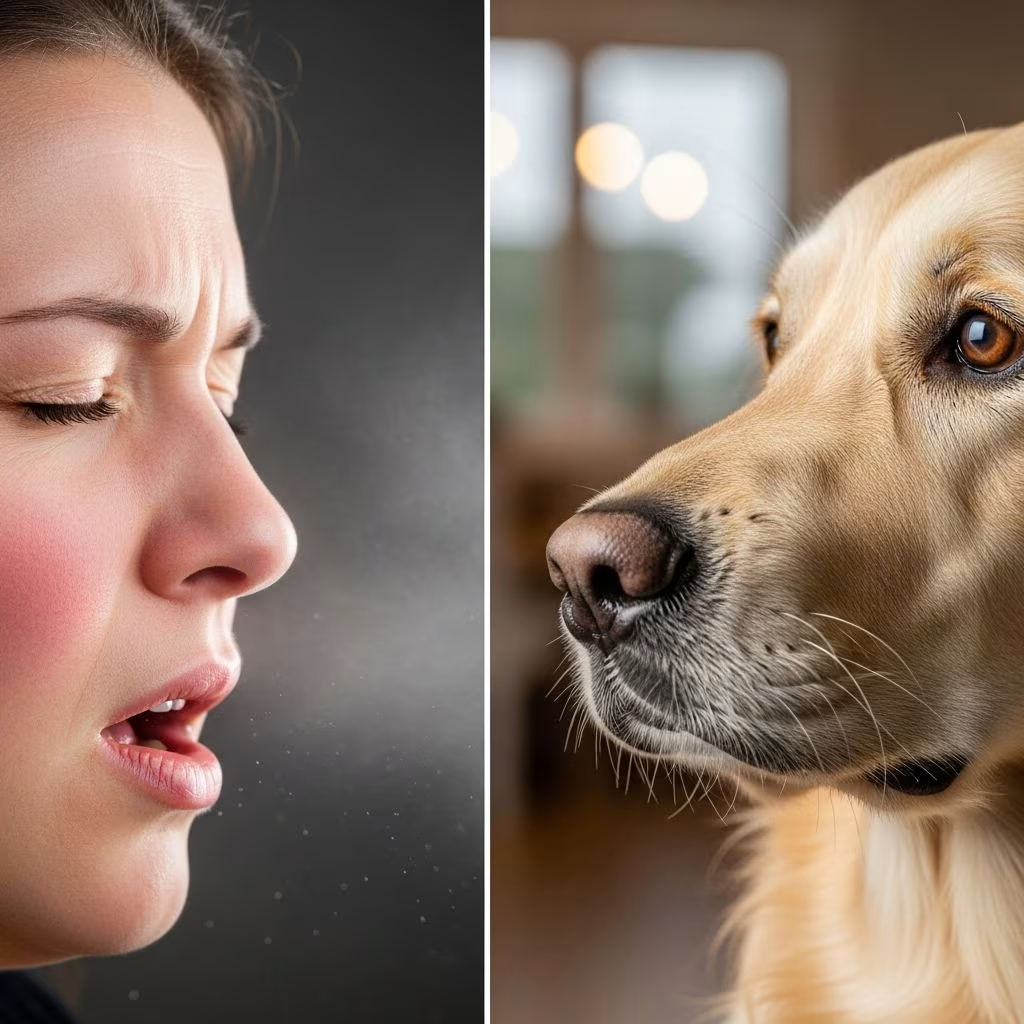
Yes, humans can transmit several illnesses to dogs through a process known as reverse zoonosis, where diseases pass from people to pets. Close contact like cuddling, kissing, or sharing spaces increases the risk, particularly for vulnerable dogs such as puppies, seniors, or those with weakened immune systems.
Dogs generally cannot catch human colds, flu, COVID-19, or stomach bugs like norovirus in ways that cause severe illness, but certain bacterial and viral infections are transmissible. Understanding these risks helps pet owners protect their furry companions while maintaining strong bonds.
Understanding Reverse Zoonosis
Reverse zoonosis refers to pathogens jumping from humans to animals, including dogs. Research shows household pets are susceptible due to shared environments, beds, and affection. A University of Florida study highlights increasing examples, noting pets’ vulnerability from close human interactions like kisses and snuggles.
Unlike traditional zoonoses (animal-to-human), reverse transmission is bidirectional for some diseases. The CDC notes that while most human illnesses don’t affect dogs, specific germs thrive in canines under certain conditions. High-risk groups for spreading include immunocompromised humans, but anyone with an active infection poses a threat.
Diseases Humans Can Pass to Dogs
Several bacterial and viral infections can transfer from humans to dogs. Here’s a breakdown of the most common:
- MRSA (Methicillin-resistant Staphylococcus aureus): This antibiotic-resistant staph bacteria causes skin infections in both species. Humans can pass it via skin contact or shared surfaces; dogs show abscesses, wounds, or respiratory issues.
- Salmonella: Often from contaminated food, humans shed Salmonella in feces or saliva, infecting dogs through contact. Dogs experience vomiting, diarrhea, fever, and lethargy. Dogs are somewhat resistant, but puppies and elderly are vulnerable.
- Influenza (Flu): Human flu strains like H1N1 and H3N2 can infect dogs, though symptoms are often mild or absent. Transmission occurs via respiratory droplets from coughing or sneezing.
- COVID-19: Rare, but documented cases exist where dogs caught SARS-CoV-2 from owners, showing mild respiratory signs. The CDC confirms pets can get infected but rarely spread it back.
- Campylobacter: Causes diarrhea in dogs if transmitted via contaminated feces or water. Humans with the bacteria can unknowingly spread it.
- Mumps: Rare, but dogs can become sick post-exposure to infected humans, per veterinary experts.
- Capnocytophaga: While primarily dog-to-human, reverse transmission via saliva or bites can occur, especially in shared wounds.
These diseases spread through saliva, feces, respiratory secretions, or direct contact. A PMC review confirms dogs as reservoirs for bidirectional zoonoses via saliva, urine, feces, and aerosols.
Symptoms to Watch For in Dogs
Dogs infected from humans may exhibit varied symptoms depending on the pathogen:
| Disease | Symptoms in Dogs | Incubation Period |
|---|---|---|
| MRSA | Skin abscesses, itching, fever, pneumonia | Days to weeks |
| Salmonella | Diarrhea, vomiting, lethargy, dehydration | 6 hours to 3 days |
| Influenza | Coughing, nasal discharge, fever (often mild) | 2-7 days |
| COVID-19 | Mild cough, lethargy, loss of appetite | 2-14 days |
| Campylobacter | Bloody diarrhea, abdominal pain, fever | 1-7 days |
Monitor for sudden changes, especially in multi-pet homes or with frequent human visitors. Early vet intervention prevents complications.
High-Risk Dogs and Situations
Not all dogs are equally susceptible:
- Puppies and Seniors: Immature or weakened immune systems make them prone to severe infections like Salmonella.
- Immunocompromised Dogs: Those with cancer, diabetes, or on chemotherapy face higher risks, similar to humans.
- Close Contact Scenarios: Bed-sharing, face-licking, or handling poop without hygiene amplifies transmission.
- Household Dynamics: Families with young children, elderly, or sick members unknowingly spread germs.
Elanco notes leptospirosis carriers in dogs can reverse-spread, but human-to-dog flu and bacteria are more common in homes.
Prevention Tips for Pet Owners
Simple hygiene drastically reduces risks:
- Wash Hands: Always before/after petting, feeding, or cleaning. Use soap for 20 seconds.
- Vaccinate Dogs: Core vaccines protect against secondary infections; discuss flu shots with vets.
- Isolate When Sick: Limit contact if you have flu, diarrhea, or skin infections.
- Clean Surfaces: Disinfect bowls, toys, bedding regularly. Avoid raw food diets.
- Grooming Hygiene: Bathe dogs weekly; trim nails to prevent scratches.
- Vet Checkups: Routine fecal tests detect carriers early.
The FDA emphasizes pet waste as a vector; prompt cleanup is key. Ohio State advises extra caution for high-risk households.
Can Dogs Pass These Back to Humans?
Bidirectional transmission occurs with Salmonella, MRSA, and Campylobacter. Dogs shedding post-infection can reinfect owners, creating cycles. KidsHealth notes pets don’t spread distemper or parvo, but bacteria cross over. PetMD stresses mutual precautions.
Frequently Asked Questions (FAQs)
Can I give my dog the flu?
Yes, human influenza strains like H1N1 can infect dogs via droplets, causing mild symptoms. Isolate during illness.
Will my cold make my dog sick?
Dogs rarely catch common colds, but monitor for secondary bacterial infections from close contact.
Can humans spread COVID to dogs?
Rarely; CDC reports mild cases in dogs from infected owners, but vaccination and masking help.
Is Salmonella from humans dangerous to dogs?
Dogs are resistant but puppies can suffer severe diarrhea. Hygiene prevents it.
How do I know if my dog got sick from me?
Symptoms like sudden GI upset post-human illness warrant vet tests for reverse zoonoses.
Are puppies more at risk?
Yes, due to developing immunity; extra hygiene around infants.
Conclusion: Protecting the Human-Dog Bond
Vigilant hygiene and awareness ensure safe coexistence. Most transmissions are preventable, allowing worry-free companionship. Consult vets for tailored advice.
References
- Diseases dogs can pass to humans — Ohio State Health & Discovery. 2023. https://health.osu.edu/health/virus-and-infection/diseases-dogs-can-pass-to-humans
- What Illnesses Can You Catch From Your Dog? — Healthline. 2023. https://www.healthline.com/health/humans-catching-from-dogs
- Can Dogs Get Humans Sick? 7 Zoonotic Diseases to Know About — Elanco Your Pet and You. 2024. https://yourpetandyou.elanco.com/us/health-and-care/can-dogs-get-humans-sick
- Can You Make Your Dog Sick? — PetMD. 2023. https://www.petmd.com/dog/slideshows/parasites/5-illnesses-you-can-give-your-dog-and-three-you-cant
- Review of bacterial and viral zoonotic infections transmitted by dogs — PMC/NCBI. 2017-02-20. https://pmc.ncbi.nlm.nih.gov/articles/PMC5319273/
- Yes, humans can get their pets sick: reverse zoonoses — University of Florida Emerging Pathogens Institute. 2024-01-11. https://epi.ufl.edu/2024/01/11/yes-humans-can-get-their-pets-sick-reverse-zoonoses-more-common-than-once-thought/
- About Capnocytophaga — CDC. 2024. https://www.cdc.gov/capnocytophaga/about/index.html



