

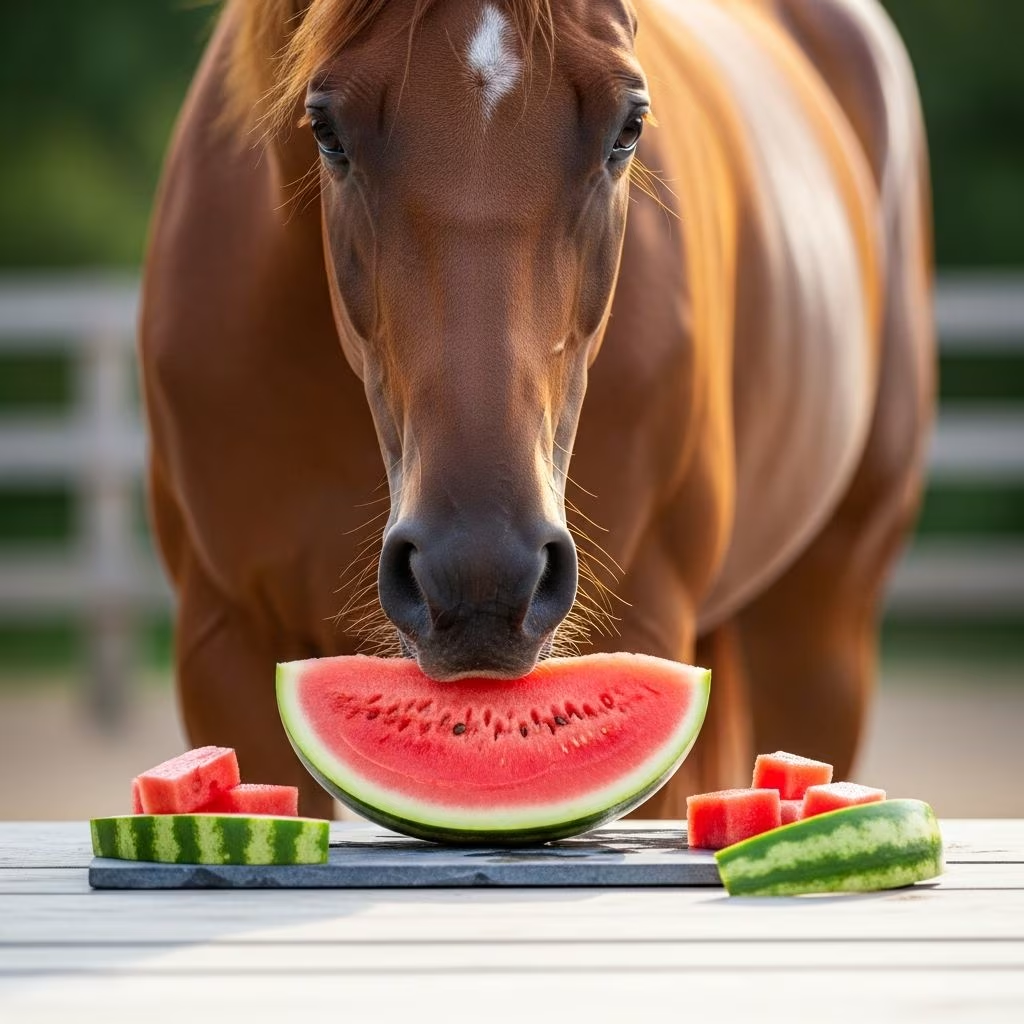
Can Horses Eat Watermelon?
Yes, horses can eat watermelon safely. All parts of a watermelon are considered safe for most healthy horses to eat, including the flesh, seeds, and rind. However, it’s important to understand that watermelon should not replace any part of a horse’s normal diet and must be fed with careful consideration of your individual horse’s health status.
Watermelon can be a refreshing treat, especially during hot weather, but like all treats, it should be offered in moderation and introduced gradually into your horse’s diet. While the nutritional benefits are appealing, horse owners must be aware of potential risks and which horses should avoid this fruit entirely.
Nutritional Benefits of Watermelon for Horses
Watermelon offers several nutritional advantages that make it an attractive treat option for horses when fed appropriately. Understanding these benefits helps horse owners make informed feeding decisions.
High Water Content
The most significant advantage of watermelon is its extraordinarily high water content, which comprises approximately 90% of the fruit. This makes watermelon an excellent hydration source, particularly beneficial during hot summer months when horses are more prone to dehydration. The high water content also aids in digestion and helps regulate body temperature, making it a practical choice for horses in warm climates.
Essential Vitamins and Minerals
Watermelon contains several important nutrients that support equine health:
Vitamin A: This nutrient is crucial for maintaining good eye health, supporting immune system function, and ensuring the proper functioning of the heart, lungs, kidneys, and other vital organs. Horses requiring strong vision and immune support can benefit from watermelon’s vitamin A content.
Vitamin C: As an antioxidant, vitamin C helps protect cells from damage and supports the healing process. It’s particularly beneficial for older horses or those experiencing stress, as it can help boost immunity and support recovery.
B Vitamins: These vitamins contribute to energy production and efficient metabolic function, helping horses maintain vitality and proper bodily processes.
Potassium: This essential mineral regulates muscle function and maintains proper fluid balance, supporting overall equine performance and health.
| Nutrient | Benefit for Horses |
|---|---|
| Water (90%) | Aids hydration, digestion, and temperature regulation |
| Vitamin A | Supports vision, immune function, and organ health |
| Vitamin C | Acts as antioxidant, aids cell repair and immunity |
| B Vitamins | Supports energy production and metabolism |
| Potassium | Regulates muscle function and fluid balance |
| Fiber (in rind) | Supports digestive health and regular bowel movements |
Potential Risks and Safety Considerations
While watermelon is safe for most horses, several risks and considerations must be understood before offering this treat. Being aware of these potential issues helps prevent health complications.
Choking Hazard
Large pieces of watermelon, especially the rinds, may present a choking hazard. To minimize this risk, always cut watermelon into small, manageable bite-sized pieces. The rind is particularly tough and requires careful preparation to prevent choking incidents.
Sugar Content Concerns
Watermelon contains natural sugars, approximately 6.2 grams per 100 grams. For horses sensitive to sugar, this poses a significant concern. Watermelon isn’t suitable for horses with a history of laminitis, insulin resistance, or equine metabolic syndrome, as the sugar content may exacerbate these conditions.
Dietary Imbalance
Frequently feeding excessive treats may reduce the amount of hay horses eat, leading to dietary imbalances over time. Treats, including watermelon, should constitute no more than 10% of a horse’s daily caloric intake, with the primary diet remaining hay, grass, and specialized horse feed.
Digestive Upset
Any new treat can potentially upset a horse’s digestive system, especially if fed in large quantities. Excessive watermelon consumption can lead to digestive upset, including diarrhea or colic. Always introduce watermelon slowly and monitor your horse’s reaction before gradually increasing serving sizes.
Seeds and Rind Considerations
While all parts of watermelon are technically safe for most horses, the seeds and rind require special attention.
Seeds
Watermelon seeds contain minute quantities of naturally occurring toxins, similar to all seeded fruits. However, the toxin levels are extremely unlikely to cause problems in horses. The seeds are also very small, making choking incidents virtually unlikely. That said, when feeding watermelon, it’s advisable to remove most seeds or offer seedless watermelon to minimize any potential risk of intestinal blockages if consumed in large quantities.
Rind
The rind does not contain any toxins that pose dangers to horses. However, the rind is tough and can be difficult for horses to chew and digest if offered in large pieces. If choosing to feed the rind, it should be cut into small, digestible pieces. Many European countries actually use watermelon rind as a common horse treat, and horses often enjoy it as a favorite snack.
Interestingly, the rind is packed with fiber, which is important for horses because it keeps their digestive systems running smoothly. It helps with regular bowel movements and prevents common digestive troubles like colic. Eating the rind also encourages horses to chew more, which is beneficial for their teeth and helps produce more saliva, supporting digestion from the start.
How to Safely Feed Watermelon to Horses
Following proper guidelines ensures your horse can safely enjoy watermelon as an occasional treat.
Introduce Gradually
Always introduce watermelon slowly into your horse’s diet to assess tolerance and prevent digestive upset. Start with small amounts and observe your horse’s reaction over several days before increasing portions.
Serve in Small Portions
To avoid choking hazards and ensure easy digestion, watermelon should be cut into small, manageable pieces. A horse can safely eat about 1–2 slices of watermelon at a time, roughly equal to a few cups of chopped fruit.
Prepare Properly
Remove all seeds and cut both the flesh and the rind into small, bite-sized pieces to minimize the risk of choking and digestive issues. While the seeds themselves rarely cause problems, removing them provides an extra layer of safety.
Maintain Treat Balance
Feeding watermelon or any treats should never replace the primary diet of hay, grass, and specialized horse feed. Treats should merely complement a well-rounded diet, constituting no more than 10% of a horse’s daily intake.
Monitor Reaction
If you have any medical concerns after your horse has eaten watermelon, contact your veterinarian. Closely observe how your horse responds to this new food, watching for any signs of digestive upset or adverse reactions.
Which Horses Should Avoid Watermelon
Although most healthy horses can safely enjoy watermelon, certain health conditions make this fruit unsuitable for some equines.
Horses with HYPP (Hyperkalemic Periodic Paralysis)
Horses prone to or suffering from HYPP must avoid watermelon entirely. This genetic condition gets triggered by elevated potassium levels, and watermelon contains significant potassium content. Consuming watermelon can trigger potentially life-threatening debilitating episodes in affected horses.
Horses with Insulin Resistance
Horses with insulin resistance or equine metabolic syndrome should not eat watermelon due to its sugar content. The natural sugars may worsen these metabolic conditions and should be avoided to maintain the horse’s health and prevent complications.
Other Sugar-Sensitive Horses
Any horse with a history of laminitis or other sugar sensitivities should avoid watermelon. The sugar content, while natural, can trigger or exacerbate these painful conditions.
Frequently Asked Questions
Q: Can horses eat watermelon every day?
A: No, watermelon should only be offered occasionally as a treat, not daily. While watermelon is safe, it should never replace the primary diet of hay and feed. Treats should make up no more than 10% of a horse’s daily caloric intake to maintain proper nutrition and prevent dietary imbalances.
Q: What’s the maximum amount of watermelon a horse can eat?
A: A horse can safely eat about 1–2 slices of watermelon at a time, approximately equal to a few cups of chopped fruit. Because watermelon is high in natural sugar and water, feeding too much may cause loose stools or mild colic in sensitive horses. Always start small and increase gradually.
Q: Can horses eat watermelon rind?
A: Yes, horses can eat watermelon rind safely. The rind is actually packed with fiber, which supports digestive health and regular bowel movements. However, the rind must be cut into small, manageable pieces to prevent choking, as it is tough and difficult to chew.
Q: Are watermelon seeds safe for horses?
A: Yes, watermelon seeds are generally safe for horses. The seeds contain only minute quantities of naturally occurring toxins, similar to other seeded fruits, and toxin levels are extremely unlikely to cause problems. However, removing most seeds is recommended to minimize any potential risk of intestinal blockages.
Q: Can eating too much watermelon make a horse unwell?
A: Yes, eating excessive watermelon can cause digestive upset, including diarrhea or colic. Additionally, the sugar content may contribute to laminitis in horses with metabolic issues. A horse would need to consume a very large quantity for serious issues to occur, but moderation is essential. Always feed watermelon as a treat in appropriate portions.
Q: Is watermelon good for horses in hot weather?
A: Yes, watermelon is particularly beneficial in hot weather due to its 90% water content. It provides excellent hydration and helps regulate body temperature, making it a refreshing treat during summer months when horses are more prone to dehydration.
Q: Can horses with metabolic syndrome eat watermelon?
A: No, horses with metabolic syndrome should avoid watermelon due to its sugar content. The natural sugars may exacerbate the condition. If you have concerns about your horse’s specific health status, consult with your veterinarian about appropriate treat options.
Final Recommendations
Watermelon can be a safe, refreshing treat for most healthy horses when fed responsibly. By following these guidelines—introducing gradually, cutting into small pieces, removing seeds, maintaining proper portion sizes, and being aware of health contraindications—horse owners can safely include watermelon as an occasional complement to their horses’ primary diet. Always prioritize your horse’s primary nutrition through quality hay, grass, and specialized feed, using watermelon and other treats only as occasional supplements. When in doubt about whether watermelon is appropriate for your individual horse, consult with your veterinarian to ensure you’re making the best feeding decisions for your equine companion.
References
- Can Horses Eat Watermelon? Safety Guide — Chewy Education. 2024. https://www.chewy.com/education/horse/feed-and-nutrition/can-horses-eat-watermelon
- Can Horses Eat Watermelon? Risks, Benefits & Serving Tips — Equine Institute. 2024. https://equineinstitute.org/blogs/horse-care-tips/can-horses-eat-watermelon-risks-benefits-serving-tips
- Watermelon for Horses: Nutritional Guide — Bailey’s CBD. 2024. https://baileyscbd.com/blogs/horse-nutrition/horses-and-watermelon-nutritional-suitability
- Can Horses Have Watermelon? [Safe or Risky] — BayeQuest. 2024. https://www.bayequest.com/can-horses-have-watermelon
- Q&A: Watermelon for Horses — Kentucky Equine Research. 2024. https://ker.com/equinews/answer/watermelon-horses



