

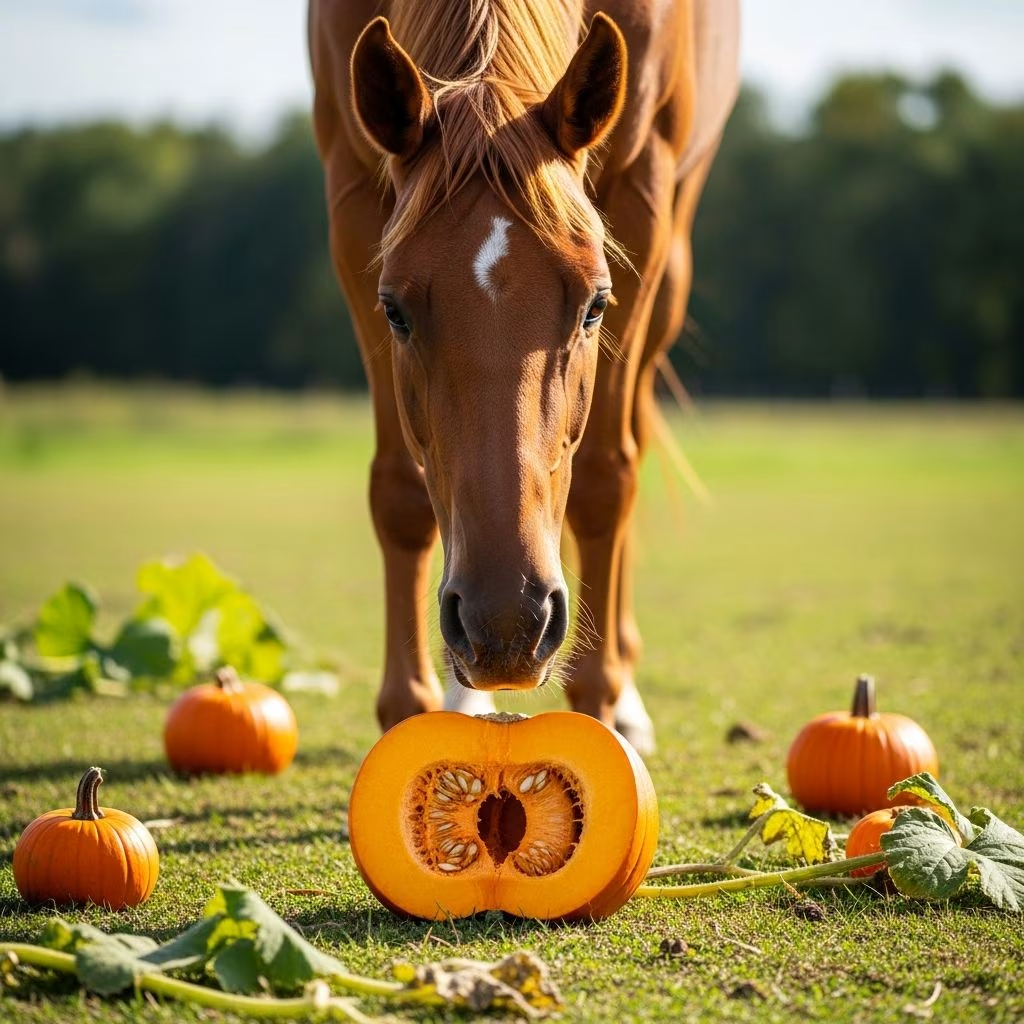
Can Horses Have Pumpkin?
Yes, horses can safely enjoy pumpkin as an occasional treat. Both raw and cooked pumpkin are safe options for horses, though most horses tend to prefer the texture and crunchiness of raw pumpkin. According to equine nutritionists, raw pumpkin offers an appealing texture that many horses find particularly enjoyable during feeding time.
Horses can consume nearly every part of the pumpkin, including the flesh, rind, and seeds. However, it’s important to avoid feeding horses the stem, as this tough, woody part can be difficult to digest and may pose a choking hazard. When introducing pumpkin to your horse’s diet, ensure you’re offering plain pumpkin without any additives or seasonings.
Is Pumpkin Good for Horses?
While pumpkin should be considered a treat rather than a primary component of a balanced equine diet, it offers more nutritional value than many other treat options available to horse owners. Pumpkin provides several important health benefits when fed appropriately and in moderation.
It’s Packed With Vitamin A
Pumpkin derives its distinctive orange color from beta-carotene, which the horse’s body converts into vitamin A. This essential nutrient plays multiple crucial roles in equine health. Vitamin A supports reproductive health, strengthens immunity, promotes bone health, enhances vision, and functions as a powerful antioxidant in the body. One cup of boiled, mashed pumpkin contains more than 12,000 IU of vitamin A, making it an excellent source of this vital nutrient.
It’s High in Fiber
Pumpkin contains approximately 2.7 grams of fiber per cup of boiled, mashed pumpkin. Over 60% of this fiber is soluble fiber, which provides particular benefits for horses with metabolic concerns. Soluble fiber helps manage insulin levels and acts as a prebiotic for beneficial gut bacteria in the equine digestive system. For horses with Cushing’s disease whose daily hay ration is limited due to their metabolic condition, pumpkin can serve as a beneficial treat with veterinary approval.
Additional Nutrients
Beyond vitamin A and fiber, pumpkin contains several other important nutrients that contribute to overall equine health:
- Vitamin C – supports immune function and acts as an antioxidant
- Vitamin E – essential for muscle function and immune health
- Potassium – maintains fluid balance and supports nerve function
- Calcium – crucial for bone health and muscle function
- Phosphorus – works with calcium for skeletal health
- Magnesium – supports muscle relaxation and metabolic function
Additionally, pumpkin seeds contain notable amounts of omega-6 fatty acids and compounds that may support circulatory health, though horses would be better served by flaxseed as a source of omega-3 fatty acids.
Pumpkin and Metabolic Horses
One of the most significant advantages of pumpkin as a horse treat relates to its glycemic profile. Although pumpkin has a relatively high glycemic index of 75, its glycemic load is only 3. The glycemic load takes into account both the glycemic index and the actual carbohydrate content of the food, providing a more accurate picture of how a food affects blood sugar levels. This means that when eaten in reasonable quantities, pumpkin will not cause a rapid spike in blood glucose levels.
This favorable glycemic load makes pumpkin an excellent treat choice for horses with equine metabolic syndrome (EMS) and polysaccharide storage myopathy (PSSM). These conditions require careful dietary management to prevent metabolic complications. Unlike many sugary treats that can destabilize a metabolic horse’s blood glucose levels, pumpkin provides a safer alternative that allows horses with these conditions to enjoy treats without compromising their health.
Potassium Considerations
While pumpkin offers numerous nutritional benefits for most horses, there is one important caveat. Pumpkins contain relatively high potassium levels, providing approximately 0.4 grams per cup. However, in the context of a typical equine diet where average grass hay provides 8.5 grams of potassium per pound, the amount in a reasonable serving of pumpkin is generally negligible.
The exception to this guideline applies to horses with hyperkalemic periodic paralysis (HYPP), a genetic muscle disorder. Horses with HYPP must maintain a low-potassium diet to prevent exacerbation of their condition. For these horses, it is best to avoid feeding pumpkin treats entirely and opt for other treat alternatives that are lower in potassium content.
What Type of Pumpkin Can Horses Eat?
Not all pumpkin products are appropriate for equine consumption. Understanding which forms of pumpkin are safe helps ensure your horse receives nutritional benefits without potential harm.
Raw and Cooked Pumpkin
Both raw and cooked pumpkin are safe for horses to eat. Raw pumpkin offers a crunchy texture that many horses prefer, while cooked pumpkin becomes softer and may be easier for older horses or those with dental issues to consume. The serving size may vary between raw and cooked preparations, with cooked pumpkin being more concentrated in nutrients due to water loss.
Canned Pumpkin
Horses can safely eat 100% pure canned pumpkin with no added ingredients. However, it’s crucial to avoid canned pumpkin pie mix and any canned pumpkin products with additives such as salt, sugar, or spices. These additions can upset equine digestion and introduce ingredients unsuitable for horses. Always read the label carefully to ensure you’re purchasing pure pumpkin puree.
Pumpkin Seeds
Yes, horses can eat pumpkin seeds either raw or roasted. Pumpkin seeds contain mainly omega-6 fatty acids and various antioxidants. While they are safe for equine consumption and may offer health benefits, horses seeking omega-3 fatty acids would be better served by flaxseed supplements.
Pumpkin Guts
The stringy “guts” or pulp of pumpkins are safe for horses to eat, whether served raw or cooked. This fibrous material can serve as an additional source of soluble fiber and may act as a beneficial prebiotic in the equine digestive system.
What NOT to Feed Your Horse
While orange pumpkins are safe, certain pumpkin-related products should never be fed to horses. It’s important to understand these restrictions to prevent digestive upset and other health complications.
Pumpkin Pie and Pie Filling
Horses should never eat pumpkin pie or pumpkin pie filling, which contains excessive amounts of added sugar that make it unsuitable as a frequent or nutritious treat. Pumpkin pie typically also contains spices, butter, and other ingredients potentially harmful to equine digestive systems. The high sugar content contradicts the benefits of pumpkin’s low glycemic load.
Seasoned or Processed Pumpkin
Avoid feeding horses seasoned pumpkin or any pumpkin products containing salt, sugar, spices, or other additives. These ingredients can cause digestive issues and introduce substances that may be harmful to horses.
Moldy Pumpkins
Never feed moldy pumpkins to horses. Mold can produce toxins that damage equine health and cause serious digestive problems or systemic illness.
Other Squashes and Gourds
While orange pumpkins are safe, not all pumpkin varieties and squashes are appropriate for horses. Avoid feeding horses decorative gourds, ornamental pumpkins, and other squash varieties, as some may contain toxic compounds or be unsuitable for equine consumption.
Proper Feeding Guidelines
When introducing pumpkin to your horse’s diet, follow these guidelines to ensure safety and prevent digestive upset:
- Introduce pumpkin gradually – Start with small quantities and gradually increase to allow your horse’s digestive system to adjust
- Use as a treat supplement – Pumpkin should complement your horse’s diet, never replacing hay or concentrate rations
- Moderate portions – Offer pumpkin as an occasional treat, not a dietary staple
- Monitor digestive health – Watch for any signs of colic or digestive upset after introducing pumpkin
- Consult your veterinarian – Discuss pumpkin supplementation with your equine veterinarian, particularly for horses with metabolic conditions or digestive sensitivities
- Never use as medication substitute – Pumpkin should not replace any prescribed medications or veterinary treatments
Special Considerations for Young Horses
Young foals should not eat pumpkin until they have developed a full set of teeth. Pumpkin’s fibrous nature and texture require proper chewing and dental development to ensure safe consumption and appropriate digestion.
Frequently Asked Questions About Pumpkin for Horses
Q: Can foals eat pumpkin?
A: No, foals should not eat pumpkin until they have a complete set of adult teeth. The fibrous texture requires proper chewing and dental development for safe consumption.
Q: Is raw or cooked pumpkin better for horses?
A: Both raw and cooked pumpkin are safe for horses. Raw pumpkin typically appeals to horses more due to its crunchy texture, while cooked pumpkin may be easier for older horses or those with dental problems. Serving sizes may vary between the two preparations.
Q: Can horses eat pumpkin seeds?
A: Yes, horses can safely eat pumpkin seeds either raw or roasted. Pumpkin seeds are safe for equine consumption and contain beneficial antioxidants.
Q: Can horses eat pumpkin guts?
A: Yes, horses can eat the stringy “guts” or pulp of pumpkins, whether raw or cooked. This fibrous material provides soluble fiber and may act as a beneficial prebiotic.
Q: Can horses eat pumpkin pie?
A: No, horses should not eat pumpkin pie due to the excessive added sugar and other ingredients unsuitable for equine consumption. Stick to plain, unseasoned pumpkin.
Q: Can horses eat canned pumpkin?
A: Horses can eat 100% pure canned pumpkin with no added ingredients. However, avoid canned pumpkin pie mix and any products containing additives like salt, sugar, or spices.
Q: Is pumpkin safe for horses with metabolic disorders?
A: Pumpkin is generally safe for horses with equine metabolic syndrome and polysaccharide storage myopathy due to its low glycemic load. However, horses with hyperkalemic periodic paralysis should avoid pumpkin due to its potassium content.
Q: How much pumpkin can I feed my horse?
A: Pumpkin should be fed as an occasional treat in moderate portions. The exact amount depends on your horse’s size and dietary needs, so consult your veterinarian for specific recommendations.
Summary
Pumpkin can be a nutritious and enjoyable treat for most horses when fed appropriately. Rich in vitamin A, fiber, and other essential nutrients, plain pumpkin offers more nutritional value than many conventional treat options. Its favorable glycemic profile makes it particularly suitable for horses with metabolic concerns such as equine metabolic syndrome and polysaccharide storage myopathy. However, horses with hyperkalemic periodic paralysis should avoid pumpkin due to its potassium content. Always introduce pumpkin gradually, monitor your horse’s digestive response, consult your veterinarian, and remember that pumpkin should supplement rather than replace a well-balanced equine diet.
References
- Trick or Treat: Nutritional Benefits of Pumpkins for Horses — Mid South Horse Review. Accessed November 28, 2025. https://midsouthhorsereview.com/trick-or-treat
- Can Horses Eat Pumpkin? — PetMD. Accessed November 28, 2025. https://www.petmd.com/horse/nutrition/can-horses-eat-pumpkin
- A Seasonal Treat: Can Horses Eat Pumpkin? — Equus Magazine. October 31, 2023. https://mynewhorse.equusmagazine.com/2023/10/31/a-seasonal-treat-can-horses-eat-pumpkin/
- Can Horses Eat Pumpkin? — Chewy. Accessed November 28, 2025. https://www.chewy.com/education/horse/feed-and-nutrition/can-horses-eat-pumpkin
- Can Horses Eat Pumpkin? — The Horse. Accessed November 28, 2025. https://thehorse.com/113373/can-horses-eat-pumpkin/



