

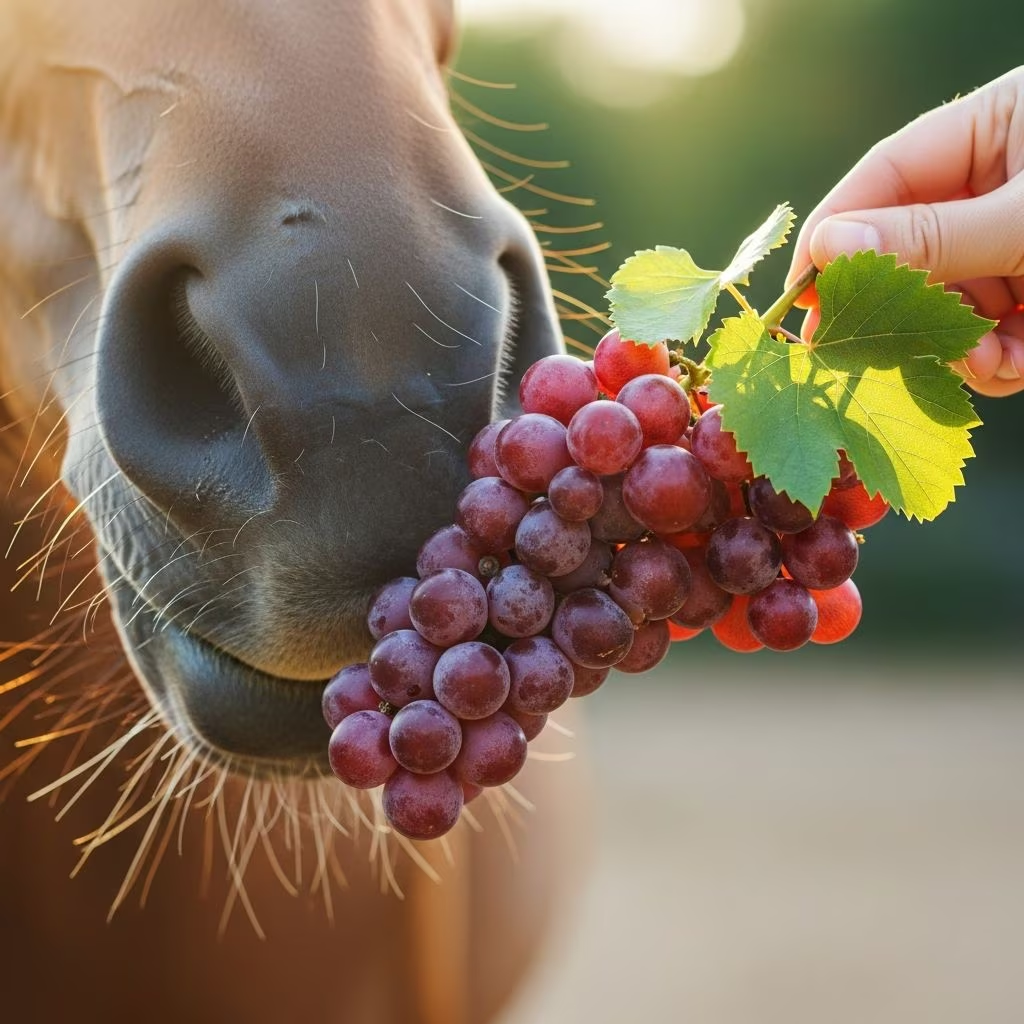
Can Horses Have Grapes?
Most horses can safely eat small amounts of grapes as an occasional treat. However, understanding the proper way to offer this fruit and recognizing which horses should avoid grapes entirely is essential for responsible horse ownership. “A few grapes won’t harm a horse, but they are sugary and could be a problem for horses sensitive to sugar,” according to veterinary experts in equine nutrition.
Understanding Grape Safety for Horses
The question of whether horses can consume grapes is more nuanced than a simple yes or no answer. While grapes are not universally toxic to horses in small quantities, they do present specific considerations that horse owners must understand. Fresh grapes, when offered in moderation, can be a safe treat for most healthy horses. However, the manner in which they are prepared and the quantity offered makes a significant difference in their safety profile.
How to Properly Feed Grapes to Your Horse
The best way to feed grapes to horses is by offering fresh, washed grapes cut into small pieces. When presenting grapes as a treat, always follow these guidelines:
- Wash grapes thoroughly to remove any pesticides or residues
- Cut grapes into small, manageable pieces to prevent choking hazards
- Offer only a few grapes at a time—no more than five or fewer grapes is recommended
- Introduce grapes gradually if they are new to your horse’s diet
- Monitor your horse’s response to this new treat
It’s important to avoid processed grape products, as these generally contain added sugar and are a less healthful choice for horses than fresh grapes. Grape juice, jelly, and raisins should be avoided or offered only in minimal amounts due to their concentrated sugar content and additional processing.
Nutritional Benefits of Grapes for Horses
While horses eating just a few grapes at a time won’t receive substantial nutritional benefits, grapes do contain important nutrients. Understanding what grapes offer can help horse owners make informed decisions about treat options.
Key Nutrients Found in Grapes
| Nutrient | Function in Horse Health |
|---|---|
| Antioxidants (including Resveratrol) | May reduce inflammation; ongoing research examines anti-inflammatory benefits |
| Vitamin C | Strengthens immune system; acts as an antioxidant |
| Fiber | Supports digestive health |
| Minerals (calcium, magnesium, potassium) | Important for bone health and muscle function |
| Vitamin K | Contributes to bone health and proper blood clotting |
While grape seed extract has shown promise in research as a potential anti-inflammatory or antioxidant supplement, the amount of whole grapes needed to obtain meaningful doses of these compounds would be excessive for horses. The nutritional quantities present in a few grapes are modest compared to a horse’s overall dietary needs.
Potential Health Risks Associated with Grape Consumption
Despite some nutritional benefits, there are legitimate concerns horse owners should understand before offering grapes to their animals. Several risk factors make grapes problematic for certain horses or when offered in large quantities.
High Sugar Content
Grapes are naturally high in sugar, which poses the primary concern for horse consumption. This high sugar content can lead to several health complications in susceptible horses. Horses with specific metabolic conditions are particularly vulnerable to adverse effects from sugary treats.
- Weight gain from excessive caloric intake
- Exacerbation of laminitis (a painful hoof condition)
- Insulin resistance complications
- Metabolic syndrome symptoms
Horses That Should Avoid Grapes
Certain horses should not consume grapes at all due to their medical conditions or dietary restrictions:
- Horses with laminitis or a history of laminitis
- Horses with equine metabolic syndrome (EMS)
- Horses with insulin resistance
- Horses with known kidney problems
- Horses sensitive to sugar in their diet
Choking Hazard Concerns
Some horses may attempt to swallow whole grapes without properly chewing them, which creates a potential choking hazard. This risk is why cutting grapes into small pieces is essential before offering them to your horse. Always supervise your horse while eating grape treats and observe their chewing behavior.
Digestive Upset Potential
Eating too many treats can lead to digestive upset, especially in horses unaccustomed to a varied diet. A horse’s digestive system is designed for high-fiber forage consumption, making it sensitive to sudden changes or excessive treat intake. Introducing new treats slowly and with veterinary guidance helps minimize digestive complications.
Determining Appropriate Grape Portions
Understanding proper portion sizes is critical for safe grape consumption. The 1% rule helps horse owners determine appropriate daily treat quantities. If your horse eats 30 pounds of feed each day, 1% of their diet by weight is approximately 4.8 ounces, allowing for about 5 ounces of treats per day maximum.
Since five grapes weigh approximately 1 ounce on average, theoretically a horse could consume up to 25 grapes daily if grapes were their only treat. However, veterinary experts recommend limiting intake to five or fewer grapes at a time, particularly if grapes are new to your horse’s diet or if they have sugar sensitivity.
Important Toxicity Considerations
While grapes are toxic to dogs and can cause renal failure with just one or two berries, the situation differs for horses. Currently, there are no published case reports or studies documenting kidney failure in horses from grape consumption. However, this doesn’t mean grapes are completely without risk.
A horse’s digestive system differs from that of dogs and humans. Horses lack certain enzymes that break down specific compounds, potentially making them vulnerable to substances present in grapes. The absence of documented cases doesn’t necessarily indicate complete safety, particularly for horses with existing kidney issues. Horses with known kidney problems are probably better off avoiding grapes altogether as a precautionary measure.
Introducing Grapes to Your Horse’s Diet
If you decide to offer grapes to your horse, proper introduction is essential. Start with very small quantities and observe your horse’s response carefully. Watch for any signs of digestive upset, behavioral changes, or adverse reactions over several days of feeding.
Always introduce new treats slowly and with the advice of your equine veterinarian, especially if your horse has pre-existing health conditions or dietary sensitivities. Your veterinarian can assess your individual horse’s health status and determine whether grapes are appropriate for their specific situation.
Grape Vines and Other Grape Products
Are Grape Vines Safe?
Grape vines should not be a staple of a horse’s diet or intentionally planted in horse pastures. However, occasionally nibbling a grape vine is unlikely to harm your horse. While grape vines contain some of the same compounds as grapes, they present different considerations. If your horse has access to grape vines, monitor consumption and prevent them from becoming a regular dietary component.
Grape Juice Concerns
Horses should not have grape juice that contains added sugar. If you juice grapes at home without adding sweeteners, a small amount of juice is acceptable. However, whole grapes are preferable because they contain beneficial fiber that grape juice lacks. Any commercial grape juice products almost certainly contain added sugars and should be avoided.
Frequently Asked Questions
Q: Can horses eat grapes in moderation?
A: Yes, most healthy horses can eat small amounts of grapes as an occasional treat. However, “in moderation” means only a few grapes at a time—typically no more than five grapes per serving. Horses with metabolic conditions sensitive to sugar should avoid grapes entirely.
Q: How many grapes can a horse safely eat?
A: Following the 1% treat rule, a horse can theoretically consume up to 25 grapes daily if grapes are their only treat. However, veterinarians recommend limiting intake to five or fewer grapes per serving, especially for horses new to this treat or those with sugar sensitivity.
Q: What’s the best way to prepare grapes for horses?
A: Wash fresh grapes thoroughly and cut them into small pieces to prevent choking. Avoid processed grape products like juice, jelly, or raisins due to their added sugar content and concentrated nutrients.
Q: Are grapes toxic to horses?
A: Unlike dogs, horses are not known to experience kidney failure from grapes. There are no published case reports documenting toxicity in horses from grape consumption. However, horses with existing kidney problems should avoid grapes as a precaution.
Q: Can horses eat grape vines?
A: Grape vines should not be intentionally planted in horse pastures or serve as a dietary staple. Occasional nibbling is unlikely to cause harm, but regular consumption should be prevented.
Q: Can horses have grape juice?
A: Commercial grape juice containing added sugar should be avoided. Small amounts of fresh-squeezed grape juice without additives are acceptable, but whole grapes are more beneficial since they retain fiber lost in juicing.
Q: What should I do if my horse seems sensitive to grapes?
A: If you notice any adverse reactions such as digestive upset, behavioral changes, or other concerning symptoms after feeding grapes, discontinue offering them immediately and consult your veterinarian.
Consulting Your Veterinarian
Before introducing grapes or any new treat into your horse’s diet, consulting with your equine veterinarian is advisable. Your veterinarian understands your horse’s individual health status, existing conditions, and dietary needs better than general guidelines. They can provide personalized recommendations about whether grapes are appropriate for your specific horse and in what quantities.
This is especially important if your horse has any metabolic conditions, insulin resistance, laminitis history, kidney problems, or other health concerns that might be affected by additional sugar intake.
Conclusion
Grapes can be a safe occasional treat for most healthy horses when offered in small quantities and properly prepared. While they contain some beneficial nutrients, the primary concern remains their high sugar content, which makes them inappropriate for horses with metabolic sensitivities. By following proper preparation methods, limiting portions to five or fewer grapes per serving, introducing them gradually, and consulting with your veterinarian, you can make an informed decision about whether grapes fit into your horse’s treat rotation. Remember that responsible horse ownership means prioritizing your animal’s long-term health over momentary treats.
References
- Can Horses Eat Grapes? A Guide to Feeding Fruits Safely — Equine Institute. 2024-11-28. https://equineinstitute.org/blogs/horse-care-tips/can-horses-eat-grapes-a-guide-to-feeding-fruits-safely
- Feeding Treats to Horses — Kentucky Equine Research. 2024-11-28. https://ker.com/equinews/feeding-treats-horses/
- Odd Things that Horses Eat — Rutgers Equine Science Center. 2024-11-28. https://esc.rutgers.edu/fact_sheet/odd-things-that-horses-eat/



