

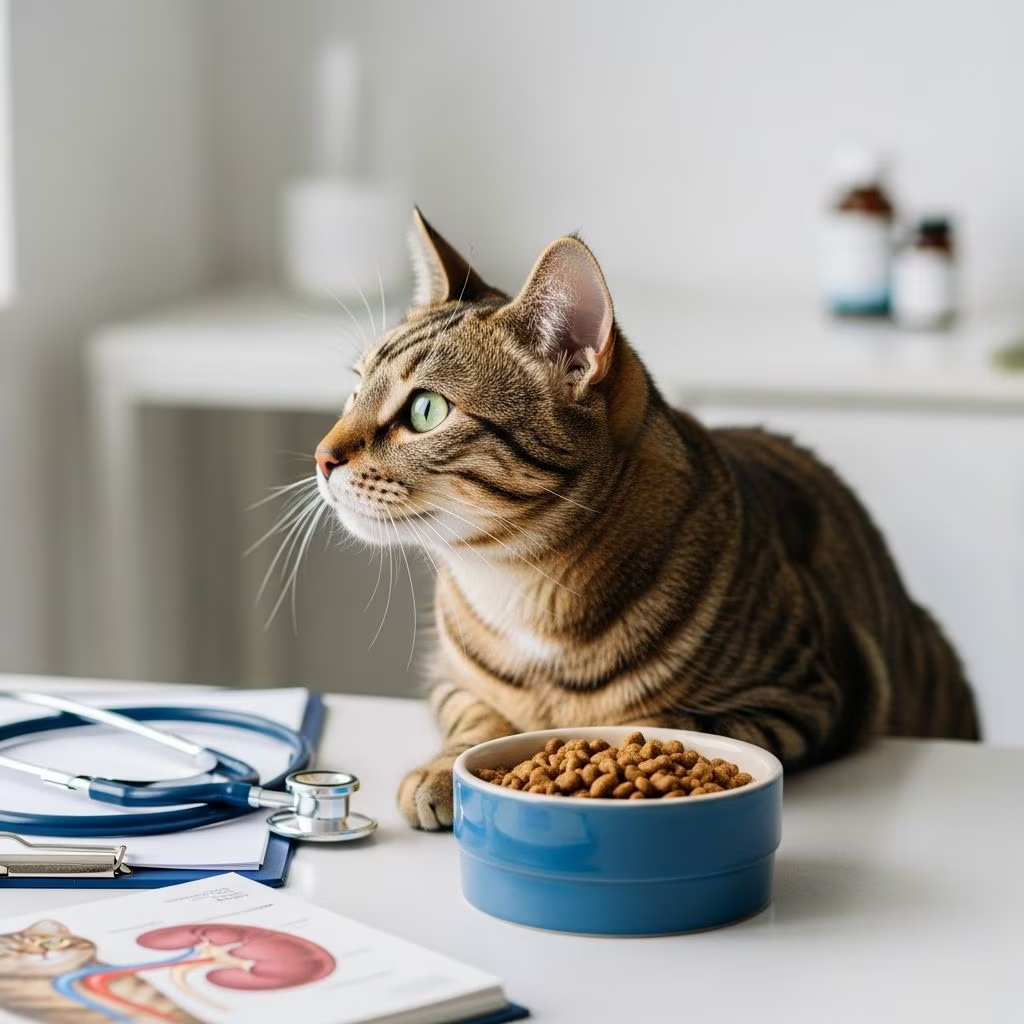
Can Healthy Cats Eat Renal Food? Understanding Therapeutic Diets for Felines
Renal diets have become increasingly popular among cat owners concerned about kidney health, but a critical question remains: are these specialized foods appropriate for cats without kidney disease? Many well-meaning pet guardians purchase renal or kidney-support formulas hoping to prevent future kidney problems, assuming that what helps sick cats must also benefit healthy ones. However, this assumption may not align with veterinary science. Understanding the distinction between therapeutic nutrition and preventive feeding is essential for making informed decisions about your cat’s diet.
Renal diets are specifically formulated as medical tools for cats already diagnosed with chronic kidney disease (CKD), not as preventive supplements for healthy animals. Feeding these specialized diets to cats with normal kidney function may introduce unintended nutritional imbalances rather than offer the protection owners hope to provide. This comprehensive guide examines whether healthy cats should eat renal food, explores the potential consequences of doing so, and presents evidence-based strategies for supporting feline kidney health naturally.
What Are Renal Diets and How Do They Differ from Regular Cat Food?
Renal or kidney-support diets are prescription therapeutic foods engineered with specific nutritional profiles to manage the physiological challenges cats with CKD face. These formulations differ significantly from standard maintenance cat foods in both composition and intent. Understanding these differences is fundamental to determining whether such diets belong in a healthy cat’s bowl.
Key Nutritional Differences in Renal Diets
Renal diets are typically characterized by:
- Reduced protein content: Intentionally lowered to minimize metabolic byproducts that stressed kidneys struggle to filter
- Low phosphorus levels: Restricted because damaged kidneys cannot effectively regulate phosphorus, leading to mineral imbalances
- Modified sodium content: Carefully controlled to support blood pressure and kidney function
- Alkalinizing additives: Often include agents like potassium acetate or calcium carbonate to counteract metabolic acidosis
- Enhanced potassium: Increased levels to compensate for urinary losses common in CKD
- Omega-3 fatty acids: Added for potential anti-inflammatory and renal-protective effects
In contrast, regular maintenance cat foods are formulated to meet the nutritional needs of healthy adult cats, featuring adequate protein for muscle maintenance, standard mineral ratios, and balanced electrolytes without therapeutic modifications. The fundamental purpose of renal diets is disease management, not general nutrition.
Why Renal Diets May Not Be Appropriate for Healthy Cats
Feeding renal diets to cats without kidney disease presents several nutritional concerns. While these formulations work therapeutically for diseased kidneys, they introduce unnecessary restrictions and additives that may disrupt normal physiological processes in healthy felines.
Low-Protein Formulation: A Risk for Nutritional Deficiency
Renal diets deliberately restrict protein to reduce the nitrogenous waste products that accumulate when kidneys cannot function properly. For healthy cats, however, this restriction creates a significant problem. Cats are obligate carnivores with specific amino acid requirements that depend on adequate dietary protein. Their bodies require high-quality protein for:
- Maintaining lean muscle mass
- Supporting immune system function
- Facilitating cellular repair and regeneration
- Producing enzymes and hormones
- Supporting normal development in growing cats
Prolonged protein restriction in healthy cats—especially young, active, or growing individuals—may contribute to muscle wasting, compromised immune response, and developmental delays. Unlike cats with CKD who benefit from lower protein intake to reduce kidney stress, healthy cats have no physiological reason to consume insufficient protein. Their kidneys efficiently process protein’s nitrogen byproducts, so restricting it unnecessarily deprives their bodies of essential nutrition.
Alkalinizing Additives: Disrupting the Body’s pH Balance
Many renal diets contain alkalinizing agents such as potassium acetate or calcium carbonate. These additives serve a specific purpose in kidney-diseased cats: they counteract metabolic acidosis, a condition where the body becomes too acidic due to the kidneys’ inability to properly excrete acid. This is a genuine therapeutic need for CKD cats.
In healthy cats, however, alkalinizing additives are unnecessary and potentially problematic. A healthy feline’s acid-base balance is naturally maintained by normal kidney function. Introducing alkalinizing substances into a system that doesn’t need them may disrupt this delicate equilibrium, leading to a state of chronic alkalosis. Over time, this pH imbalance could trigger:
- Formation of urinary crystals and stones
- Changes in kidney filtration dynamics
- Electrolyte imbalances
- Altered water and mineral reabsorption
- Increased risk of urinary tract problems
Potential Risks of Chronic Over-Alkalinization in Healthy Cats
Research and clinical observations suggest that maintaining healthy cats on alkalinizing renal diets may create complications that wouldn’t occur on appropriate maintenance nutrition:
1. Increased Risk of Urinary Crystals or Stones
Alkaline urine creates an environment favorable to the formation of calcium phosphate and struvite crystals, potentially leading to urinary blockages—a serious and sometimes life-threatening condition. Healthy cats fed renal diets unnecessarily expose themselves to this risk.
2. Altered Kidney Filtration Dynamics
Elevated blood alkalinity may influence how healthy kidneys filter waste and reabsorb essential substances. This could affect glomerular filtration rate (GFR) and contribute to electrolyte imbalances such as hypokalemia (low potassium), ironically mimicking or accelerating kidney dysfunction.
3. Polyuria and Dehydration
Changes in electrolyte handling—particularly alterations in potassium and phosphorus dynamics—can reduce the kidneys’ capacity to reabsorb water. This may result in excessive urination and secondary dehydration, placing unnecessary stress on otherwise healthy kidneys.
4. Cardiac Arrhythmias
Electrolyte imbalances induced by chronic alkalinization may disrupt the delicate potassium balance essential for normal heart rhythm. Potassium abnormalities can trigger irregular heartbeats, particularly in sensitive individuals.
5. Neuromuscular Symptoms
While severe neurological manifestations are uncommon, sustained alkalosis and ongoing electrolyte shifts may increase neuromuscular excitability, potentially causing tremors, twitching, or muscle weakness in susceptible cats.
Evidence on Renal Diet Effectiveness and Safety
Scientific literature demonstrates renal diets’ therapeutic value for cats with diagnosed CKD. A landmark 24-month randomized, double-blind controlled trial found that prescription renal food significantly reduced uraemic episodes from 26% to 0% and reduced renal-related mortality from 22% to 0% compared to maintenance food in diseased cats, with no significant adverse events reported.
However, this evidence applies specifically to cats with documented kidney disease. Most cats with CKD successfully transitioned to renal foods and experienced improved quality of life and disease stabilization. This efficacy in diseased populations does not translate to preventive benefit in healthy cats—in fact, the inverse may be true. Healthy cats receiving therapeutic formulations designed for disease management face potential harm rather than protection.
Supporting Kidney Health Naturally in Healthy Cats
Rather than feeding therapeutic renal diets to healthy cats, veterinarians recommend evidence-based strategies that genuinely support long-term kidney health without introducing nutritional risks.
Provide Complete, High-Quality Maintenance Nutrition
Healthy cats thrive on nutritionally balanced, species-appropriate maintenance diets that meet their natural protein and nutrient requirements. Quality matters significantly—premium commercial and prescription maintenance diets formulated by board-certified veterinary nutritionists provide optimal nutrition tailored to feline physiology.
Ensure Adequate Hydration
Proper hydration supports kidney function by maintaining adequate blood flow and promoting efficient waste filtration and excretion. Encourage water consumption through:
- Multiple fresh water bowls placed throughout the home
- Water fountains that attract cats through movement and aeration
- Wet food, which provides moisture content
- Regularly refreshing water bowls
Schedule Regular Veterinary Check-ups
Routine wellness examinations allow veterinarians to monitor kidney function through bloodwork and urinalysis, enabling early detection of any developing issues. Early intervention is far more effective than preventive dietary restrictions.
Reduce Stress and Promote Wellness
Chronic stress negatively affects overall health, including kidney function. Environmental enrichment, regular play, comfortable resting areas, and minimizing household stressors support whole-body wellness and resilience.
Consider Targeted Supplementation When Appropriate
Under veterinary guidance, certain supplements may support kidney health in healthy cats. However, supplementation should be discussed with a veterinarian and should never replace appropriate maintenance nutrition.
Frequently Asked Questions About Renal Diets for Healthy Cats
Q: Is it safe to feed renal food to my healthy cat as a preventive measure?
A: No, it is not recommended. Renal diets are therapeutic formulations designed for cats diagnosed with chronic kidney disease, not preventive tools for healthy animals. Feeding therapeutic diets to healthy cats may introduce nutritional imbalances and potential health risks rather than provide protection.
Q: What happens if a cat without kidney disease stays on a low-protein renal diet long-term?
A: Prolonged low-protein intake in healthy cats may lead to muscle loss, weakened immunity, reduced vitality, blood alkalinization, urinary crystal formation, dehydration, and other nutritional imbalances. These consequences could actually accelerate kidney dysfunction rather than prevent it.
Q: How can I tell if my cat’s kidneys are healthy?
A: A veterinarian can assess kidney health through physical examination, bloodwork (measuring creatinine and blood urea nitrogen), and urinalysis. Regular check-ups allow early detection of any kidney issues, making early intervention possible before disease advances.
Q: What is the best diet for preventing kidney disease in cats?
A: The best prevention strategy involves feeding a complete, high-quality maintenance diet appropriate for healthy adult cats, ensuring adequate hydration, maintaining a healthy body weight, managing stress, and scheduling regular veterinary wellness examinations. Nutritional completeness matters more than any restrictive formula.
Q: If my cat is diagnosed with CKD, when should I switch to a renal diet?
A: Your veterinarian will recommend transitioning to a renal diet after CKD diagnosis. The timing and specific diet choice depend on your cat’s IRIS stage (disease severity), individual tolerance, and other health factors. Never make dietary changes without veterinary guidance.
Q: Can healthy cats digest renal diet foods properly?
A: Yes, healthy cats can digest renal foods, but digesting them is not the issue. The concern is that renal formulations introduce unnecessary restrictions and modifications that disrupt normal physiology and may create nutritional imbalances in animals with healthy kidney function.
Key Takeaways: Healthy Cats and Renal Diets
Understanding the distinction between therapeutic nutrition and preventive feeding is essential for responsible cat guardianship. Renal diets represent valuable medical tools for cats with diagnosed chronic kidney disease, offering proven benefits in disease management and longevity. However, these same formulations may pose risks when fed to healthy cats without veterinary indication.
The best approach to supporting long-term kidney health involves providing complete, high-quality maintenance nutrition; ensuring adequate hydration; scheduling regular veterinary examinations for early disease detection; and maintaining overall wellness through stress reduction and enrichment. Unless specifically prescribed by a veterinarian, renal diets are not appropriate for healthy cats.
By understanding these principles, cat owners can make informed nutritional decisions that genuinely support their pets’ kidney health and longevity without introducing unnecessary risks. When in doubt, consult with your veterinarian or a board-certified veterinary nutritionist to develop an optimal nutrition plan for your individual cat’s needs.
References
- Feeding renal food to a healthy cat? It might do more harm than good — Greycoat Research. 2024. https://greycoatresearch.com/blogs/kidney-guide/feeding-renal-food-to-a-healthy-cat-it-might-do-more-harm-than-good
- Acceptance and effects of a therapeutic renal food in pet cats — National Institutes of Health, PubMed Central. 2014. https://pmc.ncbi.nlm.nih.gov/articles/PMC4643304/
- Nutrition for Cats with Chronic Kidney Disease — VCA Animal Hospitals. 2025. https://vcahospitals.com/know-your-pet/nutrition-for-cats-with-chronic-kidney-disease
- Renal Diets For Cats – What We Need To Know — Thoughtful Pets. 2024. https://www.thoughtfulpets.co.uk/post/renal-diets-for-cats-what-we-need-to-know
- What To Know About Feeding Your Cat Prescription Food — Texas A&M College of Veterinary Medicine. 2025. https://vetmed.tamu.edu/news/pet-talk/cat-prescription-food/



