

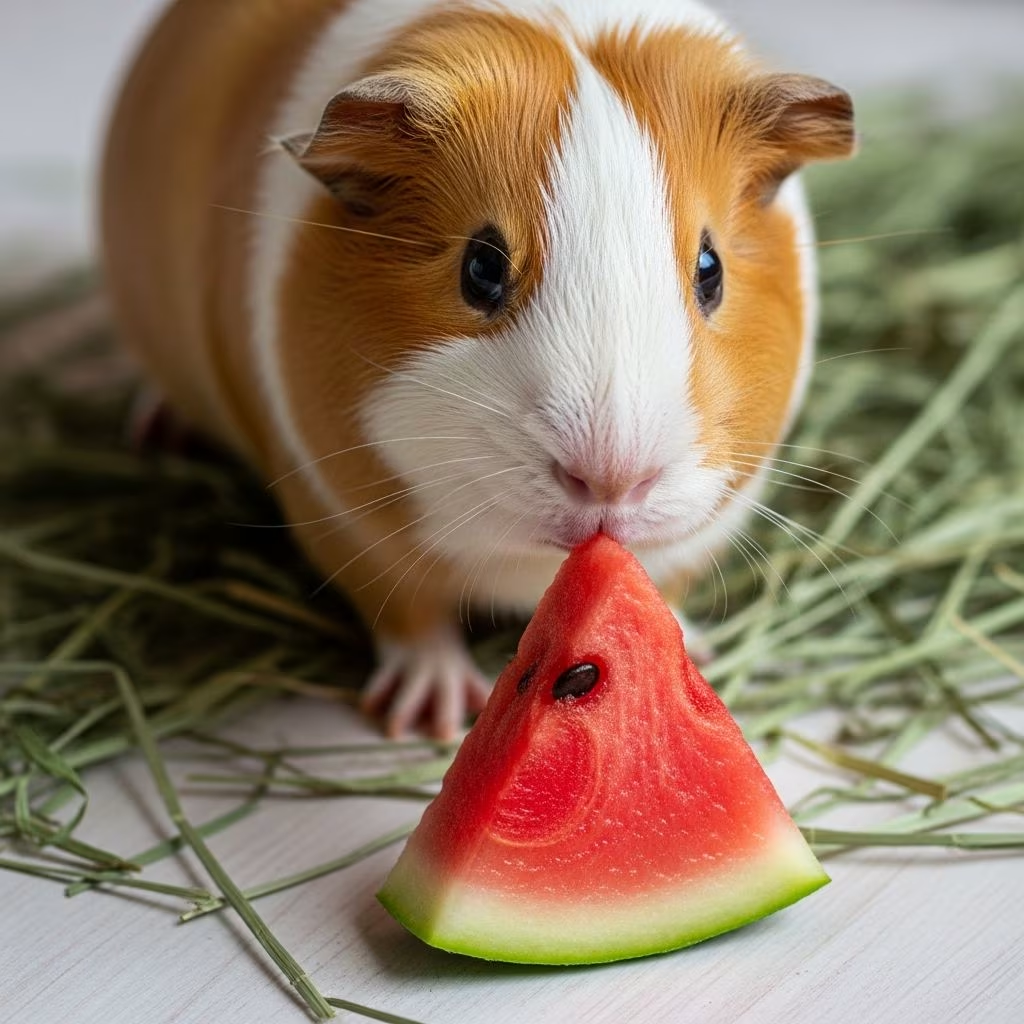
Can Guinea Pigs Have Watermelon?
Yes, guinea pigs can eat watermelon, as long as it’s served in small amounts and in moderation. Watermelon can be a refreshing treat for your furry friends, especially during warmer months. However, like many fruits, it should not become a dietary staple due to its natural sugar content. The best watermelon to feed guinea pigs is fresh, ripe watermelon. If possible, pick a seedless variety to avoid potential choking hazards. Always avoid overripe or fermented pieces, as these can cause digestive upset in your guinea pig.
Nutritional Benefits of Watermelon for Guinea Pigs
Watermelon offers several nutritional advantages when fed appropriately to guinea pigs. Understanding these benefits can help you make informed decisions about including this fruit in your pet’s diet.
It Provides Hydration
Watermelon is approximately 90% water, making it an excellent source of hydration for guinea pigs. This high water content can be particularly beneficial during hot weather, helping to keep your guinea pig properly hydrated. If your guinea pig is not drinking enough water from their water bottle or bowl, watermelon can provide supplementary hydration through food.
It’s a Source of Vitamin C
Guinea pigs cannot produce their own vitamin C, unlike many other animals, which means they must obtain this essential nutrient from their diet. Watermelon contains vitamin C, which can support your guinea pig’s immune system and help prevent scurvy, a serious condition that results from vitamin C deficiency. This vitamin is crucial for maintaining healthy connective tissues and supporting overall wellness in your pet.
It’s Low in Calories
Compared to many other fruits, watermelon is relatively low in calories, making it an appropriate light treat for guinea pigs. This lower calorie content means you can offer watermelon without significantly impacting your guinea pig’s overall caloric intake, making it a suitable option for weight management.
It’s Rich in Antioxidants
Watermelon contains powerful antioxidants, most notably lycopene and beta-carotene. These compounds fight cellular damage and support overall health in guinea pigs. Antioxidants help protect your guinea pig’s cells from oxidative stress and may contribute to better long-term health outcomes.
It Contains Fiber
While not as fiber-rich as hay or leafy greens, watermelon does contain some fiber that can aid digestion and support gut health. This fiber content makes watermelon a more nutritionally balanced treat compared to other high-sugar fruits, though it should never replace the essential fiber guinea pigs obtain from hay.
Health Risks and Concerns
Despite the nutritional benefits, feeding watermelon to guinea pigs does come with several important health considerations. Understanding these risks is essential for maintaining your guinea pig’s wellbeing.
Gastrointestinal Dysbiosis
Because watermelon has a higher sugar content than a guinea pig’s normal diet, it can disrupt the normal gut flora. This disruption, known as gastrointestinal dysbiosis, can lead to serious, if not fatal, illness in guinea pigs. Additionally, the excess watermelon can cause uncomfortable gas and other digestive disturbances. This is one of the most significant concerns when feeding any sugary fruit to guinea pigs.
High Sugar Content
The natural sugar in watermelon can contribute to obesity or diabetes if given in excess. Guinea pigs are not equipped to process high amounts of sugar efficiently, and overconsumption can lead to metabolic problems. Even though the sugar in watermelon is natural, it should still be considered a concern when determining appropriate portion sizes and feeding frequency.
Too Much Water
Guinea pigs have sensitive digestive systems, making them vulnerable to sudden dietary changes. Too much watery fruit, like watermelon, can cause diarrhea or bloating. The high water content that makes watermelon hydrating can paradoxically lead to digestive issues if consumed in large quantities, potentially causing dehydration through fluid loss.
Choking Hazard
Black watermelon seeds can pose a choking hazard or cause digestive blockages if ingested. It is essential to remove all seeds before offering watermelon to your guinea pig. Additionally, the thick, dark green outer rind is tough and harder for guinea pigs to chew and digest, potentially causing digestive problems.
Nutritional Imbalance
Watermelon lacks essential nutrients guinea pigs need for a balanced diet. If guinea pigs eat too much watermelon, they may consume less hay, which is crucial for their digestive and dental health. This nutritional imbalance can have long-term negative effects on your pet’s overall wellness.
No Teeth Wear Benefit
A guinea pig’s teeth grow constantly, requiring them to continuously wear them down by chewing tough, fibrous foods like hay. Watermelon does not provide the necessary friction for this essential teeth-wearing process, meaning it cannot support your guinea pig’s dental health needs.
How to Safely Serve Watermelon to Guinea Pigs
If you decide to offer watermelon to your guinea pig, following proper serving guidelines is essential to minimize health risks.
Portion Sizes
A slice of watermelon about the size of your guinea pig’s paw is a suitable portion size. This small amount allows your guinea pig to enjoy the treat without consuming excessive sugar or water. Err on the side of caution when portioning, as guinea pigs have small digestive systems and are sensitive to dietary changes.
Frequency
Watermelon should be offered no more than once or twice a week as a treat. This limited frequency helps prevent the accumulation of excess sugar in your guinea pig’s diet and reduces the risk of digestive disturbances. Think of watermelon as an occasional enrichment treat rather than a regular dietary component.
Preparation
Always remove all seeds before feeding watermelon to your guinea pig. Wash the watermelon thoroughly to remove any potential pesticides or bacteria. Offer only fresh, ripe watermelon, avoiding any overripe, fermented, or moldy pieces that could cause illness.
Can Guinea Pigs Eat Watermelon Rind?
This is a frequently asked question among guinea pig owners. According to veterinary experts, guinea pigs should not eat the watermelon rind. The thick, outer rind is tough and difficult for guinea pigs to digest properly. Additionally, the rind has more concentrated amounts of agricultural chemicals and bacteria that may not have been thoroughly washed away. The outer skin can also present a choking hazard due to its toughness and thickness. Therefore, it is best to stick exclusively to the flesh of the watermelon when offering this treat to your guinea pig.
Can Guinea Pigs Eat Watermelon Seeds?
While watermelon seeds are not considered toxic to guinea pigs, they are not recommended. Seeds pose a choking hazard and can cause digestive blockages if ingested in larger amounts. The safest approach is to remove all seeds from the watermelon before feeding it to your guinea pig. This precaution ensures their safety and eliminates any potential complications from seed ingestion.
Alternatives to Watermelon
If you’re looking for other refreshing treats for your guinea pig, consider these alternatives that may offer similar benefits with potentially fewer risks:
Leafy Greens: Offer a variety of fresh, guinea pig-safe leafy greens like romaine lettuce, cilantro, and parsley. These are nutrient-dense and support dental health through chewing.
Cucumber: Like watermelon, cucumber is high in water content and low in sugar, making it a safer hydrating option for warmer months.
Bell Peppers: These are excellent sources of vitamin C and come in various colors. They are lower in sugar than watermelon and provide valuable nutrients.
Carrots: In moderation, carrots provide beneficial nutrients and support dental wear through chewing.
Guidelines for Guinea Pig Diet
To maintain optimal health for your guinea pig, their diet should follow specific nutritional guidelines:
Primary Diet Components: A guinea pig’s diet should mainly consist of unlimited hay (timothy, orchard, or other grass hays), fresh grass, quality guinea pig pellets, and a variety of fresh vegetables. These staple foods provide the necessary fiber, vitamins, and minerals for proper digestion and overall health.
Treat Allocation: Fresh fruit, including watermelon, should make up only a small percentage of your guinea pig’s daily caloric intake. Treats should never exceed 10% of their overall diet.
Vegetable Portion: Feed approximately one to one and a half cups of fresh vegetables per guinea pig daily. Select vegetables that are low in sugar, calcium, and known to avoid causing gas or bloat.
Frequently Asked Questions
Q: Can guinea pigs eat watermelon rind?
A: No, guinea pigs shouldn’t eat the watermelon rind. It’s tough and difficult to digest. The rind also has more concentrated amounts of agricultural chemicals and bacteria, making it unsafe for your guinea pig to consume.
Q: How often should I feed my guinea pig watermelon?
A: Watermelon should be offered no more than once or twice per week in small portions. This limited frequency helps prevent digestive issues and keeps sugar consumption within safe levels.
Q: What size portion should I give my guinea pig?
A: A suitable portion is a piece of watermelon about the size of your guinea pig’s paw. This small amount allows them to enjoy the treat without excessive sugar or water intake.
Q: Are watermelon seeds toxic to guinea pigs?
A: While not toxic, watermelon seeds are not recommended as they pose a choking hazard and can cause digestive blockages. Always remove all seeds before offering watermelon to your guinea pig.
Q: Can watermelon cause diarrhea in guinea pigs?
A: Yes, excessive watermelon consumption can cause diarrhea due to its high water content and the sensitivity of a guinea pig’s digestive system. Always offer watermelon in moderation and monitor your guinea pig’s digestive health.
Q: Is watermelon better than other fruits for guinea pigs?
A: Watermelon is relatively low in calories compared to other fruits, but it’s high in water and sugar. Other options like cucumber or bell peppers may offer similar hydration benefits with lower sugar content.
Final Thoughts
Watermelon can be a healthy and hydrating treat for guinea pigs when fed in small amounts occasionally. It provides vitamin C, antioxidants, and hydration that can support your guinea pig’s overall wellness. However, it’s crucial to remember that watermelon, like all fruits, should not be a staple food in their diet due to high sugar content and potential digestive concerns.
Always monitor your guinea pig’s reaction to watermelon and watch for signs of digestive upset such as diarrhea, bloating, or loss of appetite. If you notice any negative reactions, discontinue offering watermelon and consult with a veterinarian. As with any food, moderation and balance are key to maintaining a healthy diet for your guinea pig. By following these guidelines and prioritizing hay-based nutrition, you can safely offer watermelon as an occasional treat while keeping your guinea pig healthy and happy.
References
- Can Guinea Pigs Eat Watermelon? Vet-Approved Health Review — Hepper. 2024. https://articles.hepper.com/can-guinea-pigs-eat-watermelon/
- GuineaDad Food Blog: Can guinea pigs eat watermelon? — GuineaDad. https://www.guineadad.com/blogs/news/guineadad-food-blog-can-guinea-pigs-eat-watermelon
- Can Guinea Pigs Eat Watermelon? | Kavee — Kavee. https://kavee.com/blogs/the-piggy-blog/can-guinea-pigs-eat-watermelon
- Veggie Guide — Southern California Guinea Pig Rescue. https://www.socalguineapigrescue.org/veggie-guide



