

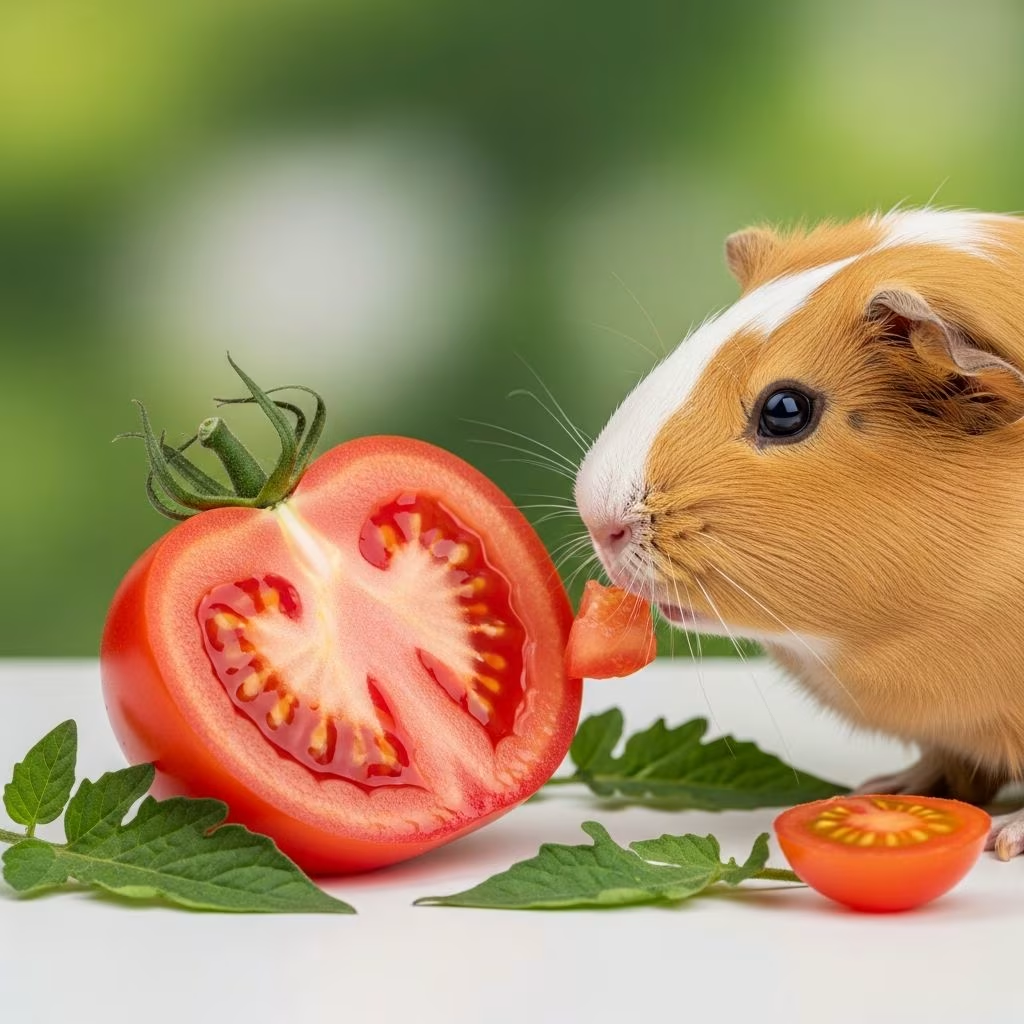
Can Guinea Pigs Eat Tomatoes?
If you’re preparing a fresh salad and wondering whether your guinea pig can enjoy a piece of tomato, the answer is yes—but with important caveats. Guinea pigs can eat tomatoes, but only in moderation due to their acidity and sugar content. Tomatoes can make a tasty occasional treat for your furry friend, but feeding them requires careful consideration to avoid digestive issues and other potential health complications. Understanding the proper way to offer tomatoes is essential for keeping your guinea pig healthy and happy.
Nutritional Benefits of Tomatoes for Guinea Pigs
Tomatoes do offer some nutritional value that can benefit your guinea pig when offered appropriately. The primary advantage is their vitamin C content, which is crucial for guinea pigs since they cannot synthesize their own vitamin C and must obtain it through diet. Ripe tomatoes contain approximately 39.2 mg of vitamin C per 100g serving, making them a reasonable source of this essential nutrient.
Beyond vitamin C, tomatoes also provide potassium, which plays an important role in regulating fluids, nerve signals, and muscle contractions in your guinea pig’s body. A 100g portion of tomato contains about 237 mg of potassium. This nutrient helps maintain healthy blood pressure and supports your guinea pig’s ability to stay active and mobile. Additionally, tomatoes are low in calories, so they won’t add unnecessary weight to your guinea pig’s diet when offered in appropriate portions.
It’s important to note, however, that while tomatoes do contain these nutrients, they are not the optimal source for guinea pigs. For example, sweet red bell peppers contain approximately ten times more vitamin C than tomatoes, making them a superior choice for this critical nutrient. Similarly, other vegetables like dandelion leaves provide about three times more fiber than tomatoes, and mint offers over six times the fiber content.
Risks of Giving Tomatoes to Your Guinea Pig
While tomatoes do have some nutritional merit, they come with several important risks that guinea pig owners must understand. The most significant concern is their high acidity content. Tomatoes are high in oxalic acid, which can contribute to cheilitis, an inflammatory condition that causes painful sores or scabs around a guinea pig’s mouth. This condition can be particularly distressing for your pet and may make eating difficult or uncomfortable.
Digestive Upset and Gastrointestinal Issues
Another major risk associated with tomato overconsumption is digestive upset. Guinea pigs have specialized digestive systems with a unique compartment called the cecum, where beneficial microbes ferment food to provide energy. When you overfeed tomatoes or other high-sugar or high-carbohydrate foods, you alter the fermentation process in this delicate ecosystem. This disruption can lead to stomach upset, diarrhea, and other digestive illnesses. The changes to their microbial balance can have cascading effects on their overall health and well-being.
The Solanine Danger: Unripe Tomatoes
One of the most critical risks involves unripe or green tomatoes. These contain a compound called solanine, which is toxic to guinea pigs. According to veterinary experts, solanine can cause serious health problems including:
– Digestive upset- Abdominal pain- Lethargy and weakness
It is absolutely essential that you only feed your guinea pig completely ripe tomatoes. Any green parts of the tomato plant—including stems, leaves, and unripe fruit—must never be given to your guinea pig, as they pose a poisoning risk. If you purchase tomatoes on the vine, carefully remove all green components before offering any portion to your pet.
Which Tomato Varieties Are Safe?
Guinea pigs can eat most varieties of ripe, red tomatoes when offered in appropriate portions. This includes cherry tomatoes, grape tomatoes, plum tomatoes, beefsteak tomatoes, and other common varieties. However, it’s important to adjust portion sizes based on the tomato variety. For larger tomatoes, you’ll need to cut them into smaller pieces, while smaller varieties like cherry or baby tomatoes may be offered whole if your guinea pig can handle them safely.
Tomato seeds are completely safe for guinea pigs to consume, so if you’re feeding smaller tomato varieties, you don’t need to remove them. Baby tomatoes are often particularly appealing to guinea pigs because they tend to be sweeter than larger varieties, and they naturally provide an appropriately sized portion for your pet.
It’s crucial to avoid green tomato varieties, even if they are ripe. Some tomato varieties, such as green beefsteak tomatoes, remain green when fully mature. However, green tomatoes are generally more acidic and tart than red varieties, making them less suitable for guinea pigs regardless of ripeness. To be safe, stick with red or other clearly ripe varieties.
How to Safely Feed Tomatoes to Your Guinea Pig
If you decide to offer tomatoes to your guinea pig, following proper feeding guidelines is essential for their safety and health. The first and most important step is ensuring the tomato is completely ripe. Never feed unripe or partially green tomatoes, as the solanine content poses serious health risks.
Proper Portion Sizes
When offering tomatoes, portion control is critical. For a regular-sized tomato weighing between 75 to 150 grams, your guinea pig should receive only about one inch cube of tomato. This small portion allows your pet to enjoy the treat while minimizing the risk of digestive upset or other complications. If you’re offering cherry or baby tomatoes, you can provide one whole small tomato, but larger varieties must be carefully chopped into appropriately sized pieces.
Chopping tomatoes into smaller pieces serves multiple purposes: it makes the food easier for your guinea pig to eat, gives you better control over portions, and reduces choking hazards. Always ensure pieces are small enough for your guinea pig to safely consume.
Feeding Frequency
Tomatoes should be offered as an occasional treat, not a dietary staple. Guinea pigs can eat tomatoes approximately two to three times per week at most. This limited frequency helps prevent the accumulation of acids and sugars that could lead to health problems. Some experts recommend even more conservative feeding—once or twice weekly—to be extra cautious.
Monitoring Your Guinea Pig’s Response
After introducing tomatoes or any new food to your guinea pig’s diet, carefully observe their waste output and overall behavior. If you notice changes in their droppings, such as increased softness or diarrhea, reduce the amount of tomato or discontinue it altogether. Every guinea pig has individual sensitivities, and what works for one may not work for another. Listen to your guinea pig’s body and adjust feeding practices accordingly.
Parts of the Tomato Plant to Avoid
It’s equally important to understand which parts of the tomato plant are dangerous. While the ripe fruit itself is safe in moderation, other components of the tomato plant are toxic:
– Tomato leaves are poisonous and must never be fed to guinea pigs- Tomato stems are toxic and should be removed entirely- Green unripe tomatoes contain solanine and are dangerous- Any green parts of the tomato plant pose poisoning risks
When shopping for tomatoes on the vine, always remove all green foliage before offering any portion to your guinea pig. This simple step prevents accidental poisoning and keeps your pet safe.
Nutritional Comparison: Tomatoes vs. Alternative Vegetables
While tomatoes are safe in moderation, many other vegetables offer superior nutritional profiles for guinea pigs. Here’s a comparison of how tomatoes stack up against alternatives:
| Nutrient | Tomatoes (per 100g) | Better Alternative | Alternative Amount |
|---|---|---|---|
| Vitamin C | 13.7 mg | Red Bell Pepper | ~137 mg per 100g |
| Fiber | 1.2 g | Dandelion Leaves | ~3.6 g per 100g |
| Calcium | 10 mg | Kale | ~150 mg per 100g |
| Phosphorus | 24 mg | Carrots | ~35 mg per 100g |
As you can see, many common guinea pig vegetables provide significantly more of the nutrients found in tomatoes. If your goal is to maximize your guinea pig’s vitamin C intake, red bell peppers are a far superior choice. For fiber, dandelion leaves and mint are much better options. When planning your guinea pig’s vegetable intake, consider offering a diverse array of vegetables to ensure comprehensive nutrition.
Frequently Asked Questions About Guinea Pigs and Tomatoes
Q: Can guinea pigs eat all types of tomatoes?
A: Guinea pigs can eat most ripe tomato varieties including cherry, grape, plum, and beefsteak tomatoes. However, green tomato varieties and unripe tomatoes should be avoided due to higher acidity and solanine content.
Q: How much tomato can I give my guinea pig?
A: For regular tomatoes, offer only about one inch cube per guinea pig. For cherry or baby tomatoes, one whole small tomato is appropriate. Always ensure pieces are small and manageable for your pet.
Q: How often can guinea pigs eat tomatoes?
A: Tomatoes should be offered no more than two to three times per week at most. Some experts recommend limiting it to once or twice weekly for extra caution.
Q: What are the signs my guinea pig ate too much tomato?
A: Watch for changes in waste output (diarrhea or soft stools), digestive upset, lethargy, or mouth sores. If you notice any of these symptoms, discontinue tomatoes and consult your veterinarian.
Q: Can guinea pigs eat tomato seeds?
A: Yes, tomato seeds are completely safe for guinea pigs to eat. You don’t need to remove them from smaller tomato varieties.
Q: Are tomato leaves and stems safe?
A: No, tomato leaves and stems are toxic and must never be fed to guinea pigs. Always remove all green parts before offering any tomato fruit.
Q: What should I do if my guinea pig eats an unripe tomato?
A: Contact your veterinarian immediately. Unripe tomatoes contain solanine, which is toxic. Your vet can assess your guinea pig’s condition and provide appropriate care.
Conclusion: Tomatoes as an Occasional Treat
Guinea pigs can safely enjoy tomatoes as an occasional treat when proper precautions are taken. The primary benefit lies not in the nutritional content—which is modest compared to other vegetables—but in the enjoyment and enrichment it provides your pet. If your guinea pig loves munching on tomatoes, offering them occasionally can contribute to their happiness and well-being.
The key to safe tomato feeding is remembering the golden rules: always use completely ripe tomatoes, limit portions to small amounts, restrict feeding to two or three times weekly at most, and never offer green parts or unripe fruit. By following these guidelines and monitoring your guinea pig’s response, you can safely incorporate tomatoes into their treat rotation. When in doubt, consult your veterinarian for personalized dietary advice for your specific guinea pig.
References
- Can Guinea Pigs Eat Tomatoes? — Chewy Education. 2024. https://www.chewy.com/education/small-pet/guinea-pig/can-guinea-pigs-eat-tomatoes
- GuineaDad Food Blog: Can guinea pigs eat tomatoes? — GuineaDad. 2024. https://www.guineadad.com/blogs/news/guineadad-food-blog-can-guinea-pigs-eat-tomatoes
- Your guinea pig’s diet — PDSA (People’s Dispensary for Sick Animals). 2024. https://www.pdsa.org.uk/pet-help-and-advice/looking-after-your-pet/small-pets/your-guinea-pig-s-diet
- Can Guinea Pigs Eat Tomatoes? Safe Parts and Feeding Guide — Guinea Piggles. 2024. https://www.guineapiggles.co.uk/tomatoes/
- Foods Guinea Pigs Should Never Eat — Oxbow Animal Health. 2024. https://oxbowanimalhealth.com/blog/foods-guinea-pigs-should-never-eat/
- Veggie Guide — Southern California Guinea Pig Rescue. 2024. https://www.socalguineapigrescue.org/veggie-guide



