

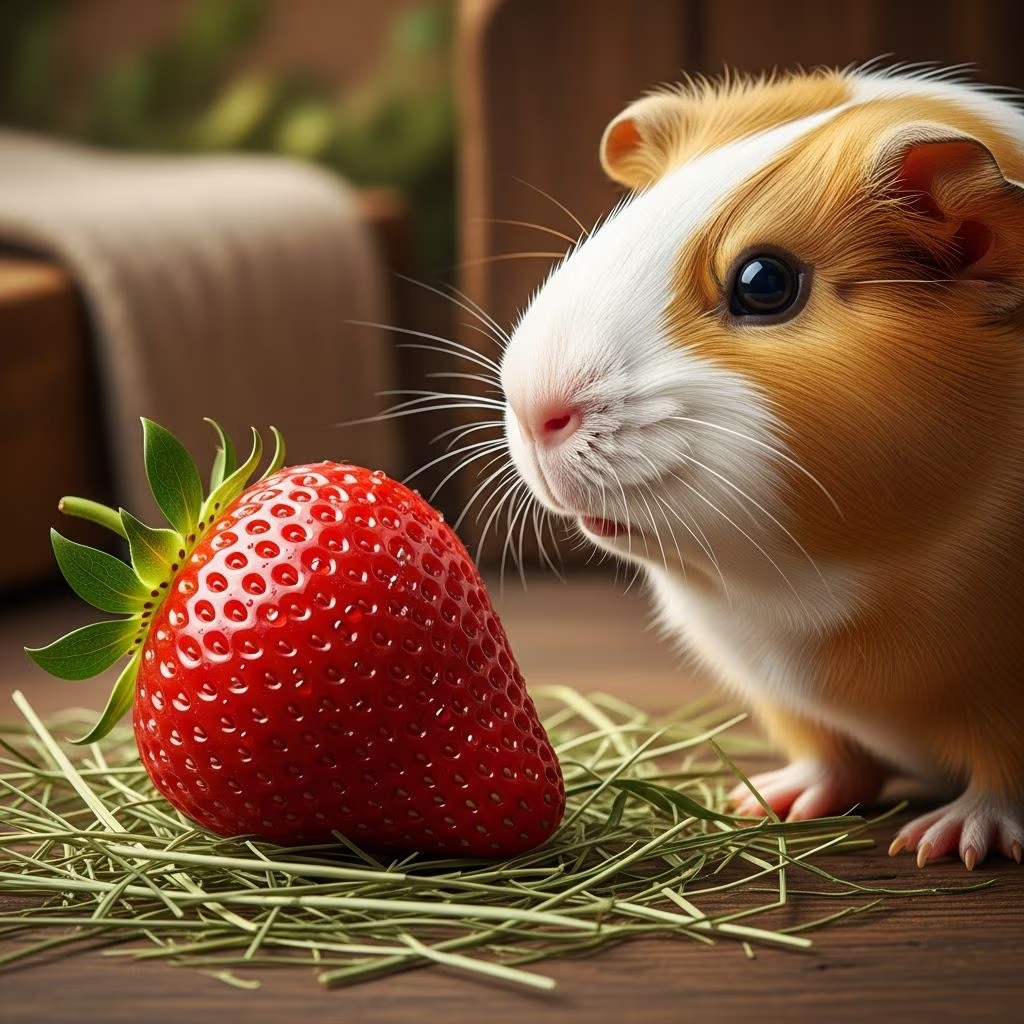
Can Guinea Pigs Eat Strawberries? A Complete Guide
Strawberries are a delicious treat that many pet owners wonder about sharing with their guinea pigs. The good news is that guinea pigs can safely enjoy strawberries in moderation, making them a wonderful occasional addition to your pet’s diet. However, like all fruits, strawberries require careful consideration regarding portion size and frequency to ensure your guinea pig remains healthy and happy.
Are Strawberries Safe for Guinea Pigs?
Yes, strawberries are completely safe for guinea pigs to eat. Both wild and garden varieties of strawberries are appropriate for your furry friend. Guinea pigs can enjoy not only the fruit itself but also the green tops, stems, and leaves of strawberries without any concerns. In fact, many guinea pig owners are surprised to learn that the leafy green parts of the strawberry plant may be even healthier than the fruit itself due to their lower sugar content and higher fiber levels.
The safety of strawberries extends to all their components. The tiny seeds found on the surface of the strawberry are perfectly safe and do not pose any choking hazard. Unlike certain plant parts that are toxic to guinea pigs, such as the tops of tomatoes, strawberry tops are not only safe but also nutritious for your pet.
Nutritional Benefits of Strawberries for Guinea Pigs
Strawberries offer impressive nutritional value that can benefit your guinea pig’s health when offered appropriately. These berries are particularly valuable because they provide essential nutrients that guinea pigs cannot produce themselves.
Vitamin C Content
One of the most important nutritional benefits of strawberries is their exceptional vitamin C content. Guinea pigs are unable to synthesize vitamin C internally, making dietary sources absolutely crucial for their wellbeing. Strawberries contain approximately 58.8 mg of vitamin C per 100 grams, making them an excellent source of this vital nutrient. Remarkably, strawberries contain about six times more vitamin C than blueberries and approximately 18 times more than grapes, making them superior to many other fruits commonly offered as treats.
Antioxidants and Other Beneficial Compounds
Beyond vitamin C, strawberries are rich in antioxidants including anthocyanins and quercetin. These plant compounds serve multiple important functions in your guinea pig’s body. They help reduce inflammation, balance free radicals, lower cholesterol levels, and support overall cardiovascular health. The high water content of strawberries also contributes to proper hydration, while the fruit provides dietary fiber that supports digestive health.
Comparative Nutritional Profile
| Fruit | Sugar (mg per 100g) | Vitamin C (mg per 100g) |
|---|---|---|
| Strawberries | 4.9 | 58.8 |
| Blueberries | 10 | 9.7 |
| Grapes | 15 | 3.2 |
| Carrots | 4.7 | 5.9 |
This comparison demonstrates why strawberries are considered one of the better fruit options for guinea pigs. They contain approximately half the sugar of blueberries, a third of the sugar found in grapes, and only slightly more sugar than carrots. When considering vitamin C content, strawberries significantly outperform most other common guinea pig treats.
Potential Risks and Concerns
While strawberries are safe for guinea pigs, certain precautions should be taken to prevent health complications.
Sugar Content Considerations
Although strawberries have less sugar than many other fruits, they still contain natural sugars that can pose problems if your guinea pig consumes too much. Excessive sugar intake can lead to diarrhea, an imbalance in beneficial intestinal bacteria, and serious health conditions such as diabetes and obesity. This is why strawberries must remain an occasional treat rather than a regular dietary staple.
Pesticide and Contamination Concerns
Another important consideration is that strawberries, as ground-growing fruits, are commonly exposed to pesticides and chemical residues during cultivation. Additionally, because they grow low to the ground, they tend to accumulate dust and dirt. These factors make thorough washing absolutely essential before offering strawberries to your guinea pig.
How to Prepare Strawberries for Your Guinea Pig
Washing and Preparation Steps
Proper preparation is essential to ensure your guinea pig’s safety. Begin by thoroughly washing all strawberries under running water, rubbing them gently to remove any dirt, pesticides, or chemical residues. While some owners prefer to remove the green leafy top, this is not necessary since these parts are perfectly safe and actually contain valuable nutrients. You can serve the entire strawberry, including stems and leaves, to your guinea pig.
Best Practices for Serving
When introducing strawberries to your guinea pig for the first time, start with an extremely small piece, approximately the size of your fingernail. Watch your guinea pig closely as they eat and monitor their behavior for several hours afterward to identify any potential allergic reactions or digestive upset. If your guinea pig shows no signs of illness and accepts the strawberry well, you can gradually adjust the serving size.
Appropriate Serving Sizes and Frequency
Portion Guidelines
Adult guinea pigs who have previously eaten strawberries can consume up to two small strawberries or one medium-sized strawberry spread throughout the week. Most guinea pig owners find it convenient to cut the strawberry in half or into small slices before serving. Some prefer offering a whole small strawberry, while others divide portions across multiple days. All of these approaches are acceptable as long as the total weekly intake does not exceed the recommended amount.
Frequency Recommendations
Strawberries should be offered no more than once or twice per week. Never make strawberries a daily treat or regular part of your guinea pig’s main diet. The optimal approach is to view strawberries as an occasional special treat rather than a dietary staple. Baby guinea pigs should receive only very small bite-sized amounts if given strawberries at all, and their primary nutrition should come from fresh green leafy vegetables rather than fruit.
What Parts of the Strawberry Can Guinea Pigs Eat?
One of the wonderful aspects of offering strawberries to guinea pigs is that almost every part of the plant is edible and safe.
Strawberry Fruit
The red flesh of the strawberry is safe and can be offered in appropriate portions. Whether you serve whole small berries or cut larger ones into pieces, your guinea pig can safely consume the entire fruit.
Strawberry Tops and Leaves
The green leafy tops of strawberries are not only safe but may actually be healthier than the fruit itself. These parts contain higher fiber content and lower sugar levels, making them an excellent nutritional choice. Unlike tomato tops which are toxic to guinea pigs, strawberry tops pose no danger whatsoever.
Strawberry Stems
The green stems of strawberries are completely safe for guinea pigs to consume. These portions can be offered alongside or instead of the fruit itself.
Strawberry Seeds
The tiny seeds embedded in the surface of strawberries are perfectly safe and present no choking hazard. These seeds are nutritious and your guinea pig can safely consume them without concern.
Types of Strawberries: Fresh vs. Processed
Fresh Strawberries
Fresh strawberries are the ideal choice for your guinea pig. Whether you source them from a farmers market, grocery store, or your own garden, fresh berries provide maximum nutritional value and pose minimal risk when properly prepared.
Frozen or Canned Strawberries
Guinea pigs should never consume frozen or canned strawberries. These processed versions often contain added sugars, preservatives, artificial additives, or other ingredients that are inappropriate for guinea pigs. Additionally, the texture changes in frozen or canned berries may not be suitable for your pet.
Dried Strawberries
If you choose to offer dried strawberries, they must be 100% natural with absolutely no added sugars or artificial additives. Most commercially available dried strawberries contain added sugars and are therefore unsuitable for guinea pigs. It is safest to stick with fresh strawberries.
Nutritional Composition of Strawberries
Understanding the complete nutritional profile of strawberries helps explain why they are considered a beneficial treat when offered in moderation:
- Vitamin C: 58.8 mg per 100g
- Calcium: 16 mg per 100g
- Phosphorous: 24 mg per 100g
- Fiber: 2 g per 100g
- Sugar: 4.9 g per 100g
- Water Content: Approximately 91%
Signs of Strawberry-Related Problems
After offering strawberries to your guinea pig, watch carefully for warning signs that might indicate a problem. Diarrhea is the most common adverse reaction to excessive fruit consumption. If your guinea pig develops digestive issues, refuses to eat their regular food, or shows any signs of illness after consuming strawberries, discontinue offering them immediately and consult your veterinarian.
Alternative Treats and Vegetables
If your guinea pig does not enjoy strawberries or seems to have difficulty digesting them, numerous other fruits and vegetables are available. Safe alternatives include apples, blueberries, grapes, kiwis, oranges, bell peppers, and various leafy greens. Your guinea pig may have individual preferences, so experimenting with different options helps you identify their favorites.
Frequently Asked Questions
Q: How often can baby guinea pigs eat strawberries?
A: Baby guinea pigs can eat strawberries very sparingly, with only tiny bite-sized amounts offered occasionally. Young guinea pigs should derive most of their nutrition from fresh green leafy vegetables rather than fruits.
Q: Can guinea pigs eat whole strawberries?
A: Guinea pigs can eat whole strawberries only if they are very small baby berries. Larger strawberries should be cut into quarters or smaller pieces depending on size.
Q: Are the strawberry seeds safe for guinea pigs?
A: Yes, strawberry seeds are completely safe and nutritious for guinea pigs. There is no need to remove seeds before serving.
Q: What should I do if my guinea pig has diarrhea after eating strawberries?
A: If diarrhea occurs, stop offering strawberries immediately and contact your veterinarian. This typically indicates too much fruit was consumed or your individual guinea pig does not tolerate strawberries well.
Q: Should I wash strawberries before giving them to my guinea pig?
A: Yes, always thoroughly wash strawberries under running water to remove pesticides, chemical residues, dirt, and other contaminants before offering them to your guinea pig.
Q: Can guinea pigs eat strawberry jam or other strawberry products?
A: No, guinea pigs should only eat fresh strawberries. Jams, preserves, and other processed strawberry products contain added sugars and ingredients inappropriate for guinea pigs.
Q: How much vitamin C do strawberries provide compared to other fruits?
A: Strawberries contain approximately six times more vitamin C than blueberries and 18 times more than grapes, making them an excellent vitamin C source for guinea pigs.
Conclusion
Strawberries represent a nutritious and safe treat for guinea pigs when offered appropriately. Their impressive vitamin C content, antioxidant properties, and relatively lower sugar levels compared to other fruits make them an excellent choice among available options. Remember to introduce strawberries gradually, maintain proper portion sizes, limit frequency to once or twice weekly, and always thoroughly wash berries before serving. Before making any significant changes to your guinea pig’s diet, consult with your veterinarian to ensure you are providing optimal nutrition for your beloved pet. With these guidelines in mind, strawberries can become a delightful occasional treat that your guinea pig will enjoy.
References
- Can Guinea Pigs Eat Strawberries? — GuineaDad. November 2024. https://www.guineadad.com/blogs/news/can-guinea-pigs-eat-strawberries
- Can Guinea Pigs Eat Strawberries? — Guinea Piggles. November 2024. https://www.guineapiggles.co.uk/strawberries/
- 7 Fruits That Guinea Pigs Can Safely Eat — Kavee. November 2024. https://kavee.com/blogs/the-piggy-blog/safe-fruits-for-guinea-pigs
- Guinea Pig Feeding Schedule and Dietary Needs — Humane World. https://www.humaneworld.org/en/resources/guinea-pig-feeding



