

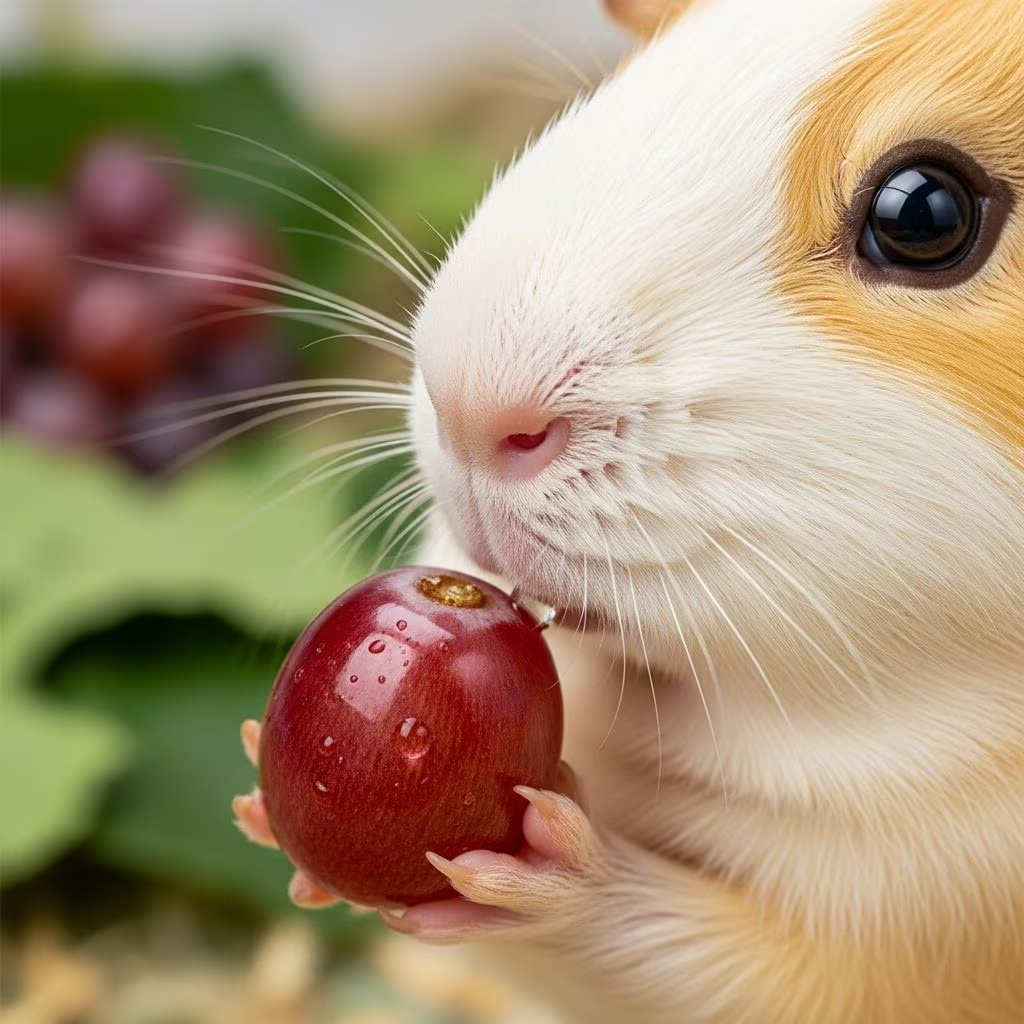
Can Guinea Pigs Eat Grapes?
Guinea pig owners often wonder about the variety of foods they can offer their small pets, and grapes frequently come up in these discussions. While grapes aren’t toxic to guinea pigs, veterinarians don’t recommend feeding them as a regular part of your cavy’s diet. Understanding why requires exploring the unique nutritional needs of guinea pigs and how their digestive systems process different foods.
Grapes present a complex case for guinea pig nutrition. While they aren’t inherently dangerous, they don’t align well with what guinea pigs’ bodies are designed to digest. According to veterinary experts specializing in exotic animals, the gastrointestinal tract of guinea pigs is not designed to digest fruit, which is not a significant part of their natural diet. This fundamental difference in digestive capability makes grapes and other fruits less than ideal choices for regular consumption.
Are Grapes Healthy for Guinea Pigs?
Grapes aren’t considered particularly healthy for guinea pigs, though they’re not overtly harmful either. The nutritional profile of grapes reveals both potential benefits and significant drawbacks. While grapes do contain vitamin C—an essential nutrient that guinea pigs cannot produce on their own—the overall composition makes them problematic as a dietary staple.
The primary concern with grapes is their sugar content, which comprises over 15 percent of the fruit. This high sugar concentration means grapes are essentially empty calories for guinea pigs. Additionally, grapes contain antioxidants and anti-inflammatory properties that might be beneficial; however, it’s unclear how much a guinea pig would need to consume to experience any meaningful health advantages from these compounds.
Grapes are best categorized as “junk food” for guinea pigs—tolerable in very small quantities but not ideal for regular consumption. Think of them as an occasional treat rather than a nutritious food choice.
Nutritional Benefits vs. Risks
When examining whether to feed grapes to your guinea pig, it’s essential to weigh the minimal nutritional benefits against the more substantial risks:
Potential Benefits:
– Vitamin C content supports immune function and overall health- Small amounts of other vitamins and minerals- Water content aids in hydration- Antioxidants found in grape skin may have anti-inflammatory properties
Significant Risks:
– High sugar content (over 15%) contributes to obesity and diabetes- Can cause gastrointestinal upset and diarrhea- May disrupt intestinal bacteria balance- Choking hazard, especially if not properly prepared- Potential allergic reactions in some individuals
Health Risks Associated with Feeding Grapes
While grapes do offer some nutritional elements, there are substantial health risks if they’re not fed with extreme moderation. Understanding these risks helps pet owners make informed decisions about their guinea pig’s diet.
Obesity and Metabolic Issues
The high sugar content in grapes can contribute to weight gain in guinea pigs. Because grapes are considered empty calories—providing sugar without substantial nutritional value—regular consumption can easily lead to obesity. Overweight guinea pigs face increased risks for various health conditions and reduced quality of life.
Diabetes Development
Excessive sugar consumption from grapes and similar foods can increase the risk of developing diabetes in guinea pigs. This serious metabolic condition can significantly impact your pet’s health and longevity.
Gastrointestinal Complications
Guinea pig digestive systems are sensitive and specialized for processing hay and specific vegetables. The high water content and sugar in grapes can cause diarrhea, particularly when introduced too quickly or in large quantities. Additionally, regular consumption of high-sugar foods can create an imbalance in intestinal bacteria, potentially causing serious digestive issues that could become life-threatening.
Choking Hazard
Grapes pose a significant choking risk to guinea pigs if not properly prepared. Grape seeds, in particular, are choking hazards. Even without seeds, whole grapes may be too large for safe consumption. Pieces should be no larger than a guinea pig pellet to ensure safety.
Allergic Reactions
While allergies to grapes are uncommon in guinea pigs, they can occur. Mild allergic reactions may involve facial swelling, hives, or diarrhea. More severe reactions could cause breathing problems. If your guinea pig shows signs of difficulty breathing after consuming grapes, seek immediate veterinary care.
How Many Grapes Can a Guinea Pig Eat?
If you decide to offer grapes as an occasional treat despite the risks, portion control is absolutely critical. Veterinarians recommend extremely limited quantities:
Recommended Serving Size: One small grape per sitting, offered no more than once or twice per week at most. Some sources suggest a couple of small-sized grapes once or twice weekly for an adult guinea pig is the maximum safe amount.
It’s important to remember that treats, including grapes, should comprise no more than 10 percent of your guinea pig’s daily caloric intake. The majority of their diet should consist of high-quality hay (approximately 80%), supplemented with fresh vegetables appropriate for guinea pigs and a small amount of pellets.
If you’re offering other fruits as treats, you must count grape portions as part of the overall fruit allowance. Creating a treat schedule can help ensure you’re not exceeding recommended amounts across all treat categories.
How to Safely Feed Your Guinea Pig Grapes
If you choose to offer grapes despite veterinary recommendations against them, following these preparation guidelines minimizes potential risks:
Selecting the Right Grapes
Not all grapes are equally suitable for guinea pigs:
– Seedless varieties are the safest choice, eliminating choking hazards- Color options: Green, red, and purple grapes are all safe; darker grapes contain slightly more fiber and antioxidants- Freshness: Choose firm grapes and avoid any showing signs of softening, mold, or spoilage- Organic grapes are ideal if available, but regular grapes thoroughly washed are acceptable- Never feed frozen, cooked, or processed grape products
Preparation Steps
Proper preparation is essential for safe grape consumption:
– Wash grapes thoroughly under running water to remove pesticides, chemicals, and bacteria- Remove grapes from the vine and discard any remaining stalks- Cut grapes into halves or quarters to create bite-sized pieces no larger than a guinea pig pellet- Remove all seeds if using non-seedless varieties- Inspect for any signs of mold or damage before serving
Serving Recommendations
When offering grapes to your guinea pig:
– Offer treats no more than once or twice per week, never on consecutive days- Provide only one small grape per sitting- Monitor your pet closely after introduction- Never combine grapes with other sugary treats on the same day
Special Considerations for Different Guinea Pigs
Individual guinea pigs have varying needs based on age, health status, and existing conditions:
Young Guinea Pigs
Young guinea pigs under six months old should focus primarily on their basic diet of hay, pellets, and appropriate vegetables. Sweet treats like grapes are not necessary and should be avoided during this crucial developmental period.
Overweight or Diabetic Guinea Pigs
Guinea pigs with existing weight problems or diabetes should not consume grapes at all. The high sugar content would exacerbate their conditions and potentially cause serious health complications.
Senior Guinea Pigs
Older guinea pigs may have more restricted dietary needs and could benefit from avoiding grapes altogether. Consult your veterinarian about appropriate treat options for senior pets.
Guinea Pigs with Health Conditions
If your guinea pig has any existing health concerns, digestive issues, or dietary restrictions, always consult with your veterinarian before introducing grapes or any new foods.
Signs to Watch When Giving Grape Treats
After offering grapes, observe your guinea pig for both positive and negative responses:
Positive Signs
– Normal activity levels maintained- Regular eating habits continue- No changes in behavior or temperament- Droppings remain normal in appearance and consistency
Warning Signs to Discontinue Grapes
– Changes in droppings or diarrhea- Decreased appetite, particularly for hay- Lethargy or reduced activity- Facial swelling or hives- Difficulty breathing (seek immediate veterinary care)- Any behavioral changes or signs of distress
If you notice any concerning changes, discontinue grape treats immediately and contact your veterinarian if symptoms persist.
Alternative Treats for Guinea Pigs
Rather than offering grapes, consider these safer treat options that better suit guinea pig digestive systems:
– Bell peppers (excellent source of vitamin C)- Carrots (in small quantities)- Cucumbers (hydrating, low sugar)- Romaine lettuce- Timothy hay treats- Specially formulated guinea pig treats
These alternatives provide better nutritional value and pose fewer health risks than grapes.
Foods Guinea Pigs Should Never Eat
While grapes are acceptable in minimal quantities, several foods are completely unsafe for guinea pigs:
– Chocolate- Avocado- Iceberg lettuce- Onions and garlic- Potatoes- Nuts and seeds in large quantities- Dairy products- Processed foods- Raisins (dried grapes with even higher concentrated sugar)
Never feed your guinea pig raisins under any circumstances. Dried grapes are extremely high in sugar and can easily cause serious digestive issues.
Balancing Your Guinea Pig’s Diet
Creating a balanced diet ensures your guinea pig thrives:
| Food Category | Percentage of Diet | Details |
|---|---|---|
| High-quality hay | About 80% | Timothy hay, orchard grass hay—unlimited quantity |
| Fresh vegetables | About 10% | Leafy greens, bell peppers, carrots (limited) |
| Guinea pig pellets | Small amount | Vitamin C fortified, limited portions |
| Treats (including fruits) | No more than 10% | Grapes limited to 1-2 times weekly |
Frequently Asked Questions About Guinea Pigs and Grapes
Q: Are grapes toxic to guinea pigs?
A: No, grapes are not toxic to guinea pigs. However, veterinarians don’t recommend feeding them regularly because guinea pig digestive systems aren’t designed to process fruits. Grapes can cause gastrointestinal upset, obesity, diabetes, and other health issues if consumed in significant quantities.
Q: Can I feed my guinea pig raisins?
A: No, you should never feed your guinea pig raisins. Dried grapes are extremely high in sugar and can easily cause serious digestive issues and other health complications.
Q: How often can I give my guinea pig grapes?
A: Grapes should only be offered once or twice per week at most, with only one small grape per sitting. Never offer grapes on consecutive days. Remember that treats should comprise no more than 10% of your guinea pig’s daily diet.
Q: Should I remove grape seeds?
A: Yes, absolutely. Grape seeds pose a choking hazard. Always use seedless varieties or remove seeds by hand before offering grapes to your guinea pig. Seedless grapes are the safer choice.
Q: Can guinea pigs eat grape skins?
A: Yes, guinea pigs can eat grape skins, which actually contain beneficial antioxidants. However, you must thoroughly wash grapes to remove pesticides and chemicals before offering them to your pet.
Q: What should I do if my guinea pig shows signs of an allergic reaction to grapes?
A: Stop offering grapes immediately. Mild allergic reactions may include facial swelling, hives, or diarrhea. If your guinea pig experiences difficulty breathing, seek immediate veterinary care as this indicates a severe allergic reaction.
Q: Are there safer fruit alternatives to grapes for guinea pigs?
A: Yes. Safer options include small amounts of apple (without seeds), strawberries, or blueberries in very limited quantities. However, the focus should remain on vegetables and hay as primary food sources.
Q: What’s the best diet for guinea pigs overall?
A: The ideal guinea pig diet consists of approximately 80% high-quality hay (timothy hay or orchard grass), 10% fresh vegetables (especially leafy greens and bell peppers for vitamin C), a small amount of guinea pig pellets, and occasional treats making up no more than 10% of total intake.
References
- Can Guinea Pigs Eat Grapes? — PetMD. 2024. https://www.petmd.com/small-animal/can-guinea-pigs-eat-grapes
- Can Guinea Pigs Eat Grapes? | Chewy — Chewy. 2024. https://www.chewy.com/education/small-pet/guinea-pig/can-guinea-pigs-eat-grapes
- Foods Guinea Pigs Should Never Eat — Oxbow Animal Health. 2024. https://oxbowanimalhealth.com/blog/foods-guinea-pigs-should-never-eat/
- Can Guinea Pigs Eat Grapes? A Guide to Your Pet’s Diet — C & C Guinea Pig Cages UK. 2024. https://candcguineapigcages.co.uk/can-guinea-pigs-eat-grapes-a-guide-to-your-pets-diet/
- Can Guinea Pigs Eat Grapes? Safe Portions & Feeding Tips — Journee Mondiale. 2024. https://www.journee-mondiale.com/en/can-guinea-pigs-eat-grapes-yes-but-heres-what-you-need-to-know-first/
- Can Guinea Pigs Eat Grapes? — GuineaPiggles UK. 2024. https://www.guineapiggles.co.uk/grapes/



