

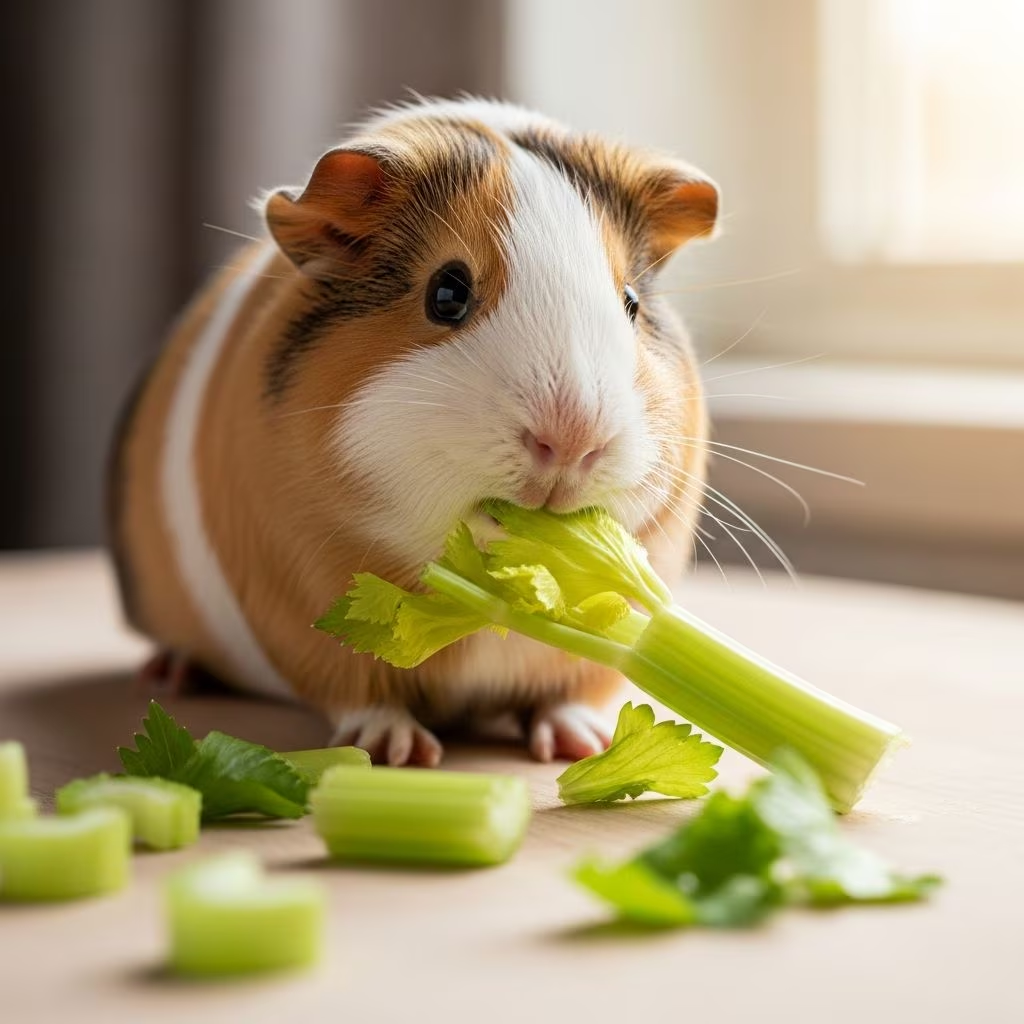
Can Guinea Pigs Eat Celery?
Yes, guinea pigs can safely eat celery, making it a suitable addition to their vegetable variety. All parts of the vegetable are safe for consumption, including the stalks, tops, and leaves, provided they are properly prepared and served appropriately. However, celery should not become a dietary staple but rather an occasional treat within a well-balanced nutrition plan.
Safe Parts of Celery for Guinea Pigs
Guinea pigs can consume various parts of the celery plant without concern. The stalks provide a crunchy texture that many guinea pigs enjoy, while the leafy tops offer additional nutritional value. The leaves contain similar nutrients to the stalks and are equally safe for consumption. When preparing celery for your guinea pig, ensure all parts are thoroughly washed to remove any pesticides or contaminants that may be present from cultivation or storage.
Health Benefits of Celery for Guinea Pigs
Celery offers several nutritional advantages that can contribute to your guinea pig’s overall health and wellbeing when fed appropriately.
Provides Vitamin C
Vitamin C is essential for preventing scurvy, a common health issue in guinea pigs. Unlike humans and some other animals, guinea pigs cannot produce vitamin C on their own, making dietary intake crucial. Celery contains valuable amounts of this vital nutrient, helping to support immune function and prevent deficiency-related diseases. Regular consumption of vitamin C-rich foods like celery contributes to maintaining optimal health and strengthening your guinea pig’s natural defense systems.
Supports Hydration
Celery is approximately 95% water, making it an excellent choice for helping keep your guinea pig hydrated. Adequate hydration is essential for proper kidney function, urinary health, and overall metabolic processes. By incorporating celery into your guinea pig’s diet occasionally, you provide an additional water source that complements their regular water intake from their water bottle or bowl.
Promotes Dental Health
The fiber and crunchy texture of celery help naturally wear down guinea pigs’ constantly growing teeth. Guinea pigs’ teeth never stop growing throughout their lives, requiring natural abrasion to maintain proper length and shape. Without sufficient fiber in their diet, teeth may become overgrown, making it difficult for your guinea pig to eat comfortably and potentially leading to serious dental problems. The mechanical action of chewing celery provides beneficial wear on their molars and incisors.
Adds Extra Nutrients
Beyond vitamin C, celery contains vitamin K and potassium, which support overall health and bodily functions. Vitamin K plays an important role in blood clotting and bone formation, while potassium aids in maintaining proper cellular function and muscle health. These additional nutrients make celery a reasonably well-rounded vegetable choice for occasional feeding.
Potential Risks and Concerns
While celery can be a healthy treat, there are important considerations to keep in mind when feeding it to your guinea pig.
Dietary Imbalance
Vegetables should only comprise about 5% of a guinea pig’s daily food intake. Overfeeding celery may crowd out more essential staples like hay and pellets, which form the foundation of proper guinea pig nutrition. High-quality grass hay should make up the majority of your guinea pig’s diet, with pellets providing concentrated nutrients and vegetables serving as supplementary treats.
Digestive Upset
The high water and fiber content in celery may lead to diarrhea if eaten in excess. Guinea pigs have sensitive digestive systems that can be disrupted by sudden dietary changes or excessive amounts of watery vegetables. Starting with small portions and monitoring your guinea pig’s digestive response helps prevent gastrointestinal issues.
Calcium and Urinary Health
Guinea pigs are prone to urinary tract problems and bladder stones if too much calcium is consumed. Celery contains moderate amounts of calcium, so it should be fed sparingly, particularly for guinea pigs with pre-existing urinary or bladder conditions. If your guinea pig has a history of these issues, consult your veterinarian before adding celery to their diet.
Choking Hazard
The fibrous strings found in celery stalks can present a potential choking hazard if not properly removed. These strings can become lodged in your guinea pig’s throat or digestive tract, causing serious complications. Thorough preparation is essential before serving celery to your pet.
How Much Celery Can Guinea Pigs Have?
Proper portion control is critical when feeding celery to guinea pigs. An adult guinea pig of healthy weight can have one to two small, bite-size pieces once or twice a week. Some experts recommend limiting celery to approximately 4 grams per day, which is roughly equivalent to one short strip. It’s best not to give celery daily; variety is key for balanced nutrition, and too much produce can cause digestive upset.
Remember that vegetables are considered treats and should be fed in moderation. The rest of your guinea pig’s diet should come from a well-balanced combination of high-quality grass hay and appropriate pellets. This ratio ensures your guinea pig receives all necessary nutrients while enjoying occasional variety.
How to Prepare Celery for Guinea Pigs
Proper preparation is essential to ensure celery is safe and enjoyable for your guinea pig to consume.
Washing and Cleaning
Begin by thoroughly washing celery under clean running water to remove any pesticides, dirt, or other contaminants from the surface. Even if the celery is organic, rinsing helps ensure it’s clean and safe for your pet to consume.
Removing Strings
Carefully remove the tough fibrous strings that run along the length of the celery stalks. These strings present a significant choking hazard and should be completely removed before serving. You can do this by peeling away the outer layer or using a vegetable peeler to strip away the stringy portions.
Cutting Into Bite-Sized Pieces
Cut celery into small, bite-sized pieces appropriate for your guinea pig’s mouth size. Small pieces reduce the risk of choking and make the celery easier for your guinea pig to handle and consume. The pieces should be manageable enough that your guinea pig can grasp and eat them without difficulty.
Serving Raw Only
Always serve celery raw to your guinea pig. Cooked celery has significantly fewer nutrients and is harder for guinea pigs to digest. In nature, guinea pigs consume raw vegetation, and maintaining this pattern in captivity supports their digestive health and nutritional intake.
Special Considerations for Guinea Pig Health
Before introducing celery to your guinea pig’s diet, consider any existing health conditions. If your guinea pig has digestive issues, dental problems, or other health concerns, consult with your veterinarian before giving them celery. Certain medical conditions may require dietary restrictions that make celery unsuitable, and a professional can provide personalized guidance based on your individual guinea pig’s needs.
Frequently Asked Questions
Q: Can guinea pigs eat celery leaves?
A: Yes, guinea pig can safely eat celery leaves. The leaves contain similar nutrients to the stalks and are equally safe for consumption. Ensure they are washed thoroughly and served in appropriate portions.
Q: How often can I feed my guinea pig celery?
A: You can feed your guinea pig celery once or twice per week in small portions. Daily feeding is not recommended as it can disrupt their balanced diet and cause digestive issues.
Q: What should I do if my guinea pig gets diarrhea from celery?
A: If your guinea pig experiences diarrhea after eating celery, discontinue feeding it immediately and ensure they have access to plenty of hay and fresh water. Monitor their condition and contact your veterinarian if symptoms persist.
Q: Can baby guinea pigs eat celery?
A: Baby guinea pigs should have a diet primarily focused on nursing, hay, and pellets formulated for young pigs. Introduce vegetables, including celery, only after they are several weeks old and only in very small amounts.
Q: Is cooked celery safe for guinea pigs?
A: No, cooked celery should not be fed to guinea pigs. Cooked vegetables lose important nutrients and are harder to digest. Always serve celery raw to maintain nutritional value.
Q: Can I feed my guinea pig celery if they have bladder stones?
A: If your guinea pig has a history of bladder stones or urinary issues, consult your veterinarian before introducing celery due to its calcium content. Your vet may recommend avoiding it or limiting it based on your guinea pig’s specific condition.
Q: What other vegetables can I feed alongside celery?
A: Guinea pigs can enjoy a variety of vegetables including bell peppers, romaine lettuce, cucumber, zucchini, and leafy greens. Rotate different vegetables to provide nutritional variety and prevent dietary monotony.
Creating a Balanced Guinea Pig Diet
While celery can be a beneficial occasional treat, it should be part of a carefully balanced diet. The foundation of your guinea pig’s nutrition should be unlimited high-quality grass hay, supplemented with appropriate pellets formulated specifically for guinea pigs. Vegetables, including celery, should comprise no more than 5% of daily food intake. Fresh water must always be available. This balanced approach ensures your guinea pig receives all necessary nutrients while enjoying the health benefits and variety that celery and other vegetables provide.
By understanding the benefits and risks associated with celery, following proper preparation techniques, and adhering to recommended portion sizes, you can safely incorporate this vegetable into your guinea pig’s dietary rotation. Always prioritize your guinea pig’s individual health needs and consult your veterinarian with any concerns about their diet or health.
References
- Can Guinea Pigs Eat Celery? — Chewy. 2025. https://www.chewy.com/education/small-pet/guinea-pig/can-guinea-pigs-eat-celery
- Can Guinea Pigs Eat Celery? — GuineaDad. 2024. https://www.guineadad.com/blogs/news/guineadad-food-blog-can-guinea-pigs-eat-celery
- Can Guinea Pigs Eat Celery? — HayDay. 2024. https://hay-day.co.uk/blogs/advice/can-guinea-pigs-eat-celery
- Nutrient Requirements of Laboratory Animals: Fourth Revised Edition — National Research Council. 1995. https://www.nap.edu/catalog/4758/nutrient-requirements-of-laboratory-animals-fourth-revised-edition
- FoodData Central — U.S. Department of Agriculture. 2024. https://fdc.nal.usda.gov/



