

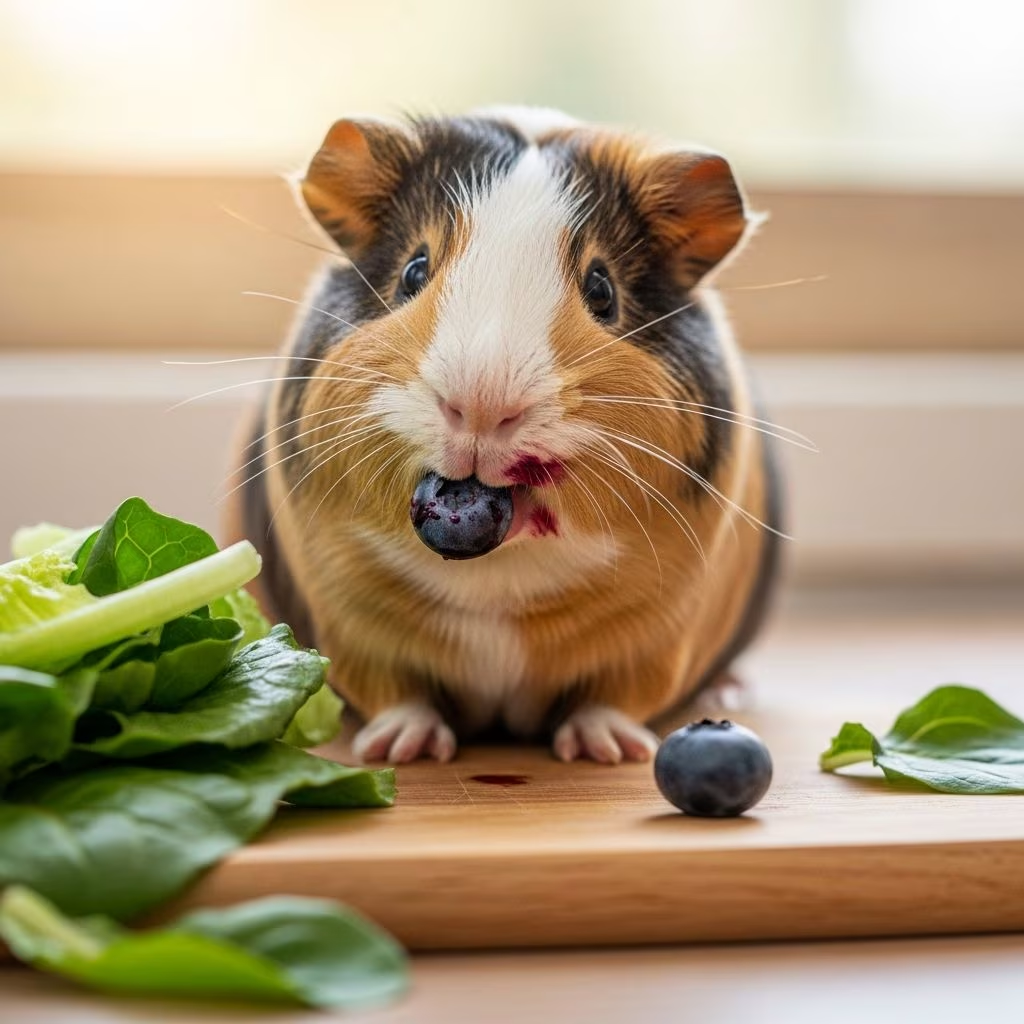
Can Guinea Pigs Eat Blueberries?
Yes, guinea pigs can eat blueberries, but moderation is essential. These small berries can serve as a nutritious and delicious occasional treat for your furry companions. However, understanding the proper serving size, frequency, and potential health considerations is crucial for maintaining your guinea pig’s optimal health and wellbeing.
Nutritional Benefits of Blueberries for Guinea Pigs
Blueberries are often considered a “superfood” for both humans and animals due to their impressive nutritional profile. For guinea pigs, these berries offer several valuable health benefits that make them an excellent choice when incorporated correctly into their diet.
Rich in Vitamin C
One of the most important nutrients found in blueberries is vitamin C. Guinea pigs cannot synthesize or store vitamin C, making dietary intake essential to prevent scurvy, a serious deficiency disease. Fresh blueberries provide a natural source of this vital nutrient, supporting immune function and overall health maintenance.
Packed with Antioxidants
Blueberries are renowned for their exceptionally high antioxidant content compared to most other fruits and vegetables. These antioxidants play a crucial role in protecting your guinea pig’s cells from free radical damage, which can lead to illness, premature aging, and various chronic conditions. Regular consumption of antioxidant-rich foods may help support cardiovascular health and reduce the risk of certain diseases.
Vitamin K and Bone Health
Blueberries contain vitamin K, an essential nutrient important for bone health, blood clotting, and wound healing. For growing guinea pigs or those recovering from injury, this vitamin supports proper skeletal development and healing processes.
Minerals and Fiber
These berries provide trace amounts of calcium and phosphorus, which work synergistically to support your guinea pig’s skeletal system. Additionally, with 84% water content and natural fiber, blueberries promote healthy digestion and help maintain proper gastrointestinal function. Despite being naturally sweet, blueberries remain relatively low in calories, making them suitable for weight management.
Nutritional Composition
Understanding the exact nutritional content of blueberries helps pet owners make informed decisions about portion sizes:
| Nutrient | Per 0.5 Cup Serving |
|---|---|
| Calories | 42 |
| Total Carbohydrates | 11 g |
| Sugar | 7 g |
| Protein | 1 g |
| Fiber | High |
| Vitamin C | 8% DV |
| Sodium | 1 mg |
Potential Health Concerns
While blueberries offer numerous health benefits, there are important considerations guinea pig owners must understand to prevent adverse health effects.
High Sugar Content
The most significant concern with blueberries is their natural sugar content. Guinea pigs have digestive systems not designed to process high-sugar foods efficiently. Excessive sugar consumption can lead to tooth decay, diarrhea, obesity, and even diabetes. This is why portion control is absolutely critical when offering blueberries to your pets.
Acidity Concerns
Blueberries are fairly acidic fruits. While this is typically only problematic when consumed in excess, the acidity can potentially cause oral sores, minor damage to the digestive tract, and urinary tract infections. These conditions, though not fatal, can cause your guinea pig significant pain and discomfort. Monitoring your pet after introducing blueberries is essential.
Digestive Upset
Some guinea pigs may be prone to digestive sensitivity. Introduction of new foods, including blueberries, should be done gradually and carefully. Signs of digestive upset include soft stool, diarrhea, reduced appetite, or behavioral changes.
Recommended Serving Guidelines
Proper portion control is fundamental to safely offering blueberries to your guinea pig. Follow these evidence-based guidelines to ensure your pet enjoys this treat without negative health consequences.
Frequency and Portion Size
Guinea pigs should receive no more than one to two blueberries at a time, offered once or twice per week. This modest serving maintains the nutritional benefits while minimizing the risks associated with sugar and acid consumption. Because blueberries are naturally small, there is typically no need to cut them into smaller pieces.
Introduction Protocol
When introducing blueberries to your guinea pig for the first time, start conservatively with half a blueberry or even smaller piece. Observe your pet closely for the next 24-48 hours for any signs of digestive upset, changes in behavior, or oral irritation. If your guinea pig behaves normally and shows no adverse symptoms, you can gradually increase to a full blueberry at the next serving.
Balanced Diet Considerations
Blueberries should be viewed as occasional treats, not dietary staples. Your guinea pig’s daily diet should primarily consist of high-quality commercial pellets, unlimited hay, and fresh leafy vegetables that provide essential nutrients. While guinea pigs can consume up to one cup of fresh fruits and vegetables daily, sugary options like blueberries should only comprise a small fraction of this amount. Prioritize high vitamin C items like bell peppers and dark leafy greens over sugary treats.
Blueberry Types: What’s Safe and What to Avoid
Not all blueberries are created equal when it comes to guinea pig nutrition. Understanding which forms are safe is important for your pet’s health.
Fresh Blueberries
Fresh, ripe blueberries are the best option for guinea pigs. They provide maximum nutritional value and are soft enough for easy consumption. Always wash fresh blueberries thoroughly under running water to remove any pesticides or debris before offering them to your pet.
Frozen Blueberries
If using frozen blueberries, thaw them completely before feeding to your guinea pig. Frozen berries can pose a choking hazard and may cause digestive upset due to the sudden temperature change.
Dried Blueberries
Dried blueberries should be avoided entirely. The drying process concentrates sugars, creating an unhealthy treat for guinea pigs. Additionally, dried blueberries can be a choking hazard due to their size reduction and hardened texture.
Processed Blueberries
Blueberry jams, jellies, muffins, and other processed products contain added sugars and potentially harmful ingredients. These should never be offered to guinea pigs, regardless of how tempting they may seem.
Signs of Blueberry Sensitivity or Overfeeding
Monitor your guinea pig closely for these warning signs that may indicate blueberries are causing problems:
- Soft stool or diarrhea
- Reduced appetite or refusal to eat
- Lethargy or unusual lack of activity
- Visible sores or redness in the mouth
- Straining to urinate or discolored urine (potential UTI signs)
- Weight gain or bloating
- Behavioral changes or signs of pain
If any of these symptoms appear, discontinue blueberries immediately and consult your veterinarian if symptoms persist.
Best Practices for Feeding Blueberries
To maximize the benefits and minimize risks when offering blueberries to your guinea pig, follow these best practices:
- Always provide fresh, organic blueberries when possible to minimize pesticide exposure
- Wash blueberries thoroughly before serving
- Offer blueberries during daytime hours when you can monitor your pet’s response
- Remove any uneaten blueberries from the cage within a few hours to prevent spoilage
- Maintain a consistent feeding schedule, offering blueberries on the same day each week if possible
- Combine blueberries with other approved vegetables and hay during feeding time
- Keep a food diary noting when blueberries are offered and any observed reactions
Alternative Treats for Guinea Pigs
While blueberries can be a nice occasional treat, variety is important. Consider these alternative safe fruits and vegetables that may offer better nutritional profiles for regular rotation:
- Bell peppers (excellent vitamin C source)
- Carrots (limited amounts due to sugar content)
- Strawberries (antioxidant-rich)
- Watermelon (high water content for hydration)
- Cucumbers (low calorie, hydrating)
- Kale and other dark leafy greens
- Romaine lettuce (nutritious, low sugar)
Frequently Asked Questions About Guinea Pigs and Blueberries
Q: Can baby guinea pigs eat blueberries?
A: Baby guinea pigs can eat blueberries, but only in very small amounts and less frequently than adults. Start with an extremely small piece and wait several days before offering again. Young guinea pigs have developing digestive systems that are more sensitive to dietary changes.
Q: How do I know if my guinea pig is allergic to blueberries?
A: Allergic reactions typically appear within hours of consumption and may include vomiting, severe diarrhea, facial swelling, or difficulty breathing. If you suspect an allergic reaction, contact your veterinarian immediately. Most adverse reactions to blueberries are related to sensitivity or overfeeding rather than true allergies.
Q: Can guinea pigs with dental problems eat blueberries?
A: Guinea pigs with existing dental problems may have difficulty chewing blueberries. Since blueberries are acidic and high in sugar, they may worsen dental issues. Consult your veterinarian before offering blueberries to a guinea pig with dental concerns.
Q: Is it safe to give blueberries to pregnant or nursing guinea pigs?
A: Pregnant and nursing guinea pigs have increased nutritional needs. While small amounts of blueberries are safe, priority should be given to high-quality pellets, unlimited hay, and nutrient-dense vegetables. Consult your veterinarian about the best diet for pregnant or nursing guinea pigs.
Q: What should I do if my guinea pig eats too many blueberries?
A: If your guinea pig accidentally consumes more blueberries than recommended, monitor closely for signs of digestive upset over the next 24-48 hours. Ensure they have access to plenty of hay and fresh water. Contact your veterinarian if symptoms like severe diarrhea or lethargy develop.
Q: Can I mix blueberries with other foods?
A: Yes, offering blueberries alongside other approved vegetables and hay is actually beneficial. This provides variety and ensures your guinea pig receives a balanced mix of nutrients. Avoid combining blueberries with other high-sugar treats.
Conclusion
Blueberries can be a safe and nutritious occasional treat for guinea pigs when offered in appropriate portions. Their rich antioxidant content, vitamin C, and essential minerals make them a valuable addition to your pet’s diet when limited to one to two berries once or twice per week. The key to success lies in moderation, careful observation, and maintaining a balanced diet centered on quality pellets, unlimited hay, and fresh vegetables. By following the guidelines outlined in this article and monitoring your guinea pig’s response to this treat, you can safely enhance your pet’s diet with this nutrient-dense superfood while minimizing potential health risks associated with sugar and acidity.
References
- Can Guinea Pigs Eat Blueberries? — GuineaDad. 2024. https://www.guineadad.com/blogs/news/can-guinea-pigs-eat-blueberries
- Can Guinea Pigs Eat Blueberries? Vet-Approved Nutrition & Diet Facts — Hepper. 2024. https://articles.hepper.com/can-guinea-pigs-eat-blueberries/
- 7 Fruits That Guinea Pigs Can Safely Eat — Kavee UK. 2024. https://uk.kavee.com/blogs/the-piggy-blog/safe-fruits-for-guinea-pigs
- Foods Guinea Pigs Should Never Eat — Oxbow Animal Health. 2024. https://oxbowanimalhealth.com/blog/foods-guinea-pigs-should-never-eat/
- Guinea pig feeding schedule and dietary needs — Humane World. 2024. https://www.humaneworld.org/en/resources/guinea-pig-feeding



