

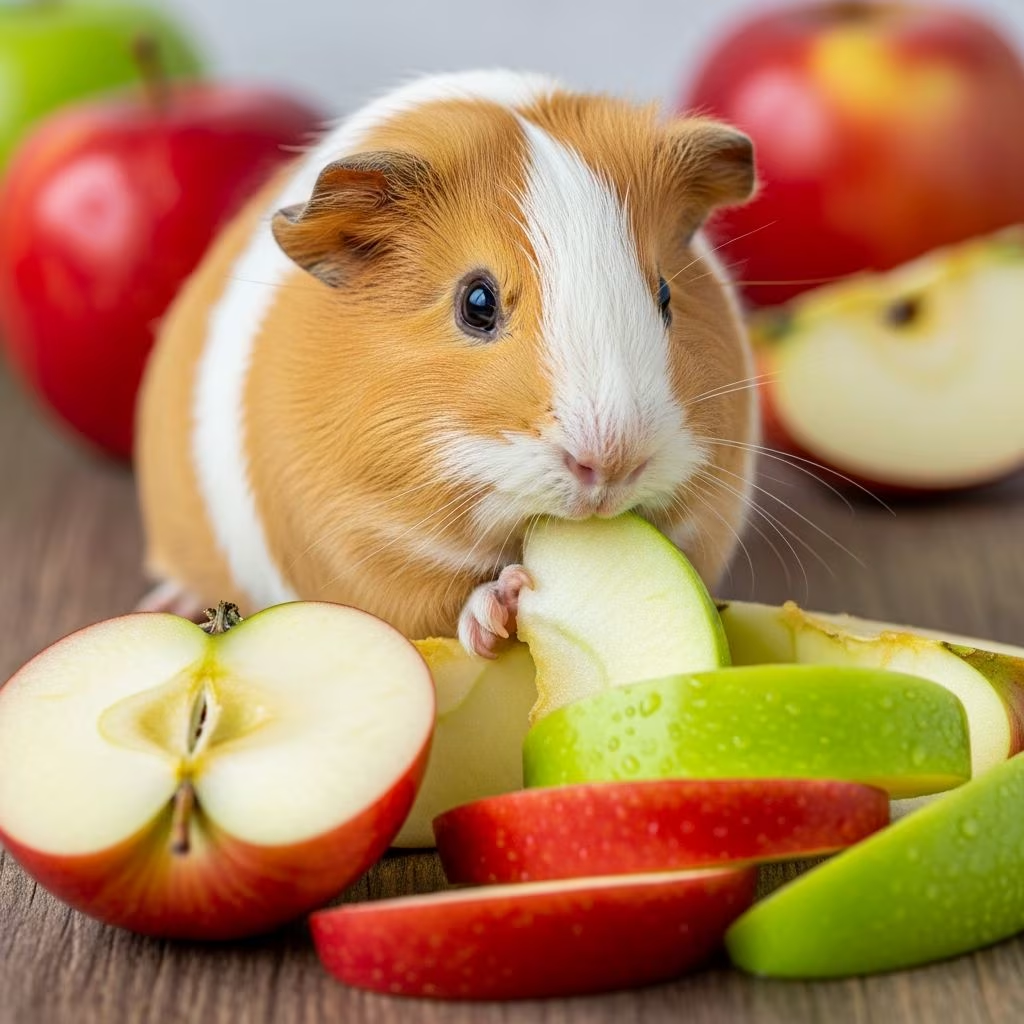
Can Guinea Pigs Eat Apples?
Guinea pigs can enjoy apples as an occasional treat, but there are important guidelines to follow to ensure their safety and health. While apples offer some nutritional benefits, they also contain high sugar levels and potential hazards that require careful consideration. Understanding how to properly introduce and portion apples into your guinea pig’s diet is essential for maintaining their wellbeing.
Are Apples Good For Guinea Pigs?
Apples contain several nutrients that contribute to a guinea pig’s overall health. They are notably high in vitamin C and fiber, both of which play important roles in your pet’s diet. Vitamin C is particularly crucial for guinea pigs because these animals cannot produce this vitamin on their own, making dietary intake essential. Without adequate vitamin C consumption, guinea pigs can develop scurvy, a serious condition characterized by bleeding gums, swollen joints, pain when walking, and skin ulcers.
The fiber content in apples also supports digestive health and helps maintain healthy teeth. Guinea pigs have continuously growing teeth throughout their lives, and chewing on fibrous foods helps naturally wear them down and keep them healthy. However, while apples do contain these beneficial nutrients, they should not be considered a primary source of vitamin C. Other vegetables like parsley, kale, mint, and romaine lettuce provide considerably higher amounts of this vital nutrient, making them better choices for regular feeding.
Apple Seeds and Safety Concerns
One of the most critical concerns when feeding apples to guinea pigs involves the seeds. Apple seeds contain a naturally occurring chemical compound called amygdalin, which converts to cyanide when crushed or digested. This is why many pet owners worry about apple seed safety.
However, the amount of amygdalin in a single apple seed is extremely minimal. A guinea pig would need to consume a large quantity of seeds to experience any harmful effects. If your guinea pig accidentally ingests one or two seeds while eating an apple core or slice, there is minimal risk of toxicity. The danger arises only when seeds are intentionally offered as a regular treat or when a guinea pig consumes multiple seeds repeatedly.
To minimize any potential risk, it is best practice to remove apple seeds before feeding the fruit to your guinea pig. When offering apple cores, which are nutritious and great for tooth wear, inspect them carefully to ensure seeds have been removed or that only a small core segment without seeds is provided. Never deliberately extract and feed apple seeds to your guinea pig, as this could expose them to dangerous toxin levels.
Can Guinea Pigs Eat Apple Cores?
Apple cores present conflicting information across different sources. While some sources suggest avoiding apple cores entirely due to seed content, others indicate that cores are safe and beneficial when seeds are properly removed or handled appropriately. The core’s high fiber content makes it an excellent option for maintaining guinea pig dental health.
If you choose to offer apple core to your guinea pig, ensure that all seeds have been removed first. The core itself is safe and actually beneficial for your pet. We recommend offering apple cores only once or twice per week at most to maintain a balanced diet. Alternatively, you can safely offer the core after you’ve finished eating an apple, provided the seeds have been removed and the core has been washed.
Apple Skin: Should Guinea Pigs Eat It?
The skin of an apple, also called the peel, contains substantial amounts of fiber and essential nutrients, making it the most beneficial part of the fruit to share with your guinea pig. Beyond nutritional content, apple skin contains quercetin, a compound linked to cognitive benefits and brain health.
When offering apple skin to your guinea pig, thorough washing is absolutely essential. Commercial apples are often treated with pesticides and may have a protective wax coating to extend shelf life. These residues can be harmful to your pet, potentially negating the health benefits of the skin’s nutrients. When possible, purchase organic, unwaxed apples to minimize pesticide exposure. If organic apples are unavailable or too expensive, conventional apples are still acceptable, but they must be washed very thoroughly under running water before feeding to your guinea pig.
Types of Apples Safe for Guinea Pigs
Not all apple varieties are equally suitable for guinea pigs. Green and red apples, such as Granny Smiths and Red Delicious varieties, are generally safe and enjoyable for most guinea pigs. These varieties typically have moderate sugar and acidity levels that are appropriate for occasional consumption.
Cooking apples, however, should be avoided. These varieties, such as Bramleys, have higher acidity levels that can negatively affect your guinea pig’s digestive system and overall health. The increased acidity in cooking apples makes them a poor choice despite their larger size and tempting appearance.
Nutritional Content of Apples
Understanding the nutritional profile of apples helps explain why they should only be offered occasionally. Per 100 grams of apple, the nutritional breakdown is as follows:
| Nutrient | Amount per 100g |
|---|---|
| Vitamin C | 4.6 mg |
| Calcium | 6 mg |
| Phosphorous | 11 mg |
| Fiber | 2.4 g |
| Sugar | 10g |
While apples do contain vitamin C and fiber, the sugar content is notably high. This is the primary reason why apples must be limited in a guinea pig’s diet. Excessive sugar intake can lead to obesity, dental problems, and other health complications in small pets.
How Much Apple Can Guinea Pigs Eat?
Portion control is absolutely critical when feeding apples to guinea pigs. A guinea pig should never be given a whole apple or even half an apple. Instead, offer only a small piece approximately the size of a small mouthful. For an average-sized apple weighing between 150-200 grams, two one-inch slices represent an appropriate serving size.
Apples should never form the main part of your guinea pig’s daily fruit and vegetable portion. Rather, they should be considered a small treat offered on the side of their regular diet. Large quantities of apple can cause stomach upset and diarrhea in guinea pigs, so extreme care with portion sizes is necessary. Remember that apple is not an essential component of your guinea pig’s diet, and they would remain perfectly healthy without ever consuming apples.
How Often Can Guinea Pigs Eat Apples?
Like all fruits, apples should be treated as an occasional treat rather than a regular dietary staple. Guinea pigs should receive apple no more than once or twice per week, and definitely not every day. This frequency limitation prevents excessive sugar intake and maintains a balanced nutritional profile.
Variety in fresh foods is extremely important for guinea pig health. Leafy vegetables, safe foraged plants, and other vegetables should form the primary component of your guinea pig’s daily fruit and vegetable portion. Apples and other fruits should be supplementary treats rather than dietary foundations. Introducing new foods, including apples, should be done gradually over a period of seven to fourteen days to avoid digestive upset.
Introducing Apples to Your Guinea Pig’s Diet
When offering apple to your guinea pig for the first time, introduce it slowly and observe your pet for any adverse reactions. Start with a very small piece and monitor for signs of digestive upset such as diarrhea or decreased appetite. Once you’ve established that your guinea pig tolerates apples well, you can offer them at the recommended frequency of once or twice weekly in appropriate portions.
Always ensure that any new foods are washed thoroughly and cut into appropriate sizes. Never feed your guinea pig cooked apples, as cooking can alter the nutritional content and may introduce unwanted substances. Raw apples are the safest option for your pet.
A Healthy Guinea Pig Diet
Apples can be a part of a healthy guinea pig diet when offered appropriately, but they should not overshadow more nutritious options. A balanced guinea pig diet consists of:
- Unlimited timothy hay or meadow hay as the dietary foundation
- High-quality guinea pig pellets in appropriate portions
- Fresh vegetables and leafy greens daily
- Occasional fruit treats, including apples, in limited quantities
- Fresh, clean water available at all times
Hay should form the largest component of your guinea pig’s diet, providing essential fiber for digestive health and natural tooth wear. Pellets should be offered in controlled amounts to prevent obesity, typically around one-eighth to one-quarter cup per day depending on your guinea pig’s size and activity level. Fresh vegetables should comprise a significant portion of the daily diet, with leafy greens being particularly beneficial due to their high vitamin C content.
Frequently Asked Questions
Q: Can guinea pigs choke on apple seeds?
A: Yes, apple seeds present a choking hazard for guinea pigs. Additionally, seeds contain traces of cyanide that can be dangerous in large amounts. Always remove seeds before feeding apples to your guinea pig.
Q: What should I do if my guinea pig accidentally eats an apple seed?
A: If your guinea pig ingests one or two apple seeds accidentally, there is minimal risk. The amount of cyanide in one or two seeds is insignificant. However, monitor your pet for any signs of distress. Contact a veterinarian if you notice unusual behavior or symptoms.
Q: Are green apples safer than red apples for guinea pigs?
A: Both green and red apples are safe for guinea pigs when offered in appropriate portions. The main difference is that tart green apples like Granny Smiths may be slightly less sweet, but both varieties can be included in your guinea pig’s occasional treat rotation.
Q: Can guinea pigs eat applesauce or cooked apples?
A: No, guinea pigs should only eat raw apples. Cooked or processed apple products like applesauce may contain added sugars or other ingredients that are harmful to guinea pigs. Stick exclusively to fresh, raw apple pieces.
Q: How do I know if my guinea pig is getting too much sugar from apples?
A: Signs of excessive sugar intake include weight gain, dental problems, and digestive issues. If you limit apples to the recommended frequency and portion sizes, your guinea pig should not experience these problems. Maintain a balanced diet with emphasis on hay and vegetables.
Q: Can baby guinea pigs eat apples?
A: Young guinea pigs have developing digestive systems and should be introduced to new foods very gradually. It’s best to wait until baby guinea pigs are at least a few weeks old before offering apple treats, and even then, start with extremely small pieces.
References
- Guinea Piggles: Can Guinea Pigs Eat Apples? Safe Amounts & Benefits — Guinea Piggles. 2024. https://www.guineapiggles.co.uk/apple/
- Can Guinea Pigs Eat Apples? — Chewy Education. 2024. https://www.chewy.com/education/small-pet/guinea-pig/can-guinea-pigs-eat-apples
- GuineaDad Food Blog: Can guinea pigs eat apples? — GuineaDad. 2024. https://www.guineadad.com/blogs/news/guineadad-food-blog-can-guinea-pigs-eat-apples
- 7 Fruits That Guinea Pigs Can Safely Eat — Kavee. 2024. https://kavee.com/blogs/the-piggy-blog/safe-fruits-for-guinea-pigs
- Can Guinea Pigs Eat Apples? Plus, Safe Nutrition Tricks — HayDay. 2024. https://hay-day.co.uk/blogs/advice/can-guinea-pigs-eat-apples
- A healthy diet for guinea pigs — RSPCA. 2024. https://www.rspca.org.uk/adviceandwelfare/pets/rodents/guineapigs/diet



