
Can Fleas Live on Humans? Facts You Need to Know
Learn whether fleas can live on humans and how to protect yourself from flea infestations.
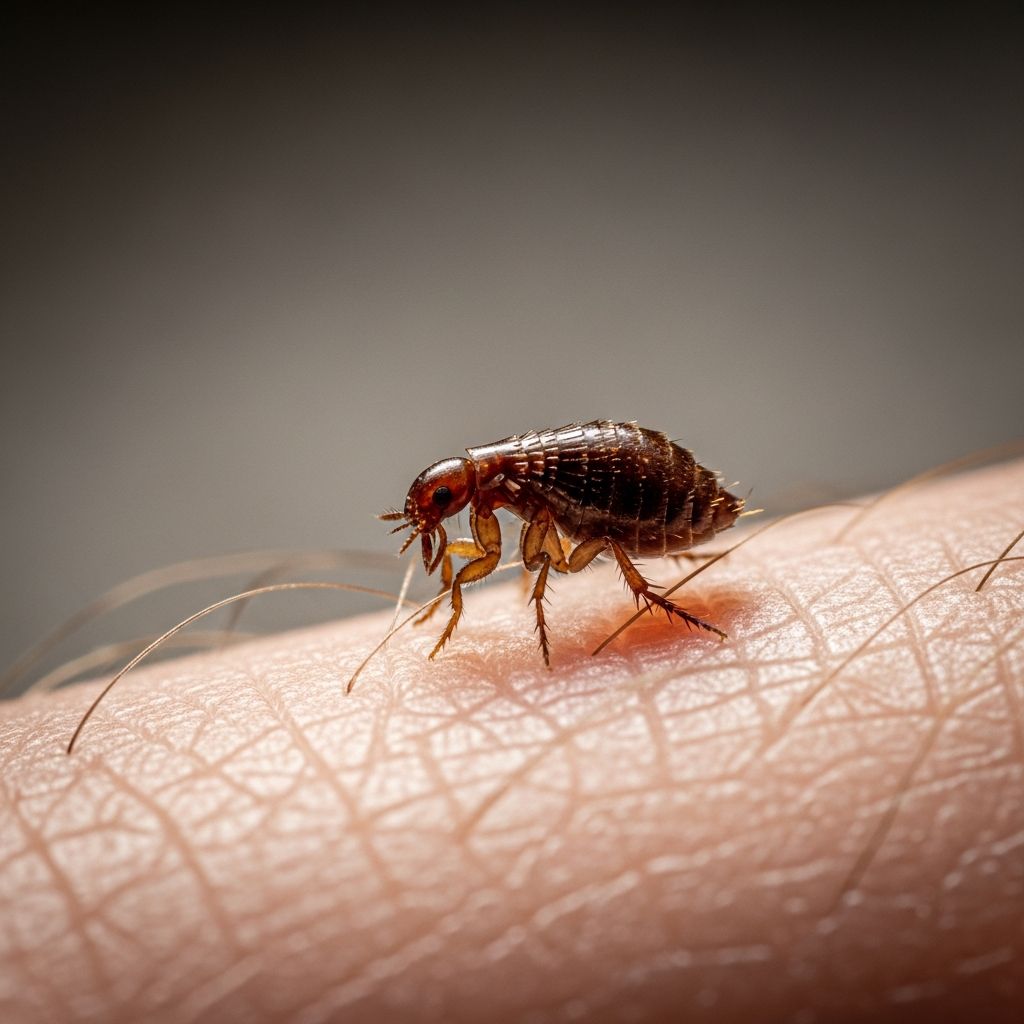
Can Fleas Live on Humans?
One of the most common concerns pet owners have is whether fleas can live on humans. The straightforward answer is: no, fleas cannot live on humans. While fleas may bite people, they will not establish a permanent residence on the human body. Fleas are specifically adapted to live on animals with fur or feathers, where they can hide, reproduce, and feed on blood. Humans, lacking the necessary biological features that fleas require, are simply not suitable hosts for long-term flea colonization.
However, this doesn’t mean humans are completely safe from fleas. During severe infestations, fleas may bite people, particularly those in close contact with infested pets. Understanding the relationship between fleas and humans is essential for effective pest management and personal protection.
Why Fleas Cannot Live on Humans
Fleas have evolved over millions of years to survive specifically on animals. Several biological and environmental factors make humans unsuitable hosts for fleas:
Lack of Fur Coverage: Fleas require dense fur or feathers to hide from predators and environmental threats. Human skin is largely hairless, providing insufficient coverage for fleas to establish breeding colonies. Without adequate hair to conceal themselves, fleas are exposed and vulnerable.
Insufficient Warmth: Fleas need a warm environment to survive and reproduce. Animal fur creates an insulated microclimate that maintains the heat necessary for flea eggs and larvae to develop properly. The human body’s surface temperature and lack of fur insulation do not provide the optimal conditions fleas require.
Inadequate Blood Source: Dog fleas and cat fleas have evolved to consume blood from their respective hosts. Their feeding mechanisms are specifically adapted to animal physiology. While they can bite humans, they cannot sustain themselves long-term on human blood, as their digestive systems are optimized for animal blood composition.
Because of these limitations, fleas that accidentally jump onto humans will quickly recognize that humans are unsuitable hosts and will seek out a more appropriate animal or find shelter in the home environment, such as carpets, bedding, or pet sleeping areas.
Understanding Flea Species and Humans
While most fleas cannot survive on humans, there is one notable exception: the human flea, scientifically known as Pulex irritans. This species is specifically adapted to live on people and feed on human blood. However, fortunately for residents in developed nations, the human flea is rarely a problem in the United States.
Two primary flea species commonly affect household pets: the cat flea (Ctenocephalides felis) and the dog flea (Ctenocephalides canis). Both species can bite humans, but neither will establish permanent colonies on the human body. These pet fleas will bite exposed areas, particularly around the ankles and legs, but will typically return to their preferred animal hosts or seek refuge in the home environment.
Can Fleas Bite Humans?
Although fleas cannot live on humans, they absolutely can bite people. When severe infestations occur, hungry fleas may attempt to feed on humans, particularly in households with multiple infested pets or when people sleep with their pets.
Where Fleas Bite Humans: Flea bites on humans most commonly appear on the feet, ankles, and legs—areas typically exposed and closest to the ground. Fleas often bite in succession, creating a distinctive pattern known as “breakfast, lunch, and dinner,” where three bites appear in a row or small cluster.
What Flea Bites Look Like: Flea bites appear as small, red bumps on the skin. Initially, bites may not cause significant irritation, but after prolonged exposure to fleas, many people develop hypersensitivity reactions to flea saliva.
The Itching Problem: When a flea bites, it injects saliva into the bloodstream. This saliva triggers the body’s immune response, causing the release of histamine at the bite site. Histamine causes the characteristic itching and swelling associated with flea bites. The itching can be intense and persistent, leading to the primary complaint from flea bite victims.
Allergic Reactions to Flea Bites
For some individuals, flea bites trigger more severe allergic reactions. Flea allergy dermatitis occurs when the body develops a heightened sensitivity to flea saliva components. This condition can result in:
– Severely irritated and red skin
– Extreme itchiness that interferes with daily activities
– Hive formation
– Secondary skin infections from scratching
Individuals with flea allergies may experience disproportionately severe reactions compared to those without allergies. Additionally, flea saliva contains at least 15 identified allergenic proteins, explaining the variety of reactions people can have.
If you suspect you’re experiencing an allergic reaction to flea bites, consult a healthcare provider. Severe reactions may require medical intervention beyond basic over-the-counter treatments.
Flea-Borne Diseases and Health Risks
Beyond the discomfort of itchy bites, infected fleas can transmit diseases to humans through a process called zoonosis. Understanding these health risks is crucial for taking flea prevention seriously.
Common Flea-Borne Diseases:
– Bartonella (Cat Scratch Disease): This is the most commonly transmitted flea-related disease in the United States. Humans typically contract this disease not from flea bites directly, but from infected flea feces under a cat’s claws. When cats scratch themselves with contaminated claws and then scratch humans, the bacteria can enter the bloodstream.
– Plague: While extremely rare in modern developed countries, infected fleas can theoretically transmit plague bacteria to humans. Cases are extremely uncommon in the U.S. due to modern sanitation and medical care.
– Typhus: Flea-borne typhus can occur when flea feces contaminate bite wounds or other skin breaks. This disease is also very rare in developed nations.
– Tapeworms: Fleas can carry tapeworm parasites, specifically Dipylidium caninum. If a flea carrying tapeworm eggs is accidentally ingested by humans (though this is rare) or consumed by pets during grooming, tapeworm infestation can develop.
While these diseases are uncommon in the United States, they represent serious reasons to address flea infestations promptly and maintain consistent flea prevention for pets.
How to Treat Flea Bites on Humans
If you’ve been bitten by fleas, several straightforward treatment options can provide relief:
Basic Care:
– Wash the affected area with soap and water to clean the bite and reduce infection risk
– Apply a topical over-the-counter antihistamine cream to reduce itching and swelling
– Take oral antihistamines if bites are widespread or itching is severe
Critical: Avoid Scratching: This is perhaps the most important recommendation. Scratching flea bites can cause scabs to form, extend healing time, and significantly increase the risk of secondary bacterial infection. Try using ice packs or moisturizing creams to manage the urge to scratch.
If flea bites become infected, show signs of severe allergic reaction, or don’t improve within a week, consult a healthcare provider or pharmacist for additional treatment options.
Preventing Flea Bites and Infestations
The most effective approach to flea problems is prevention. By treating your pets and maintaining a clean home environment, you can avoid flea infestations and the associated bites and health risks.
Pet-Based Prevention:
– Use year-round flea preventatives prescribed by your veterinarian, such as topical treatments, oral medications, or flea collars
– Bathe and groom your pet regularly, using flea combs to manually remove fleas
– During baths, leave soap or flea-specific shampoo on your pet for at least 5-10 minutes to ensure effectiveness
– Inspect your pet regularly for signs of fleas or flea dirt (small black specks)
Home Environment Prevention:
– Vacuum carpets, rugs, and upholstered furniture regularly to remove flea eggs and larvae
– Wash pet bedding frequently in hot water
– Treat your home with flea control products if an infestation is present
– Seal cracks and crevices where fleas might hide
Important Safety Note: Never use pet flea products on humans. Pet flea treatments contain chemicals that can make people sick and should only be applied to animals. Always follow label instructions carefully and use appropriate protective equipment when applying flea products to pets.
When to Contact a Professional
If you’re dealing with a significant flea infestation that home treatment hasn’t resolved, contact a professional pest control service. Additionally, consult your veterinarian about the most appropriate flea prevention and treatment options for your specific pets and household situation.
For human health concerns related to flea bites or potential disease transmission, consult a healthcare provider, especially if bites show signs of infection or if you experience symptoms of flea-borne diseases.
Frequently Asked Questions
Q: Can fleas live in human hair?
A: No, fleas cannot live in human hair. Human hair lacks the density and provides insufficient protection compared to animal fur. Fleas require the thick, warm environment of animal fur to survive and reproduce.
Q: How long can fleas survive on a human?
A: Fleas cannot survive on humans for extended periods. They can only live one to two weeks without an appropriate animal host. Most fleas will abandon a human within hours, as they recognize that humans don’t provide suitable living conditions.
Q: What should I do if I get flea bites?
A: Wash the area with soap and water, apply over-the-counter antihistamine cream, and avoid scratching. If itching is severe or bites become infected, consult a healthcare provider or pharmacist for additional treatment options.
Q: Can humans get diseases from fleas?
A: Yes, infected fleas can transmit diseases to humans, including Bartonella (cat scratch disease), plague, typhus, and tapeworms. However, disease transmission is rare in developed countries with modern sanitation and medical care.
Q: How can I prevent flea infestations in my home?
A: Use year-round flea preventatives on your pets as prescribed by your veterinarian, maintain regular grooming and bathing, vacuum frequently, wash pet bedding in hot water, and treat your home environment if needed.
Q: Is the human flea common in the United States?
A: No, the human flea (Pulex irritans) is rarely a problem in the United States, though it does exist. Most flea problems in American households involve cat fleas or dog fleas.
References
- Can Dog and Cat Fleas Live on Humans? — Your Pet and You (Elanco). Accessed 2025. https://yourpetandyou.elanco.com/us/parasites/fleas/can-fleas-live-on-humans
- Extreme human annoyance caused by Ctenocephalides felis felis — National Center for Biotechnology Information (NCBI). 2014. https://pmc.ncbi.nlm.nih.gov/articles/PMC3929800/
- Can Humans Get Fleas From Dogs? — Chewy Education. Accessed 2025. https://www.chewy.com/education/dog/flea-and-tick/can-humans-get-fleas-from-dogs
- Can Fleas Live on Humans? — Healthline. Accessed 2025. https://www.healthline.com/health/can-fleas-live-on-humans
- 5 Fascinating Facts About Fleas — PetMD. Accessed 2025. https://www.petmd.com/dog/general-health/fascinating-facts-about-fleas
- How To Get Rid of a Flea Infestation — PetMD. Accessed 2025. https://www.petmd.com/general-health/flea-infestation
- How Long Do Fleas Live Without a Host? — PetMD. Accessed 2025. https://www.petmd.com/general-health/how-long-do-fleas-live-without-host
Similar Articles








Read full bio of medha deb


