

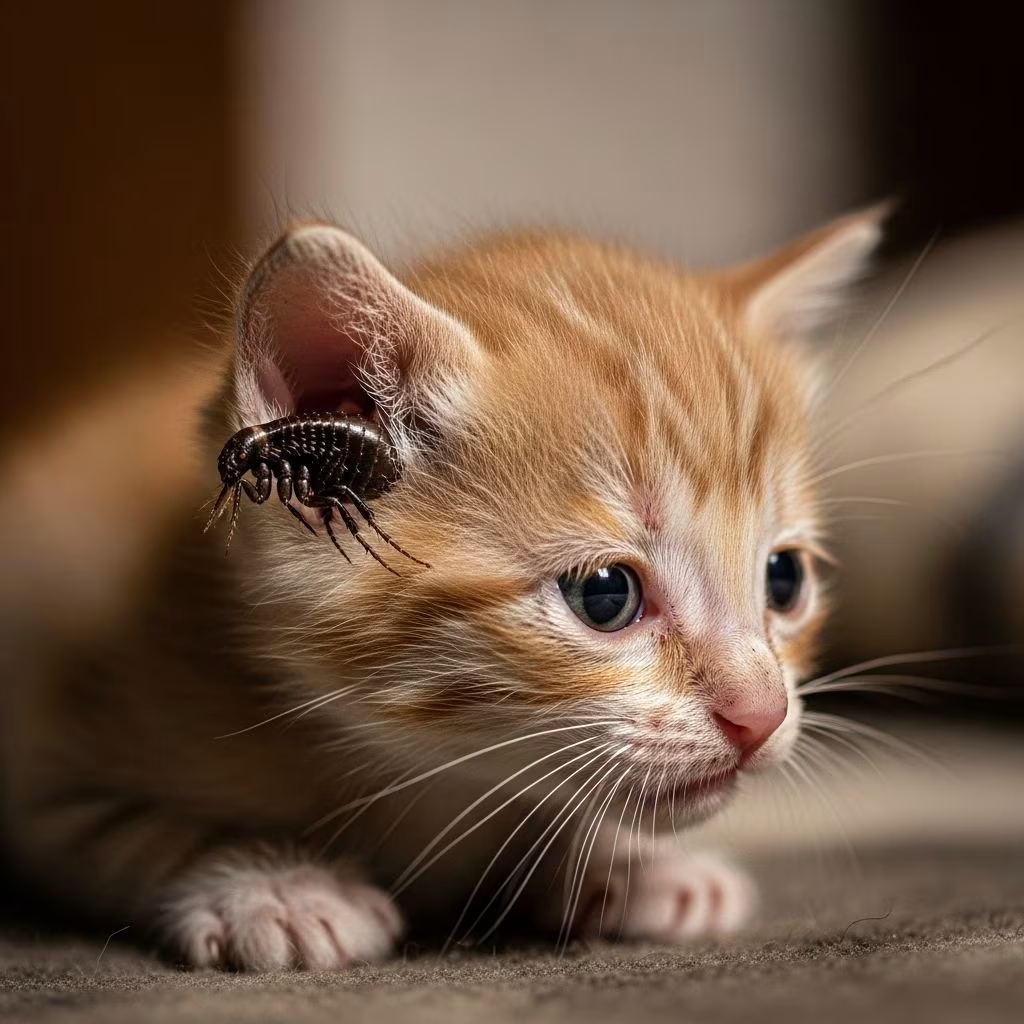
Fleas represent one of the most dangerous parasites for young kittens, capable of causing life-threatening conditions like severe anemia due to blood loss. Kittens under 8 weeks are particularly vulnerable because of their small size and immature immune systems, making prompt detection and treatment essential to prevent fatalities.
The Hidden Dangers Fleas Pose to Young Cats
Fleas are tiny, blood-sucking insects that latch onto hosts like kittens, feeding multiple times a day. A heavy infestation can drain enough blood to trigger anemia, where red blood cell counts drop dangerously low, leading to weakness, pale gums, and collapse. This is especially common in neonatal kittens, who lack the reserves to withstand such losses.
Beyond direct blood loss, flea saliva often provokes allergic reactions known as flea allergy dermatitis (FAD). Even a single bite can cause intense itching, hair loss, scabs, and secondary skin infections from constant scratching. Cats with FAD chew and scratch obsessively, exacerbating skin damage.
Fleas also serve as vectors for tapeworms. When kittens groom themselves, they ingest fleas containing tapeworm larvae, resulting in intestinal parasites that cause weight loss, vomiting, and digestive distress. In weakened kittens, this compounds the threat from fleas themselves.
Recognizing Flea Infestations in Kittens
Early signs include excessive scratching, particularly around the neck, belly, and tail base. Part the fur to check for fast-moving dark specks—these are live fleas—or black “flea dirt,” which is digested blood that turns red when wet.
- Visible fleas: Small, brown, jumping insects darting through fur, often hiding in armpits or groin.
- Flea dirt: Pepper-like residue on skin or bedding; test by placing on wet paper.
- Skin changes: Red bumps, scabs, bald patches from over-grooming.
- Behavioral cues: Restlessness, lethargy, or pale gums indicating anemia.
In severe cases, kittens may appear weak, breathe rapidly, or have distended bellies from parasites. Indoor kittens aren’t immune; fleas hitch rides on shoes, clothing, or other pets.
Safe Flea Removal Techniques for Newborn Kittens
Chemical treatments are off-limits for kittens under 8-12 weeks due to toxicity risks—never use dog products, as they can be fatal. Instead, rely on manual methods vetted by experts.
1. Flea Combing: The First Line of Defense
Use a fine-toothed flea comb daily, dipping it in soapy water to drown captured fleas. Comb in the direction of hair growth, focusing on vulnerable areas like the face, ears, and paws. This mechanically removes adults without chemicals and is ideal for neonates.
2. Dawn Dish Soap Baths: Effective and Gentle
Warm water with a drop of Dawn dish soap (or vet-recommended alternative) creates a soapy barrier that suffocates fleas. Form a ring around the neck first to trap fleas on the body, then lather from neck down, avoiding the head. Rinse thoroughly and dry immediately to prevent chilling.
- Bathe no more than twice weekly to avoid drying skin.
- Keep water lukewarm; kittens can’t regulate temperature well.
- Rewash bedding in hot water post-bath.
Age-Appropriate Chemical Options
For kittens over 8 weeks, consult a vet for safe topicals like selamectin or prescription orals. Always weigh the kitten and follow dosing precisely. Over-the-counter options exist for 12+ weeks but verify kitten-safety.
Environmental Control: Breaking the Flea Life Cycle
Fleas spend 95% of their life off the host as eggs, larvae, and pupae in carpets, bedding, and cracks. Treating the kitten alone fails—clean thoroughly.
| Area | Cleaning Method |
|---|---|
| Bedding & Toys | Wash in hot water (>140°F), dry on high heat. |
| Floors & Carpets | Vacuum daily; steam clean weekly. Dispose vacuum bag outside. |
| Furniture | Vacuum crevices; use pet-safe diatomaceous earth. |
| Outdoors | Mow grass; treat yard with beneficial nematodes. |
Vacuuming stimulates pupae to hatch, exposing them to treatments. Repeat for 2-4 weeks to eradicate all stages.
Preventing Flea Reinfestation in Kittens
Once clear, maintain prevention with vet-recommended products suited to age/weight. Monthly topicals or collars for older kittens reduce risks. Limit exposure by treating all household pets and using flea preventives year-round, even indoors.
- Regular grooming checks.
- Door mats to trap fleas from shoes.
- Professional pest control if infestation persists.
Health Complications and When to Seek a Vet
If a kitten shows lethargy, pale gums, rapid breathing, or refuses food, rush to a vet—anemia requires blood tests and supportive care like fluids or transfusions. FAD may need steroids; tapeworms, dewormers.
Seniors or immunocompromised cats face similar risks, so holistic household treatment is key.
FAQ: Common Questions About Fleas on Kittens
Are fleas dangerous for adult cats?
Less so than kittens, but they cause discomfort, allergies, and tapeworms.
Can I use Frontline on a 4-week-old kitten?
No—most spot-ons are unsafe under 8 weeks. Use combing/bathing instead.
How long do fleas live on kittens?
Adults live 2-3 months but lay thousands of eggs, perpetuating infestation.
Do indoor kittens get fleas?
Yes, via humans, other pets, or open windows.
Is apple cider vinegar safe for kitten fleas?
Not recommended; it doesn’t kill fleas effectively and may irritate skin. Stick to proven methods.
Fleas are a serious but manageable threat. Vigilance and proper protocols keep kittens safe and thriving.
References
- Fleas – Kitten Lady — Kitten Lady. Accessed 2026. http://www.kittenlady.org/fleas
- How Fleas Can Harm Your Cat – Zoetis Pets — Zoetis. Accessed 2026. https://www.zoetispets.com/in-en/blog/cat/how-cat-fleas-harm-your-pet/
- How to Get Rid of Fleas on Kittens – PetMD — PetMD. Accessed 2026. https://www.petmd.com/cat/parasites/how-get-rid-fleas-kittens
- Flea & Tick Prevention for Cats | Vet-Approved Guide — BCSPune. Accessed 2026. https://bcspune.org/flea-tick-prevention-treatment-cats/
- Cat Fleas: Causes, Symptoms, Prevention and Treatment | Purina IN — Purina. Accessed 2026. https://www.purina.in/care-and-advice/cat/health/cat-fleas



