

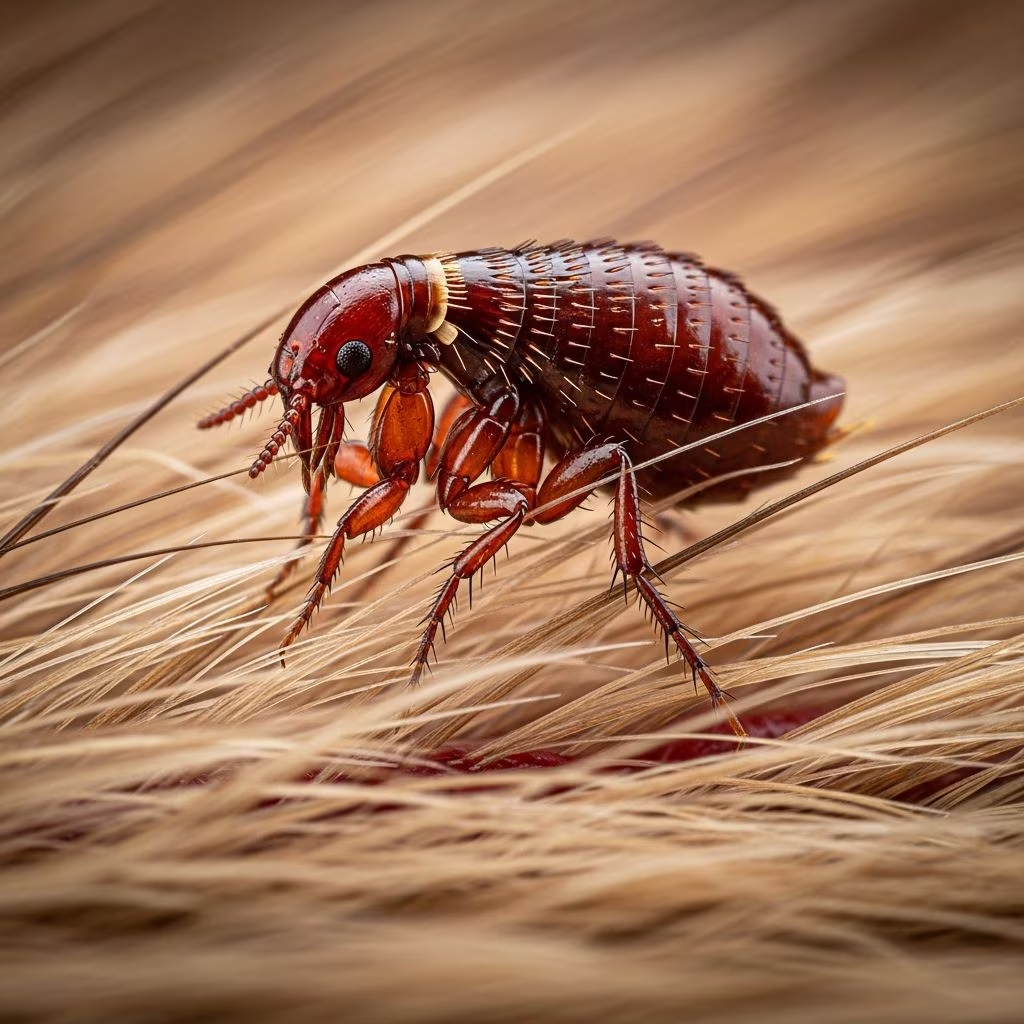
Fleas pose significant health risks to dogs, potentially leading to death in extreme cases through severe allergic reactions, blood loss anemia, or secondary infections, though direct fatalities are uncommon in healthy adults. Puppies, seniors, and dogs with pre-existing conditions face the highest dangers, making vigilant prevention essential for all pet owners.
The Hidden Dangers of Flea Infestations
Fleas are parasitic insects that feed on a dog’s blood, injecting saliva that can provoke immune responses far beyond simple itching. While a few fleas might annoy a robust adult dog, heavy infestations overwhelm the body, particularly in vulnerable animals. Understanding these threats empowers owners to act swiftly.
Key risks include:
- Allergic reactions: Flea saliva proteins trigger hypersensitivity in many dogs.
- Blood depletion: Constant feeding leads to anemia, critical in small or young dogs.
- Secondary issues: Open wounds invite bacterial or yeast infections.
Understanding Flea Allergy Dermatitis in Dogs
Flea allergy dermatitis (FAD) represents one of the most prevalent skin conditions in dogs, stemming from an exaggerated immune response to flea saliva antigens. Even minimal flea exposure—one bite suffices—ignites intense inflammation, distinguishing FAD from typical irritation.
This hypersensitivity affects dogs of any age, breed, or sex, though younger ones under five years show higher incidence. Genetic predisposition plays a role, explaining why some dogs in the same household react severely while others remain unaffected.
Recognizing Symptoms of Flea-Related Problems
Early detection hinges on spotting subtle signs before they escalate. FAD symptoms often localize to the ‘flea triangle’: mid-back, tail base, and hind legs.
| Symptom | Description | Common Locations |
|---|---|---|
| Intense Itching | Persistent scratching, biting, licking; dog appears restless | Tail base, thighs, belly |
| Skin Changes | Redness, inflammation, hot spots; scabs or sores form | Lower back, groin, rump |
| Hair Loss | Alopecia, thinning fur; brown staining from saliva | Hindquarters, ears, paws |
| Secondary Signs | Infections causing odor, thickened skin; lethargy if severe | Generalized in chronic cases |
Owners might find ‘flea dirt’—black specks of digested blood—confirming infestation even without visible fleas. Symptoms persist post-bite, complicating diagnosis.
When Fleas Become Life-Threatening
Direct flea mortality is rare in adult dogs but escalates in specific scenarios. Puppies lose blood rapidly due to small size, risking fatal anemia. Elderly or immunocompromised dogs succumb to compounded effects.
Flea Anemia: A Silent Killer
Heavy flea burdens drain blood volume, causing pale gums, weakness, rapid breathing, and collapse. Young pups under heavy attack can perish within days without intervention.
Overwhelming Infections
Self-trauma from itching opens skin to bacteria and yeast, leading to pyoderma or deeper sepsis. Untreated, these spread systemically, potentially fatal.
Rare Systemic Complications
Though uncommon, fleas transmit pathogens like Bartonella (cat scratch disease) or tapeworms, indirectly stressing the body further.
Diagnosing Flea Issues Accurately
Veterinarians rely on history, clinical exams, and tests. Flea combing reveals dirt or parasites; skin scrapes rule out mites. Intradermal tests or blood IgE assays confirm allergies, though response to flea control often suffices as proof.
Differential diagnoses include food allergies or environmental triggers, necessitating thorough evaluation.
Treatment Strategies for Flea Problems
Immediate flea eradication forms the cornerstone, paired with symptom relief.
- Flea Removal: Topical/oral preventives like fipronil, imidacloprid, or isoxazolines kill adults and eggs.
- Skin Therapy: Medicated shampoos, steroid creams soothe inflammation; antibiotics combat infections.
- Supportive Care: E-collars prevent mutilation; antihistamines aid mild cases.
Environmental decontamination—vacuuming, washing bedding, premise sprays—breaks the lifecycle.
Prevention: The Best Defense Against Fleas
Year-round prevention trumps reaction. Monthly topicals/oral meds target all life stages; collars offer extended protection.
- Regular baths with flea shampoos.
- Lawn maintenance to deter breeding.
- Household pet treatment uniformity.
In flea-prone warm climates, vigilance peaks during summer.
FAQs About Fleas and Dog Health
Can a single flea kill my dog?
No, but one bite triggers FAD in allergic dogs, snowballing into severe issues.
How quickly do flea symptoms appear?
Within hours to days post-bite, worsening rapidly.
Are flea preventives safe for puppies?
Yes, age-specific products exist; consult vets for those under 8 weeks.
Can indoor dogs get fleas?
Absolutely—via visitors, wildlife, or escapes.
What if my dog shows no fleas but itches?
FAD persists from saliva residue; test flea allergy.
Long-Term Management for Allergic Dogs
Chronic FAD demands ongoing protocols: hypoallergenic diets, omega supplements bolster skin barriers. Annual vet checks monitor progress.
Owners report 90% improvement with strict control, underscoring prevention’s efficacy.
References
- Flea Allergy Dermatitis in Dogs: Signs, Treatment & Prevention — UrgentVet. 2023-05-15. https://urgentvet.com/flea-allergy-dermatitis-in-dogs/
- Flea Allergy Dermatitis in Dogs: Everything a Pet Parent Needs to Know — PetMD. 2023-01-01. https://www.petmd.com/dog/conditions/skin/flea-allergy-dermatitis-dogs-everything-pet-parent-needs-know
- More Than Just Fleas: What You Need to Know About Flea Allergy Dermatitis — Emerald Animal Hospital. 2023-06-20. https://emeraldanimal.com/more-than-just-fleas-what-you-need-to-know-about-flea-allergy-dermatitis/
- Flea Allergy Dermatitis in Dogs and Cats — Merck Veterinary Manual. 2024-01-10. https://www.merckvetmanual.com/integumentary-system/fleas-and-flea-allergy-dermatitis/flea-allergy-dermatitis-in-dogs-and-cats
- Flea Allergy Dermatitis in Dogs — VCA Animal Hospitals. 2023-11-05. https://vcahospitals.com/know-your-pet/allergy-flea-allergy-dermatitis-in-dogs



