

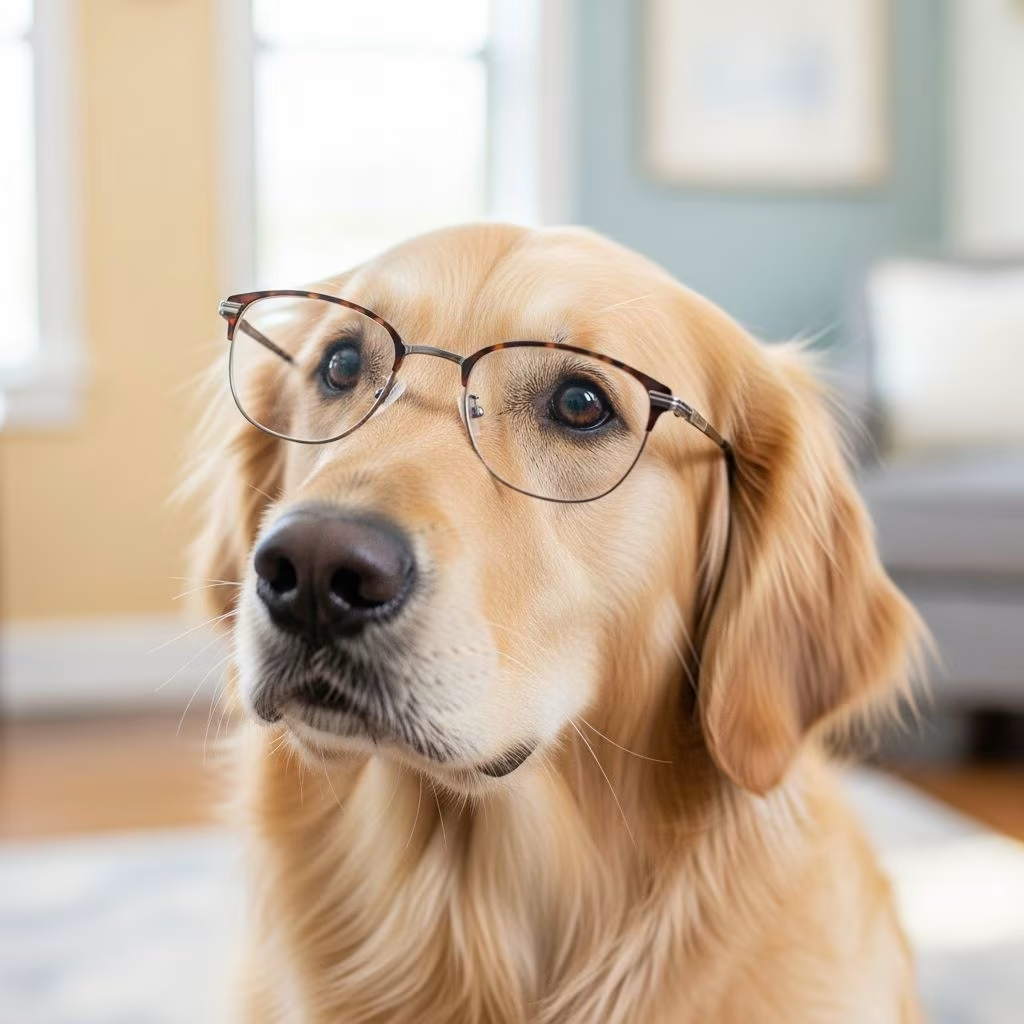
Dogs can indeed wear specialized glasses or goggles designed for canine use, primarily for vision correction after surgery or protection from environmental hazards and UV light. These aren’t everyday fashion accessories but practical tools prescribed by veterinarians for specific health needs.
Understanding Canine Vision Basics
Dogs possess vision adapted for detecting motion and navigating in low light, differing significantly from human eyesight. Their visual acuity is generally around 20/75, meaning they see at 20 feet what humans see at 75 feet, relying more on smell and hearing. This natural setup means many dogs adapt well to vision impairments without obvious distress.
However, conditions like cataracts, glaucoma, and retinopathy can impair sight severely. Unlike humans, whose vision issues often stem from refractive errors correctable by standard lenses, dogs face degenerative diseases affecting the retina or lens opacity.
Common Eye Conditions Requiring Intervention
Several disorders prompt the use of eyewear or other treatments in dogs:
- Cataracts: Clouding of the lens blocks light to the retina, common in diabetics where over 75% develop them. Surgery removes the lens, sometimes necessitating corrective glasses if no implant is used.
- Glaucoma: Increased eye pressure damages the optic nerve, treatable early to preserve vision. Protective goggles prevent further irritation in windy or dusty conditions.
- Pannus (Chronic Superficial Keratitis): An autoimmune issue worsened by UV exposure, prevalent in breeds like German Shepherds. Sun-protective eyewear slows progression alongside anti-inflammatory meds.
- Retinopathy and Hypertension: Hereditary retinal degeneration or high blood pressure detaches the retina, leading to blindness. Managing underlying causes like diabetes is key.
Early detection via veterinary exams is crucial, as many issues don’t self-resolve.
When Do Dogs Need Corrective Glasses?
Prescription glasses for dogs are rare but vital post-cataract surgery without lens implantation, correcting extreme farsightedness. Veterinary ophthalmologists measure refractive error using tools akin to those for human infants.
A real-world example: A diabetic dog post-cataract surgery struggled on unfamiliar paths despite stabilized blood sugar. Custom goggles restored clear vision, enabling joyful play. Corrective eyewear enhances quality of life but requires precise fitting.
Protective Eyewear: Beyond Correction
Most dog glasses serve protection:
- UV-blocking for pannus or cancer risk reduction.
- Shielding active or working dogs (e.g., police, search-and-rescue) from debris, abrasions.
- Post-trauma or for blind dogs prone to self-injury, as alternatives to e-collars.
Experts from Texas A&M and Kansas State note eyewear should not constrict, allowing normal eating, drinking, and movement.
Choosing the Right Dog Glasses
| Feature | Importance | Examples |
|---|---|---|
| Adjustable Straps | Secure fit without pressure, vital for glaucoma | Foam-padded edges for comfort |
| UV Protection | Prevents pannus worsening and retinal damage | Polycarbonate lenses |
| Size Variety | Matches breed/head shape | XS for small breeds to XL for large |
| Durability | Withstands active lifestyles | Shatterproof materials |
Goggles style with straps outperform human sunglasses, which slip off. Acclimate gradually with treats; some dogs adapt quickly, others need patience.
Fitting and Training Your Dog to Wear Glasses
Professional fitting by a vet ophthalmologist ensures safety. Measure head circumference and eye spacing. Start sessions short: 1-2 minutes, rewarding calm behavior, building to hours.
Avoid tight fits increasing intracranial pressure, especially in glaucoma cases—opt for chest harnesses over collars during walks.
Alternatives to Glasses for Vision Support
- Surgery: Cataract removal or glaucoma relief via laser/medication.
- Medications: Drops for inflammation, pressure control.
- Home Adjustments: Consistent furniture layout, verbal cues, textured paths for blind dogs.
- E-Collars: Prevent scratching, though less lifestyle-friendly than goggles.
Blind dogs thrive with sensory compensation; many adjust seamlessly.
Preventing Vision Problems in Dogs
Annual vet checkups (biannual for seniors) catch issues early. Monitor for:
- Bumping objects, hesitation on stairs.
- Cloudy eyes, redness, tearing.
- Behavioral shifts like increased clumsiness.
Control diabetes, hypertension via diet, exercise. Limit UV via shaded areas or eyewear.
FAQs
Do all dogs benefit from glasses?
No, only those with specific post-surgical needs or protection requirements. Most don’t need correction.
Can puppies wear dog glasses?
Rarely; congenital issues may require specialist eval, but adaptation is prioritized.
How much do dog glasses cost?
$20-$100 for protective; custom prescription higher via vets.
Are dog glasses safe for long-term use?
Yes, if properly fitted and monitored; check for irritation regularly.
What if my dog hates wearing them?
Gradual training or alternatives like e-collars; consult your vet.
Expert Insights on Long-Term Vision Management
Veterinary ophthalmologists emphasize holistic care: treat root causes, protect remaining vision, enrich environments. Dogs’ resilience shines—many blind pets lead full lives. Texas A&M’s Dr. Vallone highlights eyewear’s role in pannus control.
For working breeds, eyewear prevents trauma in harsh settings. Regular pressure checks benefit glaucoma-prone breeds like Cocker Spaniels.
References
- Can Dogs Get Glasses? — WagWalking. 2023. https://wagwalking.com/wellness/can-dogs-get-glasses
- 5 Great Items For Dogs With Glaucoma and Vision Problems — Rover. 2023. https://www.rover.com/blog/glaucoma-in-dogs/
- Eye Protection for Dogs: Is It Necessary? — PetMD (Texas A&M College of Veterinary Medicine). 2024. https://www.petmd.com/dog/care/eye-protection-dogs-it-necessary
- Vision Loss in Dogs: A Comprehensive Guide — Animal Eye Guys. 2024-07-24. https://www.animaleyeguys.com/site/blog/2024/07/24/vision-loss
- Is My Dog Having Difficulty Seeing? — American College of Veterinary Ophthalmologists (ACVO). 2023. https://www.acvo.org/tips-treatments-tricks/is-my-dog-having-difficulty-seeing



