

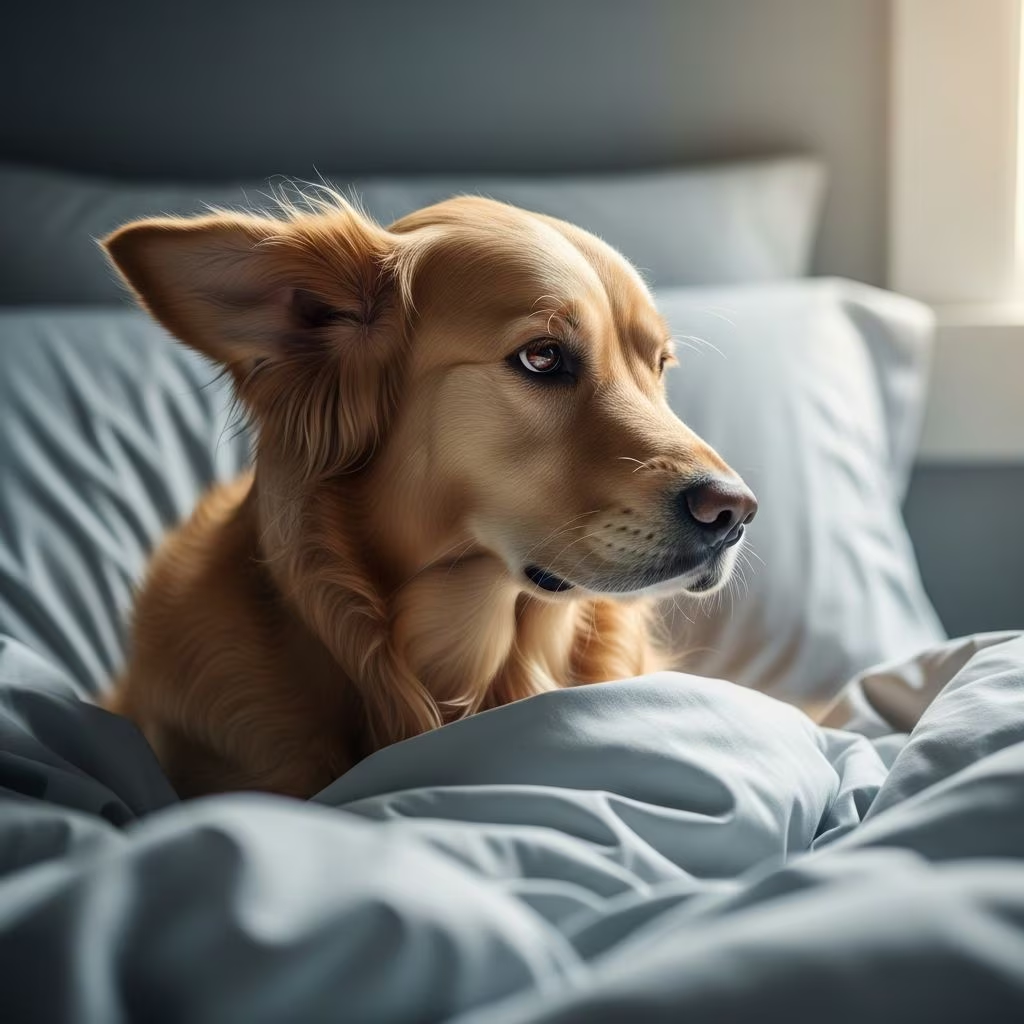
Can Dogs Wake Up on the Wrong Side of the Bed?
We’ve all experienced those mornings—you wake up, stub your toe, spill your coffee, and suddenly the whole world feels unbearable. You’ve “woken up on the wrong side of the bed,” as the saying goes, and you can’t imagine feeling worse. But do our furry companions experience the same phenomenon? The answer is yes. Dogs can absolutely wake up on the wrong side of the bed, just like their human counterparts, though their grumpy moods might look a bit different from ours.
According to Kelly Moffat, a veterinarian and veterinary behaviorist who serves as the medical director at VCA Mesa Animal Hospital in Arizona, dogs experience emotions much like humans do. “Just like humans, dogs also feel a range of emotions,” Moffat explains. “While this may not present in the same way that it does for people, it can be possible for dogs to wake up feeling cranky, such as if they haven’t gotten enough sleep.” Understanding these emotional shifts in your dog is crucial for pet parents who want to support their dog’s well-being and strengthen their relationship with their pup.
Understanding Canine Emotions and Brain Chemistry
While humans can express their grumpiness through words and facial expressions, dogs cannot articulate their feelings verbally. Instead, they communicate through behaviors and body language. This is why it’s essential for pet parents to learn how to read their dog’s emotional cues and understand what their pup is trying to tell them.
Tatiana Yastremski, a certified dog trainer and canine behavior consultant at St. Hubert’s Animal Welfare Center in Madison, New Jersey, prefers to describe these mood shifts not as “bad moods” but rather as “changes in a dog’s emotional state.” The distinction is important because it reflects a more accurate understanding of canine psychology.
One fascinating aspect of dog behavior is how similar their brains are to human brains when it comes to emotional processing. “A dog’s brain functions similarly to a human’s brain when it comes to emotions,” Yastremski notes. The key difference is that dogs have a more limited emotional range compared to humans. However, the similarities run deeper than many people realize: “The hormones that govern the dog’s emotions are the same as human hormones, and therefore, dogs’ brains can go through the same or similar chemical shifts when their emotional state changes.” This means that dogs experience genuine neurochemical changes when their mood shifts, making their bad moods just as real as ours.
Signs Your Dog Woke Up on the Wrong Side of the Bed
Recognizing when your dog has woken up in a poor emotional state is the first step in addressing the issue effectively. A pup who’s woken up feeling stressed, agitated, or simply out-of-sorts will typically exhibit observable symptoms. Understanding these signs helps you respond appropriately to your dog’s needs.
Common indicators that your dog might be in a bad mood include:
- Pacing back and forth
- Whining or excessive vocalization
- Barking more than usual
- Frequent yawning
- Pinning or flattening their ears back
- Excessive panting
- Digging behavior
- Tucking their tail between their legs
- Hiding away from family members
However, it’s crucial to remember that every dog is an individual with their own unique personality and ways of expressing emotions. The way each dog displays their “bad mood” will differ based on their breed, temperament, and personal history. What looks like a grumpy mood in one dog might manifest completely differently in another, which is why getting to know your own dog’s baseline behavior is so important.
Distinguishing Between Bad Moods and Physical Pain
While a bad mood is one thing, pet parents should be especially vigilant about distinguishing between a temporary emotional shift and signs of physical discomfort or pain. This distinction is critical because pain requires veterinary attention, whereas a bad mood typically requires patience and understanding.
“If pet parents are observing something that is not characteristic of their dog, they should take note,” Yastremski advises. For instance, if your dog normally loves being petted or massaged but suddenly avoids the activity or shows aggressive behavior to prevent being touched, this could be a red flag for physical pain. Changes in behavior that are uncharacteristic of your dog’s normal personality warrant closer investigation.
Other signs that might indicate pain rather than just a bad mood include reluctance to move, limping, changes in appetite, or difficulty climbing stairs. If you notice these signs, it’s wise to schedule a veterinary appointment to rule out any underlying health issues before attributing the behavior to mood alone.
What Triggers a Dog’s Bad Mood?
Just as humans have various reasons for waking up grumpy, dogs too have multiple potential triggers for their emotional shifts. Understanding what causes your dog’s mood changes can help you prevent or mitigate them.
Several factors can contribute to a dog waking up on the wrong side of the bed:
Poor Sleep Quality or Insufficient Sleep
Dogs need adequate, quality sleep to function optimally. If your dog didn’t sleep well the night before—perhaps due to external noises, discomfort, or other disturbances—they may wake up feeling irritable and out of sorts, much like sleep-deprived humans.
Bad Dreams
Just as humans can be affected by nightmares, dogs may also experience unsettling dreams. A dog who had a bad dream might wake up feeling stressed or anxious, which could manifest as mood changes during the morning.
Stressful Previous Experiences
“A stressful experience from the previous day, such as a visit to a veterinarian, may have an impact on the dog’s mental state,” Yastremski explains. Events that create anxiety or stress can linger in a dog’s mind, affecting their mood the next morning. A vet visit, a thunderstorm, or encountering an unfamiliar dog on a walk could all leave your pup feeling emotionally affected.
Physical Discomfort or Pain
Any underlying pain or physical discomfort will certainly affect your dog’s mood upon waking. This could range from minor issues like an itchy ear to more serious conditions that warrant veterinary evaluation.
Changes in Routine or Environment
Dogs thrive on routine and predictability. Changes to their environment or daily schedule—such as a new sleeping arrangement, changes in feeding time, or disruptions to their normal routine—can trigger emotional responses.
What Your Dog Is Trying to Tell You
When your dog wakes up in a grumpy mood, they’re communicating something important to you. One of Yastremski’s personal experiences illustrates this perfectly: “By doing that, she communicated to me that she didn’t want me to touch her paws. I respected her wishes and realized that she was most likely really tired from her multiple escapades that particular week,” Yastremski says. “I now know that when my dog is tired, she wants me to leave her be.”
This example shows that sometimes our dogs are simply tired and need space to decompress. Just as you might want to be left alone when you wake up grumpy, your dog may be communicating the same need through their behavior.
How to Respond When Your Dog Wakes Up Grumpy
Respect your dog’s wishes and give them space. This is perhaps the most important piece of advice when dealing with a grumpy dog. “Pet parents should listen to their dogs and respect their wishes,” Yastremski emphasizes. If your dog growls in response to being touched or petted, stop immediately and give them the space they need to decompress.
Allowing your dog to decompress looks different for each individual pup. Some dogs benefit from:
- A nice sniff-y walk where they can explore new scents and mentally stimulate themselves through olfactory investigation
- Gnawing on a bone or a long-lasting chew, which provides both physical and mental satisfaction
- A fun game of fetch or tug with their human once they’ve had time to settle
- Quiet time in their safe space without interruption
- Gentle play or interaction at a slower pace than usual
The key is to pay attention to your individual dog’s preferences and honor what helps them feel better. Some dogs are naturally more independent in the morning, while others may eventually seek comfort and interaction once they’ve had time to wake up properly.
Creating an Optimal Sleep Environment for Your Dog
Prevention is often better than remedy. By ensuring your dog has the best possible sleep environment, you can reduce the likelihood of them waking up on the wrong side of the bed in the first place.
A comfortable, quiet sleeping space is essential. Consider providing:
- A high-quality dog bed appropriate for your dog’s size and sleeping style
- A consistent sleeping schedule that aligns with your household routine
- A cool, dark, and quiet sleeping area free from disruptive noises
- Access to their safe space where they can retreat if needed
- Appropriate temperature control to keep them comfortable throughout the night
Dogs with anxiety or stress may benefit from enclosed spaces like furniture-style crates, covered “cave” beds, or doggie tent beds that provide a secure, womb-like environment where they feel safe and protected.
Frequently Asked Questions (FAQs)
Q: Can dogs actually experience bad moods like humans do?
A: Yes, dogs can experience changes in their emotional state similar to humans. Their brains contain the same hormones that govern emotions, and they can undergo similar chemical shifts that affect their mood. However, dogs have a more limited emotional range than humans.
Q: What should I do if my dog seems grumpy in the morning?
A: Give your dog space to decompress. Respect their body language cues, and avoid forcing interaction. Allow them to wake up at their own pace. If they seem to want to play or spend time with you later, that’s great—but forcing interaction when they’re irritable can escalate their mood.
Q: How can I tell if my dog’s grumpiness is due to pain rather than just a bad mood?
A: Look for behaviors that are uncharacteristic of your dog. If your dog normally loves being petted but suddenly avoids touch, or if you notice limping, reluctance to move, or changes in appetite, these could indicate pain. Schedule a veterinary appointment to rule out health issues.
Q: Does sleep deprivation affect dogs’ moods?
A: Absolutely. Just like humans, dogs who don’t get enough quality sleep are more likely to wake up irritable and grumpy. Ensuring your dog has a comfortable, quiet sleeping space can help prevent mood issues related to poor sleep.
Q: Can past traumatic experiences cause my dog to wake up grumpy?
A: Yes, stressful experiences from the previous day—such as a vet visit, a scary encounter, or a significant change in routine—can affect your dog’s emotional state the next morning. These lingering effects can manifest as mood changes or behavioral shifts.
Q: What activities help a grumpy dog decompress?
A: Different dogs respond to different activities. Some enjoy a sniff-y walk, others prefer gnawing on a chew toy, and some may want to play fetch or tug once they’ve warmed up. The key is understanding your individual dog’s preferences and what helps them feel better.
References
- Can Dogs Wake Up on the Wrong Side of the Bed? — Kinship. 2024. https://www.kinship.com/dog-behavior/can-dogs-wake-up-on-the-wrong-side-of-the-bed
- Recognizing Abnormal Canine Stress and Dog Anxiety — PetHub. 2024. https://www.pethub.com/articles/242692/recognizing-abnormal-canine-stress-and-dog-anxiety
- Understanding Dog Emotions and Behavior — American Kennel Club. 2024. https://www.akc.org
- Waking Up on the Wrong Side of the Dog Bed — Summit Dog Training. 2024. https://www.summitdogtraining.com/blog/waking-up-on-the-wrong-side-of-the-dog-bed



